The siege of Troy is probably the first legendary story of a city’s heroic resistance against an overwhelming army. Whether it really happened, we do not know. But over thousands of years, many cities and fortresses have held out for remarkably long against bombardment, starvation and assault. These are the ten longest sieges in history.
10. The Great Siege of Gibraltar: almost four years (1779 to 1783)
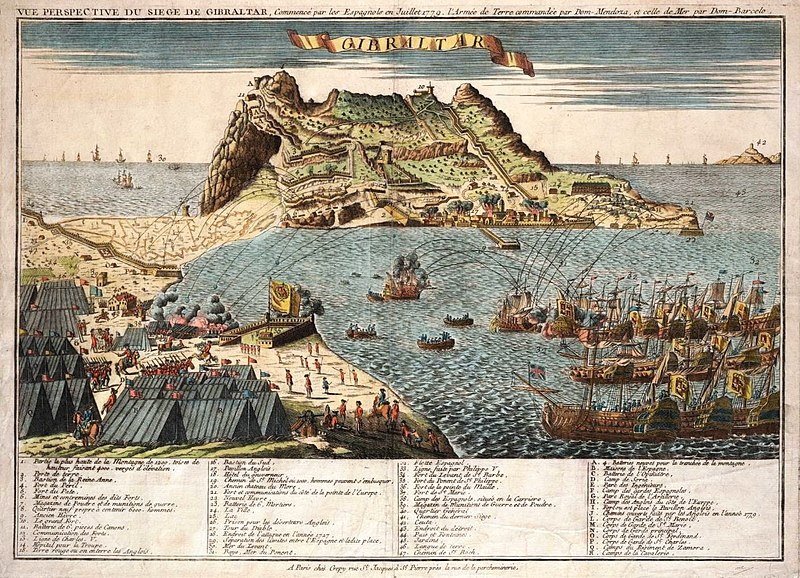
Gibraltar, at the southern tip of Spain, controls the entrance to the Mediterranean from the Atlantic. Britain captured it from Spain in 1704, which Spain never accepted. When Britain was fighting the American War of Independence, Spain, allied with France, saw its chance.
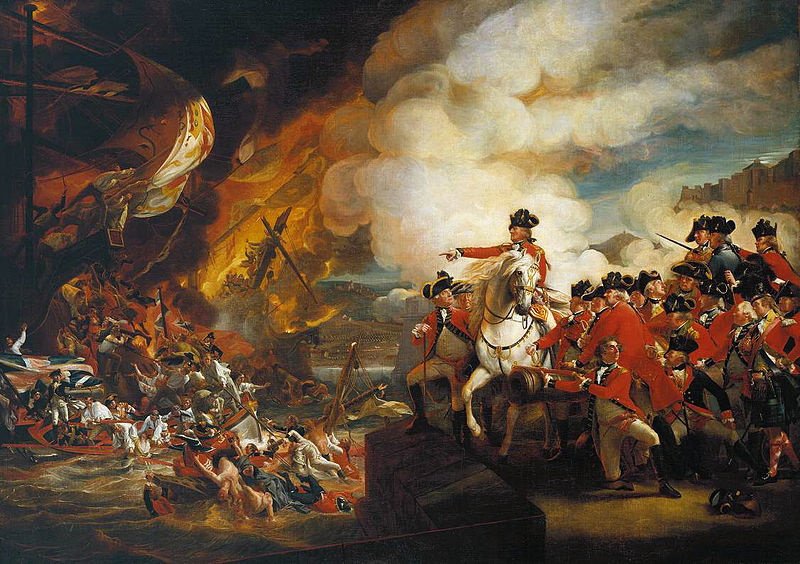
In 1779, Spanish and French forces began the Great Siege of Gibraltar. The British garrison of around 5,000 men under General George Eliott held out despite severe food shortages, bombardments and, in 1782, a massive attack with floating batteries, which the British destroyed with red-hot cannonballs. The siege ended with the peace of 1783, and Gibraltar is still British today. It is the longest siege the British Army has ever endured.
9. The siege of Xiangyang: six years (1267 to 1273)
In the 13th century, the Mongol ruler Kublai Khan, grandson of Genghis Khan, set out to conquer Song China. A key target was the twin cities of Xiangyang and Fancheng on the Han River, which guarded the way into southern China and were protected by enormous walls and a river.
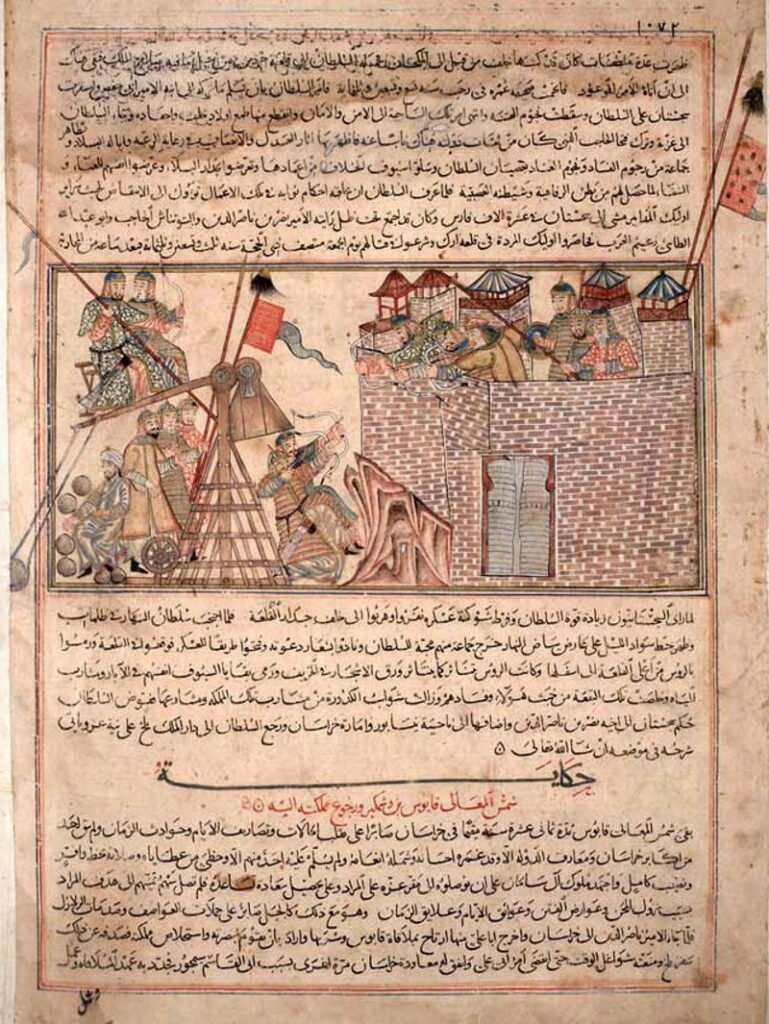
The Mongol siege began in 1267. For years, the defenders held out, sometimes resupplied by daring river convoys. Eventually, Kublai Khan called in engineers from the Middle East, who built huge counterweight trebuchets capable of hurling stones of tens of kilos. In 1273, after six years, the cities surrendered. Six years later, the whole of China was under Mongol rule.
8. The siege of Tripoli: seven years (1102 to 1109)
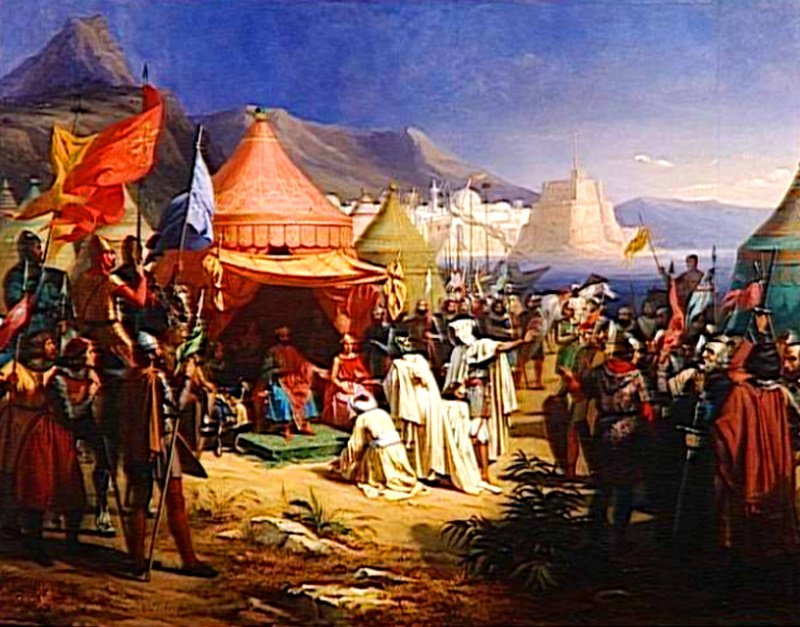
After the capture of Jerusalem in 1099, the Crusaders wanted to take more coastal cities. Raymond of Toulouse, one of the leaders of the First Crusade, arrived at Tripoli in what is now Lebanon with a relatively small force. Unable to take the well-defended city, he built a castle on a nearby hill, Mons Peregrinus, to cut it off from the outside world.
The blockade lasted from 1102 to 1109. Raymond himself died during the siege, in 1105. Finally, in July 1109, the city fell to the Crusaders, who sacked it, and Tripoli became the capital of a new Crusader state, the County of Tripoli.
7. The siege of Harlech Castle: seven years (1461 to 1468)
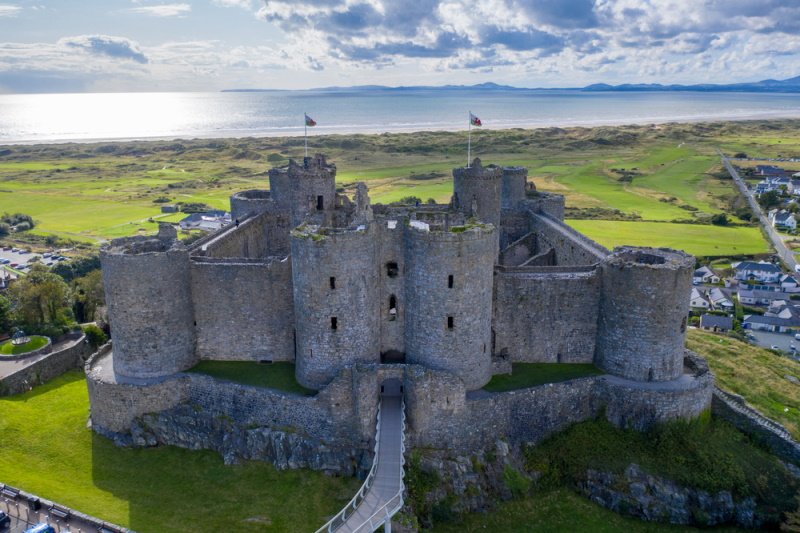
The longest siege in British history took place at Harlech Castle in Wales, during the Wars of the Roses, the struggle between the houses of Lancaster and York for the English crown. After the Yorkist Edward IV became king, Lancastrian supporters held out in the castle.
Thanks to its position by the sea, the defenders could be supplied by ship for years. Only in 1468 did a large Yorkist army under William Herbert force the garrison to surrender. According to tradition, the siege inspired the famous Welsh song “Men of Harlech”.
6. The siege of Thessaloniki: eight years (1422 to 1430)
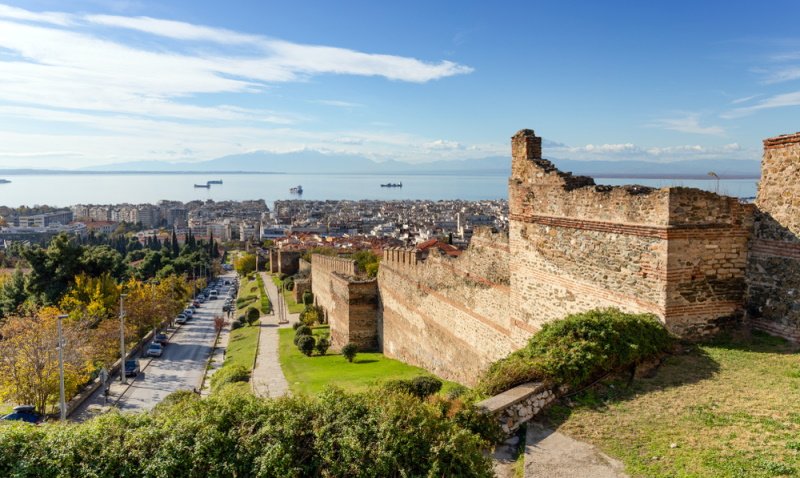
Thessaloniki is today the second-largest city in Greece. In the early 15th century, it was a Byzantine city threatened by the rising Ottoman Empire. In 1422, Sultan Murad II began a blockade. The city’s ruler, Andronikos Palaiologos, lacking the means to defend it, handed it over to Venice in 1423, rather than let the Ottomans in.
For years, the Venetians held the city, while hunger spread among the population. In 1430, Murad launched a massive assault, and the city fell. It was sacked, thousands of inhabitants were enslaved, and Thessaloniki remained part of the Ottoman Empire for almost five centuries.
5. The siege of Drepana: eight years (249 to 241 BC)
Drepana, today’s Trapani on the west coast of Sicily, was a Carthaginian naval base during the First Punic War between Rome and Carthage. To control the Mediterranean, Rome needed to take it. The siege began in 249 BC, but the Carthaginian fleet defeated the Romans at sea that same year, so the Romans could only maintain the siege on land.
Rome then built a new fleet, and in 241 BC, under Gaius Lutatius Catulus, it destroyed the Carthaginian navy at the Battle of the Aegates Islands. Carthage had to ask for peace, ending the war, and Sicily became Rome’s first province.
4. The siege of the Solovetsky Monastery: eight years (1668 to 1676)
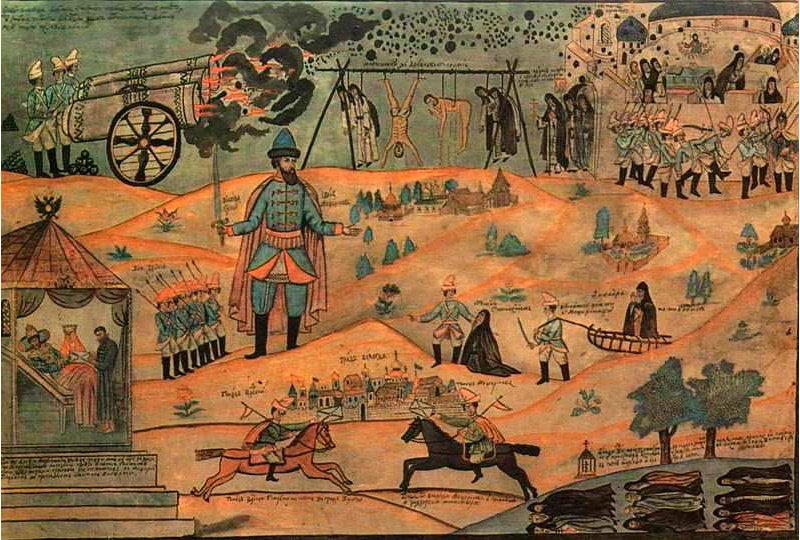
The Solovetsky Monastery lies on an island in the White Sea in northern Russia. In the 17th century, its monks rejected the church reforms of Patriarch Nikon, supported by Tsar Alexis. When they refused to accept the new rituals, the tsar’s troops laid siege to the heavily fortified monastery in 1668.
For years, the troops could not get in, partly because the siege was only maintained in summer, while local sympathizers supplied the monks. In 1676, a monk betrayed a secret entrance to the besiegers. The monastery was taken, and most of the rebellious monks were executed.
3. The siege of Ishiyama Hongan-ji: ten years (1570 to 1580)
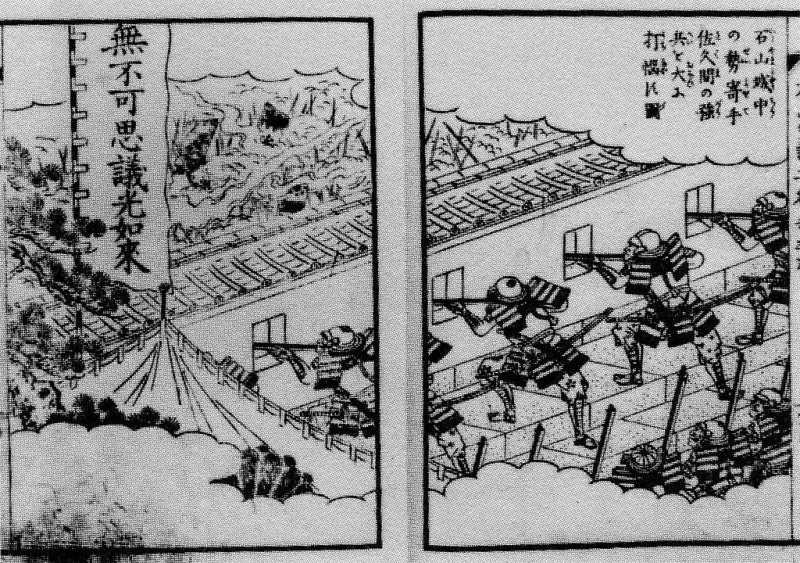
Ishiyama Hongan-ji was a fortified Buddhist temple complex in Japan, the stronghold of the Ikkō-ikki, a powerful movement of warrior monks, farmers and local nobles. The city of Osaka later grew up around the site.
Because of the movement’s political and military power, the warlord Oda Nobunaga, who was trying to unite Japan, began a siege in 1570. The defenders held out for around a decade, supplied by sea, until Nobunaga’s fleet cut off their supply routes. In 1580, the abbot surrendered after mediation by the emperor. Soon after, the complex was destroyed by fire. A few years later, Osaka Castle was built on its site.
2. The blockade of Philadelphia in Anatolia (until 1390)
The historic city of Philadelphia, today Alaşehir in western Turkey, was one of the last Byzantine cities in Asia Minor. In the 14th century, as almost all of Anatolia fell to the Turks, Philadelphia held out as an isolated Christian enclave for decades, surrounded by Turkish territory and repeatedly blockaded.
It finally fell in 1390 to the Ottoman sultan Bayezid I. Remarkably, the Byzantine emperor’s son, the future Emperor Manuel II, and his rival John VII had to take part in the capture of the city as vassals of the sultan, a humiliating symbol of how weak Byzantium had become.
1. The siege of Candia: 21 years (1648 to 1669)
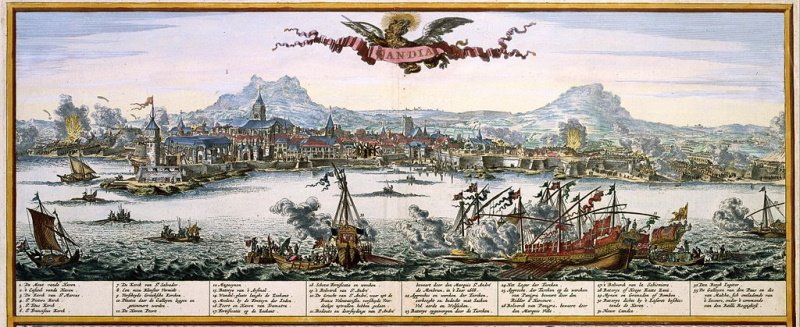
The undisputed record holder is the siege of Candia, today Heraklion, on Crete. The war for the island lasted around 25 years, and the siege of the city itself 21 years, from 1648 to 1669, making it one of the longest sieges in history.
Venice had ruled Crete for centuries. In 1644, the Knights of Malta attacked an Ottoman convoy and then sailed to Crete, which the Ottomans saw as a provocation. They invaded the island and soon laid siege to its capital. Because Venice controlled the seas for long periods, the city could be resupplied, while the Ottomans suffered heavy losses. After two decades of trench and mine warfare, which cost the lives of tens of thousands of soldiers, the Venetian commander finally surrendered in 1669, on terms that allowed the inhabitants to leave safely.