For thousands of years, people have told stories about heroes, monsters, lost treasures and magical places. Some legends faded away over time, but others refused to die and are still told today, in books, films and TV series.
These are ten famous legends that have been passed down for centuries, and what we know about the truth behind them.
1. El Dorado

In the 16th century, Spanish conquistadors heard stories in South America about a king covered in gold. According to the tale, he would cover himself in gold dust and wash it off in a sacred lake, while gold and emeralds were thrown into the water as offerings. This “golden man”, el hombre dorado in Spanish, gave the legend its name.
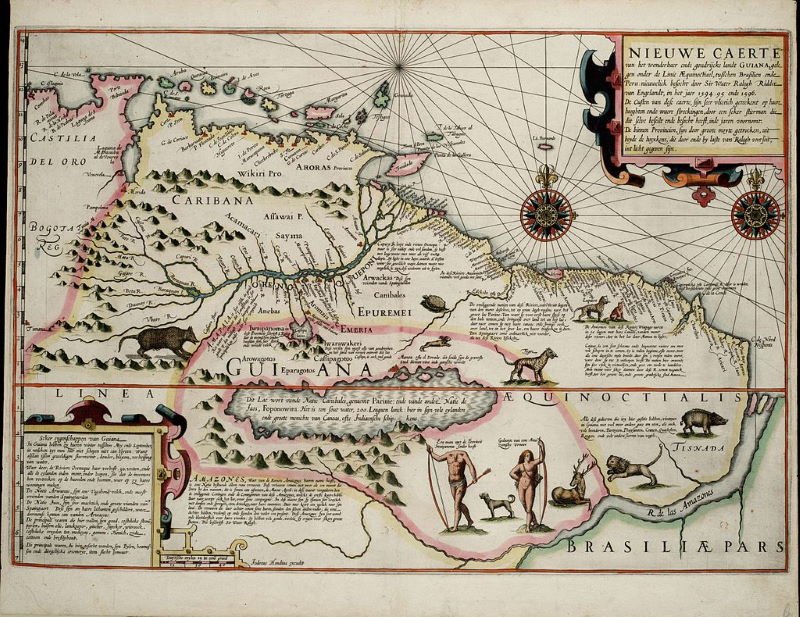
The story has a real origin: the Muisca people of what is now Colombia held such a ceremony at Lake Guatavita. But over time, the golden man grew into a golden city and even a whole golden kingdom. Spanish, English, German and other expeditions searched for it, including one led by Sir Walter Raleigh. Many explorers died, and no golden city was ever found.
2. Robin Hood

According to legend, this medieval English outlaw lived in Sherwood Forest in Nottinghamshire. He robbed rich nobles and churchmen and gave the loot to the poor, helped by his Merry Men, and was constantly chased by the Sheriff of Nottingham. Maid Marian only joined the story later.
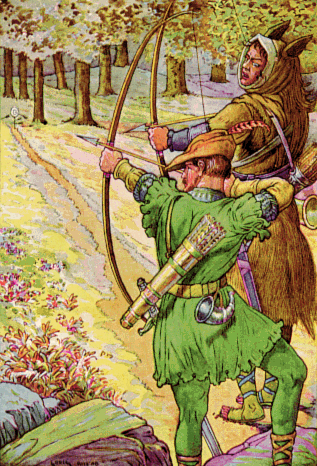
The earliest known mention of Robin Hood is in the poem Piers Plowman from around 1377. There is no historical proof he existed. The stories may have been inspired by several real outlaws. Fun fact: Nottingham still has a sheriff, but the role is purely ceremonial.
3. Lady Godiva
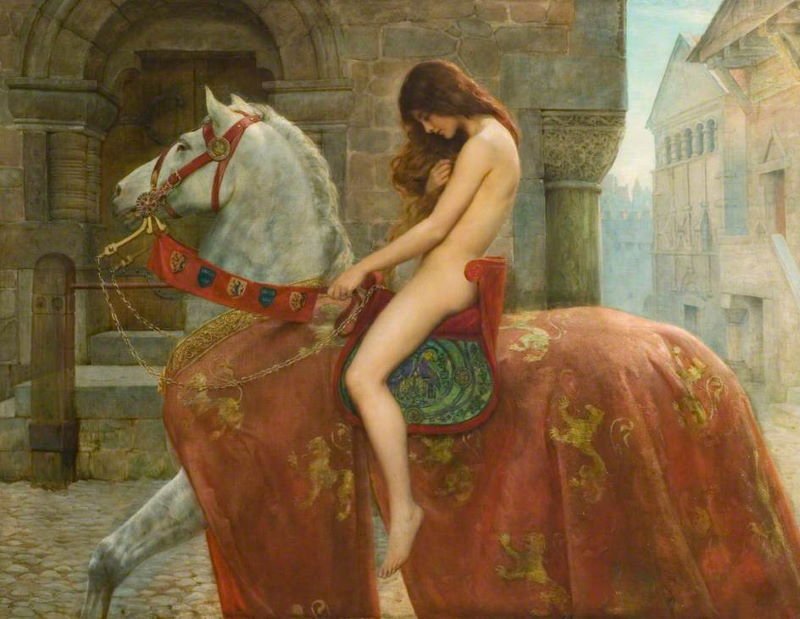
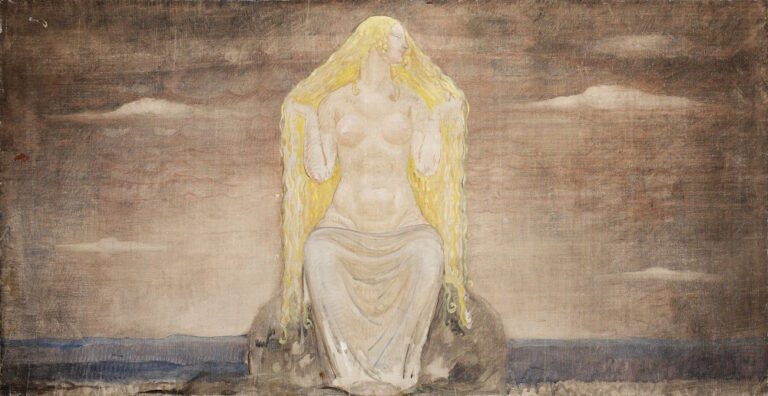
Lady Godiva was a real 11th-century noblewoman, the wife of Leofric, Earl of Mercia. According to legend, she begged her husband to lower the heavy taxes on the people of Coventry. He joked that he would do so if she rode naked through the town. She did exactly that, covered only by her long hair, and Leofric kept his word.
The story first appears in the writings of the chronicler Roger of Wendover, more than a century after her death. Later versions added that the townspeople were ordered to stay indoors and not look. Only a tailor named Tom peeked, and he was struck blind. That is where the English expression “Peeping Tom” comes from.
4. The Pied Piper of Hamelin
In 1284, according to the legend, the German town of Hamelin was plagued by rats. A piper in colorful clothes offered to get rid of them. He played his pipe, the rats followed him into the river Weser and drowned. But when the town refused to pay him, he returned and played again. This time the children followed him, and 130 of them were never seen again.
The rats were only added to the story in the 16th century, but the missing children may be based on something real. A stained glass window in Hamelin’s church, recorded around 1300, already referred to the event. Historians have suggested emigration to Eastern Europe, a disease, or a children’s crusade. Nobody knows for sure.
5. The Fountain of Youth
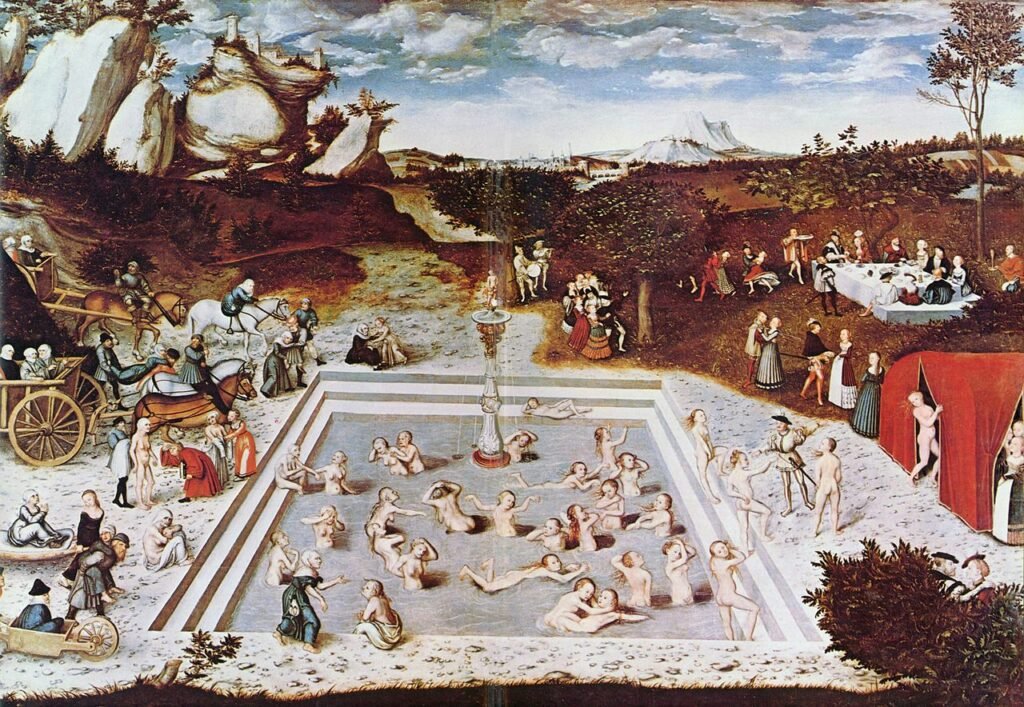
Stories about a spring whose water keeps you young forever are found all over the world. The Greek historian Herodotus already wrote about water that gave long life, and medieval tales had Alexander the Great searching for the water of life.
The legend is most famously linked to the Spanish conquistador Juan Ponce de León, who reached Florida in 1513. But that link was only made by chroniclers after his death; he was most likely looking for land and gold, not eternal youth.
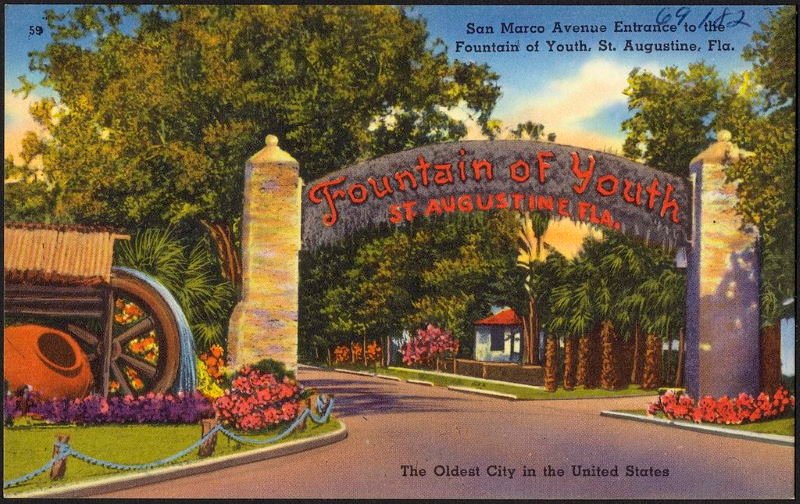
In St. Augustine, Florida, the Fountain of Youth Archaeological Park still welcomes visitors who drink from its spring. Unfortunately, nobody has stayed young as a result.
6. Bloody Mary
Bloody Mary is not just a cocktail, but also a ghost who, according to the legend, appears in mirrors. Stand in front of a mirror in a dark room with a candle and say her name three times, and she will appear. It is a classic sleepover dare among American teenagers.
Who she was supposed to be is unclear. In some versions she is a witch burned at the stake, in others a mother who lost or killed her children. Some link the name to Queen Mary I of England, who had hundreds of Protestants burned, but there is no evidence for that connection.
7. The Flying Dutchman
Sailors have long told stories about a ghost ship that can never make port and is doomed to sail the oceans forever. According to the legend, her captain swore he would round the Cape of Good Hope even if it took until Judgment Day. His wish was granted.
Seeing the ship was considered a sign of disaster. The legend appears in print from the late 18th century and inspired Richard Wagner’s opera The Flying Dutchman, as well as the ship in the Pirates of the Caribbean films. Sightings may have been caused by mirages, in which ships appear to float above the horizon.
8. Yamashita’s gold

Yamashita’s gold is said to be a huge hoard of gold and jewels looted by Japan across Southeast Asia during World War II. According to the legend, General Tomoyuki Yamashita had it hidden in caves and tunnels in the Philippines, planning to ship it to Japan after the war. That never happened.
Treasure hunters are still looking today, and some have died in collapsed tunnels. A few lawsuits about alleged finds made headlines, but most historians doubt the treasure ever existed on such a scale.
9. The Gordian Knot
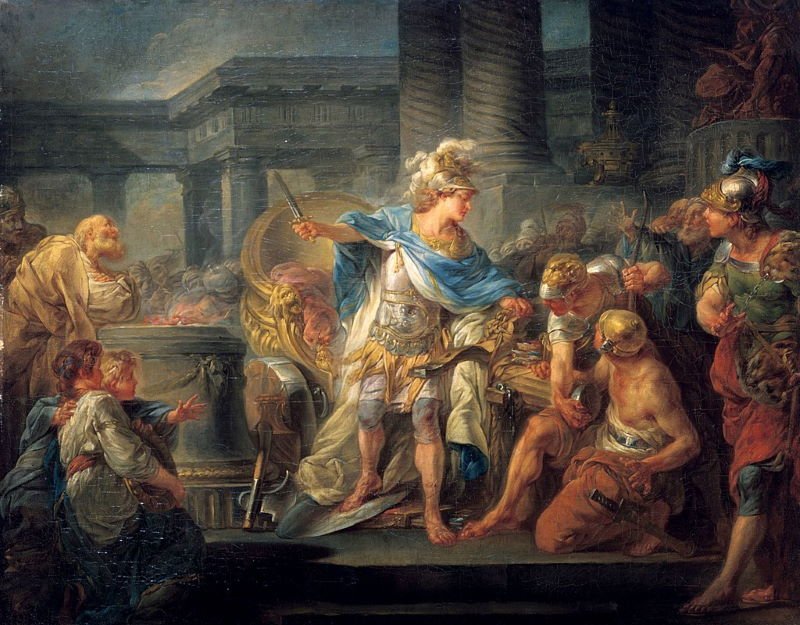
In the city of Gordium, capital of ancient Phrygia, stood an ox cart tied with an impossibly complicated knot. An oracle had predicted that whoever untied it would rule all of Asia.
When Alexander the Great came to Gordium in 333 BC, he tried and failed. Then he simply cut through the knot with his sword. In the years that followed, he did indeed conquer a huge part of the known world. To this day, “cutting the Gordian knot” means solving a difficult problem with a bold, direct move.
10. Prester John
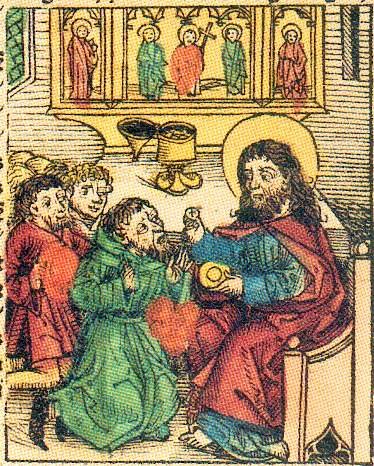
In the time of the Crusades, many Europeans believed that a powerful Christian king ruled a vast kingdom somewhere in the East. His name was Prester John, and he was said to be a descendant of one of the Three Wise Men. Europe hoped he would come to help the crusaders against the Muslims.
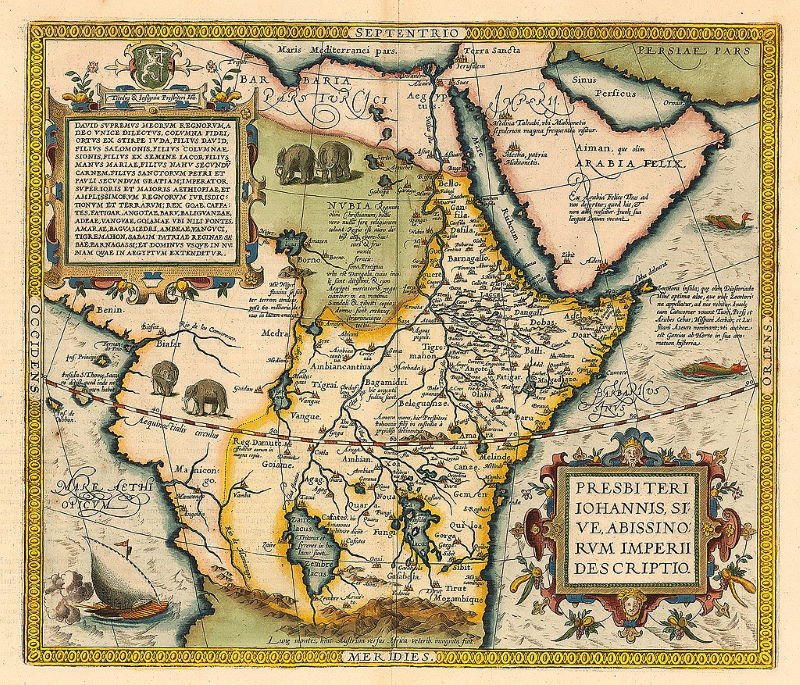
The story was first recorded by Bishop Otto of Freising in 1145, and around 1165 a forged letter from “Prester John” spread across Europe. Over the centuries, his kingdom was placed in India, Central Asia and finally Ethiopia, and it even appeared on 16th-century maps. There is no evidence he ever existed.