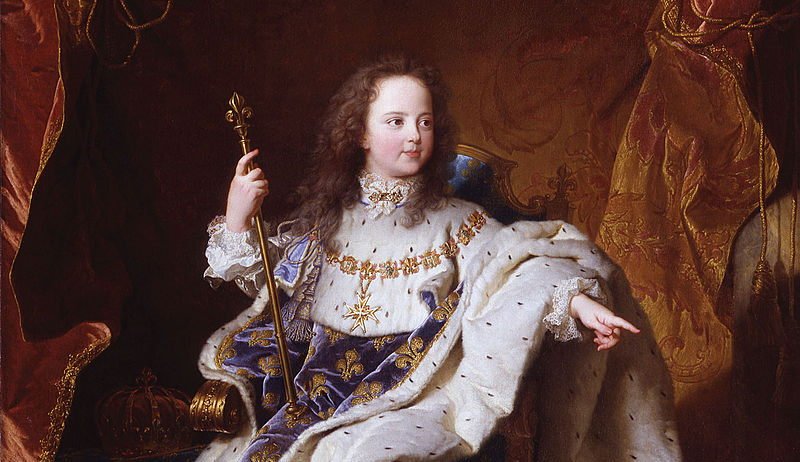
Imagine being a child and waking up with the weight of a kingdom on your shoulders. These young kings, queens and emperors experienced exactly that. Usually, adults ruled on their behalf at first, but the young rulers still grew up in a world of power struggles, intrigue and danger. These are ten rulers who came to power as children, from the youngest upwards.
1. Alfonso XIII of Spain, king from birth (1886)
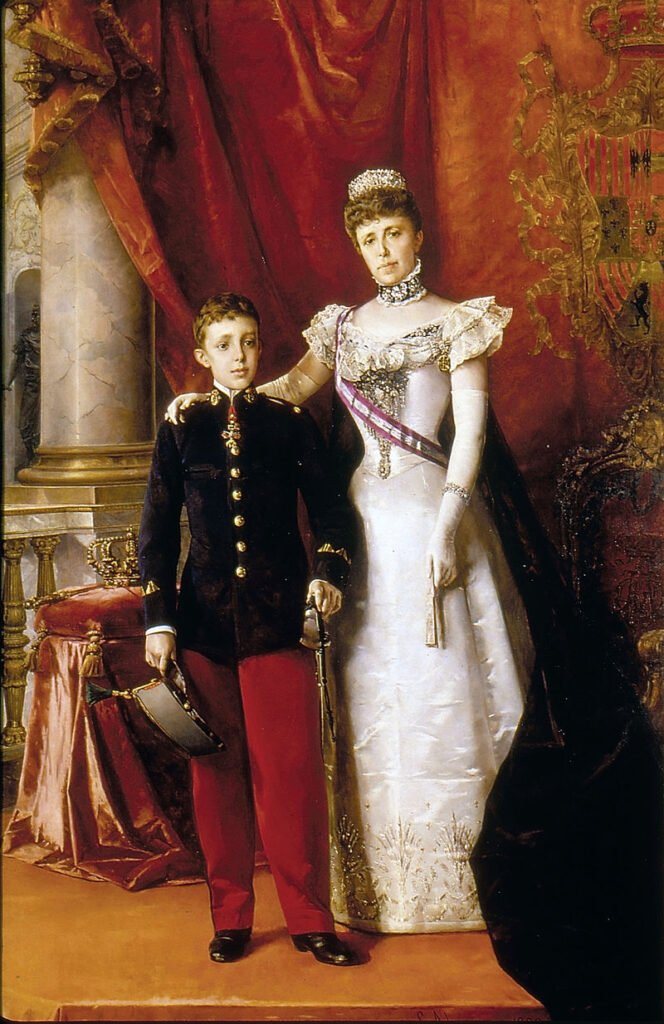
Alfonso XIII was king before he was even born. His father, King Alfonso XII, died in 1885 while his mother was pregnant, and when Alfonso was born in May 1886, he was immediately proclaimed king. His mother, Maria Christina of Austria, ruled as regent until he came of age at 16.
His reign was marked by political instability, social unrest and military defeats. In 1923, he accepted the military dictatorship of Miguel Primo de Rivera, which badly damaged his reputation. In 1931, after republican parties won local elections, he left Spain, and the Second Spanish Republic was proclaimed. He died in exile in Rome in 1941.
2. Mary, Queen of Scots, six days old (1542)
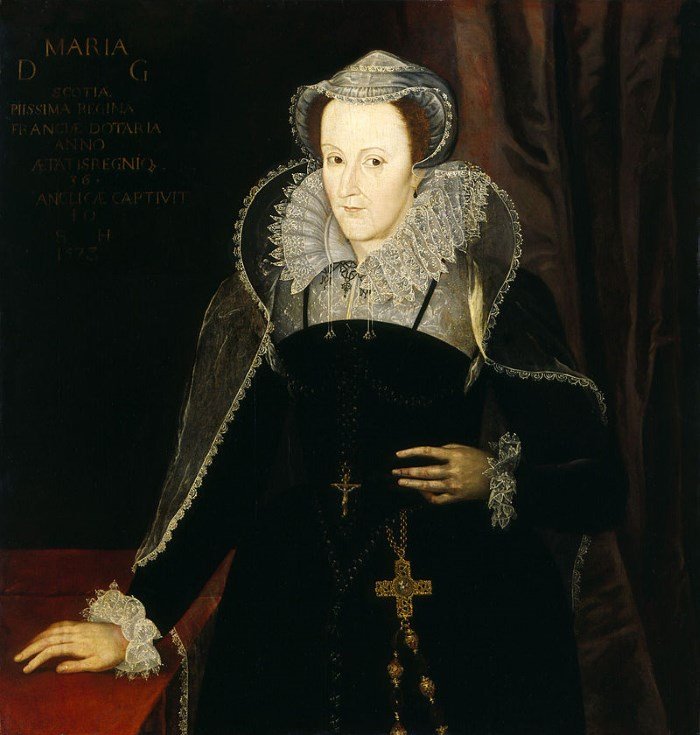
Mary Stuart became Queen of Scotland when she was only six days old, after the death of her father, King James V. She was crowned at nine months old. As a child, she was sent to France, where she grew up at the French court and briefly became Queen of France as the wife of King Francis II.
When she returned to Scotland as a young widow, she found a country torn by religious conflict and political intrigue. After a series of scandals, including the murder of her second husband, she was forced to abdicate and fled to England. There, her cousin Queen Elizabeth I kept her prisoner for 19 years, and in 1587, after being implicated in a plot against Elizabeth, she was executed.
3. Puyi, the last emperor of China, two years old (1908)
Puyi became emperor of China in 1908, at the age of just two. During his coronation, he reportedly cried so much that his father whispered that it would soon be over, words later seen as an omen. In 1912, during the Xinhai Revolution, he was forced to abdicate, ending more than two thousand years of imperial rule.
His later life was extraordinary: he was briefly restored to the throne for 12 days in 1917, became the puppet ruler of the Japanese state of Manchukuo in the 1930s, was imprisoned by the Soviets and the Chinese communists after the war and spent his final years as an ordinary citizen working as a gardener and archivist in Beijing. He died in 1967. His life was told in the Oscar-winning film The Last Emperor.
4. Ivan IV, “the Terrible”, three years old (1533)
Ivan IV became Grand Prince of Moscow in 1533, at the age of three, after the death of his father, Vasili III. His childhood was dominated by brutal power struggles between noble families, the boyars, which may have shaped his later paranoia. At 13, he reportedly had one of the leading boyars thrown to the dogs.
In 1547, he was crowned the first Tsar of All Russia. His reign was marked by conquests, but also by terror: with his Oprichnina, a kind of secret police, he had thousands of people killed, including during the massacre of Novgorod in 1570. In a fit of rage, he even struck and killed his own son and heir in 1581. He married at least six or seven times.
5. Louis XV of France, five years old (1715)
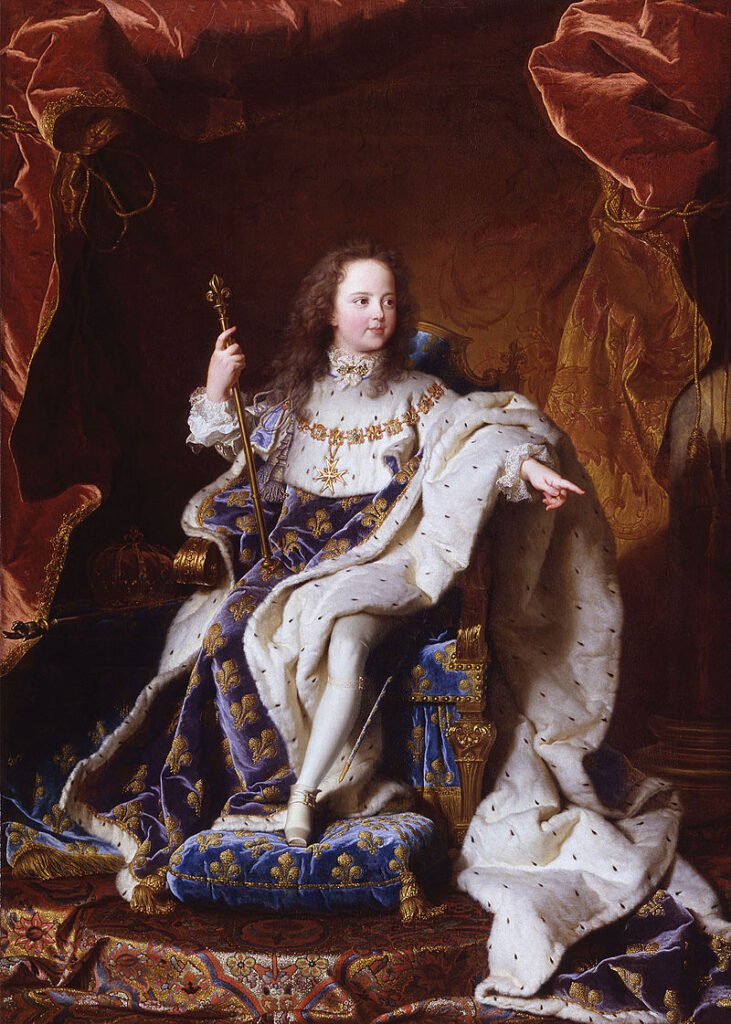
Louis XV became King of France in 1715, at the age of five, after the death of his great-grandfather Louis XIV, the Sun King. Several of the heirs between them had died of disease, and the young Louis himself had survived measles that killed his parents and older brother. At first, regents ruled on his behalf.
Louis XV became known as “the Beloved”, but also for his many mistresses, including the famous Madame de Pompadour, and his extravagant lifestyle. France lost costly wars during his reign, and growing financial problems and discontent contributed to the French Revolution, which broke out 15 years after his death.
6. Christina of Sweden, six years old (1632)
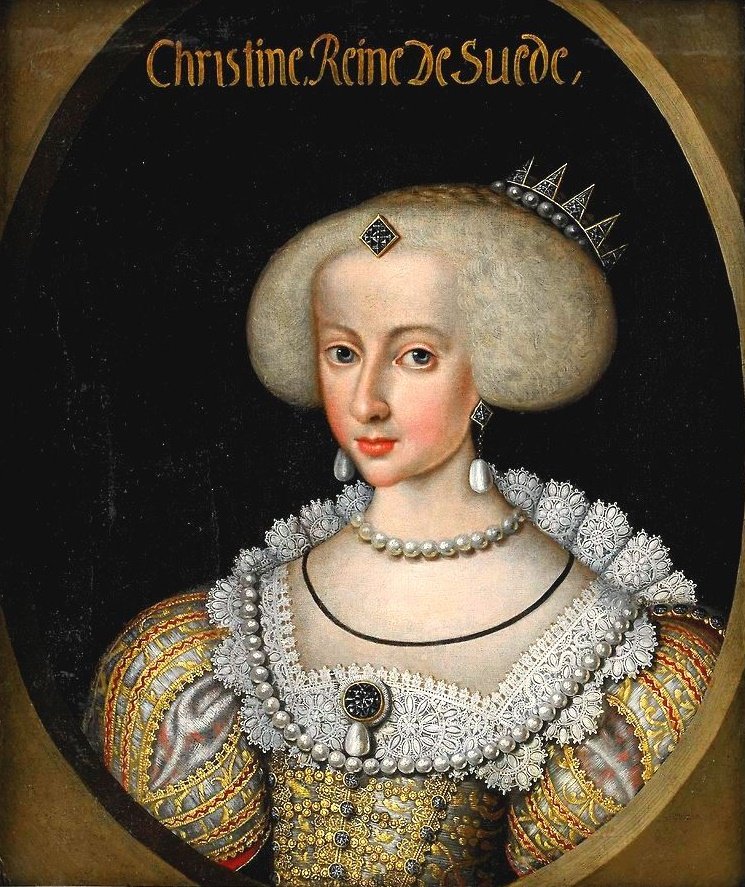
Christina became Queen of Sweden in 1632, at the age of six, after her father, King Gustavus Adolphus, was killed in battle during the Thirty Years’ War. She was raised as a prince rather than a princess, received an excellent education and grew into one of the most learned women of her time, inviting scholars such as the philosopher René Descartes to her court.
But she refused to marry, and in 1654, at the age of 27, she shocked Europe by giving up her throne. She converted to Catholicism, a sensation for the queen of a Protestant country, and moved to Rome, where she became an important patron of art, music and science. She is one of only a few women buried in St. Peter’s Basilica.
7. Tutankhamun, around nine years old (around 1332 BC)
Tutankhamun became pharaoh of Egypt at around eight or nine years old. His father was probably the controversial pharaoh Akhenaten, who had tried to replace Egypt’s traditional gods with the worship of a single sun god, the Aten. Under Tutankhamun, or rather his advisers, the old religion was restored and the capital moved back from Akhenaten’s new city.
His reign was short: he died at around 19, possibly due to an infection after a broken leg, combined with malaria. He would probably have been largely forgotten, if Howard Carter had not discovered his almost intact tomb in 1922, making him the most famous pharaoh of all.
8. Edward VI of England, nine years old (1547)
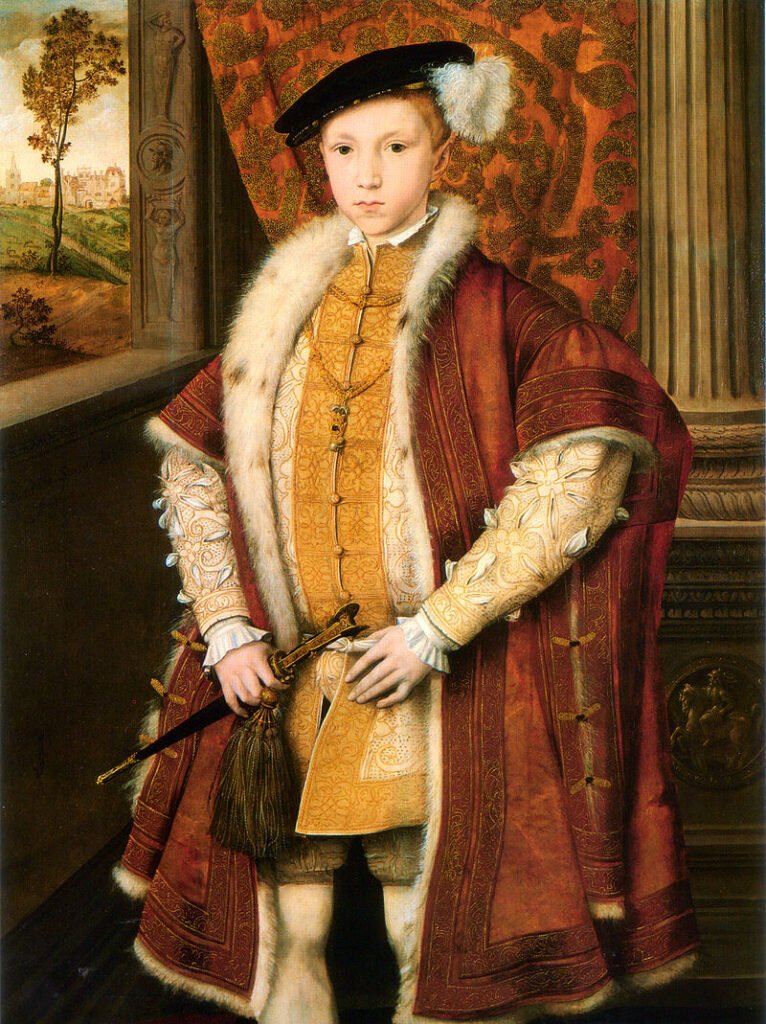
As the long-awaited son of King Henry VIII and his third wife, Jane Seymour, Edward VI became King of England in 1547 at the age of nine. The country was governed by his uncles and advisers, who used his reign to push England further towards Protestantism. Under his rule, the first Book of Common Prayer was introduced.
Edward was intelligent and studious, but his life was short. He died in 1553 at the age of 15, probably of tuberculosis. He tried to prevent his Catholic half-sister Mary from succeeding him by naming his cousin Lady Jane Grey as heir, but she was queen for only nine days before Mary took the throne.
9. Peter the Great, ten years old (1682)
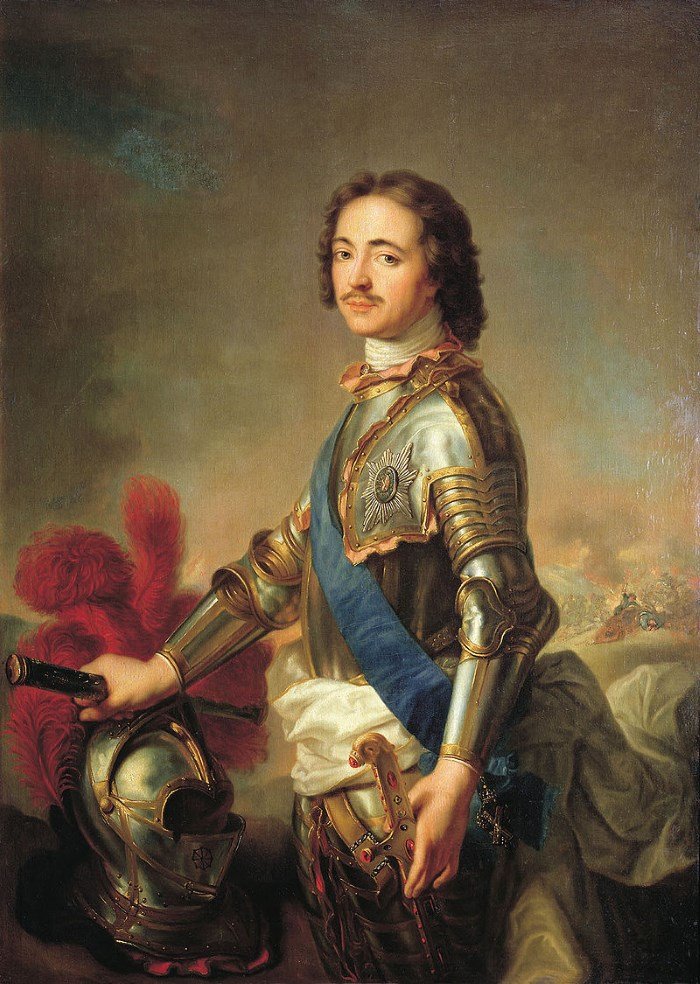
Peter I became tsar of Russia in 1682, at the age of ten, initially together with his half-brother Ivan V, while his half-sister Sophia ruled as regent. As a child, he witnessed a bloody uprising in which members of his family were killed in front of him.
Once in power, he set out to modernize Russia along Western European lines. He even traveled through Europe in disguise, worked as a shipbuilder in the Dutch town of Zaandam, founded the Russian navy, reformed the army and the state and built a new capital, Saint Petersburg. And he was “Great” in more ways than one: he stood around two meters tall.
10. Jigme Singye Wangchuck of Bhutan, sixteen years old (1972)
Jigme Singye Wangchuck became the fourth king of Bhutan in 1972, at the age of 16, at the time the youngest monarch in the world. He became famous for introducing the concept of Gross National Happiness, the idea that a country’s progress should be measured not only by economic growth, but also by the well-being of its people, its culture and its environment.
Under his rule, Bhutan made great progress in education and health care. In 2006, he voluntarily stepped down in favor of his son, and he led the country’s transition to a democratic constitutional monarchy, with its first elections in 2008.