Long before natural history museums cataloged the fauna of the earth, ancient civilizations populated uncharted wildernesses with legendary beasts. Blending empirical observations of exotic animals with primal fears and spiritual ideals, these creatures became fixtures of global folklore, religious scriptures, and heraldry.
Scholars at the World History Encyclopedia note that mythical beasts often mirrored human anxieties over untamed wilderness and oceanic depths. Here are the 10 most famous mythical beasts and legendary animals in human history.
10. The Phoenix, the Firebird of Rebirth
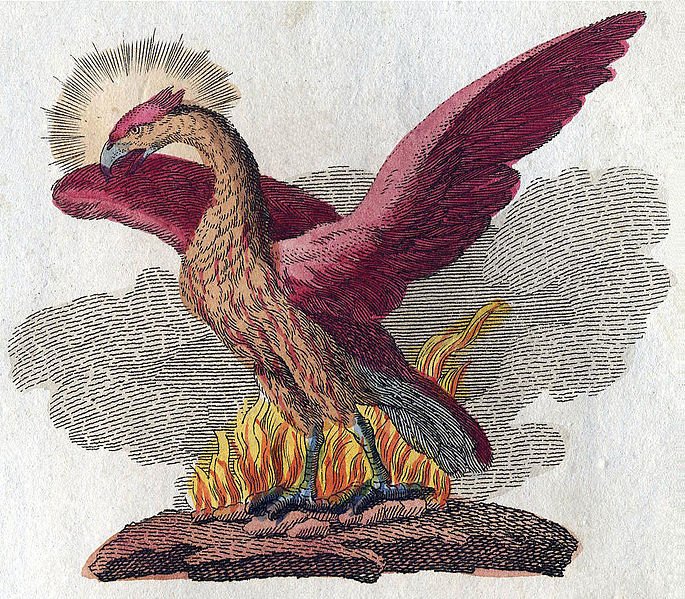
Revered in Egyptian, Greek, and Persian mythologies, the Phoenix was a magnificent bird with crimson and gold plumage associated with the sun. Living for five centuries, the solitary bird constructed a fragrant nest of cinnamon branches, frankincense, and myrrh when sensing its end.
Ignited by the sun rays, the nest and bird burned to white ash, from which a young, lively phoenix arose anew. Early Christian bestiaries embraced the phoenix as an enduring emblem of resurrection and spiritual renewal.
9. The Centaur, the Dual Nature of Man
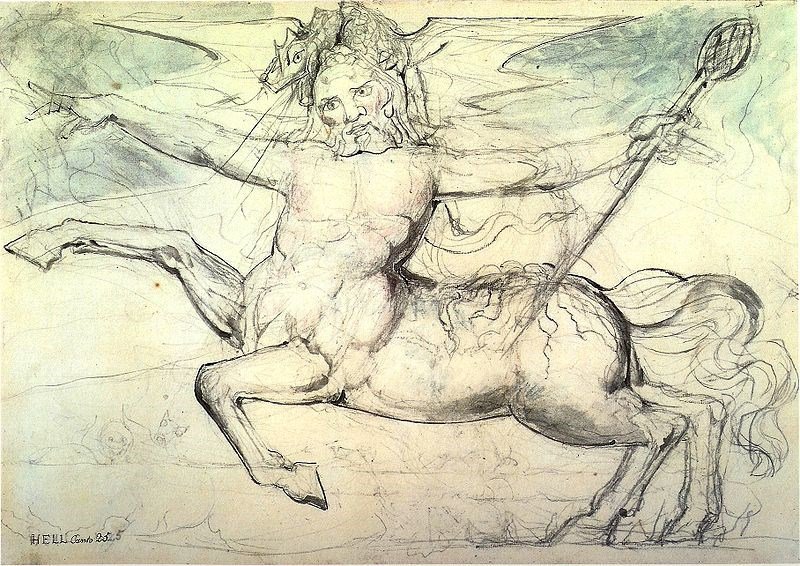
Combining the torso and arms of a human with the muscular body and four legs of a stallion, centaurs galloped through the pine forests of Mount Pelion in ancient Greece. Renowned for raw physical stamina and archery, they embodied the eternal tension between civilized restraint and wild impulses.
While most centaurs were prone to drunken brawls, their elder mentor Chiron was celebrated for profound herbal medicine, philosophy, and music, serving as the trusted tutor of Achilles and Jason.
8. The Mermaid, Maiden of the Open Sea
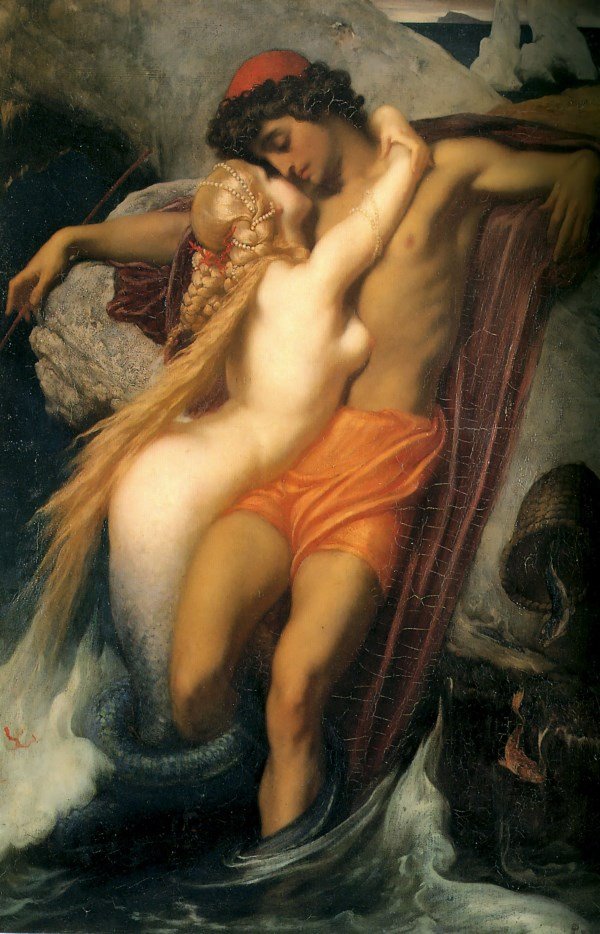
From Polynesian atolls to Scandinavian fjords, folklore across every maritime nation features mermaids, creatures possessing the head and torso of a beautiful woman and the scaly tail of a fish. Originating with the ancient Syrian goddess Atargatis, they were viewed as protectors and omens.
Seafarers believed that sighting a mermaid combing her green hair atop a wave portended violent storms, while rescuing a trapped mermaid could reward sailors with miraculous cures or safe winds.
7. The Leviathan, Titan of the Deep Ocean
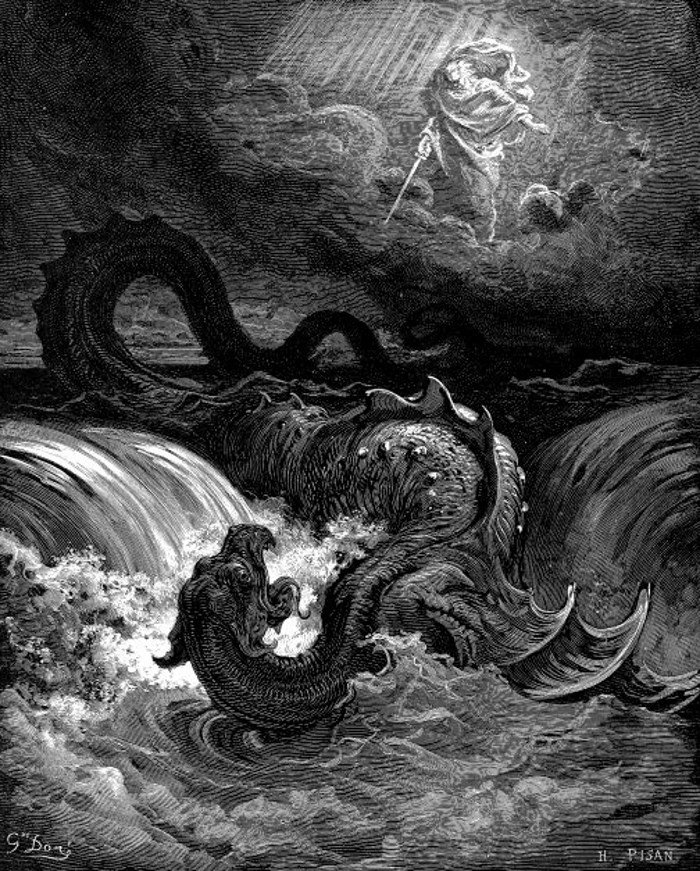
Chronicled in the Hebrew Bible and ancient Canaanite poetry, the Leviathan was an enormous armored sea serpent representing primordial watery chaos. Described in the Book of Job, its iron hard interlocking scales deflected spears, and its thrashing tail turned the ocean surface into boiling froth.
In medieval theology, the Leviathan became one of the seven princes of Hell, personifying envy, whose yawning jaws symbolized the gateway to the underworld.
6. The Dragon, Sovereign of Mythic Serpents
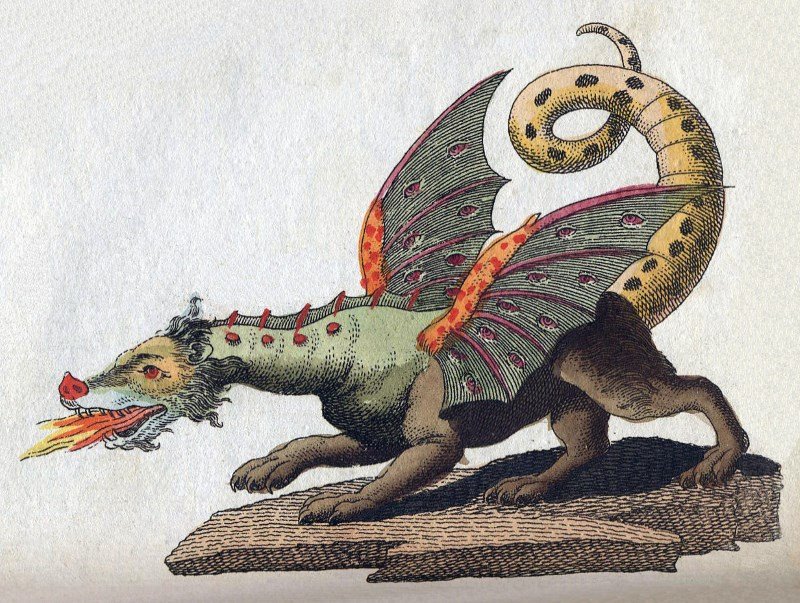
No mythical creature captured global imagination quite like the dragon. In Western folklore, dragons were winged, fire breathing behemoths hoarding cursed treasure in dark mountain caverns, challenging knights to mortal combat.
Conversely, Eastern dragons were celestial, wingless water deities commanding seasonal rainfall, clouds, and prosperity. Across both traditions, the dragon stood as the ultimate symbol of supreme primordial majesty.
5. Pegasus, the Winged Stallion of the Clouds
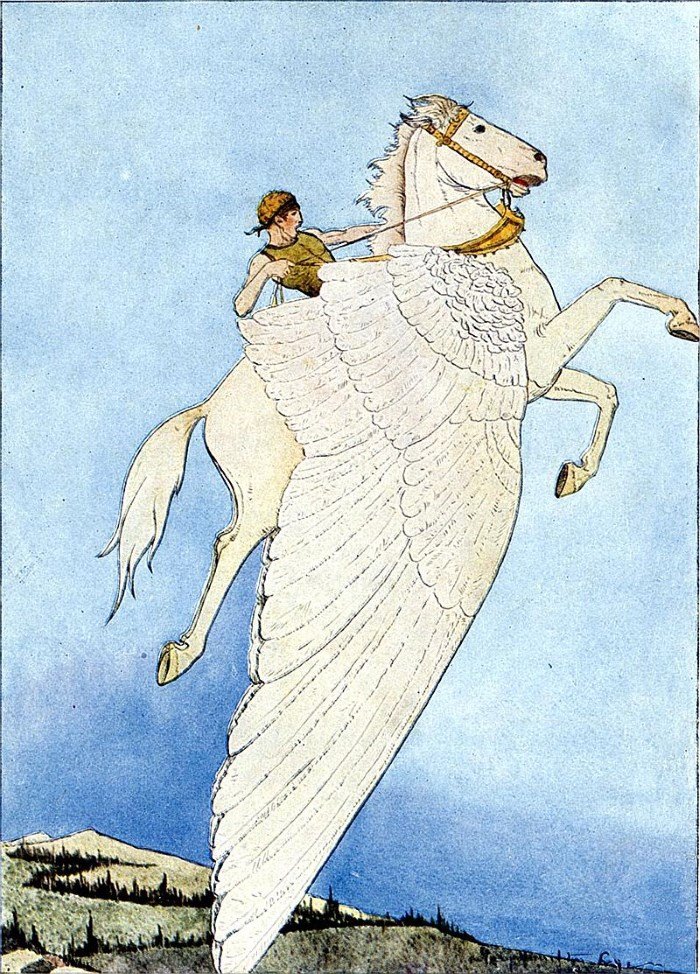
Sprung from the severed neck of Medusa, Pegasus was a pure white winged stallion whose hooves struck Mount Helicon, opening the Hippocrene spring that nourished poetic inspiration. He soared across storm clouds with supreme agility.
Mounted by hero Bellerophon, Pegasus flew into battle to defeat the Chimera before taking his permanent place in the night sky as a glittering constellation.
4. The Siren, Predatory Singer of the Reefs
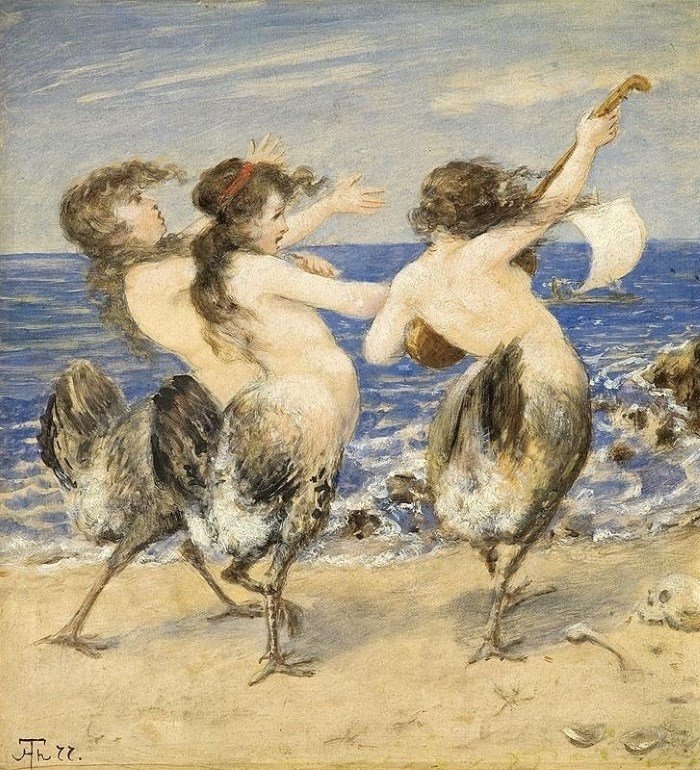
Originally depicted in ancient Greek pottery as birds with human female heads, the Sirens inhabited jagged offshore reefs in the Mediterranean. Their acoustic melodies possessed hypnotic power over helmsmen, compelling sailors to steer wooden ships onto sharp rocks.
Odysseus survived their lethal trap by stopping his crew ears with melted beeswax while binding himself firmly to his ship mast to hear their enchanting song without perishing.
3. The Hydra of Lerna, Multi Headed Serpent
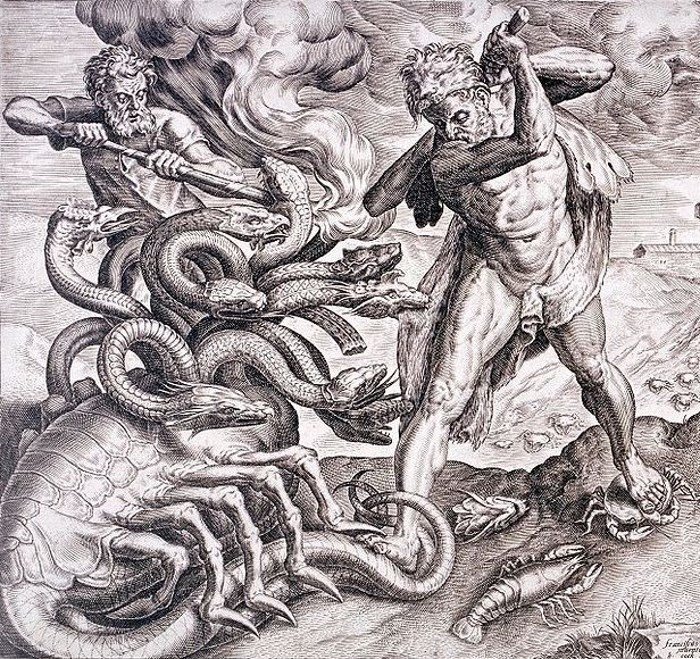
Lurking in the stagnant marshes of Lerna, the Hydra was an aquatic monster possessing multiple regenerative heads. Severing one head caused two more to sprout immediately from the bleeding stump, while its venomous breath could wither crops and kill cattle.
Hercules vanquished the monster during his second labor by having his nephew Iolaus cauterize each severed neck with burning torches before burying the immortal central head beneath a heavy stone boulder.
2. The Sphinx, Guardian of Riddle and Stone
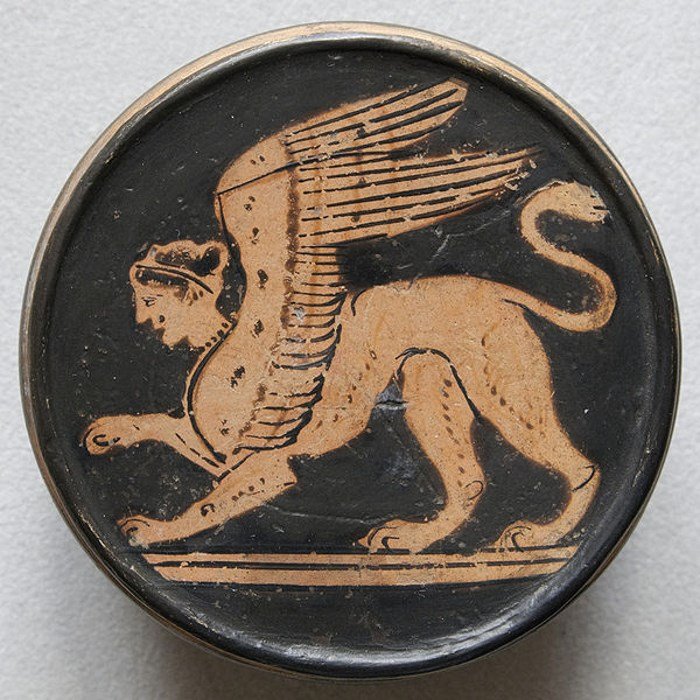
Blending the muscular body of a crouching lion with the head of a human, the Sphinx guarded sacred royal tombs in ancient Egypt and the gates of Thebes in Greece. The Egyptian Sphinx represented serene royal wisdom and divine solar power.
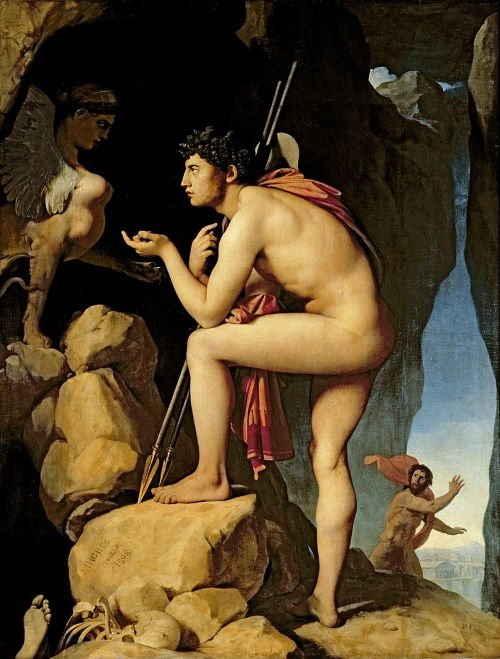
In Greece, the winged female Sphinx demanded that travelers solve her famous riddle of human aging. When Oedipus provided the correct solution, the creature cast herself from the rocks, defeated by human intellect.
1. The Unicorn, Symbol of Purity and Grace
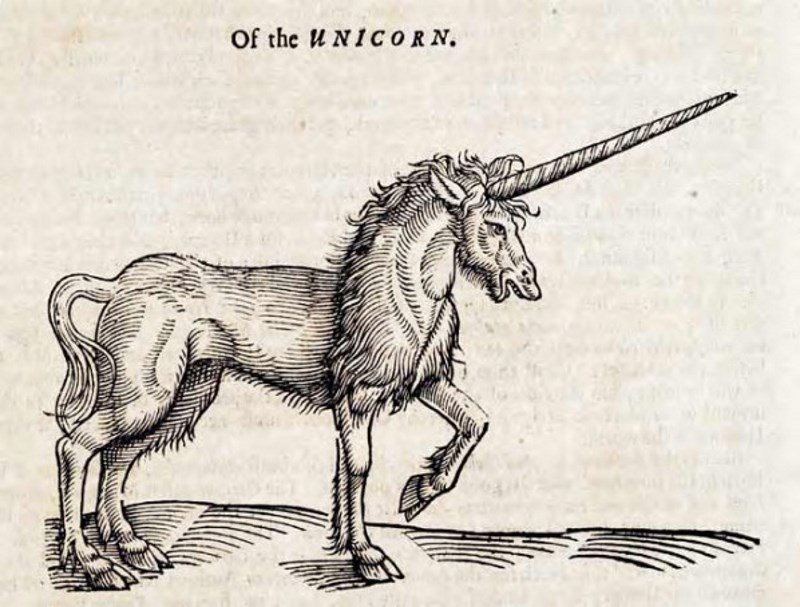
Holding the top rank among legendary animals, the unicorn was described as a slender white horse possessing a single spiraled horn upon its forehead. Medieval naturalists believed the creature was wild and untamable, yet would gently rest its head in the lap of a pure maiden.
As explored in medieval bestiaries documented at Britannica Zoology and Folklore, unicorn horn (alicorn) was valued above gold for its supposed ability to neutralize deadly poisons, making it a prominent heraldic beast across European royal coats of arms.
Conclusion
Mythical animals endure because they capture humanity fascination with the mysteries of the natural kingdom. By combining features of real wildlife with supernatural abilities, ancestral cultures constructed symbols for fear, beauty, and noble aspirations.
Whether galloping across heraldic banners or starring in modern fantasy epics, these legendary beasts continue to spark wonder across generations.