The Industrial Revolution began in Great Britain in the second half of the 18th century and changed the world more than almost any other event in history. The term describes the shift from an economy based on farming and handwork to one based on machines, factories and mass production.
When people hear “Industrial Revolution”, they think of steam engines, smoking chimneys and workers in grim factories. All true, but it also laid the foundations of the modern world we live in today. These are ten interesting facts about this turbulent period.
10. It all started with cotton
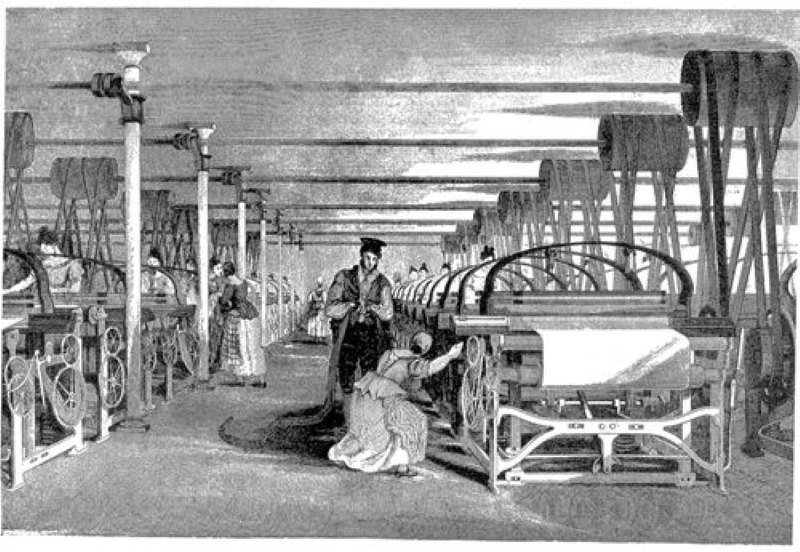
In the 18th century, demand for cotton fabrics grew rapidly. Britain traditionally produced wool, but cotton was lighter, cheaper and easier to dye. Raw cotton could not be grown in the British climate, so it was imported, first largely from India and later mainly from the slave plantations of the American South.
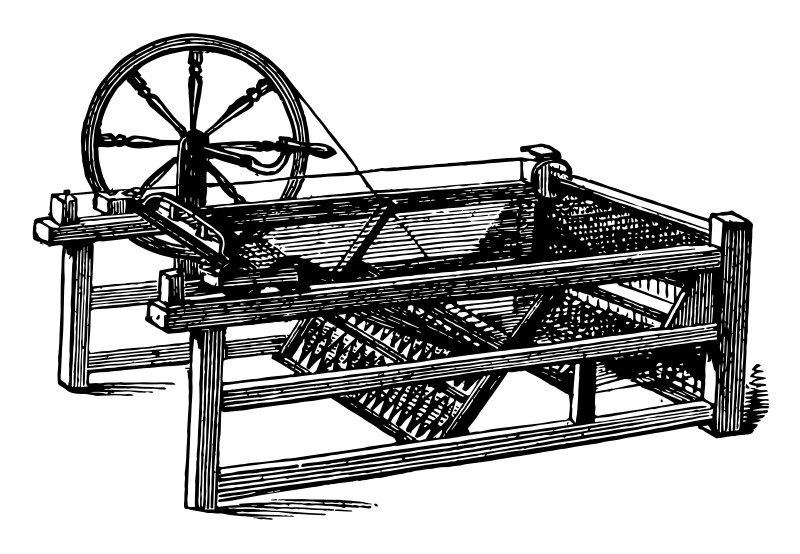
A series of inventions transformed the cotton industry. Around 1764, James Hargreaves invented the spinning jenny, a hand-powered spinning machine that could spin eight threads at once. In 1769, Richard Arkwright patented the water frame, a large spinning machine driven by water power. Soon, cotton was spun and woven in large mills by machines instead of by hand in people’s homes.
9. Britain tried to keep its machines secret
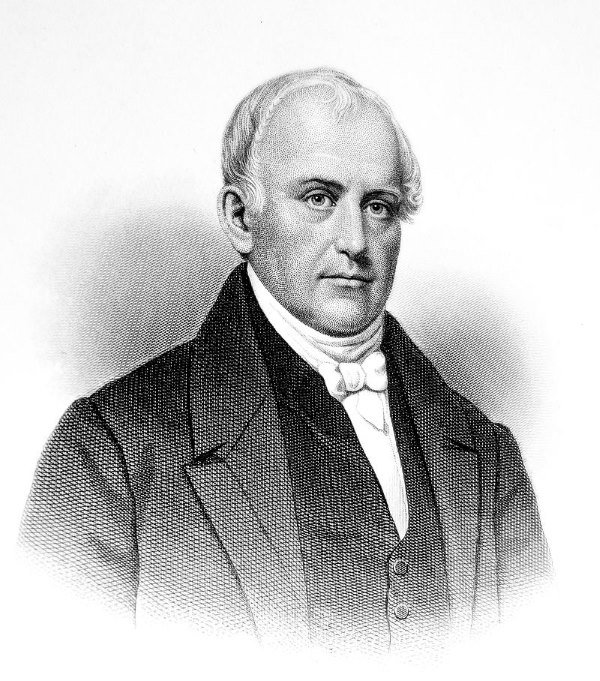
Britain was the first country to industrialize, and it tried hard to keep it that way. It was illegal to export textile machinery or the plans for it, and skilled mill workers were not allowed to emigrate. Samuel Slater worked in English cotton mills as a young man and memorized how the machines were built. In 1789, at the age of 21, he sailed to the United States disguised as a farm laborer and built America’s first successful water-powered cotton mill. Americans call him “the father of the American Industrial Revolution”, while in Britain he was nicknamed “Slater the Traitor”.
8. It turned Britain into a world power
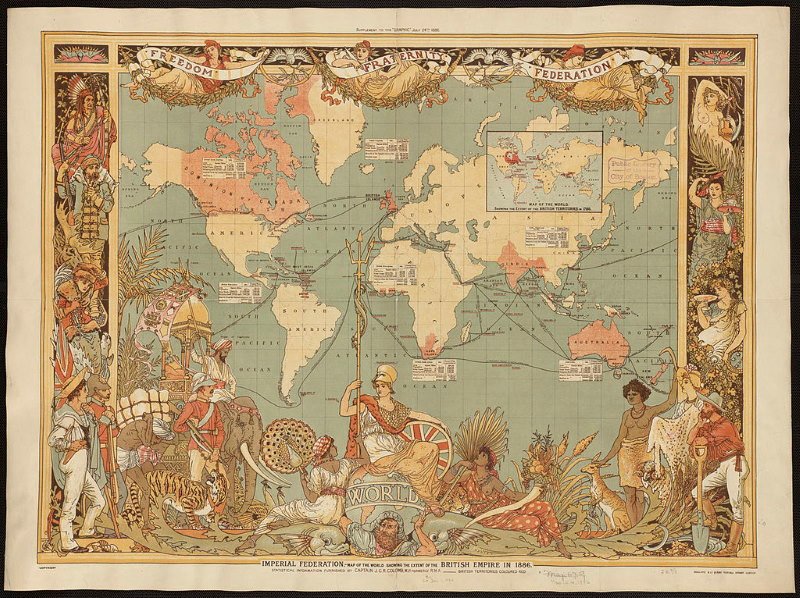
The Industrial Revolution made Britain enormously rich and gave it a technological lead over the rest of the world. In the 19th century, it became known as “the workshop of the world”. Its wealth, factories and powerful navy helped it build an empire “on which the sun never set”, with colonies on every continent. At its greatest extent, shortly after the First World War, the British Empire covered about a quarter of the world’s land surface.
7. Farmers became factory workers

Before the Industrial Revolution, most people lived in the countryside and worked on farms or in small workshops. Small-scale craftsmen could not compete with mass production in factories, and new farming methods required fewer workers. Millions of people moved to the cities to work in the mills. Instead of following the rhythm of the seasons, they now had to keep up with the pace of the machines, often for twelve hours a day or more, six days a week. Cities such as Manchester grew explosively.
6. It ran on new technology
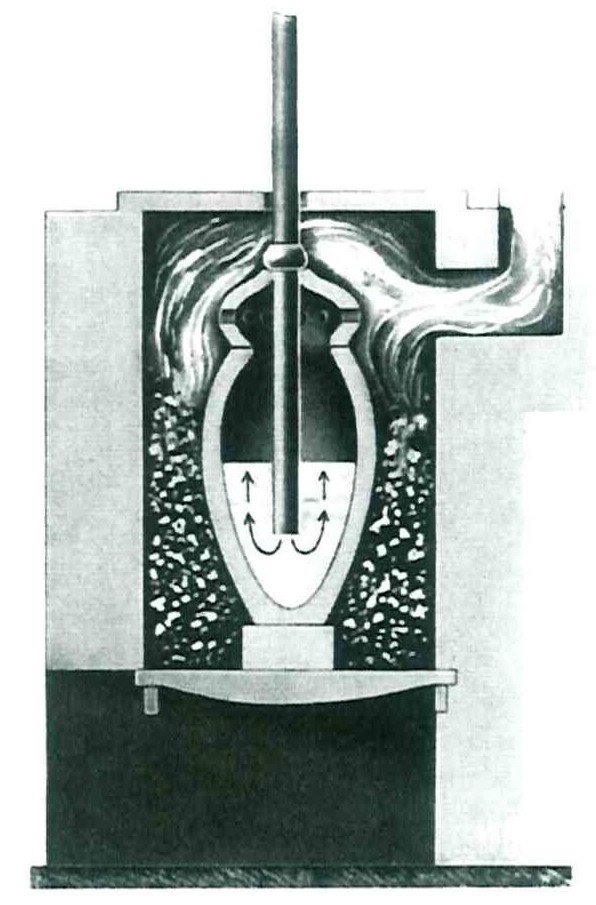
The Industrial Revolution was driven by a constant stream of new inventions. Steam engines meant that factories no longer had to be built next to rivers for water power. In 1793, American Eli Whitney’s cotton gin made it much faster to separate cotton fibers from the seeds, which made cotton growing hugely profitable, and tragically increased the demand for enslaved labor in the American South. In 1856, Henry Bessemer introduced a process to make steel cheaply and in large quantities, which made possible everything from railways to skyscrapers.
5. The steam engine changed everything
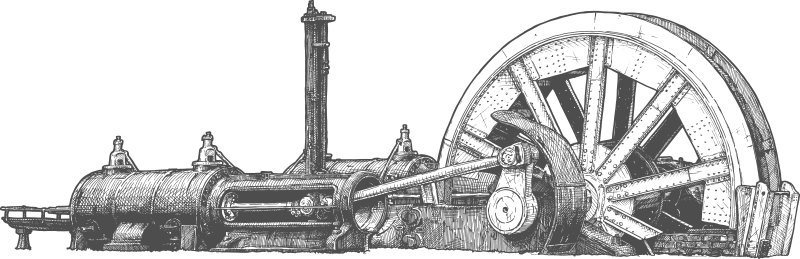
Almost everyone agrees that the steam engine was the driving force behind the Industrial Revolution. Thomas Savery patented a steam pump in 1698, and in 1712 Thomas Newcomen built the first practical steam engine, used to pump water out of mines. While repairing a model of a Newcomen engine at the University of Glasgow in the 1760s, James Watt realized how wasteful it was. His separate condenser made steam engines far more efficient, and later improvements allowed them to produce a rotating motion that could drive machines. It did not take long before steam locomotives were running on the first railways: the Liverpool and Manchester Railway opened in 1830.
4. Power shifted to the industrialists
Before the Industrial Revolution, power in Britain lay mainly with wealthy landowners. Factory owners, bankers and merchants now made enormous profits, which they reinvested in more factories, mines and railways. This system of private ownership and investment for profit is called capitalism. Gradually, the new industrial middle class gained more and more political influence, and the old landed aristocracy lost its dominance.
3. It led to socialism and the labor movement

While factory owners grew rich, workers often lived in poverty, in overcrowded slums, and worked in dangerous conditions for low wages. Children worked too, sometimes from the age of five or six, in mills and mines. Britain’s Factory Act of 1833 banned children under nine from working in textile mills, a sign of how common it had been.
Thinkers such as Karl Marx and Friedrich Engels, who saw the conditions in Manchester with his own eyes, argued that capitalism exploited the working class. Their ideas inspired the socialist and communist movements. Trade unions fought for better wages and shorter working days, and step by step, laws were introduced to protect workers and ban child labor.
2. Pollution on an unprecedented scale
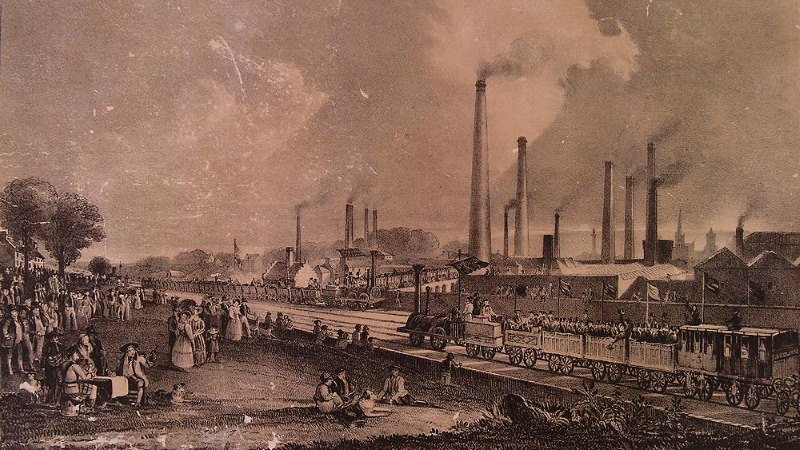
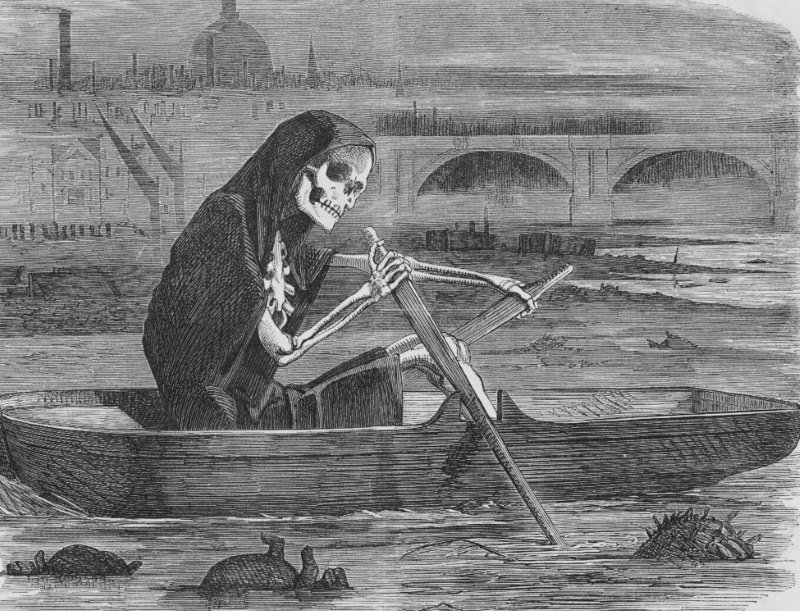
Steam engines ran on coal, and burning coal caused air pollution on a scale never seen before. Industrial cities were often covered in thick smog, and waste was dumped in rivers and canals. In London, the problem came to a head during the hot summer of 1858, when the stench of the sewage-filled Thames became so unbearable that it was called the Great Stink. Parliament finally approved engineer Joseph Bazalgette’s plan for a modern sewer system, which is still in use today.
The Industrial Revolution also marked the start of the large-scale burning of fossil fuels, and with it the rise in carbon dioxide in the atmosphere that drives today’s climate change.
1. It created the modern world
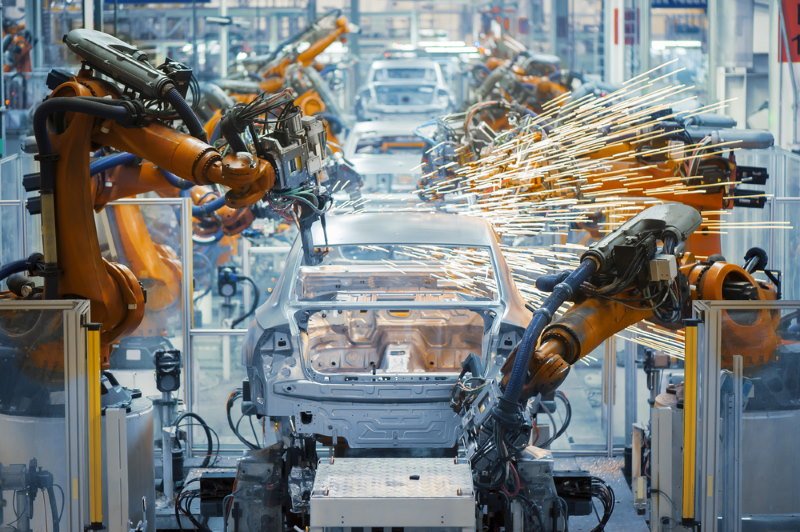
We take mass-produced goods for granted: food, medicine, clothing, cars, computers and furniture are all made in factories in huge quantities. That way of producing began during the Industrial Revolution. Over time, it led to a huge rise in living standards and life expectancy in much of the world, though not without great costs to workers, colonized peoples and the environment. In many ways, we are still living with the consequences of the changes that started in those British cotton mills.