Global inflation, supply chain bottlenecks, and severe housing shortages have driven urban living costs to record heights in recent years. For expatriates, business executives, and residents alike, maintaining a comfortable household in a premier international destination requires substantial capital.
Annual survey data published by the Economist Intelligence Unit evaluates more than two hundred individual products and services across major metropolises worldwide, from grocery items and private transportation to utility tariffs and recreational dining. Complementary global data from the Numbeo Cost of Living Index tracks localized rent and consumer indices. While currency fluctuations can shift rankings from year to year, select global financial capitals consistently dominate the top tier. Here are the ten most expensive cities in the world to live in.
10. George Town (Cayman Islands)
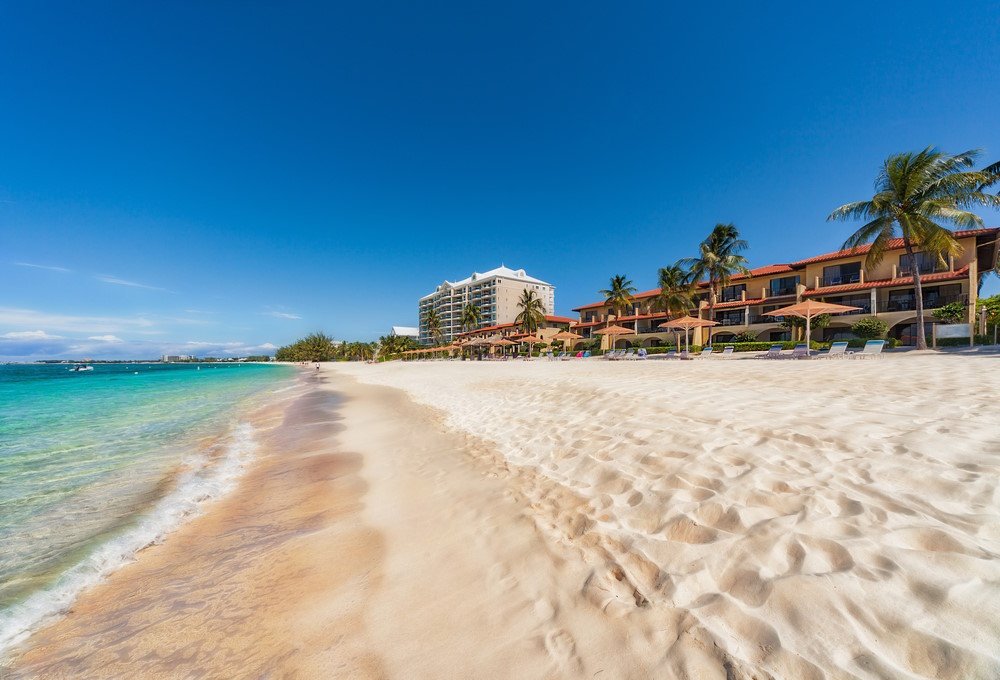
George Town, the capital of the Cayman Islands, is a renowned offshore banking jurisdiction with zero direct income, corporate, or capital gains taxes.
However, that tax-neutral status comes with exceptionally high consumption expenses. Because the small island imports nearly all consumer goods, heavy customs duties inflate prices for groceries, vehicles, and building materials, while limited beachfront land keeps residential rents sky-high.
9. San Francisco (United States)
San Francisco serves as the corporate gateway to Silicon Valley, the global center of venture capital and tech development.
Decades of lucrative stock compensation have flooded the local economy with high-earning software professionals. Constrained by geography on a narrow peninsula and governed by strict zoning restrictions, housing costs in the city remain among the steepest in North America, with median home prices routinely exceeding one million dollars.
8. Los Angeles (United States)
Sprawling across southern California, Los Angeles is the entertainment capital of the world and a major Pacific trading center.
Residents face high vehicle insurance premiums, elevated fuel taxes, and substantial state income tax rates. Competition for prime real estate across coastal neighbourhoods like Santa Monica and Beverly Hills drives up rental and mortgage expenses across the wider metropolitan basin.
7. Hamilton (Bermuda)

Hamilton is the compact capital of Bermuda, an isolated British Overseas Territory situated in the North Atlantic Ocean.
Hamilton incurs extreme freight tariffs on imported foods, electrical appliances, and energy. Highly compensated reinsurance executives and international legal professionals create strong demand for limited luxury rental housing.
6. Hong Kong

Hong Kong possesses some of the most expensive urban real estate on Earth. Squeezed between steep mountains and Victoria Harbour, developable flat land is extraordinarily scarce.
Even modest studio apartments command exorbitant monthly rents, while private car parking spaces have sold for hundreds of thousands of dollars at public auctions. While public transportation and local street food remain accessible, imported western lifestyle goods and private international school tuitions are exceptionally costly.
5. London (United Kingdom)
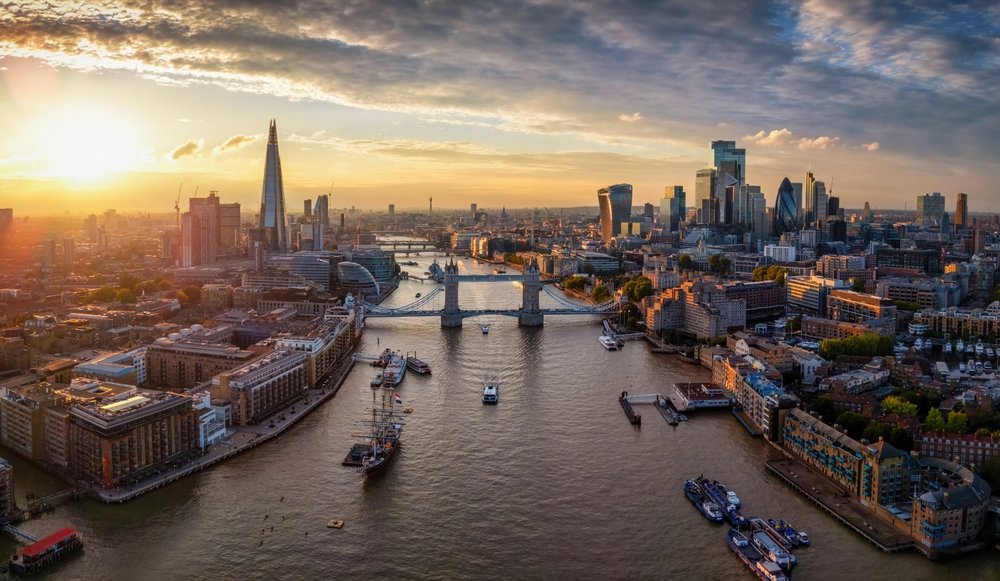
London stands alongside New York as one of the twin financial capitals of the globe, attracting corporate headquarters and ambitious professionals from every continent.
Central London property values and private rental costs consume large portions of household incomes. Beyond housing, residents encounter some of the world’s highest public transit commuter fares on the Underground, steep congestion charge tariffs for driving, and premium restaurant dining prices.
4. Geneva (Switzerland)
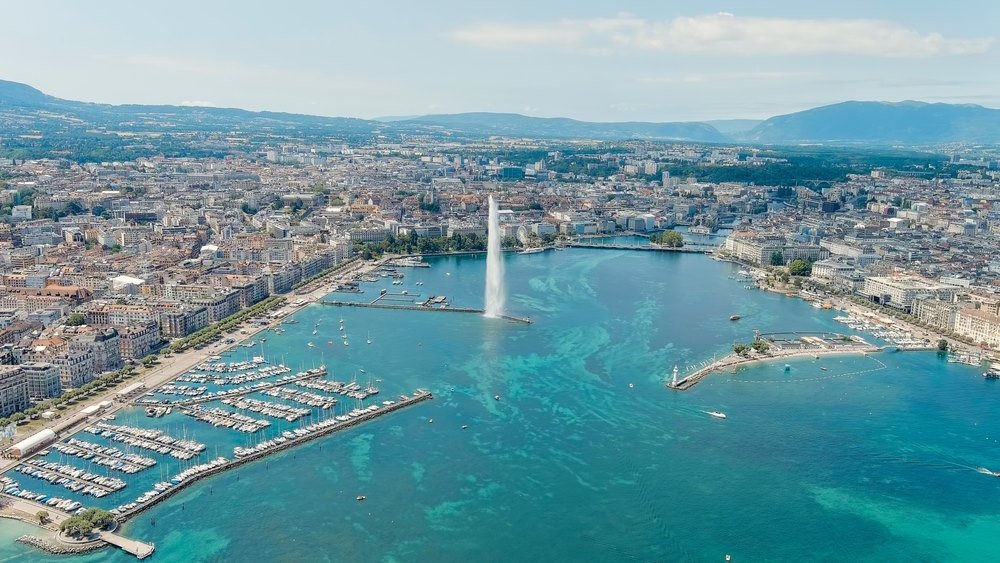
Perched on the shores of Lake Geneva against the backdrop of the Alps, Geneva hosts major international agencies including the United Nations and the World Health Organization.
Switzerland’s strong Swiss franc, combined with premium agricultural import tariffs and mandatory private health insurance contributions, makes daily life remarkably expensive. A casual midday lunch or cup of coffee easily costs twice as much as in neighbouring French or German cities.
3. Zurich (Switzerland)
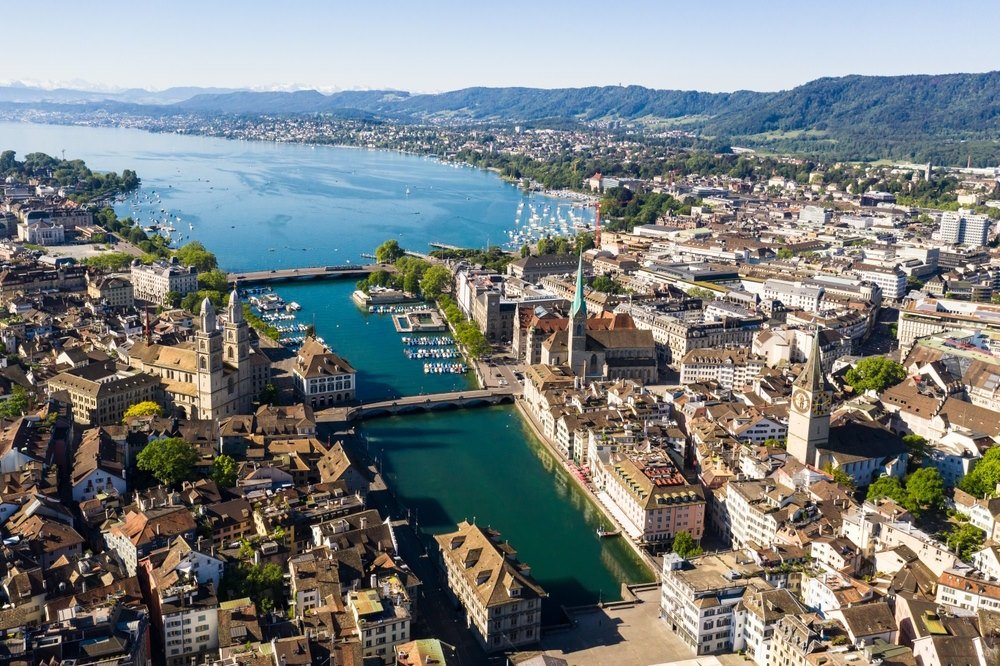
Zurich is Switzerland’s banking and commercial capital, recognized for exceptional public infrastructure, spotless cleanliness, and high living expenses.
High local wages across banking, asset management, and software engineering sustain premium prices across restaurants, cultural venues, and retail boutiques. Finding an apartment in the city center requires extensive deposits and months of searching in a hyper-competitive rental market.
2. New York City (United States)
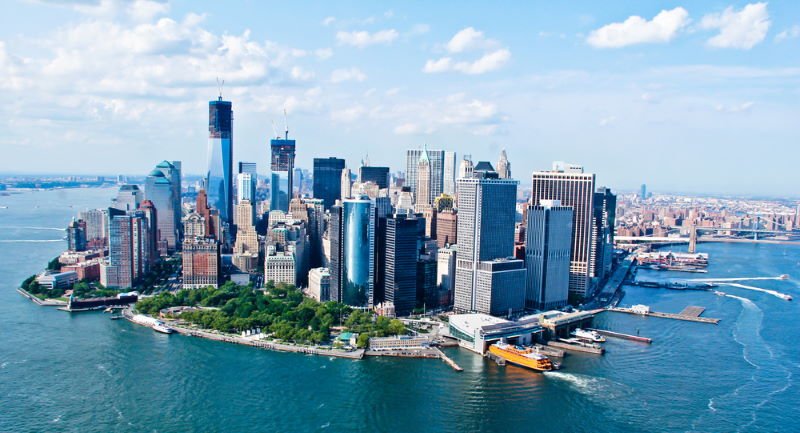
New York City serves as the benchmark against which global urban living costs are traditionally measured. Manhattan in particular represents a high-cost environment where average monthly apartment rents routinely exceed four thousand dollars.
New Yorkers face high city, state, and federal income taxes, alongside expensive childcare services and grocery markups driven by urban distribution challenges. Despite the steep financial barriers, the city remains a magnetic destination for global finance, fashion, and media talent.
1. Singapore
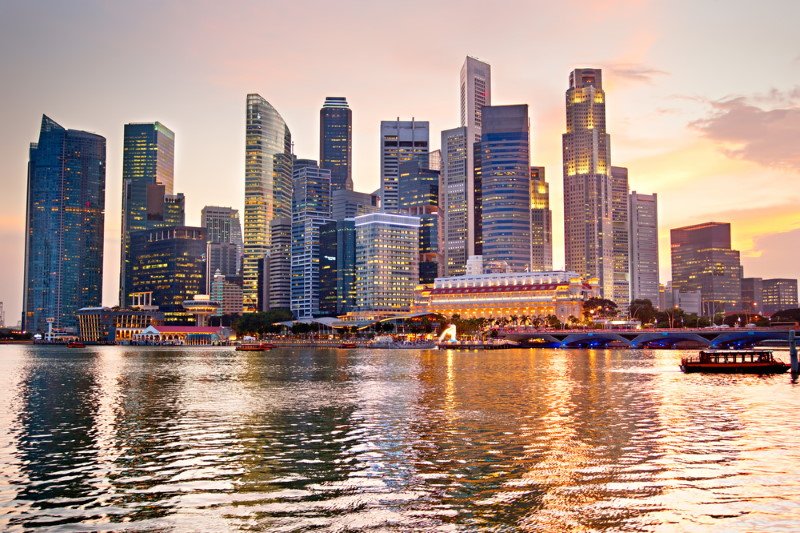
Singapore repeatedly secures the top spot as the most expensive city in the world. As a densely developed island city-state with virtually no natural resources of its own, Singapore relies on imports for everything from drinking water and fresh produce to building materials.
The city-state is notably the most expensive place on Earth to own and operate a motor vehicle, where government Certificate of Entitlement permits alone cost over one hundred thousand dollars before purchasing the car itself. Premium alcohol tariffs, elevated private housing rentals, and high utility fees keep Singapore at the peak of global living costs.
Living in the world’s most expensive cities demands substantial financial resources, but it also provides exceptional career opportunities, world-class infrastructure, and international commerce. While inflation and housing shortages continue to challenge household budgets, these premier global hubs will likely retain their magnetic appeal for decades to come.