The Republic of South Africa possesses an urban landscape characterized by extraordinary geographical diversity, dramatic coastal harbors, and massive interior metropolitan regions born from the world’s richest nineteenth-century gold discoveries. According to demographic survey results tracked by Statistics South Africa (Stats SA), over sixty-seven percent of the South African population resides in urban environments, with that figure steadily rising as people migrate to economic hubs.
In South African municipal demarcation, large urban agglomerations are organized into category-A metropolitan municipalities, which unify central business districts, historic suburbs, and populous townships under single municipal councils. Because metropolitan statistics encompass both urban centers and peripheral townships, population rankings reflect substantial regional urban conurbations.
From historic colonial ports on the Indian and Atlantic oceans to the high-altitude mining plateau of the Highveld, here are the top 10 largest cities and townships in South Africa by municipal and urban population, counting down to number one.
10. East London (Eastern Cape): ~479,000 Residents
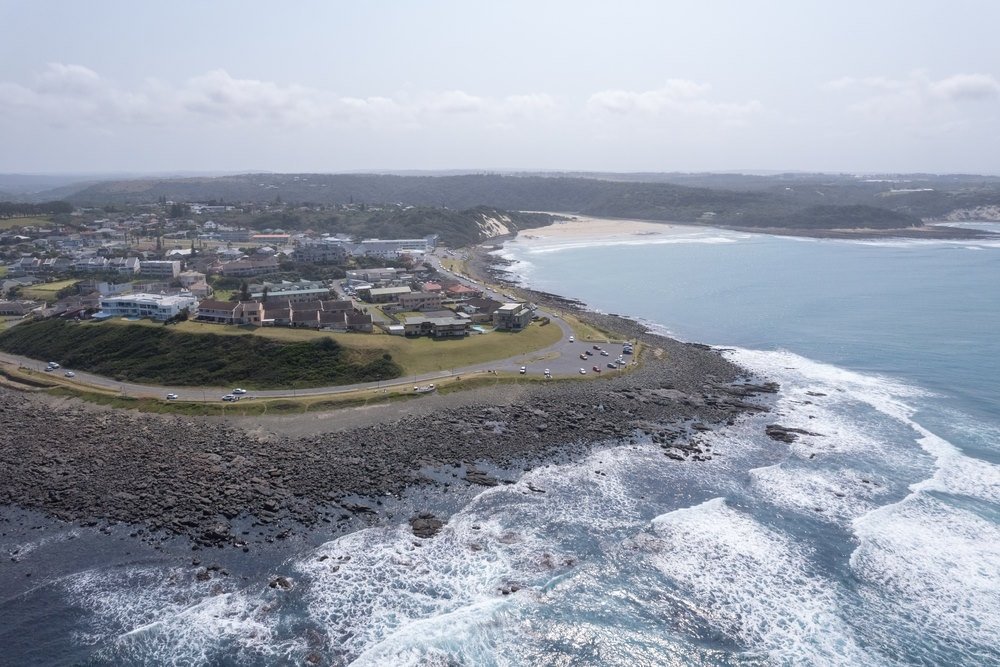
Situated on the Indian Ocean coast between the Buffalo and Nahoon rivers in the Eastern Cape, East London is uniquely distinguished as South Africa’s only natural river port. Originally established in the nineteenth century during the Xhosa Wars as a British military supply base named Port Rex, the city developed into a commercial agricultural shipping center for surrounding sheep and cattle farming districts.
Today, East London is a key manufacturing node for South Africa’s automotive export industry, hosting a large production plant for Mercedes-Benz. The city’s scenic subtropical beaches, including Nahoon Beach, are renowned worldwide among competitive surfers, while the local museum preserves the historic discovery of the coelacanth, a prehistoric fish once thought extinct for millions of years.
9. Tembisa (Gauteng): ~512,000 Residents
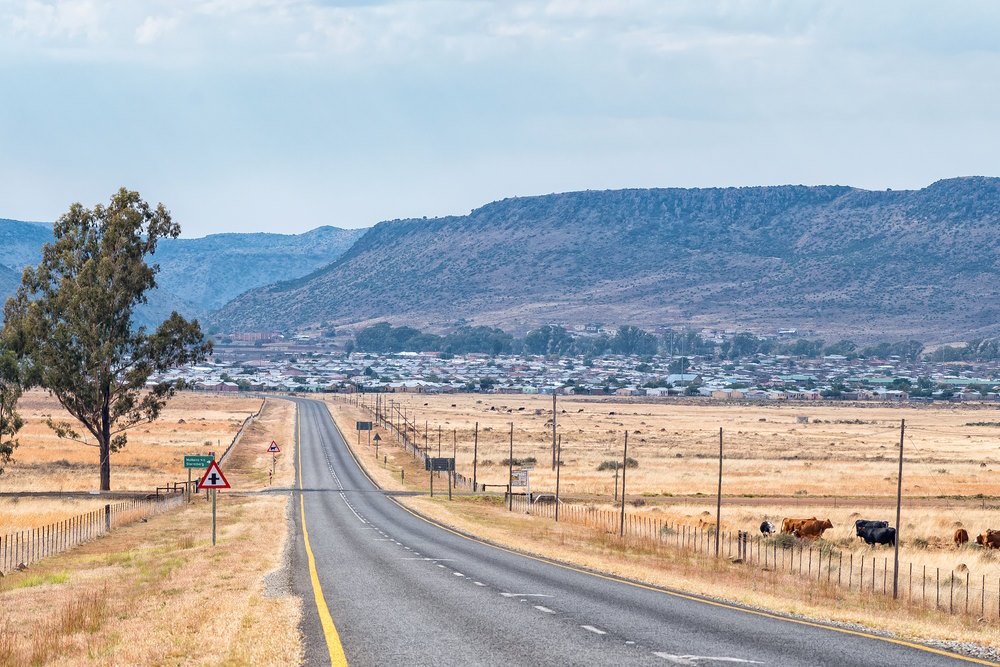
Located in the East Rand portion of the Ekurhuleni Metropolitan Municipality between Johannesburg and Pretoria, Tembisa was founded in 1957 under apartheid racial segregation laws as a planned township to relocate Black workers evicted from northern Johannesburg suburbs. Its name originates from the Zulu word Thembisa, meaning “there is hope.”
In the post-apartheid era, Tembisa has transformed from a neglected dormitory settlement into a bustling community with booming local entrepreneurship, shopping malls, and cultural centers. Squeezed along major commuter railway and highway arteries, hundreds of thousands of residents travel daily to work in neighboring industrial zones and O.R. Tambo International Airport.
8. Benoni (Gauteng): ~605,000 Residents
Benoni is a major urban and commercial center on the East Rand of Gauteng, positioned roughly thirty kilometers east of central Johannesburg. The settlement began in 1881 as a surveyed government farm before the discovery of gold in 1887 led to an influx of mining prospectors, transforming the rural veld into a booming gold extraction town.
Following the exhaustion of local gold reefs, Benoni diversified into heavy steel manufacturing, logistics, and retail trade. The city is famous for its numerous artificial lakes created from former mining pits, which provide green recreational spaces, and for being the hometown of international icons including Oscar-winning actress Charlize Theron and Princess Charlene of Monaco.
7. Pietermaritzburg (KwaZulu-Natal): ~751,000 Residents
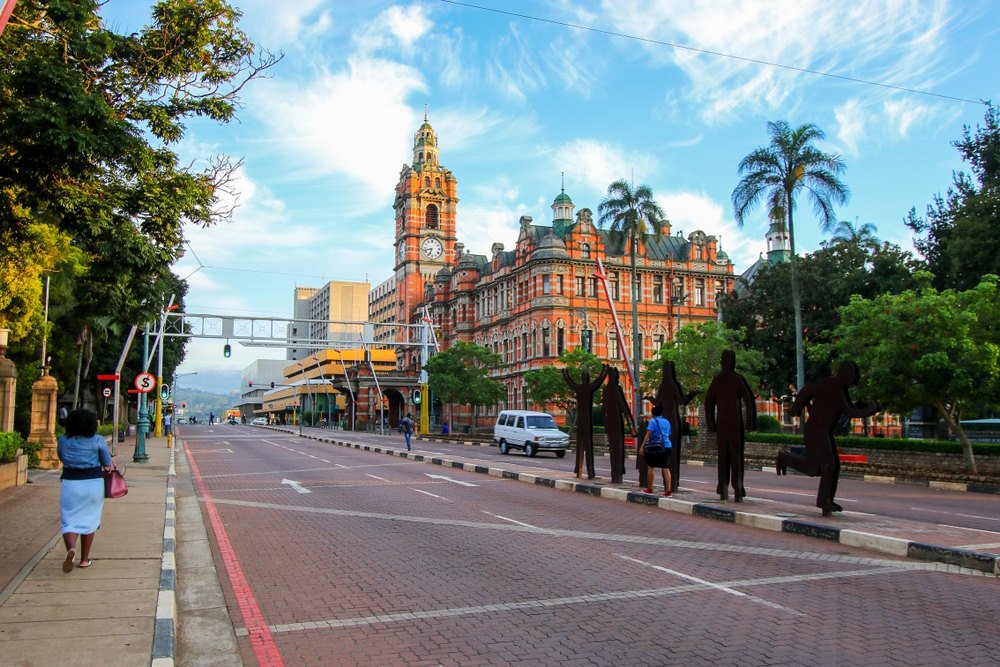
Positioned along the Msunduzi River in the rolling Midlands of KwaZulu-Natal, Pietermaritzburg serves as the political and administrative capital of the province. Founded in 1838 by Boer Voortrekkers following the Battle of Blood River, the town was later occupied by British forces, who constructed monumental Victorian brick architecture, including the grand Pietermaritzburg City Hall.
The city holds profound international historical significance: in 1893, young lawyer Mohandas Gandhi was forcibly thrown off a train at Pietermaritzburg Railway Station because of his skin color, an injustice that catalyzed his philosophy of nonviolent resistance (Satyagraha). Pietermaritzburg is also globally famous as the starting or finishing point for the Comrades Marathon, the world’s oldest and largest ultramarathon.
6. Gqeberha (Eastern Cape): ~968,000 Residents
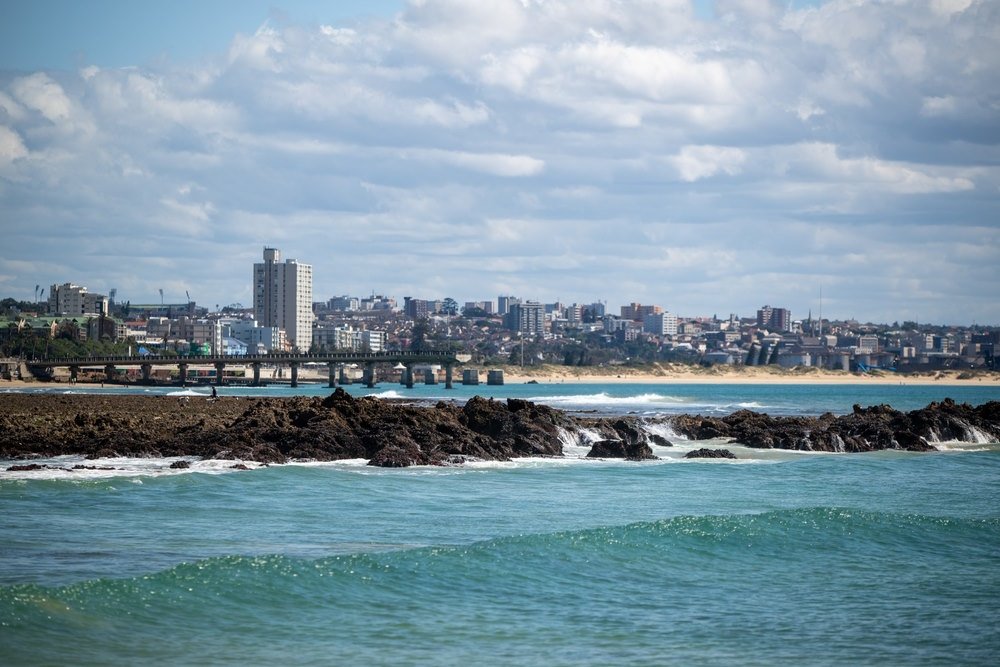
Located on Algoa Bay along the southeastern coast of the Eastern Cape, this coastal metropolis was historically founded in 1820 as Port Elizabeth to house British settlers, before being officially renamed Gqeberha in 2021 after the Xhosa name for the Baakens River. Nicknamed the “Windy City” and the “Friendly City,” it functions as the economic hub of the Nelson Mandela Bay Metropolitan Municipality.
Gqeberha is celebrated as the automotive capital of South Africa, hosting large vehicle assembly facilities for Volkswagen, Ford, and Isuzu, alongside massive maritime shipping operations through the deep-water Port of Ngqura. The city features wide sandy beaches, historic Victorian monuments like the Campanile Memorial, and serves as the primary gateway to the Addo Elephant National Park.
5. Pretoria (Gauteng): ~1.62 Million Residents
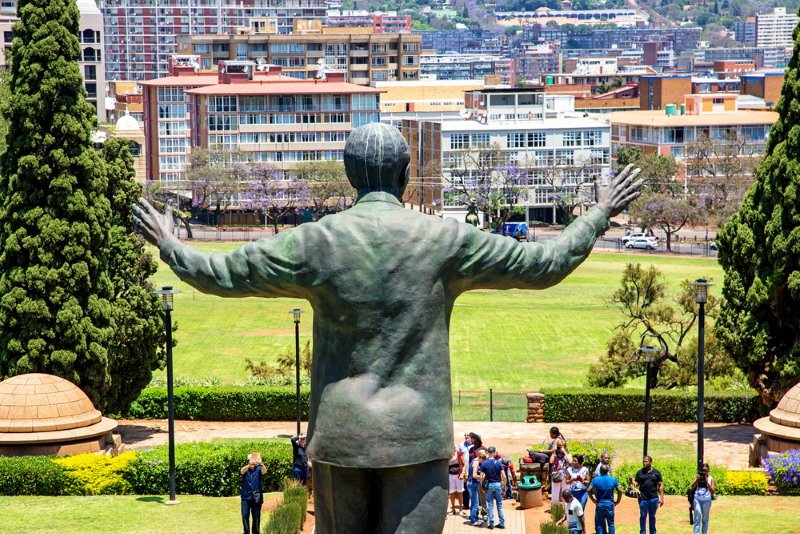
Pretoria serves as the executive and administrative capital of South Africa, situated roughly fifty kilometers north of Johannesburg at an altitude of 1,350 meters. Founded in 1855 and named after Voortrekker leader Andries Pretorius, the city is affectionately known as the “Jacaranda City” because tens of thousands of imported purple jacaranda trees blossom across its avenues each October.
The city’s architectural crowning glory is the Union Buildings, designed by British architect Sir Herbert Baker, which sits on Meintjieskop hill overlooking the city and served as the venue for Nelson Mandela’s historic presidential inauguration in 1994. Modern Pretoria is a leading educational and research center, housing the University of Pretoria, the Council for Scientific and Industrial Research, and the second-largest diplomatic corps in the world after Washington DC.
4. Soweto (Gauteng): ~1.70 Million Residents
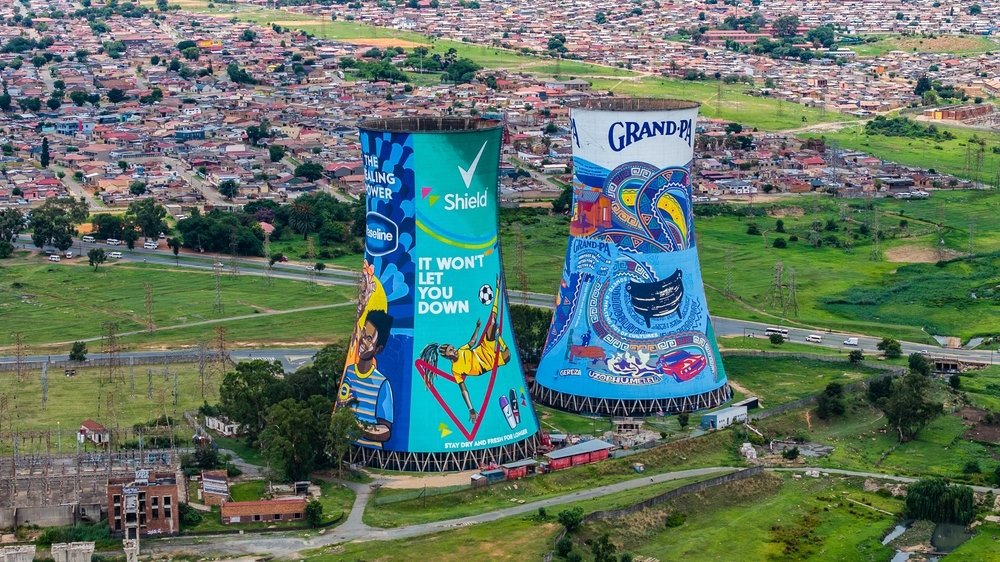
Soweto, an acronym for South Western Townships, is an expansive, historic urban area situated southwest of Johannesburg. Established in the 1930s under segregationist municipal policies to house Black laborers working in the gold mines and factories of the Witwatersrand, Soweto grew into the epicenter of the international anti-apartheid movement.
The township gained global renown during the 1976 Soweto Uprising, when student protests against forced Afrikaans instruction sparked worldwide condemnation of apartheid. Famous for Vilakazi Street, the only street in the world where two Nobel Peace Prize laureates (Nelson Mandela and Archbishop Desmond Tutu) lived, modern Soweto is a lively cultural center celebrated for street food, the brightly painted Orlando cooling towers, and FNB Stadium (Soccer City), host of the 2010 FIFA World Cup Final.
3. Johannesburg (Gauteng): ~2.03 Million Residents
Johannesburg, affectionately known as Joburg or eGoli (City of Gold), was founded in 1886 following the discovery of the world’s richest gold reef on the Witwatersrand. In less than a century, an empty scrubland transformed into the wealthiest and most populous economic metropolis in Sub-Saharan Africa, built upon vast white mine dumps that still dot the skyline.
While the central municipal authority counts around two million people, the broader Greater Johannesburg urban agglomeration houses nearly six million residents. Johannesburg functions as the financial and commercial nerve center of South Africa, home to the Johannesburg Stock Exchange (JSE) and multinational headquarters in modern skyscraper districts like Sandton, paired with a resilient, fast-paced cosmopolitan lifestyle.
2. Durban (KwaZulu-Natal): ~3.12 Million Residents
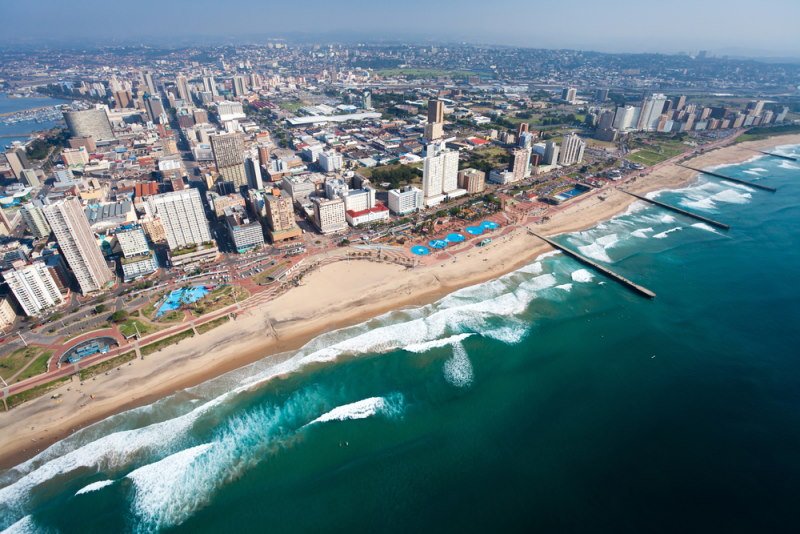
Durban curves along the warm subtropical Indian Ocean coastline in KwaZulu-Natal, framed by the lush green coastal hills of the eThekwini Metropolitan Municipality. Blessed with a sheltered natural lagoon, the city operates the Port of Durban, the busiest maritime container seaport in Sub-Saharan Africa, serving as the commercial gateway for landlocked southern African nations.
Durban is famous for its Golden Mile, a wide beachfront promenade lined with golden sands, surf spots, and water parks. The city reflects a rich cultural synthesis of Zulu traditions, British colonial architecture, and the largest Indian community outside South Asia, whose heritage is celebrated through colorful spice markets and the world-famous Durban bunny chow, a hollowed-out loaf of white bread filled with spicy curry.
1. Cape Town (Western Cape): ~3.43 Million Residents
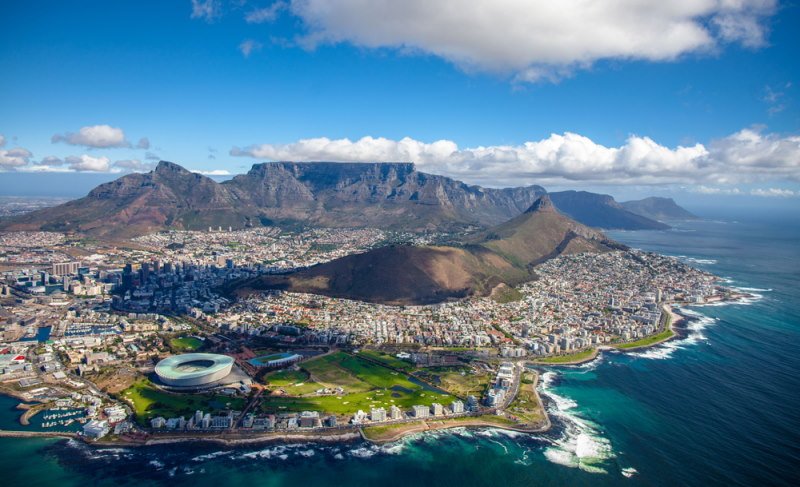
Cape Town stands supreme as the legislative capital of South Africa and the oldest city in the nation, affectionately known as the “Mother City” (Moederstad). Established in 1652 by Jan van Riebeeck as a Dutch East India Company supply station for ships rounding the Cape of Good Hope, the city rests in an astonishing amphitheater between the Atlantic Ocean and the flat-topped sandstone summit of Table Mountain.
The city’s rich history encompasses the colorful pastel houses of the historic Cape Malay quarter of Bo-Kaap, the restored Victoria and Alfred Waterfront, and Robben Island in Table Bay, where Nelson Mandela was imprisoned for eighteen years. Celebrated as one of the most scenic coastal metropolises on Earth, Cape Town anchors the Western Cape’s booming technology, tourism, film production, and world-renowned Cape Winelands viticulture.
Conclusion
South Africa’s major cities showcase an extraordinary balance of coastal beauty, industrial grit, and historic resilience. From the mining riches of the Highveld to the maritime ports of the Indian and Atlantic oceans, these ten metropolises will continue to anchor the economy and cultural energy of the southern African continent.