Australia is one of the most urbanized nations on Earth. Despite occupying an entire continent spanning nearly 7.7 million square kilometers, approximately eighty-six percent of Australians live in major cities and suburban coastal regions.
Arid conditions across the vast inland Outback naturally encouraged settlement around fertile coastlines with reliable freshwater and maritime harbors. Official geographic data compiled by the Australian Bureau of Statistics groups populations into Significant Urban Areas, capturing contiguous urban settlements. Further national geography is tracked through Geoscience Australia. Here are the ten largest cities across Australia ranked by population.
10. Central Coast (New South Wales): ~351,000 Residents
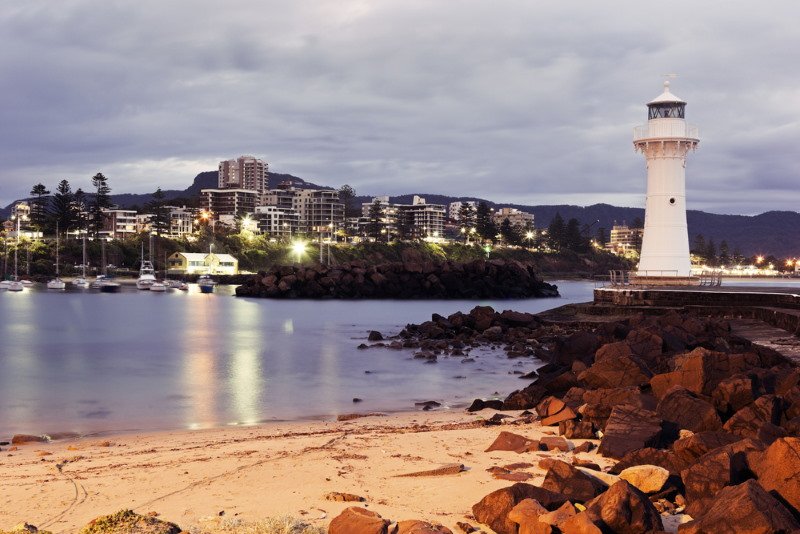
Situated just north of Sydney between the Hawkesbury River and Lake Macquarie, the Central Coast offers picturesque lagoons, national parks, and extensive ocean beaches.
The region has expanded steadily as improved commuter rail lines enable professionals to work in Sydney while enjoying relaxed coastal living. Key centers like Gosford and Tuggerah support growing retail, healthcare, and tourism sectors.
9. Sunshine Coast (Queensland): ~418,000 Residents
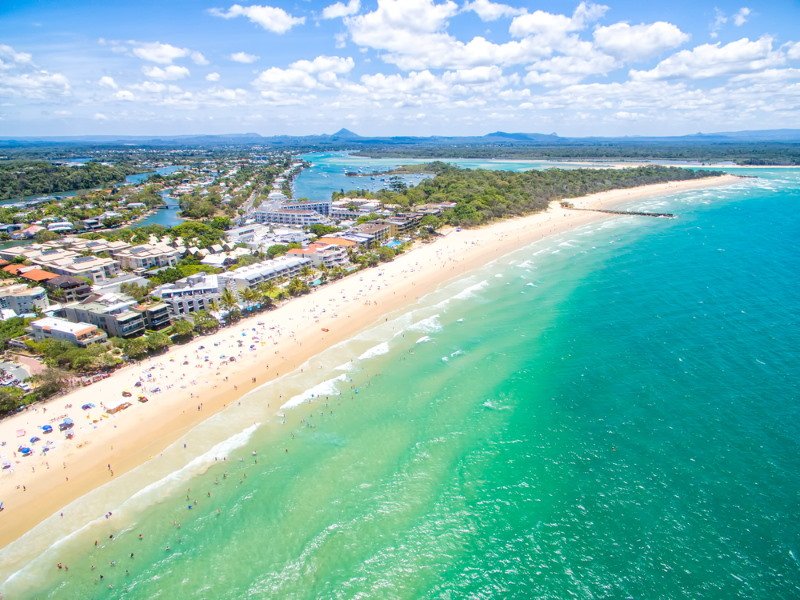
Located roughly one hundred kilometers north of Brisbane, Queensland’s Sunshine Coast stretches from Caloundra up to the unspoiled beaches of Noosa.
Famous for surfing spots, the Glass House Mountains, and sub-tropical lifestyle, the Sunshine Coast has shifted from a seasonal holiday retreat into a fast-growing economic region. Investment in a new master-planned central business district at Maroochydore reflects its long-term commercial ambition.
8. Canberra Queanbeyan (ACT and NSW): ~511,000 Residents
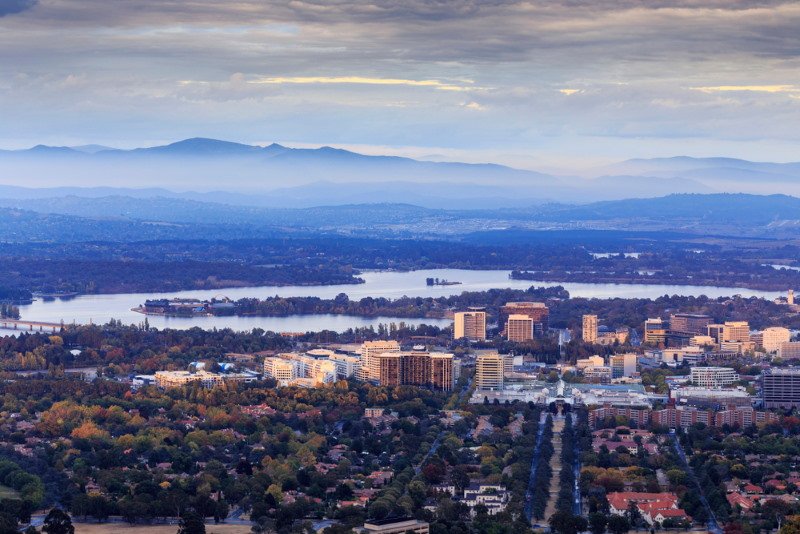
Canberra is Australia’s purpose-built federal capital, designed by American architects Walter Burley Griffin and Marion Mahony Griffin following a compromise between rival cities Sydney and Melbourne.
Combined with its contiguous New South Wales neighbour Queanbeyan, the urban area houses over half a million residents. Canberra hosts key federal institutions including Parliament House, the High Court, and the National Gallery of Australia, surrounded by manicured parklands around artificial Lake Burley Griffin.
7. Newcastle Maitland (New South Wales): ~534,000 Residents

Situated at the mouth of the Hunter River, Newcastle is the seventh largest urban area in Australia and the economic heart of the fertile Hunter Valley.
Historically driven by coal export shipping and heavy steel works, modern Newcastle has remade itself into a coastal city with celebrated surf beaches, historic architecture, and cutting-edge renewable energy research programs at the University of Newcastle.
6. Gold Coast Tweed Heads (Queensland and NSW): ~751,000 Residents
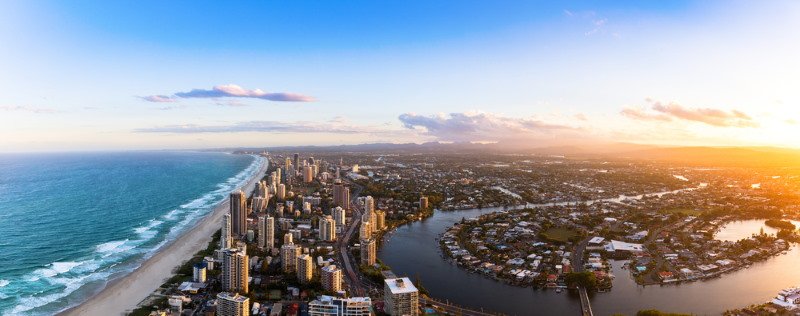
Extending along fifty-seven kilometers of coastline south of Brisbane, the Gold Coast is renowned for its sunny climate, world-class surf breaks, and high-rise beachfront skyline at Surfers Paradise.
Along with Tweed Heads across the New South Wales border, this dynamic strip attracts millions of international tourists annually. Beyond hospitality, the region supports growing film studios, international education, and advanced marine engineering.
5. Adelaide (South Australia): ~1,450,000 Residents
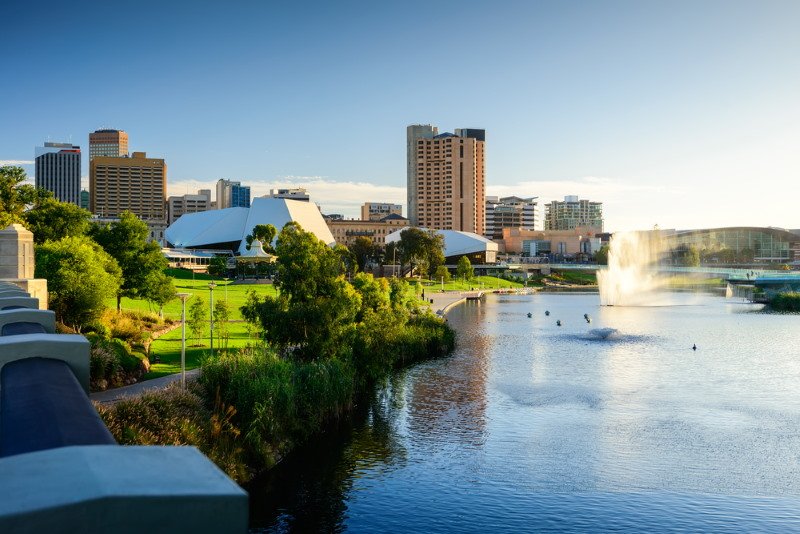
Adelaide, the capital of South Australia, was planned on a clean grid system by Colonel William Light, surrounded entirely by continuous green parklands.
Known as the City of Churches and Australia’s premier wine capital, Adelaide provides access to legendary vineyard regions such as the Barossa Valley and McLaren Vale. The city is also a growing center for defense manufacturing, space technology, and international arts festivals.
4. Perth (Western Australia): ~2,360,000 Residents
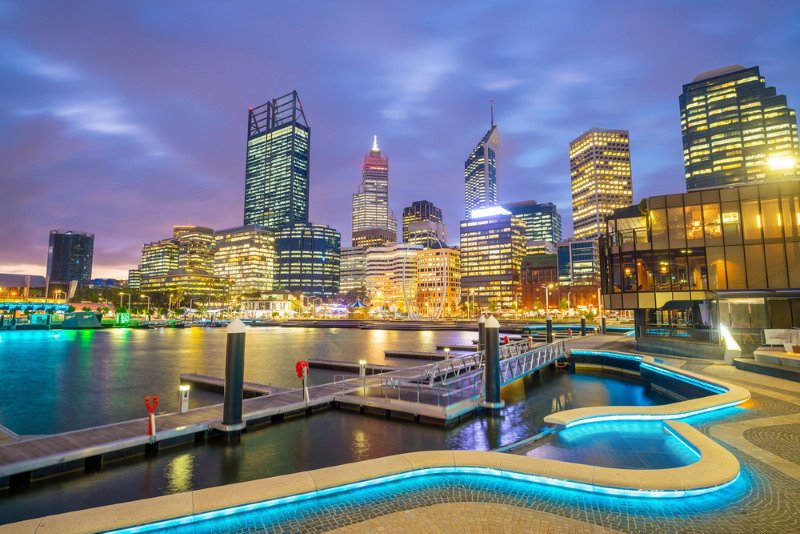
Perth is one of the most geographically isolated major metropolitan cities on Earth, closer to Jakarta in Indonesia than to Sydney in eastern Australia.
Overlooking the broad Swan River and the Indian Ocean, Perth enjoys abundant sunshine and easy access to coastal beaches. It serves as the administrative center for Western Australia’s lucrative iron ore, gold, and liquefied natural gas mining industries.
3. Brisbane (Queensland): ~2,690,000 Residents

Built around the winding curves of the Brisbane River, Queensland’s capital has experienced massive interstate migration from southern states.
Brisbane combines a warm subtropical climate with relaxed outdoor living, featuring artificial beaches at South Bank and a fast-developing waterfront skyline. The city is undergoing major transport and infrastructure upgrades in preparation to host the 2032 Summer Olympic and Paralympic Games.
2. Sydney (New South Wales): ~5,140,000 Residents
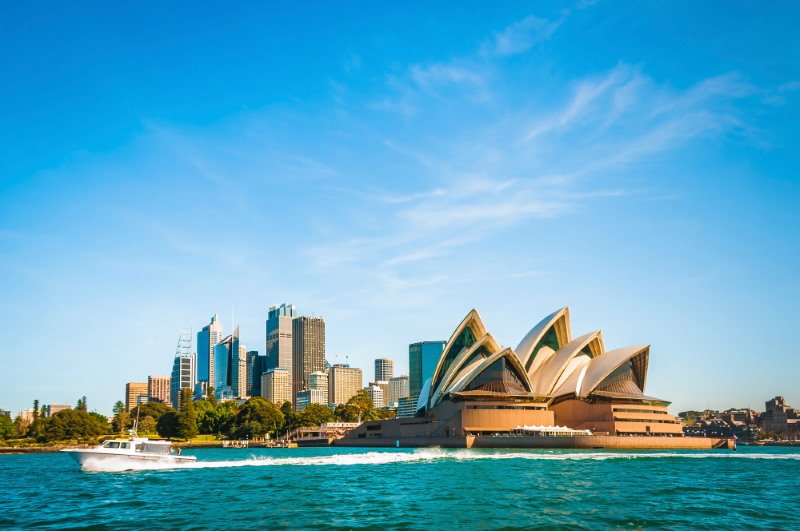
Sydney is Australia’s oldest and most globally recognizable metropolis. Framed by a spectacular natural harbor, its skyline features the distinctive sail-like shells of the Sydney Opera House and the arch of the Sydney Harbour Bridge.
As the country’s primary financial capital, Sydney hosts the Australian Securities Exchange and major multinational regional offices. Its diverse suburbs stretch from famous coastal surf havens like Bondi and Manly inland toward the foothills of the Blue Mountains.
1. Melbourne (Victoria): ~5,250,000 Residents
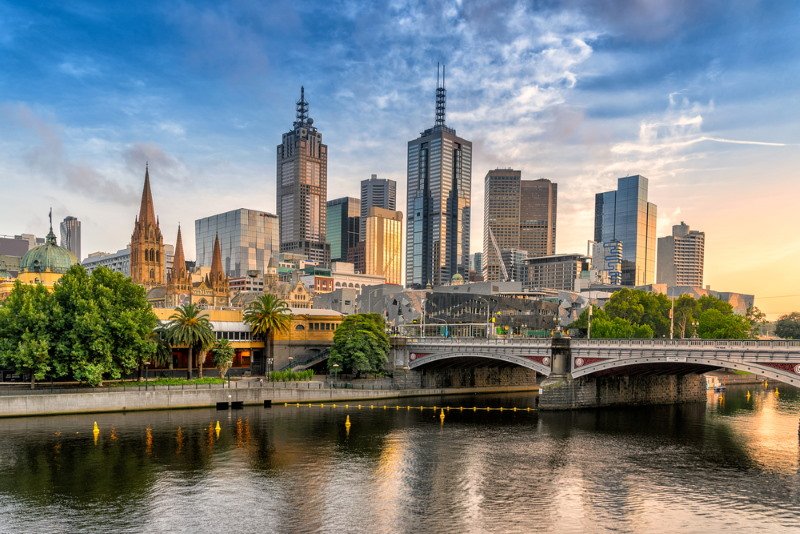
Melbourne recently overtook Sydney as Australia’s most populous significant urban area, driven by steady outer suburban expansion and strong international arrivals.
Recognized globally as Australia’s cultural and sporting capital, Melbourne is famous for its winding laneways, historic tram network, world-class coffee culture, and major sporting events like the Australian Open and the Melbourne Cup. Its Victorian-era buildings and modern riverside developments create a distinct architectural identity along the Yarra River.
Australia’s urban centers showcase a nation closely tied to its sunny coastlines and ocean waters. As cities like Melbourne and Sydney continue to expand, investments in sustainable transport and regional infrastructure will shape Australia’s high quality of life throughout the 21st century.