Canada is the second largest country on Earth by total land area, yet the vast majority of its population lives concentrated in a narrow band along its southern border. Decades of immigration and economic growth have transformed Canadian municipalities into prominent commercial and cultural centers.
Official population tallies from Statistics Canada census data measure city populations either by proper municipal boundaries or by broader metropolitan areas. This ranking focuses strictly on population within official city limits. From Prairie energy capitals to historic maritime ports, here are the ten largest cities across Canada.
10. Hamilton (Ontario): ~569,000 Residents
Located at the western tip of Lake Ontario, Hamilton grew into a major manufacturing center historically known as the steel capital of Canada.
Over recent decades, Hamilton has diversified into healthcare, medical research, and technology, anchored by McMaster University. The city is geographically defined by the dramatic Niagara Escarpment, a steep ridge that cuts through the urban landscape, creating over one hundred scenic waterfalls within city boundaries.
9. Brampton (Ontario): ~656,000 Residents
Positioned northwest of Toronto in the Greater Toronto Area, Brampton has been one of Canada’s fastest-growing municipalities for over two decades.
Once famous for its commercial greenhouses, earning it the nickname the Flower City, modern Brampton represents a dynamic industrial and logistics center. The city possesses one of the most culturally diverse populations in North America, with strong economic roots in advanced manufacturing, food packaging, and information technology.
8. Vancouver (British Columbia): ~662,000 Residents
While Metro Vancouver houses more than 2.6 million people, the City of Vancouver proper covers a compact footprint with roughly 662,000 residents.
Bordered by the Pacific Ocean and coastal mountains, Vancouver is Canada’s premier Pacific gateway and busiest maritime port. The city consistently ranks among the world’s most liveable urban areas, balancing high-density residential towers with generous green spaces like the thousand-acre Stanley Park.
7. Mississauga (Ontario): ~718,000 Residents
Bordering Toronto along the western shore of Lake Ontario, Mississauga transitioned from a collection of quiet townships into Canada’s seventh largest city.
Mississauga hosts Canada’s busiest air travel facility, Toronto Pearson International Airport, making the city a corporate headquarters magnet. Over sixty Fortune 500 companies maintain major offices here, particularly across pharmaceutical, aerospace, and finance sectors.
6. Winnipeg (Manitoba): ~750,000 Residents
Winnipeg sits near the longitudinal center of North America at the confluence of the Red and Assiniboine rivers.
As Manitoba’s capital, it serves as the primary commercial, transport, and cultural center for the Canadian Prairies. The city features a rich arts community, home to the Royal Winnipeg Ballet and the Canadian Museum for Human Rights, alongside resilient residents who take pride in weathering frosty continental winters.
5. Edmonton (Alberta): ~1,011,000 Residents
Alberta’s provincial capital, Edmonton, recently surpassed the one million resident threshold within its municipal borders.
Known as the Gateway to the North, the city acts as a vital staging post for resource extraction in northern Alberta and the Arctic territories. Edmonton features North America’s largest stretch of connected urban parkland through the North Saskatchewan River valley, offering extensive walking trails and river recreation.
4. Ottawa (Ontario): ~1,017,000 Residents
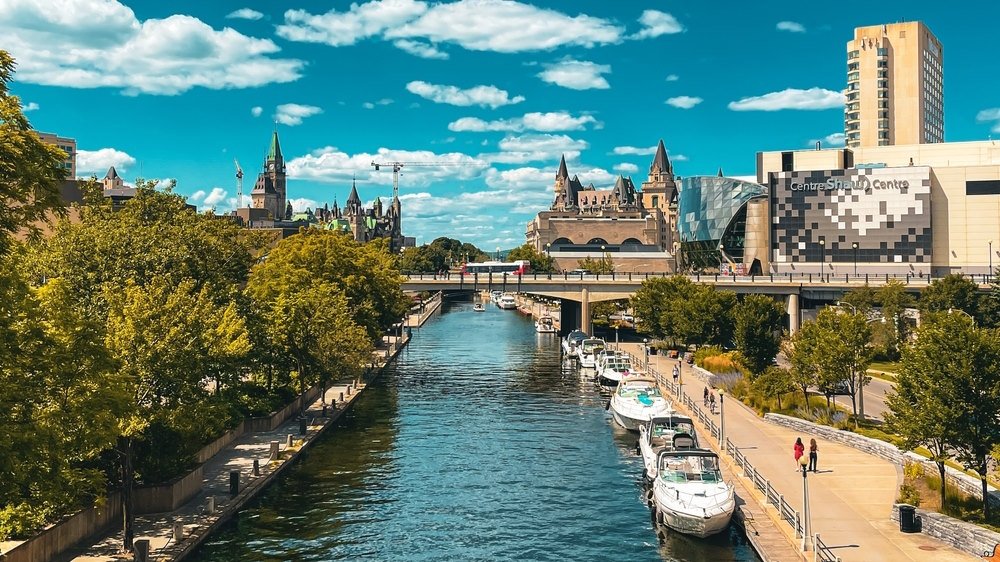
Selected by Queen Victoria in 1857 as Canada’s permanent capital, Ottawa stands along the south bank of the Ottawa River bordering Quebec.
The city is famous for the Gothic revival Parliament Buildings atop Parliament Hill and the historic Rideau Canal, which transforms into the world’s longest skating rink each winter. Beyond public administration, Ottawa supports a thriving telecommunications and software technology corridor.
3. Calgary (Alberta): ~1,307,000 Residents
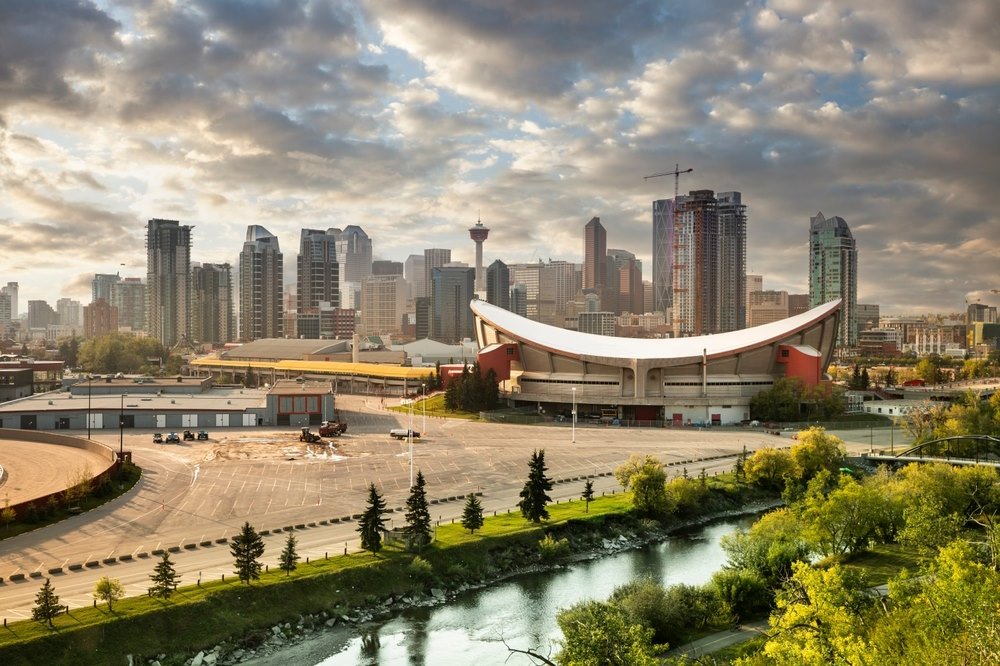
Located in the rolling foothills of the Canadian Rockies, Calgary is Alberta’s most populous city and the center of Canada’s energy sector.
The city gained worldwide recognition hosting the 1988 Winter Olympics and celebrates its ranching heritage every July during the world-famous Calgary Stampede. In recent years, Calgary has expanded into clean technology, aerospace logistics, and film production.
2. Montreal (Quebec): ~1,763,000 Residents
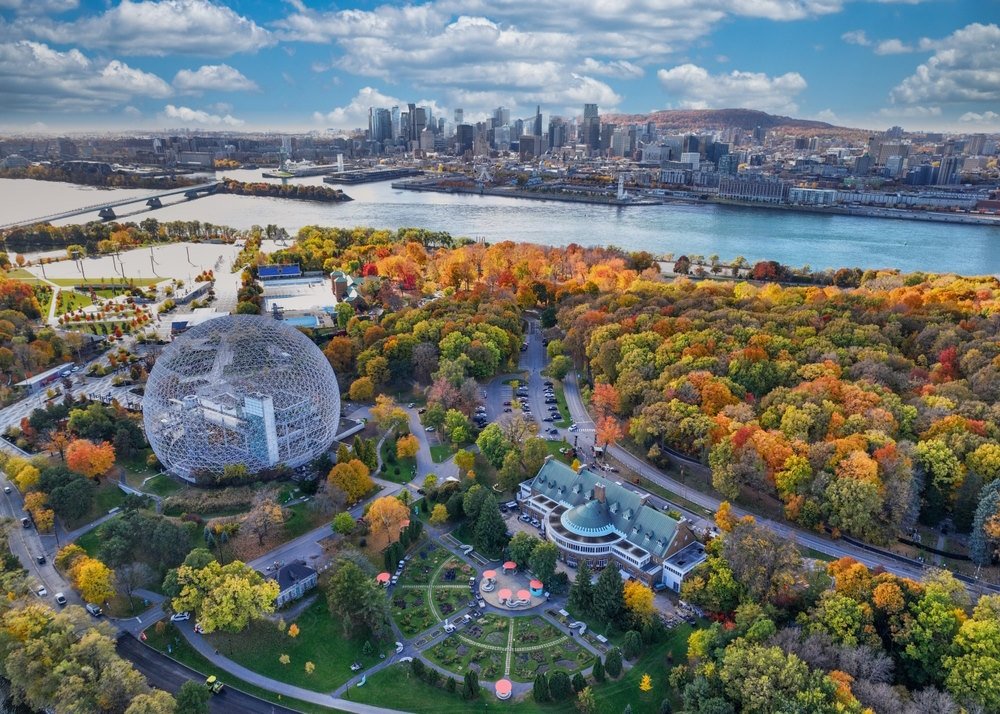
Montreal is the second largest primarily French-speaking city in the Western world after Paris. Built around Mount Royal on an island in the Saint Lawrence River, the city blends North American pace with European charm.
From the cobblestone streets of Old Montreal to world-renowned international jazz and comedy festivals, Montreal is a major cultural force. It is also an international leader in aerospace engineering, video game development, and artificial intelligence research.
1. Toronto (Ontario): ~2,794,000 Residents
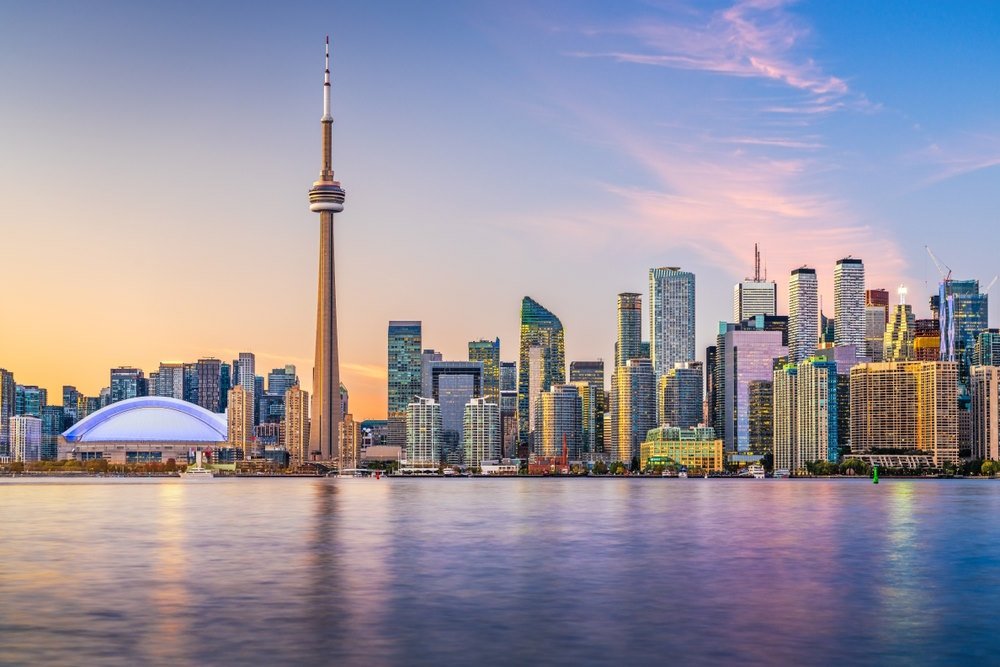
With nearly 2.8 million residents inside city limits and over six million across its metropolitan area, Toronto is Canada’s financial, corporate, and media leader.
According to official municipal reports on the City of Toronto official portal, over half of the city’s inhabitants were born outside Canada, making it one of the most culturally cosmopolitan places on the globe. Landmarks like the CN Tower dominate a dense shoreline skyline that continues to add high-rise residential architecture faster than almost any other city in North America.
Canada’s largest cities reflect a diverse and rapidly growing nation. From the financial skyscrapers of Toronto and the bilingual energy of Montreal to the coastal beauty of Vancouver, these urban centers continue to drive Canada’s economic and cultural evolution on the world stage.