Colombia stands as the only South American nation with coastlines bordering both the Pacific Ocean and the Caribbean Sea, characterized by the dramatic topography of three distinct Andean mountain ranges, fertile tropical valleys, and the Amazonian rainforest basin. Centuries of pre-Columbian gold cultures, Spanish colonial fortifications, and rapid twentieth-century urban migration created an archipelago of dense regional metropolises rather than a single dominant mega-hub. According to official municipal population tallies published by the National Administrative Department of Statistics (DANE), over seventy-six percent of Colombians reside in urban centers.
Colombian cities are internationally celebrated for pioneering transit innovation, civic architecture, and rich musical heritage. From Caribbean fortress ports and highland coffee capitals to dynamic industrial mountain basins, each municipality preserves distinct culinary specialties, local accents, and cultural festivals. Examining the ten largest cities showcases how this biodiverse nation transformed its geography into a network of thriving modern metropolises.
10. Villavicencio (approx. 593,300 residents)
Positioned where the eastern slopes of the Andes mountains plunge into the vast tropical savannah plains of the Llanos Orientales, Villavicencio holds the title of the Gateway to the Plains. The city serves as the commercial and cattle ranching capital of Meta department, anchoring regional agro-industry, oil extraction, and agricultural transport. The scenic mountain highway descending from Bogotá into Villavicencio offers sweeping vistas across boundless green plains.
Villavicencio is the cultural home of joropo, a fast-paced traditional harp and maraca folk music accompanied by zapateo foot-stomping dance. Every year, the city hosts the World Joropo Tournament, where thousands of traditional dancers perform in the streets, paired with regional barbecue feasts featuring ternera a la llanera (veal roasted over open wood fires).
9. Bucaramanga (approx. 623,900 residents)
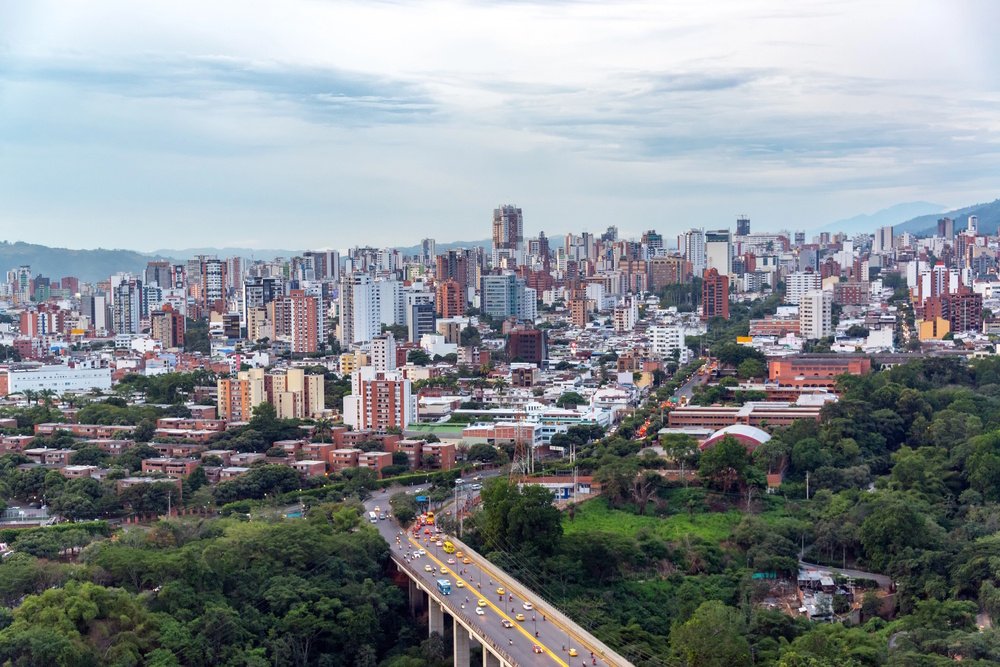
Perched upon an elevated plateau in the Cordillera Oriental of northeastern Colombia, Bucaramanga is universally known as the City of Parks (La Ciudad de los Parques) due to dozens of leafy public gardens that dot its urban core. The city is also dubbed the Pretty City (La Ciudad Bonita), celebrated for maintaining some of the highest standards of living, cleanest public spaces, and lowest unemployment rates in Colombia.
Bucaramanga is the undisputed national capital of footwear and leather manufacturing, producing fine shoes distributed throughout the continent. Nearby lies the dramatic Chicamocha Canyon, one of the deepest canyons in the world, where an aerial cable car carries travelers across dramatic mountain gorges.
8. Soledad (approx. 686,300 residents)
Located in the department of Atlantico directly adjoining the southern perimeter of Barranquilla, Soledad is one of the fastest-growing municipal hubs along Colombia’s Caribbean coast. Originally established as a Spanish colonial cattle settlement in the seventeenth century, the town holds historical significance as the residence where Liberator Simón Bolívar spent his final months in 1830 before departing for Santa Marta, preserved today at the Casa de Bolívar museum.
Soledad is celebrated throughout northern Colombia as the gastronomic capital of butifarra, a savory, spiced pork sausage eaten with boiled yucca and fresh lime. Squeezed along major logistical arteries linking the Caribbean seaports with the Magdalena river, the city hosts growing industrial parks and logistics warehouses.
7. Soacha (approx. 828,900 residents)
Situated immediately southwest of Bogotá in Cundinamarca, Soacha has experienced explosive demographic expansion, evolving from an ancient indigenous Chibcha sacred settlement into a sprawling industrial and residential city. Named from the Muisca words Sua (Sun) and Cha (Man), the municipality preserves ancient rock art paintings dating back thousands of years in the surrounding rocky hills.
Soacha is home to the legendary Tequendama Falls, a dramatic natural waterfall where the Bogotá River plunges one hundred and thirty-two meters over a forested cliff into a rocky gorge. Today, the city is an essential industrial corridor for heavy manufacturing, plastics, and glass production, connected directly to Bogotá via the TransMilenio rapid bus system.
6. Cúcuta (approx. 815,900 residents)
Positioned on the eastern frontier along the border with Venezuela, San José de Cúcuta serves as the capital of Norte de Santander department and Colombia’s most critical inland trading gateway. Known as the Pearl of the North and the City of Trees due to thousands of shady oití trees lining its boulevards, Cúcuta holds foundational historical importance: in 1821, the historic Congress of Cúcuta met in Villa del Rosario to draft the constitution establishing Gran Colombia under President Simón Bolívar.
Cúcuta’s commercial economy is tightly linked to cross-border international commerce, ceramic manufacturing, and textile production. The city’s Malecón river promenade along the Pamplonita River offers open-air restaurants and green leisure parks for residents and travelers alike.
5. Cartagena (approx. 1,065,900 residents)
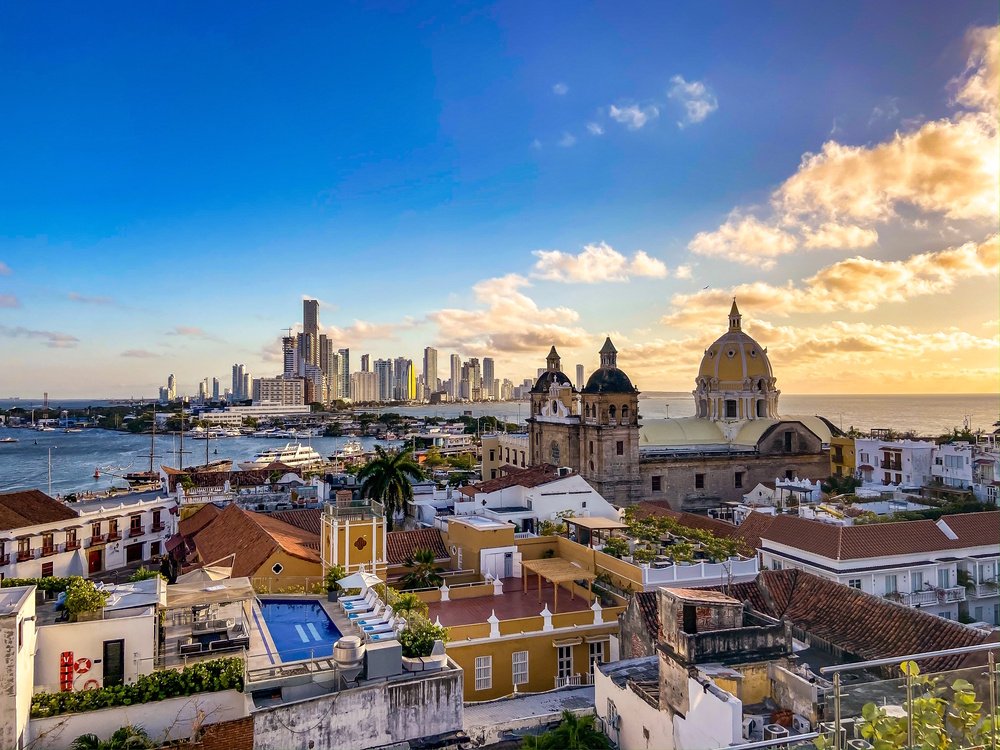
Rising along the Caribbean coast, Cartagena de Indias stands as one of the most romantic, historic, and iconic cities in the Americas. Founded in 1533 by Pedro de Heredia, the city served as the principal Spanish fortress port storing Peruvian gold and silver treasures before the treasure fleets crossed the Atlantic. The walled historic city and the formidable Castle of San Felipe de Barajas form an expansive UNESCO World Heritage site, surrounded by thick stone ramparts that repelled pirate raids and imperial naval sieges for centuries.
Cartagena blends its colonial magic, seen in flower-draped wooden balconies in the Getsemani quarter, with Bocagrande, a modern peninsula of soaring luxury high-rises and seaside beaches. As Colombia’s primary maritime container port and premier international tourism destination, Cartagena hosts world-class literary conferences, film festivals, and maritime commerce.
4. Barranquilla (approx. 1,342,800 residents)
Located on the western bank of the Magdalena River where South America’s most important waterway meets the Caribbean Sea, Barranquilla is affectionately hailed as the Golden Gate of Colombia (La Puerta de Oro). Sparing itself colonial royal restrictions, the city developed in the nineteenth century as an open, progressive commercial boomtown that welcomed waves of German, Jewish, Arab, and European immigrants who introduced aviation, modern industry, and radio broadcasting to the country.
Barranquilla is globally renowned for the Carnival of Barranquilla, proclaimed by UNESCO as a Masterpiece of the Oral and Intangible Heritage of Humanity, four days of ecstatic music, dancing, and costumed pageantry celebrating Caribbean cumbia and African heritage. The city is also the proud hometown of international music icon Shakira and Nobel laureate Gabriel García Márquez, who began his journalistic career here.
3. Cali (approx. 2,285,100 residents)
Resting in the fertile tropical valley of the Cauca River between the Cordillera Occidental and Central mountain ranges, Santiago de Cali is universally celebrated as the Salsa Capital of the World. Founded in 1536 by Sebastián de Belalcázar, Cali is the economic, cultural, and industrial anchor of southwestern Colombia, surrounded by vast emerald-green sugarcane plantations.
Salsa music is not merely an art form in Cali, it is a way of life, characterized by the lightning-fast footwork of the salsa caleña style performed nightly in legendary dance clubs across the Juanchito and Alameda districts. Modern Cali is a major sports and medical tourism capital, famous for San Antonio, a bohemian hilltop colonial neighborhood crowned by an eighteenth-century chapel offering panoramic views of the city.
2. Medellín (approx. 2,634,600 residents)
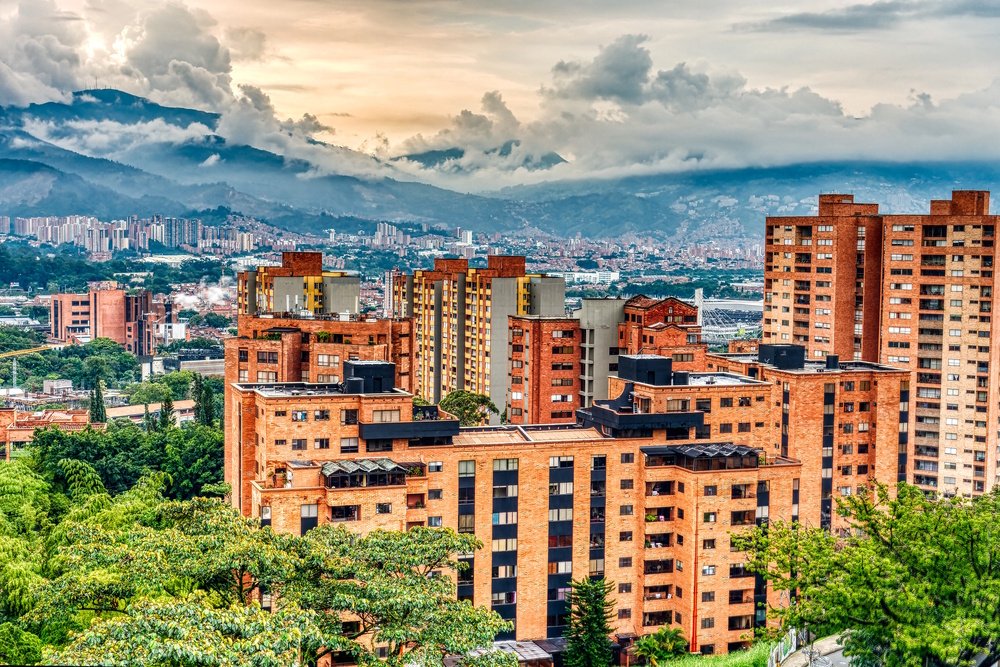
Cradled in the lush Aburrá Valley at an elevation of 1,500 meters, Medellín is the proud capital of Antioquia department, affectionately called the City of Eternal Spring due to its year-round pleasant mountain climate. The city has achieved international acclaim for one of the most remarkable urban transformations in modern history, reinventing itself through innovative public architecture, hillside Metrocable cable cars connecting hillside comunas to the valley, and public library parks that foster community life.
Medellin’s cultural landscape is adorned with the voluptuous bronze sculptures of native master Fernando Botero at the open-air Plaza Botero. Every August, the city hosts the world-famous Flower Festival (Feria de las Flores), where traditional farmers carry massive, colorful floral mosaics (silletas) on their backs through cheering downtown crowds, celebrating the region’s flower-growing heritage and textile manufacturing prowess.
1. Bogotá (approx. 7,937,900 residents)
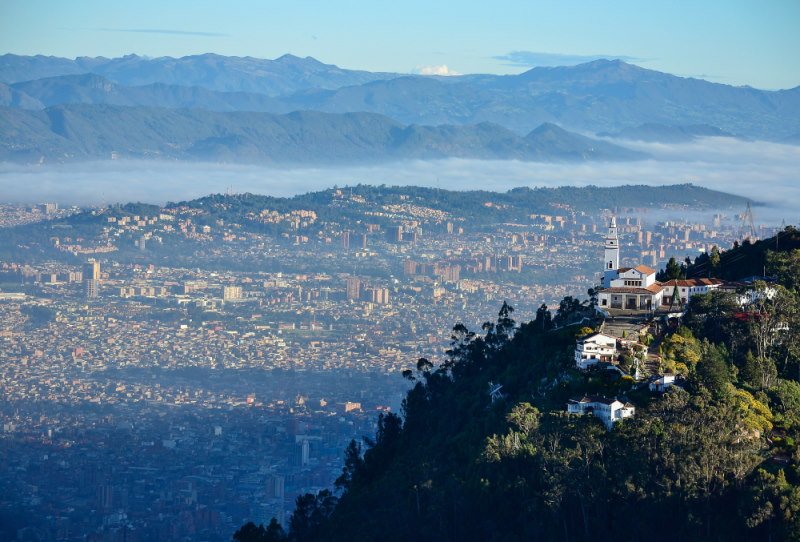
Perched high upon an Andean plateau known as the Sabana de Bogotá at an altitude of 2,640 meters, Bogotá stands supreme as the monumental capital and undisputed economic locomotive of Colombia. Originally founded in 1538 as Santa Fe de Bogotá near the sacred indigenous Muisca capital of Bacatá, the metropolis accommodates nearly eight million residents, forming the political, financial, and academic heart of northern South America. The historic La Candelaria quarter features cobblestone lanes lined with colonial houses, leading to the grand Plaza de Bolívar and the Gold Museum (Museo del Oro), which houses the world’s most extraordinary collection of pre-Columbian gold craftsmanship.
Towering above the city skyline, the sacred white sanctuary atop Mount Monserrate offers sweeping views across the endless sea of red-brick towers and green city parks. Known as the Athens of South America for its dozens of universities, world-class bookshops, and cultural festivals, modern Bogotá pairs cutting-edge culinary districts like the Zona G with extensive ciclovía bicycle avenues that close major roads to motor vehicles every Sunday for hundreds of thousands of active citizens.
Conclusion
Colombia’s largest cities illustrate a captivating balance between rich pre-Columbian roots, Spanish colonial fortifications, and visionary twenty-first-century urban transformation. From the Andean heights of Bogotá and Medellín to the tropical salsa clubs of Cali and the historic walls of Cartagena, these ten urban centers represent the boundless vitality and resilience of the Colombian nation.