Mexico features a rich, multi-layered urban topography shaped by ancient pre-Columbian civilizations, Spanish colonial civic design, and explosive twentieth-century industrialization. According to official population registers administered by the National Institute of Statistics and Geography (INEGI), nearly eighty percent of Mexicans live in urban localities, with massive demographic concentrations occupying the high-altitude central volcanic belt alongside dynamic northern border boomtowns.
In Mexican administrative law, the municipio forms the fundamental governing unit, meaning municipal population rankings measure residents living strictly within municipal boundaries. In large metropolitan agglomerations like Greater Mexico City, Guadalajara, and Monterrey, dozens of adjoining municipalities coalesce into vast conurbations where regional economic influence far exceeds individual civic borders.
From historic colonial mining centers in the central highlands to thriving manufacturing hubs on the United States frontier, here are the top 10 largest cities in Mexico by municipal population.
10. Zapopan (Jalisco): ~1.48 Million Residents
Positioned immediately adjacent to Guadalajara within the state of Jalisco, Zapopan has experienced phenomenal population growth over recent decades, surpassing its historic neighbor in geographical surface area. Originally founded in 1541 as an indigenous village, the community developed around the venerated seventeenth-century Basilica of Our Lady of Zapopan, which attracts millions of pilgrims each October during the grand Romería procession.
Today, Zapopan is celebrated as the economic engine and technology capital of western Mexico. Nicknamed Mexico’s Silicon Valley, the municipality accommodates major multinational research campuses for technology leaders like Oracle, HP, and Intel. Zapopan also boasts affluent residential districts, prestigious universities, and the modern Estadio Akron, home of historic football club C.D. Guadalajara.
9. Nezahualcóyotl (State of Mexico): ~1.07 Million Residents
Commonly referred to as Ciudad Neza, this dense municipality lies directly east of Mexico City on the dry, saline lakebed of ancient Lake Texcoco. Established in the mid-twentieth century as informal migrant settlements sprang up to house workers moving to the capital, Neza grew with astonishing speed from an arid mudflat into one of the most densely populated cities in the Americas.
Named in honor of the revered fifteenth-century Texcoco poet-king Nezahualcóyotl, the city represents a remarkable triumph of grassroots urban resilience. Through community organization, residents established paved avenues, municipal schools, and water systems. Today, Ciudad Neza possesses a fiercely proud cultural identity, thriving small business markets, and a lively arts and music scene.
8. Monterrey (Nuevo León): ~1.14 Million Residents
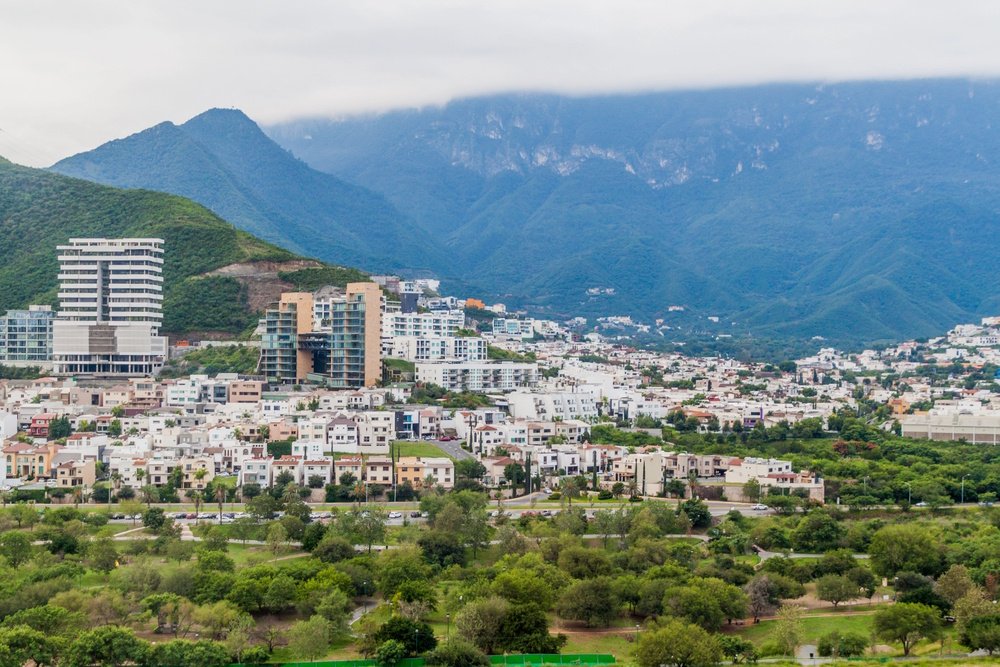
Surrounded by the dramatic limestone peaks of the Sierra Madre Oriental, Monterrey is the capital of Nuevo León and the undisputed industrial powerhouse of northern Mexico. While the central municipality of Monterrey counts roughly 1.14 million residents, the broader Monterrey metropolitan area encompasses over 5.3 million people, forming the second-largest metropolitan economy in the country.
Known affectionately as La Sultana del Norte, Monterrey’s wealth was built on heavy steelworks, glass manufacturing, and cement production, exemplified by the Parque Fundidora, a public park converted from historic blast furnace grounds. The city is famous for the distinctive saddle-shaped Cerro de la Silla mountain, prestigious academic institutions like the Tecnológico de Monterrey, and a robust culinary tradition centered around roasted cabrito (kid goat).
7. Guadalajara (Jalisco): ~1.39 Million Residents
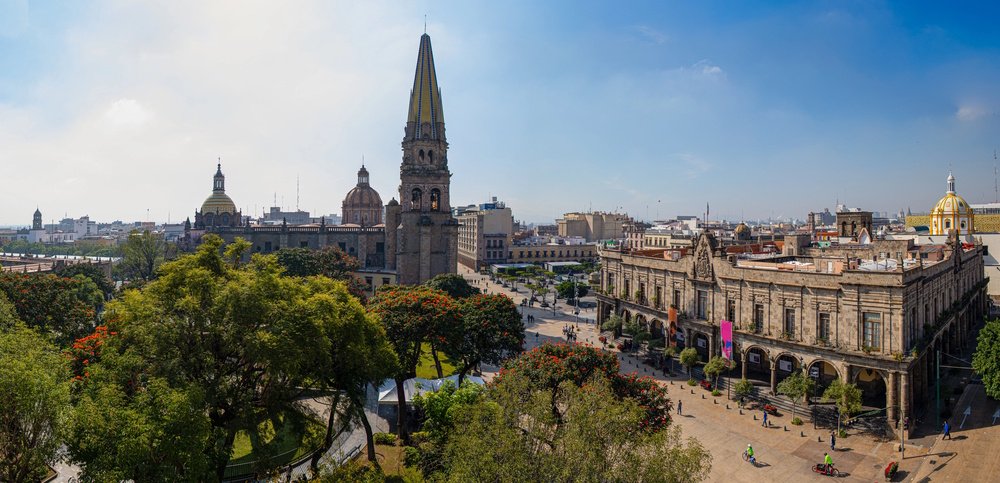
Guadalajara is the proud capital of Jalisco and the cultural heart of traditional Mexican identity, resting on the western Atemajac plateau at an elevation of 1,560 meters. Founded by Spanish conquistador Cristóbal de Oñate in 1542, the city is globally recognized as the historic birthplace of Mexico’s most iconic cultural symbols, including mariachi music, the sombrero, charrería rodeo traditions, and nearby tequila production.
The city’s historic center is crowned by the twin neo-Gothic yellow spires of the Guadalajara Cathedral and the Hospicio Cabañas, a UNESCO World Heritage site decorated with monumental, fiery frescoes painted by master muralist José Clemente Orozco. Beyond its romantic traditions, modern Guadalajara functions as an international commercial capital, hosting the prestigious Guadalajara International Book Fair, the largest Spanish-language book fair in the world.
6. Ciudad Juárez (Chihuahua): ~1.50 Million Residents
Positioned on the southern bank of the Rio Grande directly opposite El Paso, Texas, Ciudad Juárez is the most populous city in the northern border state of Chihuahua. Originally founded in 1659 as Paso del Norte by Franciscan missionaries, the settlement was renamed in 1888 to honor President Benito Juárez, who established his republican government-in-exile here during the French intervention.
Together with neighboring El Paso and Las Cruces, Juárez forms the sprawling international Borderplex conurbation. The city’s modern economy is heavily anchored by the maquiladora industry, hosting hundreds of export-oriented manufacturing plants that assemble consumer electronics, medical equipment, and automotive components for North American distribution.
5. Puebla (Puebla): ~1.54 Million Residents
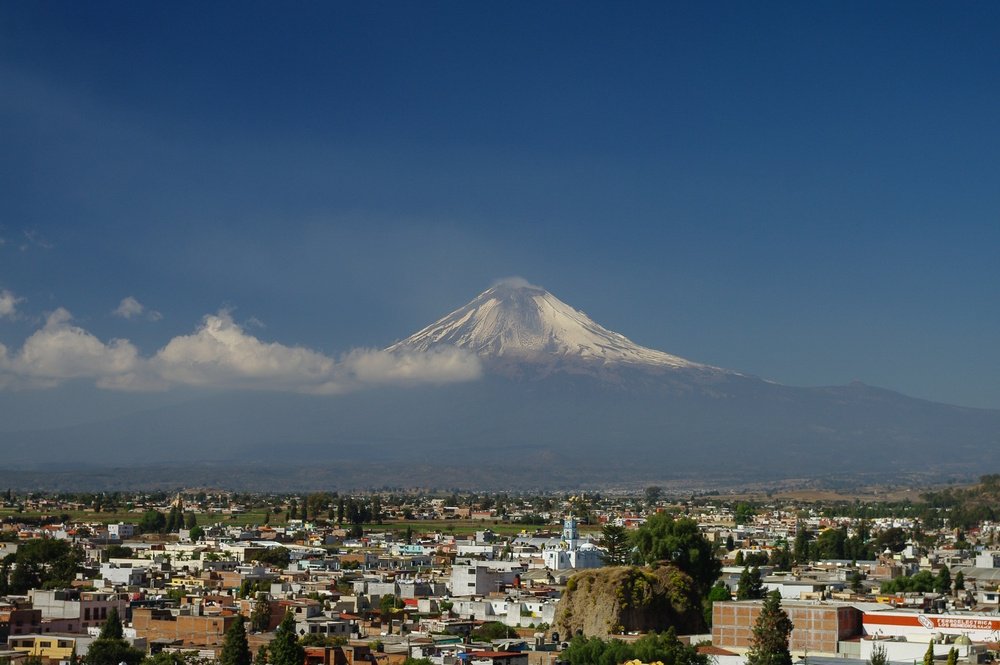
Resting in a high highland valley flanked by the active Popocatépetl and Iztaccíhuatl volcanoes, Puebla was deliberately founded in 1531 as a Spanish city between the port of Veracruz and Mexico City. The city is celebrated as an architectural gem, famous for its grand baroque churches, Renaissance palaces, and ornate ceramic facades crafted from handmade Talavera tiles.
Puebla holds an honored place in national history as the site of the Battle of Puebla on May 5, 1862, when Mexican forces defeated the invading French army, commemorated annually as Cinco de Mayo. Widely considered one of Mexico’s gastronomic capitals, the city is the birthplace of national culinary treasures, including mole poblano and the patriotic tricolor dish chiles en nogada.
4. León (Guanajuato): ~1.58 Million Residents
Located in the fertile Bajío valley within the state of Guanajuato, León is the most populous city in the state, founded in 1576 as Villa de León to defend colonial agricultural routes. For more than a century, León has reigned as the leather and footwear capital of the Americas, producing millions of pairs of shoes, boots, and leather accessories annually distributed worldwide.
The city center features the striking Expiatory Sanctuary of the Sacred Heart of Jesus (Templo Expiatorio), a monumental neo-Gothic cathedral that took over ninety years to construct. In autumn, León attracts international travelers to the Metropolitan Park for the International Hot Air Balloon Festival, one of the largest hot air balloon gatherings in Latin America.
3. Ecatepec de Morelos (State of Mexico): ~1.64 Million Residents
Situated in the northeastern quadrant of the Valley of Mexico, Ecatepec de Morelos is the most populous municipality in the State of Mexico. Developed on the historical shoreline of Lake Texcoco, the community evolved from an ancient Otomi and Nahua settlement into a massive industrial and commuter city that directly borders Mexico City.
The municipality was named to honor José María Morelos, a paramount hero of the Mexican War of Independence who was executed here by Spanish forces in 1815, commemorated today at the Casa de Morelos museum. Served by the Mexicable, an innovative public aerial cable car system traversing hillside neighborhoods, Ecatepec contains major food processing plants, chemical refineries, and metal fabricators.
2. Tijuana (Baja California): ~1.81 Million Residents
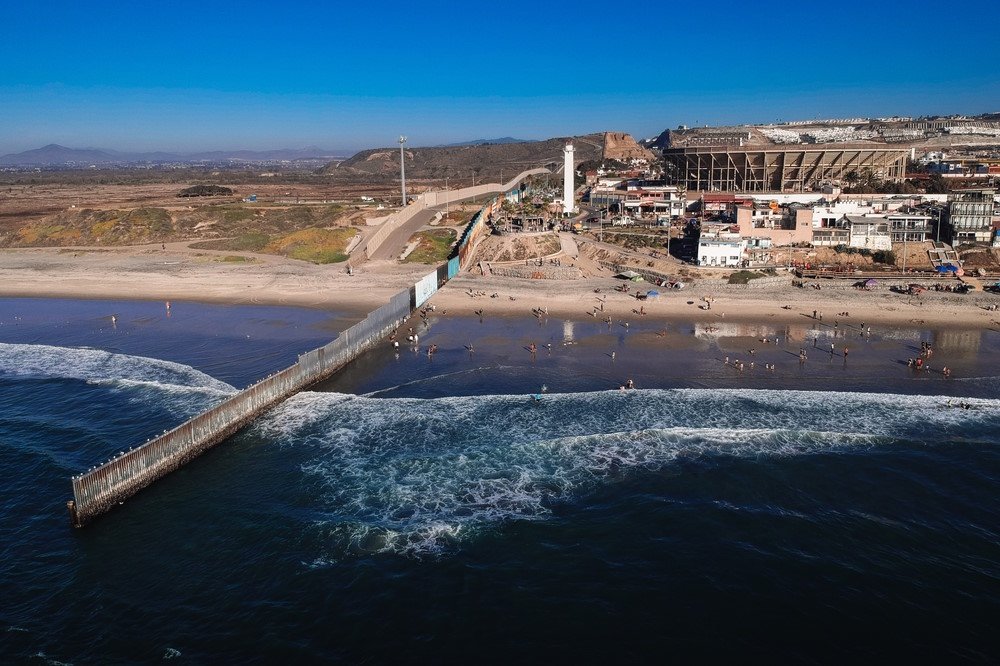
Positioned on the Pacific coast of the Baja California peninsula directly adjacent to San Diego, California, Tijuana is the westernmost city in Mexico. Originating as a modest cattle ranch in the nineteenth century, the city grew into a bustling border metropolis, supported by the San Ysidro Port of Entry, the busiest land border crossing in the Western Hemisphere.
While historically associated with border tourism, modern Tijuana has transformed into a global manufacturing and design powerhouse, specializing in aerospace engineering, medical devices, and television assembly. The city has also gained international acclaim for its Baja Med cuisine, which fuses Mediterranean and Asian flavors with native Mexican ingredients, paired with an energetic craft brewing culture and contemporary arts scene at the Tijuana Cultural Center (CECUT).
1. Mexico City: ~9.21 Million Residents
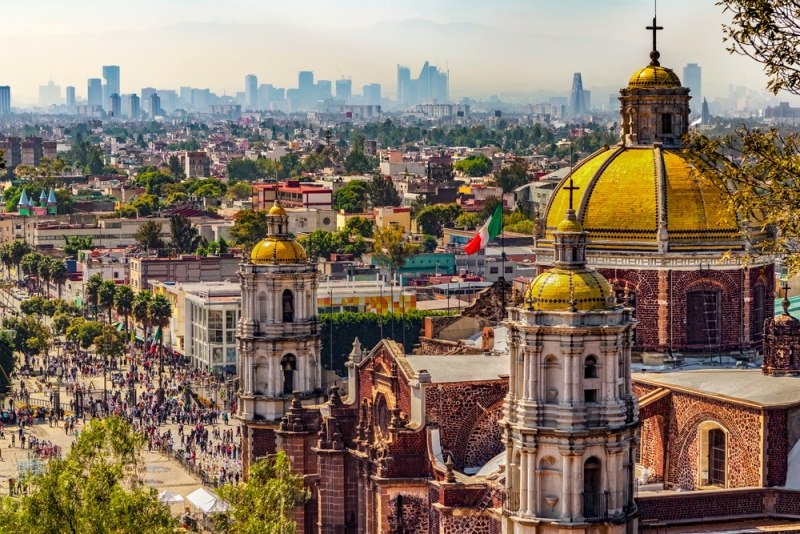
Mexico City stands supreme as the monumental capital of Mexico and the historic core of North American civilization. Originally founded by the Mexica Aztecs in 1325 as Tenochtitlan upon an island in Lake Texcoco, the capital rests at an altitude of over 2,240 meters, surrounded by towering volcanic mountains.
While the central federal entity of Mexico City houses around 9.2 million residents, Greater Mexico City encompasses roughly 22.5 million inhabitants across contiguous urban municipalities, forming the largest metropolitan agglomeration in North America. Anchored by the historic Zócalo square, the National Palace, and the sprawling Chapultepec Park, Mexico City boasts more museums than almost any city on Earth, driving global finance, arts, and diplomacy.
Conclusion
Mexico’s largest cities capture the country’s layered indigenous heritage, Spanish colonial splendor, and dynamic modern industrial economy. Connected by expanding commercial corridors and modern air transit, these ten urban centers will continue to shape Mexican national life and influence Latin American culture for generations to come.