Argentina encompasses an immense geographical expanse stretching from the subtropical rainforests of the north across the fertile pampas grasslands to the glacial peaks of Patagonia and Tierra del Fuego. Shaped by Spanish colonial trade trails, nineteenth-century agricultural wealth, and massive waves of Italian, Spanish, and European immigration, Argentine cities developed an unmistakable cosmopolitan flair. According to demographic survey records maintained by the National Institute of Statistics and Censuses of Argentina (INDEC), over ninety percent of the Argentine population lives in urban areas, with Greater Buenos Aires dominating national commerce and political life.
Beyond the bustling capital, Argentina’s interior metropolises developed distinct regional identities rooted in colonial Jesuit foundations, wine viticulture, grain shipping terminals, and high-altitude Andean trade. These urban centers combine leafy boulevards and neoclassical municipal theaters with lively culinary traditions centered around family asado barbecues and regional folklore. Examining the ten most populous cities reveals how geography, immigration, and industry define modern Argentine civilization.
10. Santiago del Estero (approx. 329,000 residents)
Resting on the banks of the Dulce river in northern Argentina, Santiago del Estero proudly bears the title of Madre de Ciudades (Mother of Cities). Founded in 1553 by Spanish conquistadors, it is the oldest continuously inhabited city in Argentina, serving as the launching base from which expeditions founded other historic cities across the interior, including Córdoba, Tucumán, and Salta. The city’s historic cathedral dates back to the sixteenth century, representing the earliest diocesan seat in the country.
Santiago del Estero is globally celebrated as the beating heart of traditional Argentine folklore, recognized as the capital of chacarera folk music and dance. The city’s artisanal workshops produce handcrafted bombo leguero bass drums carved from hollowed tree trunks, heard throughout the festive summer carnivals.
9. Corrientes (approx. 432,000 residents)
Located on the eastern bank of the mighty Paraná river near its confluence with the Paraguay river, Corrientes serves as the cultural and administrative hub of the Argentine northeast. Founded in 1588 as San Juan de la Vera de las Siete Corrientes, named for seven natural river currents that swirl past its shores, the city retains charming colonial plazas, religious sanctuaries, and shaded riverside promenades. The General Belgrano Bridge spans the river, connecting the city directly to Resistencia.
Corrientes is universally recognized as the national capital of chamamé, an accordion-led musical style and cultural tradition inscribed by UNESCO as Intangible Cultural Heritage. The city also hosts Argentina’s most flamboyant street carnival, drawing thousands of dancers and drummers in elaborate sequined costumes every February.
8. Santa Fe (approx. 572,000 residents)
Positioned along the Salado and Paraná river systems in east-central Argentina, Santa Fe was founded in 1573 by Juan de Garay, making it one of the country’s historic cradles of republican democracy. In 1853, national delegates convened here to draft and adopt the Constitution of the Argentine Nation, earning the city the permanent title of the Cradle of the Constitution. The historic core preserves the seventeenth-century Church and Convent of San Francisco, built with cedar beams from Paraguayan forests.
Santa Fe is a major educational and brewery center, famous for its tradition of drinking liso (fresh draft lager served in straight glasses) alongside fried river fish like surubi. Connected by the iconic suspension bridge Puente Colgante, the city operates vital grain handling river terminals.
7. San Miguel de Tucumán (approx. 590,000 residents)
Set at the foot of the lush Aconquija mountain range in northwestern Argentina, San Miguel de Tucumán is affectionately known as the Garden of the Republic due to its fertile subtropical agricultural surroundings. The city holds the most sacred place in national history: on July 9, 1816, the Congress of Tucumán gathered in a modest colonial house to officially declare Argentina’s independence from the Spanish crown. Today, the Casa Histórica de la Independencia is preserved as a revered national monument.
Tucumán serves as the commercial center for the national sugarcane and citrus industries, leading global exports of fresh lemons. The city boasts prestigious academic faculties at the National University of Tucumán and an energetic student cultural scene centered around Plaza Independencia.
6. Salta (approx. 627,000 residents)
Located in the Lerma Valley at an elevation of 1,187 meters in the northwestern Andean foothills, Salta is celebrated across South America as Salta la Linda (Salta the Beautiful). Founded in 1582, the city boasts South America’s most intact colonial architecture, featuring whitewashed stone facades, ornate iron balconies, and the radiant pink-and-yellow neoclassical Salta Cathedral. The Museum of High Mountain Archaeology (MAAM) houses the Children of Llullaillaco, three incredibly preserved Inca child mummies discovered near the summit of a frozen volcano.
Salta serves as the premier gateway to high-altitude Andean vineyards producing floral Torrontes white wines and the legendary Tren a las Nubes (Train to the Clouds), which traverses dizzying mountain viaducts. Evenings in Salta revolve around traditional peñas, culinary taverns where musicians perform zamba ballads while patrons savor empanadas salteñas.
5. Mar del Plata (approx. 667,000 residents)
Stretching along the Atlantic coast roughly four hundred kilometers south of Buenos Aires, Mar del Plata is celebrated as the Pearl of the Atlantic and the undisputed vacation capital of Argentina. Developed in the late nineteenth century as an exclusive seaside retreat for the wealthy cattle aristocracy, the city evolved into a bustling playground welcoming millions of summer beachgoers each season. Iconic stone sea lion sculptures carved by artist Jose Fioravanti guard the grand seaside promenade outside the monumental Bristol Hotel and Casino complex.
Beyond tourism, Mar del Plata operates the largest fishing port in Argentina, handling the majority of the nation’s commercial seafood catches. The city is also famous for its traditional alfajores bakeries, artisan craft breweries, and hosting the prestigious Mar del Plata International Film Festival.
4. La Plata (approx. 768,000 residents)
Positioned fifty-five kilometers southeast of Buenos Aires, La Plata was planned and built in 1882 to serve as the new capital of Buenos Aires Province after Buenos Aires was federalized as the national district. Designed by architect Pedro Benoit, the city is a triumph of rationalist urban engineering, constructed on a strict square grid sliced diagonally by grand avenues that intersect public park squares every six blocks. At the geographic center stands Plaza Moreno, framed by the monumental neo-Gothic Cathedral of the Immaculate Conception and the German Renaissance-style City Hall.
La Plata is a preeminent academic and scientific center, home to the National University of La Plata and the renowned La Plata Museum, which displays one of South America’s most comprehensive natural history and paleontological collections.
3. Rosario (approx. 1,300,000 residents)
Curving along the western banks of the broad Paraná river in Santa Fe Province, Rosario is the third-most populous metropolis in Argentina and the economic heart of the nation’s agricultural export trade. Known as the Cradle of the Argentine Flag, it was here in 1812 that General Manuel Belgrano first raised the sky-blue and white national banner, commemorated today by the colossal National Flag Memorial rising above the waterfront. Sprawling grain ports along the river handle colossal volumes of soy, wheat, and corn destined for international markets.
Rosario holds an extraordinary cultural pedigree as the birthplace of global figures, including revolutionary leader Ernesto Che Guevara, legendary football icon Lionel Messi, and celebrated humorist Roberto Fontanarrosa. The city’s converted waterfront grain warehouses now host contemporary art centers, parks, and lively riverside bistros.
2. Córdoba (approx. 1,500,000 residents)
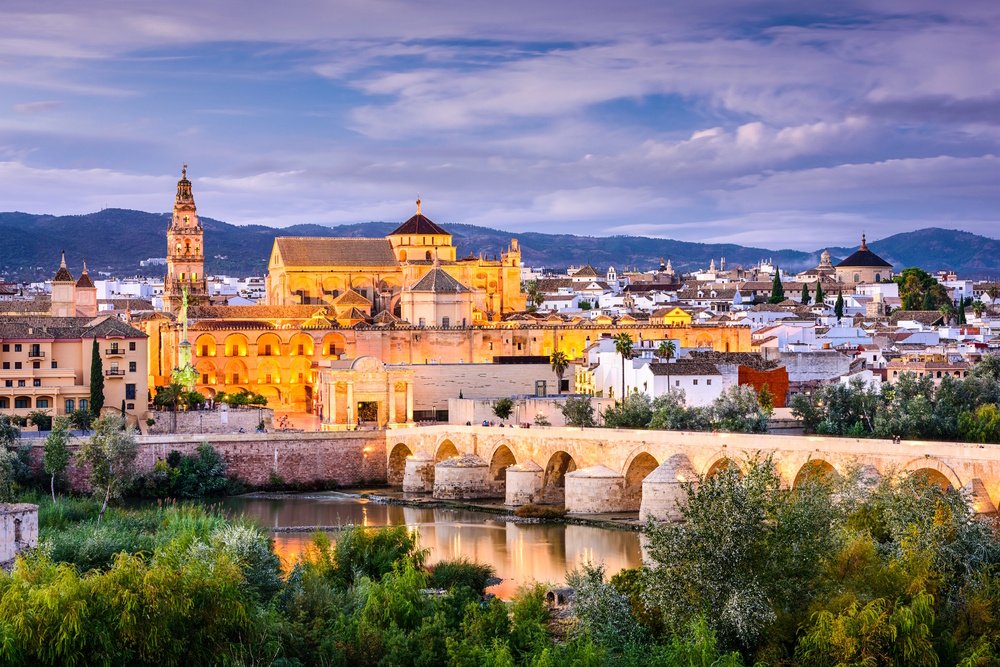
Resting in the rolling hills of central Argentina along the Suquia river, Córdoba is the second-largest city in the country and the premier academic center of the interior. Founded in 1573, the city is famous for the Jesuit Block (Manzana Jesuítica), a UNESCO World Heritage site containing the National University of Córdoba, founded in 1613 as the oldest university in Argentina, and beautifully preserved seventeenth-century baroque cloisters and chapels.
Nicknamed La Docta for its deep academic tradition, Córdoba is populated by over two hundred thousand university students who energize bohemian neighborhoods like Guemes, filled with artisan street markets, craft cocktail bars, and music clubs playing quarteto music, the beloved local dance genre. The city also serves as a major manufacturing powerhouse for automotive brands like Renault and Fiat.
1. Buenos Aires (approx. 3,100,000 residents)
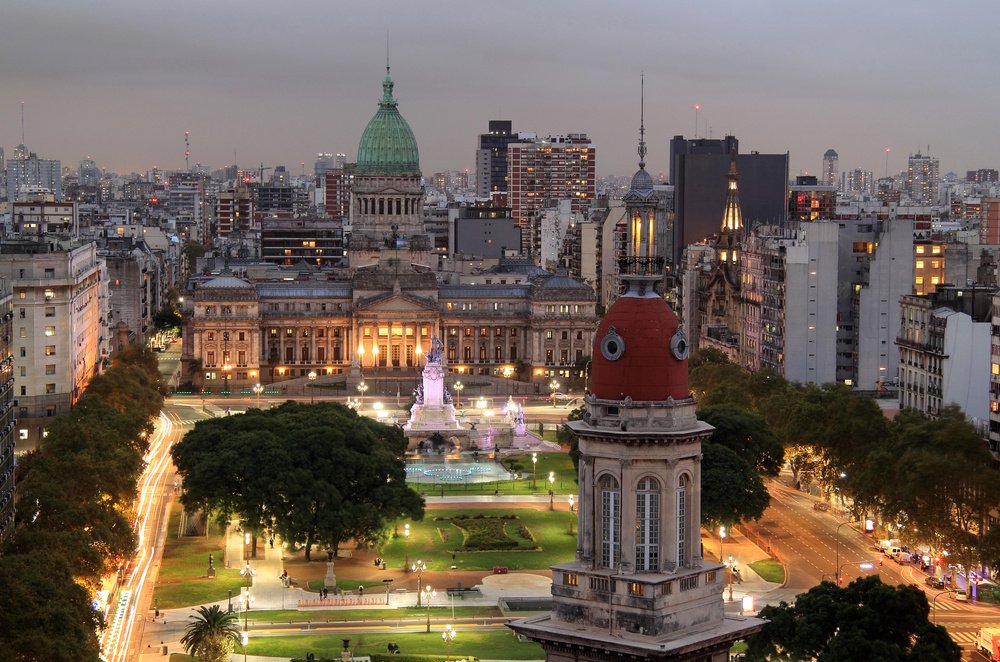
Buenos Aires, the sophisticated Paris of South America, stands supreme as the monumental capital of Argentina and one of the world’s great cultural metropolises, situated along the Rio de la Plata estuary. While the central autonomous federal city houses roughly 3.1 million residents, the contiguous Greater Buenos Aires conurbation encompasses over thirteen million inhabitants, representing nearly a third of the nation. The iconic Obelisco towers over Avenida 9 de Julio, one of the widest boulevards in the world, surrounded by grand Belle Epoque palaces and historic theaters like the world-renowned Teatro Colon.
Each distinct barrio tells a chapter of the city’s soul, from the colorful corrugated iron houses of Italian dockworkers in La Boca and the birthplace of tango in San Telmo to the French-style mansions of Recoleta and the leafy boutiques of Palermo. Modern Buenos Aires is a global titan of literature, arts, and culinary innovation, celebrated for midnight steakhouses, historic literary cafes like Cafe Tortoni, and passionate football rivalries at Boca Juniors and River Plate.
Conclusion
Argentina’s largest cities capture a mesmerizing synthesis of colonial Spanish roots, European immigrant grandeur, and rich regional folklore. From the tango clubs and wide avenues of Buenos Aires to the Jesuit university cloisters of Córdoba and the Andean beauty of Salta, these ten urban centers represent the dynamic soul of the Argentine republic.