The continent of Europe is home to an extraordinary concentration of historic, commercial, and political metropolises that have shaped global law, architecture, and commerce for millennia. According to regional demographic studies compiled by Eurostat, more than seventy-five percent of Europeans reside in urban areas, with metropolitan populations reflecting centuries of industrial growth, political centralization, and cross-border trade.
Comparing the largest cities in Europe presents fascinating challenges due to varying administrative definitions. Some rankings evaluate strictly defined municipal borders, whereas others assess contiguous urban agglomerations and regional commuter zones. Taking into account broader urban metropolitan areas across the European continent, several megacities boast populations surpassing ten million residents.
From the shores of the Bosporus and the vast plains of eastern Europe to the royal capitals of the west, here are the top 10 largest cities in Europe by metropolitan urban population, counting down to number one.
10. Bucharest (Romania): ~1.8 Million Residents
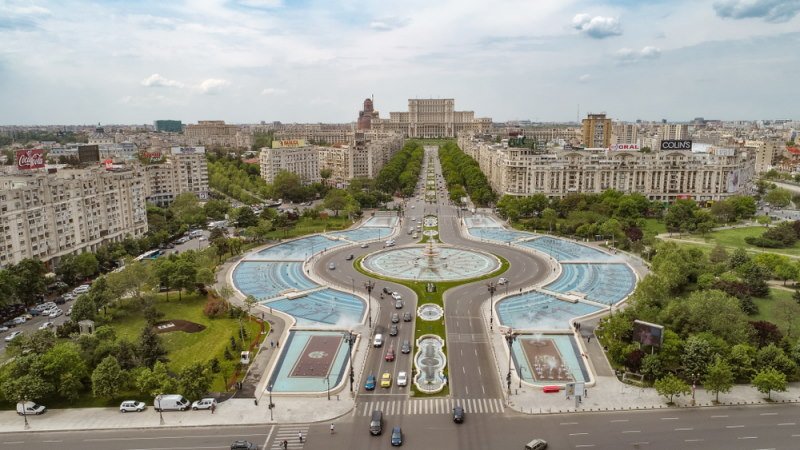
Bucharest is the commercial and political capital of Romania, situated on the Dâmbovița River in the historical region of Wallachia. During the early twentieth century, the city earned the glamorous title of “Little Paris of the East” (Micul Paris) for its elegant neoclassical architecture, wide tree-lined boulevards, and cosmopolitan French cultural influence.
During the communist era, Nicolae Ceaușescu reshaped the city center, constructing the colossal Palace of the Parliament, the second-largest administrative building on Earth after the Pentagon, requiring millions of tons of Romanian marble, crystal, and bronze. Today, Bucharest has reinvented its energetic Old Town (Lipscani) and emerged as a leading technology and software engineering center in southeastern Europe.
9. Vienna (Austria): ~2.0 Million Residents
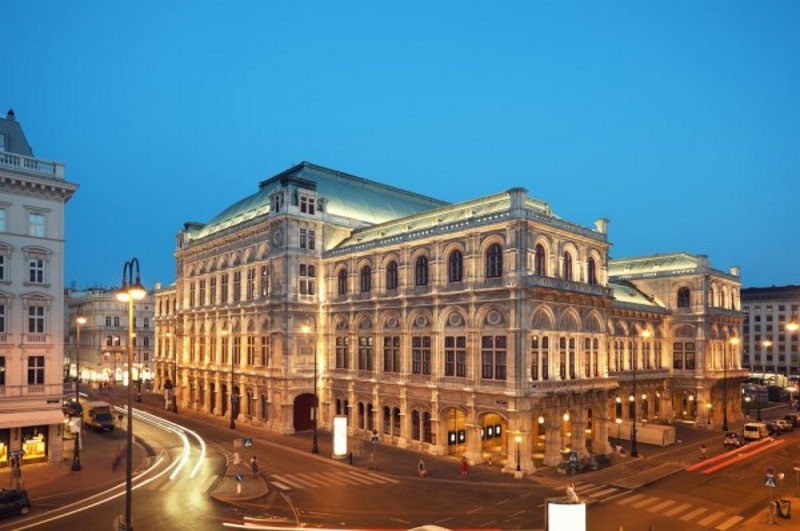
Vienna curves gracefully along the banks of the Danube River, serving as the proud capital of Austria and the former imperial heart of the vast Habsburg Monarchy. For centuries, Vienna was the undisputed classical music capital of the world, fostering the masterworks of Wolfgang Amadeus Mozart, Ludwig van Beethoven, Franz Schubert, and Johann Strauss.
The city’s historic center is encircled by the grand Ringstraße boulevard, lined with monumental nineteenth-century landmarks including the Vienna State Opera, the Parliament, and the imperial Hofburg Palace. Consistently ranked by international quality-of-life indices as one of the most livable cities on Earth, modern Vienna hosts major United Nations agencies and is famous worldwide for its traditional coffeehouse culture.
8. Berlin (Germany): ~3.9 Million Residents
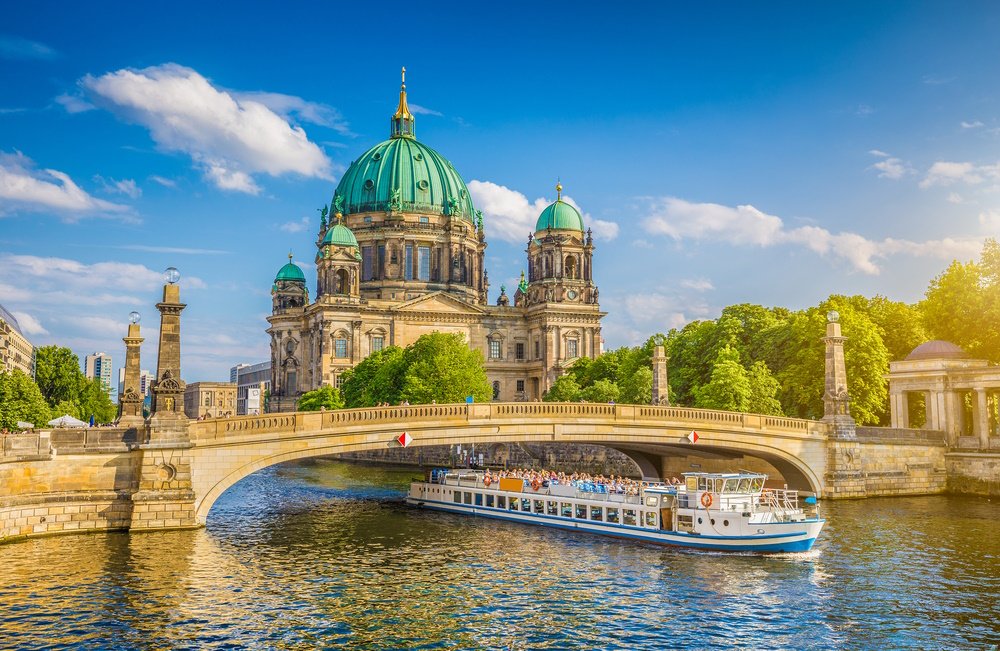
Berlin is Germany’s federal capital and largest municipality, located along the Spree and Havel rivers in the northeastern plains. Few metropolises have experienced such monumental twentieth-century drama, from wartime destruction to its decades-long partition during the Cold War and the joyous fall of the Berlin Wall in 1989.
Today, Berlin is renowned as a global capital of culture, progressive politics, and creative nightlife. The city’s landscape features iconic landmarks like the Brandenburg Gate, the renovated Reichstag building with its glass dome, and Museum Island, housing exceptional antiquities like the Pergamon Altar and the bust of Nefertiti, while its bustling startup scene attracts international talent.
7. Rome (Italy): ~4.3 Million Residents
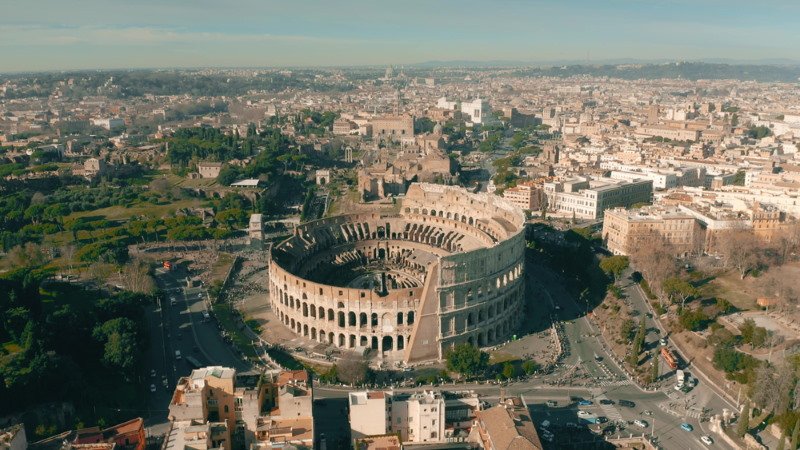
Rome stands as the Eternal City, an epic urban expanse where twenty-eight centuries of human history layer upon the banks of the Tiber River. Serving as the cradle of Western civilization, Rome was the capital of the Roman Republic and Empire, leaving behind monumental architectural masterpieces including the Colosseum, the Pantheon, and the Roman Forum.
Enclosed entirely within Rome’s municipal borders lies the sovereign enclave of Vatican City, the spiritual heart of the Roman Catholic Church, centered around St. Peter’s Basilica and the Sistine Chapel. With roughly 4.3 million residents across its broader metropolitan area, Rome remains Italy’s political capital and a magnet for international travelers, artists, and scholars.
6. Saint Petersburg (Russia): ~5.4 Million Residents
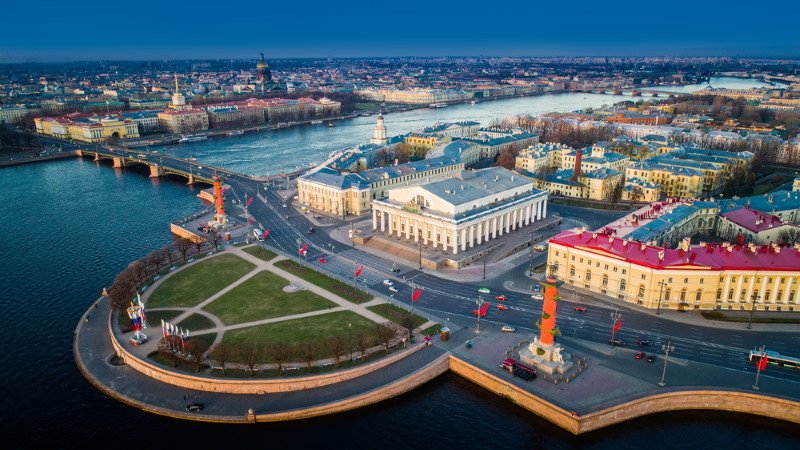
Founded in 1703 by Tsar Peter the Great on the marshy delta of the Neva River where it meets the Baltic Sea, Saint Petersburg was constructed as Russia’s “Window to Europe.” Sliced by dozens of rivers and canals crossed by ornate bridges, the city is frequently celebrated as the Venice of the North.
The city’s entire historic center is a designated UNESCO World Heritage site, famous for baroque and neoclassical imperial palaces including the Winter Palace, which houses the State Hermitage Museum, one of the largest art museums in the world. Saint Petersburg remains Russia’s primary cultural capital, renowned for the Mariinsky Ballet and the magical White Nights of midsummer.
5. Madrid (Spain): ~6.8 Million Residents
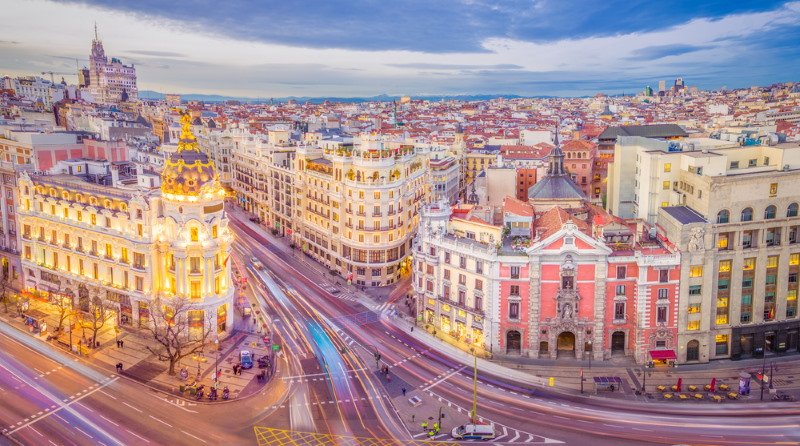
Madrid sits upon the high Castilian meseta in the geographic center of the Iberian Peninsula, functioning as the political, financial, and cultural locomotive of Spain. While the central municipality contains around 3.3 million inhabitants, the surrounding Community of Madrid metropolitan conurbation supports roughly 6.8 million people.
Home to the Spanish royal family and national government, Madrid boasts the majestic Royal Palace, the historic Plaza Mayor, and the world-renowned Golden Triangle of Art, anchored by the Prado Museum, the Reina Sofía, and the Thyssen-Bornemisza. The metropolis is famous for its energetic street life, lively tapas quarters, and sprawling green spaces like El Retiro Park.
4. Paris (France): ~12.5 Million Residents
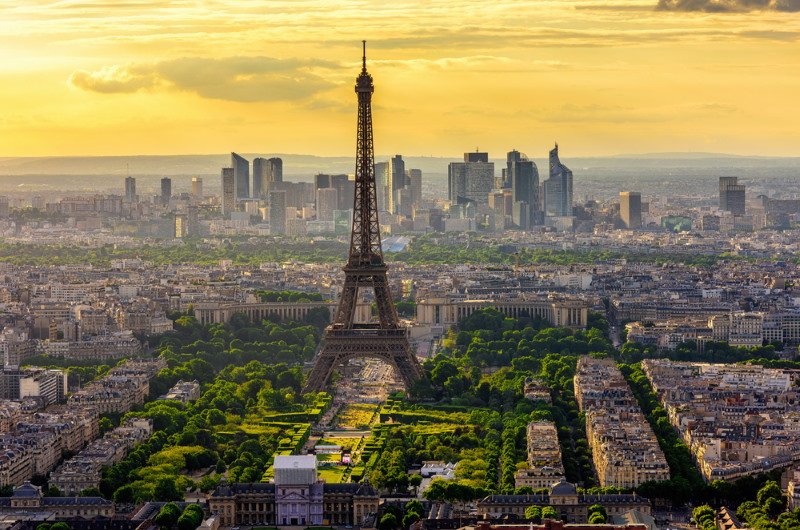
Paris anchors western European commerce, philosophy, fashion, and art from the banks of the Seine River. While the central historic commune of Paris contains roughly two million residents within its ring road, its broader functional urban region (aire d’attraction) supports over 12.5 million inhabitants across the Île-de-France region.
Globally celebrated for its tree-lined Haussmannian boulevards, the city is crowned by iconic monuments including the Eiffel Tower, the Arc de Triomphe, and Notre-Dame Cathedral. Housing the Louvre, the world’s most visited art museum, Paris generates a substantial percentage of the French national economy while leading international culinary trends and luxury retail.
3. London (United Kingdom): ~9.8 Million Residents
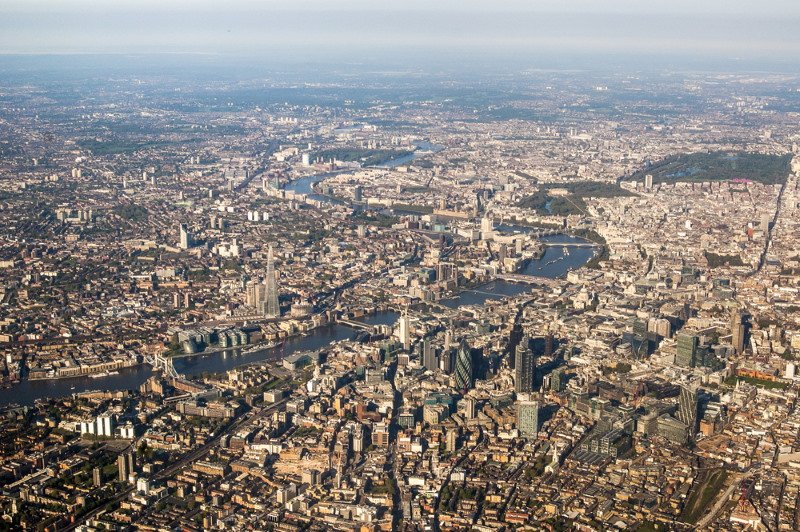
London stands as one of the world’s preeminent financial, legal, and cultural capitals, developed around the tidal waters of the River Thames since its founding as Roman Londinium two millennia ago. Encompassing thirty-two autonomous boroughs surrounding the historic Square Mile of the City of London, the Greater London urban agglomeration accommodates nearly ten million people.
The metropolis exercises immense global influence across finance, theater, fashion, and media, anchored by institutions like the Bank of England and the West End theatre district. With iconic landmarks including the Houses of Parliament, the Tower of London, and Buckingham Palace, London sustains extraordinary cultural diversity, with over three hundred languages spoken across its neighborhoods.
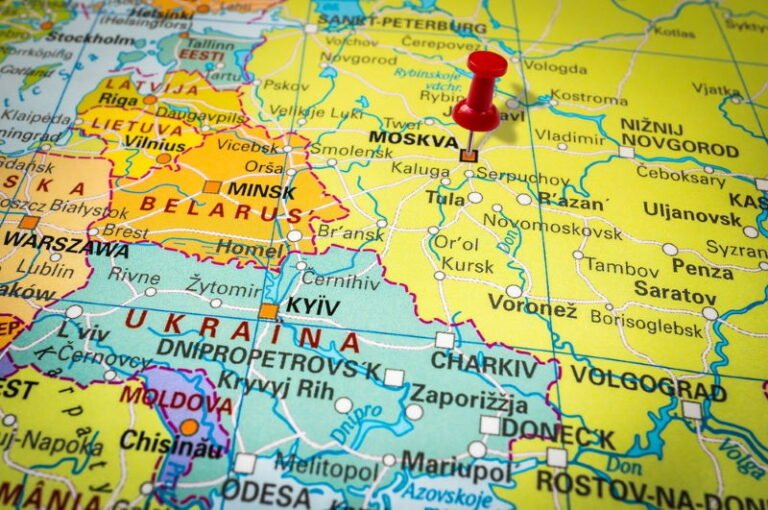
2. Moscow (Russia): ~12.8 Million Residents
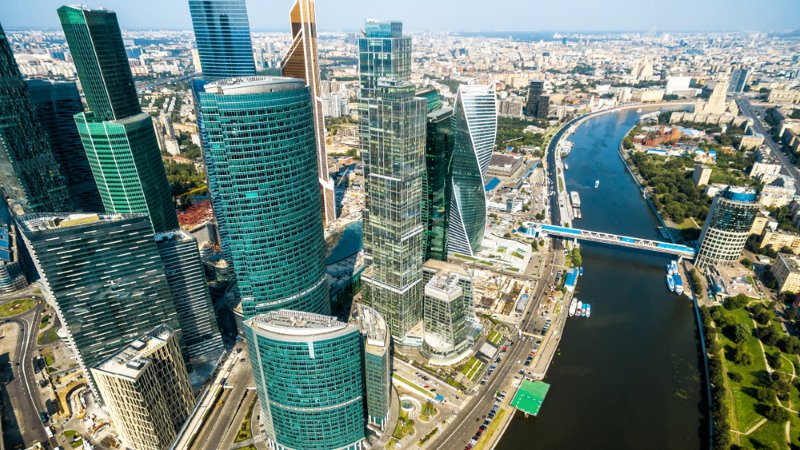
Moscow is the gigantic political, economic, and cultural locomotive of Russia and the most populous city located entirely within the European continent. Centered on the Moskva River, the city expanded historically outward in concentric rings, from the red-brick ramparts of the Kremlin and Red Square to the modern Garden Ring and Moscow Ring Road.
The city’s visual identity blends medieval Russian Orthodox masterpieces like the colorful onion domes of Saint Basil’s Cathedral with the monumental Stalinist skyscrapers known as the Seven Sisters. Operating one of the most magnificent and heavily used rapid transit systems on Earth, the Moscow Metro, the city serves as the financial, transportation, and industrial center of eastern Europe.
1. Istanbul (Turkey): ~15.8 Million Residents
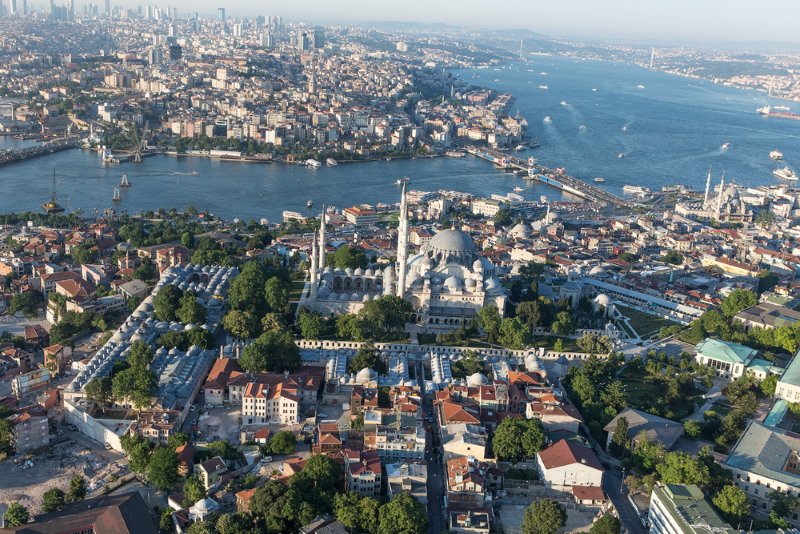
Straddling the legendary Bosphorus Strait that separates Europe from Asia, Istanbul is a monumental transcontinental metropolis and the largest city in Europe by population. Serving successively as the imperial capital of the Roman, Byzantine, Latin, and Ottoman empires under the names Byzantium and Constantinople, Istanbul has been an essential bridge between civilizations for over twenty-five centuries.
The city’s European historic peninsula is crowned by magnificent architectural treasures, including the Hagia Sophia, the Blue Mosque (Sultanahmet), and Topkapi Palace, alongside the vast labyrinth of the Grand Bazaar. Balancing ancient imperial mosques with ultra-modern financial skyscrapers in Levent and Maslak, Istanbul’s European sectors alone house around ten million inhabitants, with millions more residing on the Asian shore, making it an extraordinary global crossroads.
Conclusion
Europe’s largest metropolises reflect centuries of imperial ambition, democratic revolution, and economic dynamism. From transcontinental trading bridges to financial capitals and artistic havens, these ten urban giants will continue to anchor European identity and international influence in the decades ahead.