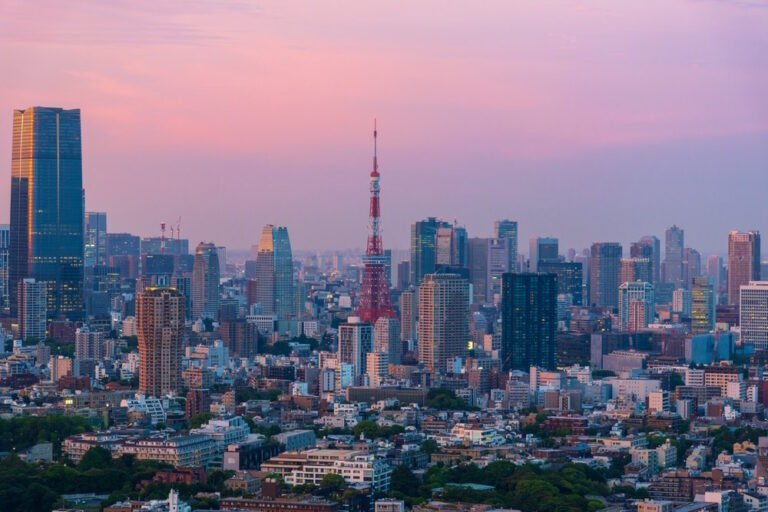
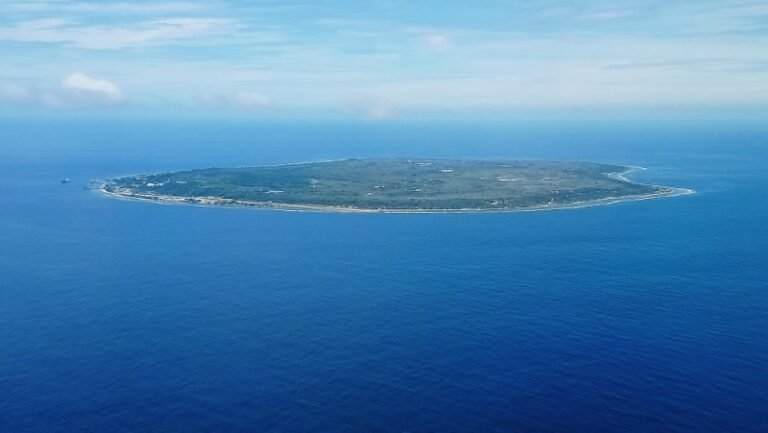
The Socialist Republic of Vietnam extends in an elegant S-shape along the eastern coastline of the Indochinese Peninsula, bounded by the South China Sea (East Sea) and dominated by the alluvial deltas of the Red River in the north and the Mekong River in the south. Centuries of imperial dynastic rule in royal citadels, French colonial architectural patronage, and dramatic post-war economic renewal under the Doi Moi reforms transformed an agrarian society into a dynamic manufacturing powerhouse. According to official municipal population statistics released by the General Statistics Office of Vietnam (GSO), over thirty-eight percent of the Vietnamese populace lives in urban areas, with urbanization accelerating rapidly across coastal shipping corridors and river basins.
Vietnamese cities are celebrated worldwide for their energetic street-food culture, thousands of motorbikes moving in graceful synchrony through tree-lined boulevards, and historic quarters where ancient Chinese temples sit beside neoclassical French colonial mansions. From highland mist-covered coffee centers to bustling maritime container harbors and UNESCO-inscribed royal monuments, regional hubs preserve distinct regional traditions and dialects. Examining the ten largest cities provides insight into how history, commerce, and industrious modernization define contemporary Vietnam.
10. Nha Trang (approx. 535,000 residents)
Curving along a picturesque coastal bay in Khanh Hoa Province, Nha Trang is celebrated across Southeast Asia as the premier seaside resort and marine tourism capital of Vietnam. The city is bounded by pristine sandy beaches and turquoise waters dotted with dozens of tropical islands. Above the Cai River stands the ancient Po Nagar Cham Towers, a sacred Hindu temple complex constructed between the seventh and twelfth centuries by the Cham civilization, where ceremonies honoring goddess Yan Po Nagar continue today.
Nha Trang functions as a primary center for oceanographic research, home to the National Oceanographic Museum of Vietnam, established in 1922. The city’s coastal boulevard is lined with luxury hotels, seafood taverns serving fresh lobster and bird nest delicacies, and an aerial cable car linking the city to VinWonders amusement resort across the bay.
9. Buon Ma Thuot (approx. 540,000 residents)
Resting on the fertile red-basalt plateau of Dak Lak Province in the Central Highlands, Buon Ma Thuot is universally recognized as the coffee capital of Vietnam. The country is the world’s second-largest exporter of coffee and the premier producer of Robusta beans, with the vast majority harvested in the misty plantations surrounding this highland city. The city hosts the World Coffee Museum, an architectural showcase inspired by traditional communal longhouses of the indigenous Ede and M’nong ethnic minorities.
Buon Ma Thuot holds rich cultural heritage, famous for the Central Highlands gong culture, proclaimed by UNESCO as a Masterpiece of Oral and Intangible Heritage. The city also serves as an eco-tourism gateway to Yok Don National Park, where Asian elephants roam through dry deciduous forests.
8. Vinh (approx. 580,700 residents)
Situated in northern central Vietnam along the Lam River near the coast, Vinh serves as the administrative, cultural, and educational center of Nghe An Province. Completely rebuilt on modern functionalist principles following catastrophic destruction during the Vietnam War, the city is arranged around spacious public squares, wide tree-lined boulevards, and the grand central square of Quang Truong Ho Chi Minh, adorned with a monumental statue of the national leader.
Vinh holds sacred resonance in modern national history as the neighboring district to Kim Lien, the birthplace village of President Ho Chi Minh, which attracts hundreds of thousands of pilgrims annually. Modern Vinh is an important industrial transit hub for road and rail routes connecting Hanoi with central Vietnam and neighboring landlocked Laos.
7. Hue (approx. 1,433,000 residents)
Straddling the romantic banks of the Perfume River in central Vietnam, Hue was the glorious royal capital of the Nguyen Dynasty from 1802 to 1945. The heart of the city is the monumental Imperial Citadel (Dai Noi), an expansive UNESCO World Heritage site modeled after Beijing’s Forbidden City, enclosed by thick stone ramparts, moats, and the iconic Flag Tower. Dotted across the forested hills surrounding the river lie the majestic imperial tombs of emperors like Tu Duc, Khai Dinh, and Minh Mang, surrounded by lotus ponds and pine groves.
Hue is revered as the cultural and culinary soul of Vietnam, famous for Royal Court Cuisine (am thuc cung dinh), an elaborate gastronomy featuring dozens of delicate, artistic dishes once served to Nguyen emperors, alongside spicy street specialties like Bun Bo Hue. The ancient Thien Mu Pagoda, with its seven-story octagonal tower, watches serenely over the river.
6. Da Nang (approx. 3,065,600 residents)
Located on the central coast along the Han River where mountains plunge into the South China Sea, Da Nang is widely celebrated as the most liveable modern metropolis in Vietnam. The city skyline is bridged by architectural marvels, most famously the Dragon Bridge, a colossal golden dragon that breathes real fire and water on weekend evenings, and the Golden Bridge in the Ba Na Hills, supported by two gigantic stone hands emerging from the mist. Nearby, the dramatic limestone karsts of the Marble Mountains house Buddhist cave shrines.
Da Nang is an economic powerhouse, operating high-tech industrial parks, international container ports, and premier beach resorts along My Khe Beach. The Museum of Cham Sculpture houses the world’s finest collection of sandstone and terracotta sculptures from the ancient Champa kingdom.
5. Can Tho (approx. 4,199,800 residents)
Positioned on the southern bank of the Hau River, a major distributary of the Mekong River, Can Tho reigns as the undisputed economic, cultural, and agricultural capital of the Mekong Delta. The city is famous throughout Southeast Asia for the Cai Rang Floating Market, a bustling dawn market where hundreds of wooden boats congregate on the river, displaying produce on tall bamboo poles (beo) to trade watermelons, pineapples, and fresh river fish. The scenic Ninh Kieu wharf promenade features riverside gardens, boutique cafes, and pedestrian bridges.
Can Tho University anchors international research in agricultural biotechnology and aquaculture, developing climate-resilient rice crops for the fertile delta, which serves as the national rice bowl of Vietnam. The city preserves historic southern architecture at the Binh Thuy Ancient House, a nineteenth-century French-Vietnamese mansion featured in international cinema.
4. Bien Hoa (approx. 4,491,400 residents)
Located thirty kilometers northeast of Ho Chi Minh City along the Dong Nai River, Bien Hoa is the capital of Dong Nai Province and the industrial heavy-manufacturing pioneer of southern Vietnam. Originally established as a seventeenth-century trading post where Chinese immigrants and Vietnamese settlers founded commercial markets, the city developed into an industrial titan following the establishment of the Bien Hoa Industrial Zone in 1963, the oldest planned industrial park in modern Vietnam.
Today, the city hosts dozens of expansive industrial zones producing footwear, electronics components, consumer appliances, and chemical materials for multinational corporations. The historic Buu Long tourist area, often described as a miniature inland Ha Long Bay, features limestone karst formations rising out of tranquil freshwater lakes.
3. Haiphong (approx. 4,664,100 residents)
Resting on the coastal delta of the Cam River roughly one hundred kilometers east of Hanoi, Haiphong is the premier industrial seaport of northern Vietnam. Known affectionately as the City of Red Flame Flowers due to thousands of red poinciana trees that blaze across its boulevards every summer, the city retains elegant French colonial architecture, tree-lined squares, and the historic Haiphong Opera House. The Port of Haiphong stands as the second-largest maritime shipping port in the nation, handling international container traffic for northern industrial corridors.
Haiphong is a heavyweight manufacturing powerhouse, home to the sprawling production complex of VinFast, Vietnam’s pioneering electric vehicle automaker, alongside massive electronics factories for LG Electronics. Across the bay lies the UNESCO World Heritage archipelago of Cat Ba Island, renowned for dramatic karst islands and subtropical marine biodiversity.
2. Hanoi (approx. 8,807,500 residents)
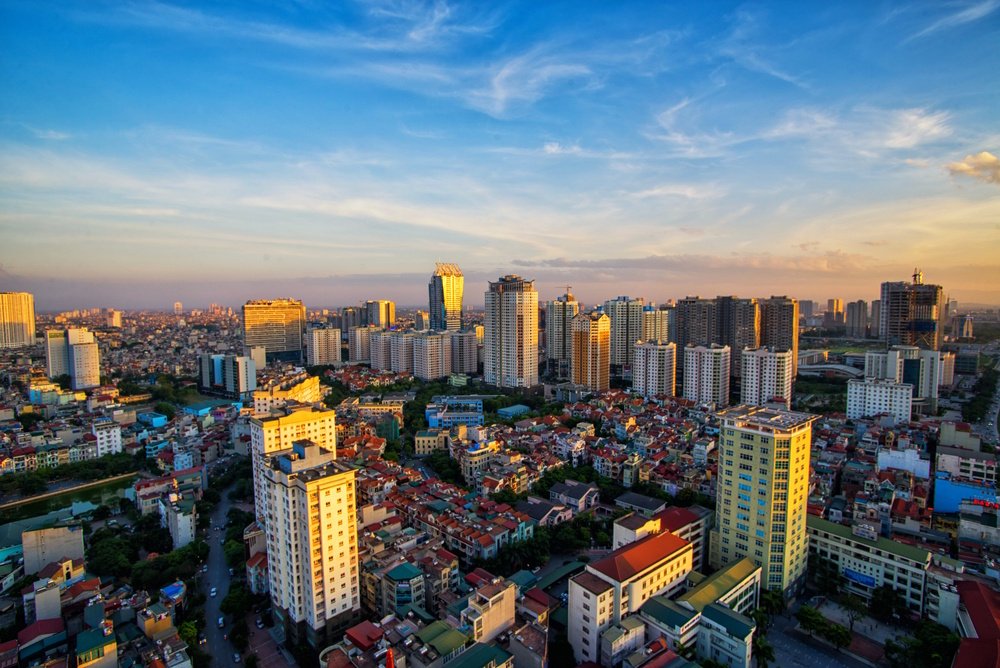
Hanoi, the thousand-year-old capital of Vietnam, rests serenely on the banks of the Red River, steeped in poetry, imperial scholarship, and political gravitas. Founded in 1010 AD by King Ly Thai To as Thang Long (Ascending Dragon), the historic soul of the city lives within the labyrinthine Old Quarter, thirty-six ancient trade streets named for the crafts historically practiced there, and around the peaceful waters of Hoan Kiem Lake, centered on the ancient Turtle Tower. The historic Temple of Literature, founded in 1070, preserves ancient stone steles honoring centuries of Confucian royal scholars.
The capital presents a rich architectural contrast between French neoclassical colonial villas in the French Quarter, tree-lined boulevards, and modern skyscraper districts like Keangnam Landmark 72 and the Lotte Center. As the political and administrative seat of the nation, Hanoi houses the solemn Ho Chi Minh Mausoleum and the National Assembly, alongside an internationally acclaimed culinary scene renowned for authentic pho bo and egg coffee.
1. Ho Chi Minh City (approx. 14,002,600 residents)
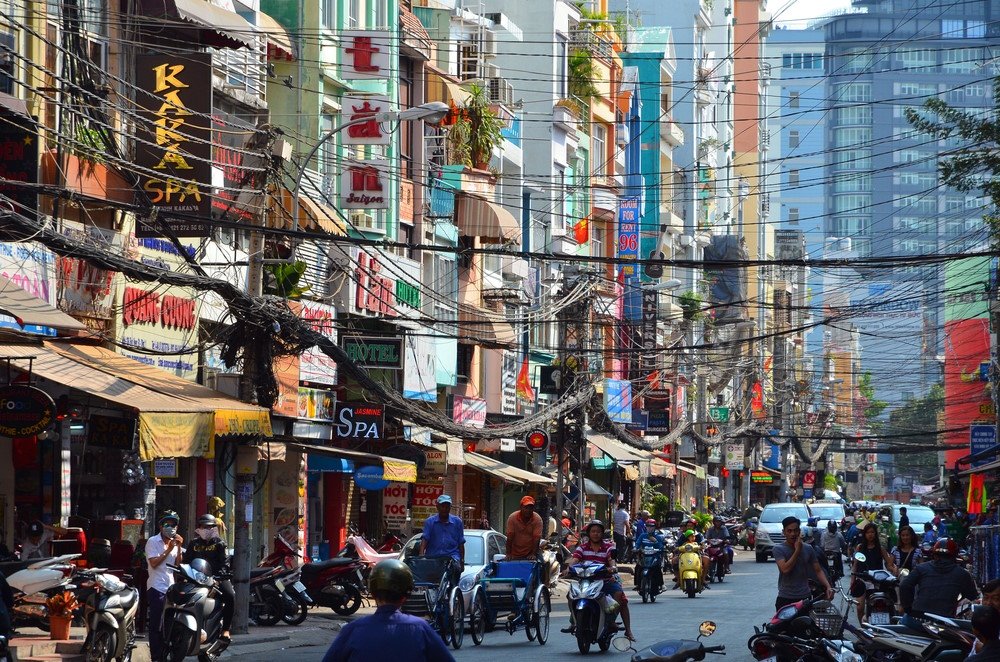
Ho Chi Minh City, formerly known and still affectionately called Saigon, stands supreme as the colossal economic powerhouse, financial titan, and largest metropolis in Vietnam. Situated along the meandering curves of the Saigon River, this energetic city buzzes with twenty-four-hour energy, accommodating over fourteen million residents within a dynamic urban landscape. The city skyline is dominated by Landmark 81, an eight-hundred-and-sixty-meter bamboo-inspired glass skyscraper that stands as the tallest building in Vietnam and one of the tallest in Asia.
Historic colonial treasures like the Central Post Office designed by Gustave Eiffel, the Saigon Opera House, and the neo-Romanesque Notre Dame Cathedral of Saigon stand in quiet dignity beside futuristic luxury megamalls in District 1. Squeezed between neon-lit alleys packed with sizzling street food stalls, the historic Ben Thanh Market, and thriving tech startups, Ho Chi Minh City drives more than twenty percent of the nation’s entire economic output, representing the ambitious modern future of Vietnam.
Conclusion
Vietnam’s largest cities capture a compelling balance between ancient imperial dynasties, resilient cultural traditions, and rapid economic modernization. From the thousand-year-old lakes and temples of Hanoi and the royal citadels of Hue to the industrial docks of Haiphong and the boundless commercial drive of Ho Chi Minh City, these ten urban centers define the spirit, resilience, and prosperity of the Vietnamese nation.