Brazil possesses a vast, continent-spanning urban landscape shaped by Atlantic coastal colonization, regional agricultural booms, and bold mid-twentieth-century interior expansion. According to demographic census data published by the Brazilian Institute of Geography and Statistics (IBGE), nearly eighty-eight percent of Brazil’s population lives in cities, making it one of the most urbanized nations in the Americas.
In Brazilian administrative law, municipalities (municípios) represent autonomous governing entities comprising both an urban municipal seat and any rural districts within that perimeter. Because urban sprawl connects many state capitals into expansive metropolitan conurbations, economic and cultural life often encompasses neighboring suburban municipalities that house millions of additional workers.
From historic colonial ports in the Northeast to the modernist capital of the interior plateau and the skyscraper canyons of the Southeast, here are the top 10 largest cities in Brazil by municipal population.
10. Goiânia (Goiás): ~1.49 Million Residents
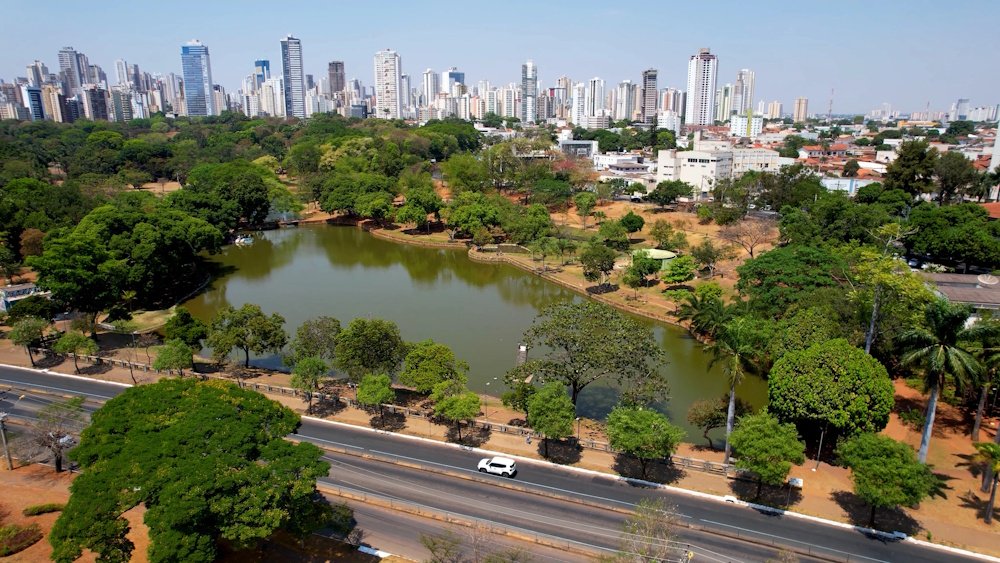
Situated on the central Brazilian plateau in the state of Goiás, Goiânia was founded in 1933 as a planned capital to replace the historic colonial town of Goiás Velho. Designed with expansive green avenues and public squares, the city preserves one of the world’s most significant collections of Art Deco architecture, constructed during the 1930s and 1940s.
Goiânia is famous throughout Brazil for its extraordinary ratio of green space, boasting dozens of lush municipal parks such as Flamboyant Park and Vaca Brava Park. As a primary economic gateway for Brazil’s booming agricultural and cattle ranching heartland, the city is also celebrated as the national capital of sertanejo music, Brazil’s popular country music genre.
9. Recife (Pernambuco): ~1.49 Million Residents
Recife is the coastal capital of Pernambuco in northeastern Brazil, located where the Beberibe and Capibaribe rivers meet the Atlantic Ocean. Sliced by rivers, ocean peninsulas, and barrier islands linked by dozens of bridges, Recife has long been affectionately known as the “Venice of Brazil.”
During the seventeenth century, Recife served as the capital of Dutch Brazil under Count Johan Maurits of Nassau, creating an architectural and scientific legacy unique in South America. Today, the restored historic district of Recife Antigo is home to Porto Digital, one of Brazil’s premier technology and software startup clusters, while the city’s coastal reefs protect warm urban beaches like Boa Viagem.
8. Curitiba (Paraná): ~1.77 Million Residents
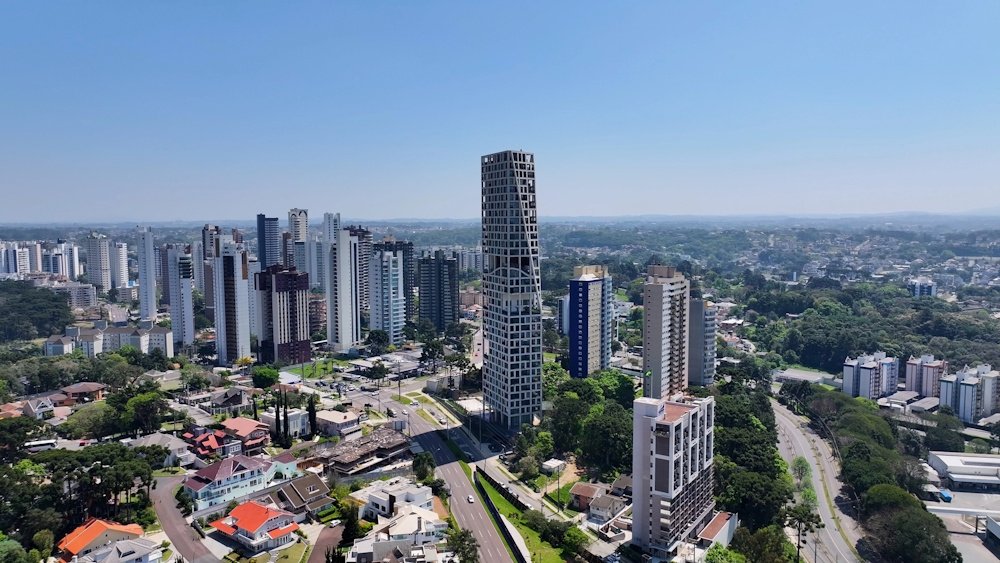
Curitiba is the capital of Paraná state in southern Brazil, situated on a high plateau roughly nine hundred meters above sea level. Historically influenced by waves of European immigration from Germany, Poland, Italy, and Ukraine, the city is internationally revered as an exemplary model of innovative, human-centered urban planning.
Under the visionary leadership of architect and mayor Jaime Lerner in the 1970s, Curitiba pioneered the world’s first Bus Rapid Transit (BRT) network, featuring dedicated express lanes and iconic tubular boarding stations that have since been adopted by hundreds of cities worldwide. Known for its immaculate Botanical Garden greenhouse and expansive public parks, Curitiba is an industrial and automotive powerhouse that enjoys one of Brazil’s highest standards of living.
7. Manaus (Amazonas): ~2.06 Million Residents
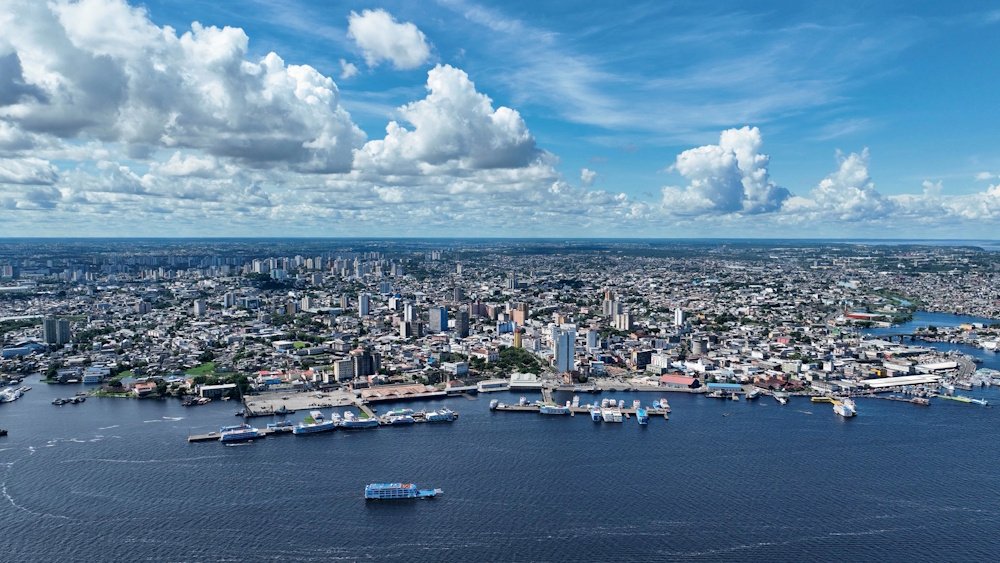
Manaus is a colossal metropolis located in the heart of the Amazon rainforest, positioned on the northern bank of the Rio Negro just before it merges with the Rio Solimões to form the mighty Amazon River. The city rose to international prominence during the late nineteenth-century Amazon rubber boom, when wealthy rubber barons built opulent European mansions and the legendary Teatro Amazonas opera house using Italian marble and French glass.
Today, Manaus is a major commercial shipping and manufacturing hub, designated as a federal Free Economic Zone (Zona Franca de Manaus) where thousands of multinational factories produce motorcycles, electronics, and consumer appliances. Squeezed between vast jungle canopies and broad freshwater rivers, the city is the premier starting point for eco-tourism expeditions exploring the Amazon basin.
6. Belo Horizonte (Minas Gerais): ~2.32 Million Residents
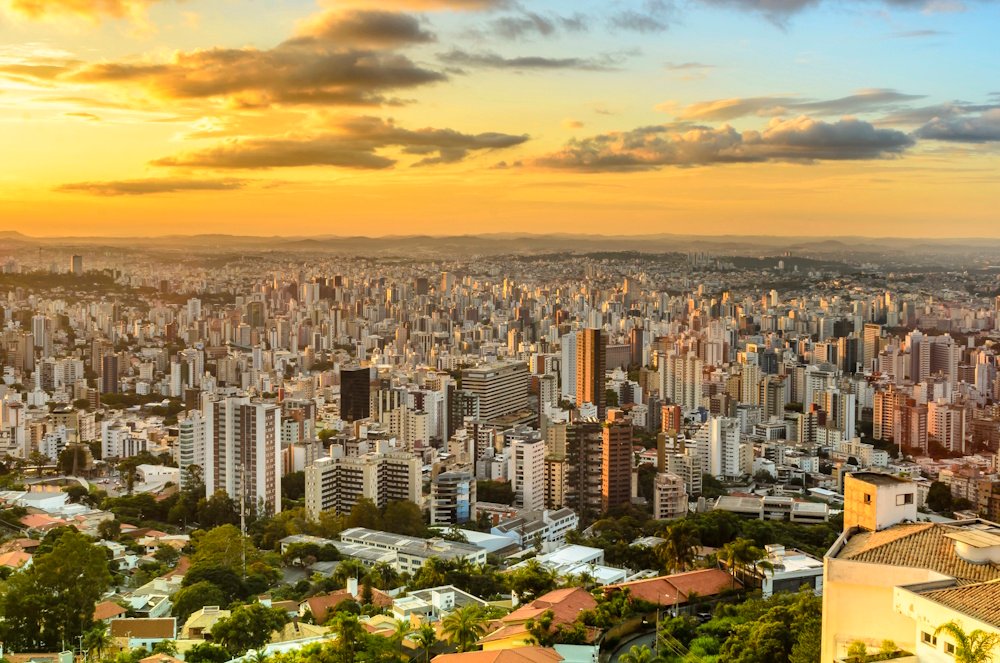
Belo Horizonte, affectionately known as Beagá, is the capital of Minas Gerais, beautifully framed by the rolling peaks of the Serra do Curral. Founded in 1897 as Brazil’s first planned modern city on a classical grid plan, it was designed to replace the colonial gold-mining capital of Ouro Preto.
The city’s architectural centerpiece is the Pampulha Modern Ensemble, designed in the 1940s by world-renowned architect Oscar Niemeyer around an artificial lake, featuring the curved concrete Church of Saint Francis of Assisi and gardens by Roberto Burle Marx. Renowned across Brazil as the national capital of botecos (traditional neighborhood bars), Belo Horizonte anchors heavy iron mining, metallurgy, and a flourishing technology startup ecosystem.
5. Salvador (Bahia): ~2.42 Million Residents
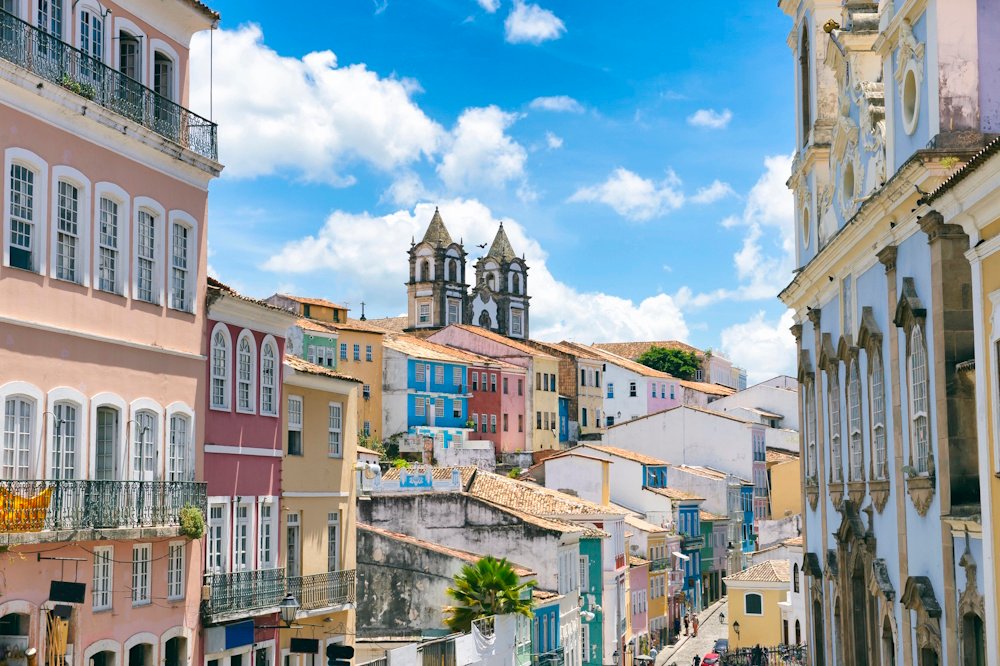
Salvador was founded by Portuguese colonists in 1549 as the first capital of Brazil, perched high on the cliffs of the vast Bay of All Saints (Baía de Todos os Santos). Divided between the coastal Cidade Baixa (Lower City) and the administrative Cidade Alta (Upper City), the two levels are linked by the iconic Art Deco public elevator, the Elevador Lacerda.
As the primary historical port of arrival for enslaved Africans during colonial centuries, Salvador is the cultural cradle of Afro-Brazilian civilization. Its UNESCO-listed Pelourinho district features cobblestone streets lined with pastel seventeenth-century baroque architecture, resonant with the rhythms of Olodum drumming, the martial art of capoeira, and rich spiritual traditions of Candomblé.
4. Fortaleza (Ceará): ~2.43 Million Residents
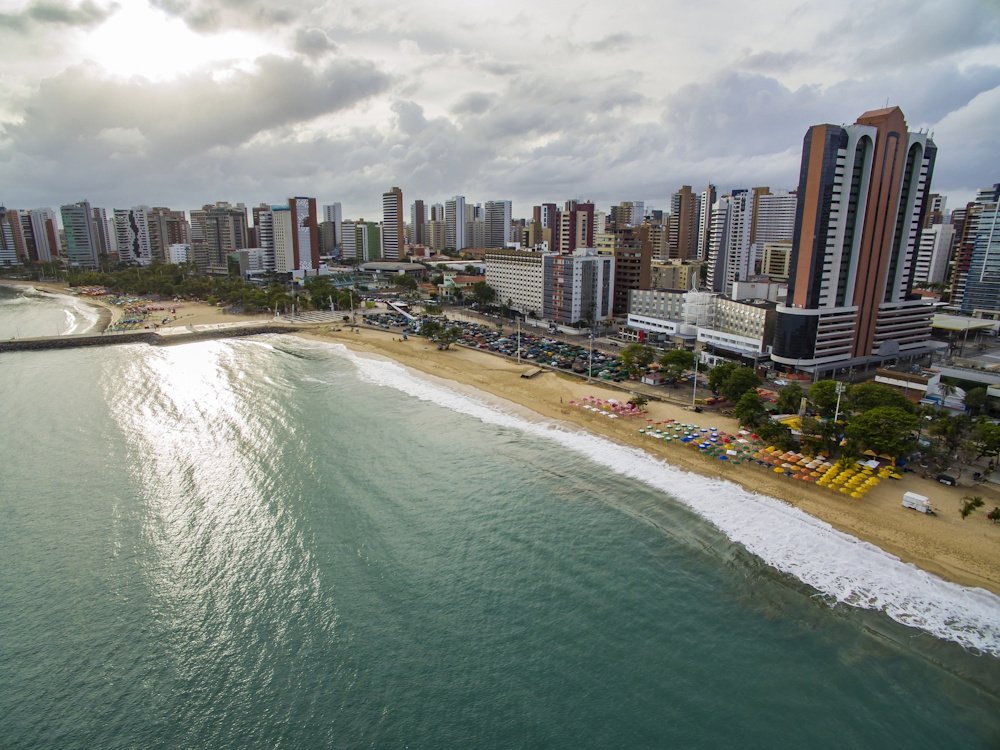
Fortaleza is the bustling capital of Ceará on Brazil’s northeastern Atlantic coast, renowned for its year-round tropical sunshine, refreshing trade winds, and thirty-four kilometers of urban golden beaches. Developed from a seventeenth-century Dutch and Portuguese fort, the city expanded rapidly in the twentieth century into one of northern Brazil’s largest commercial centers.
The city’s coastal promenade along Praia de Iracema and Meireles is famous for evening handicraft markets and regional seafood restaurants, while nearby beach dunes attract windsurfers and kitesurfers from across the globe. Fortaleza is an important regional logistics hub, hosting international subsea telecommunications cable landing stations linking South America with Africa, Europe, and North America.
3. Brasília (Federal District): ~2.82 Million Residents
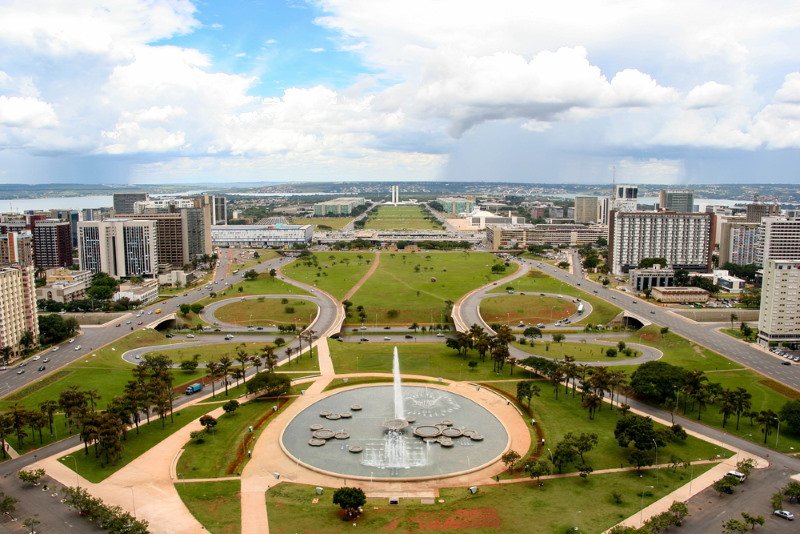
Brasília is Brazil’s purpose-built federal capital, inaugurated in 1960 under President Juscelino Kubitschek to shift the nation’s political center from the coast into the underdeveloped interior. Planned by urbanist Lúcio Costa in the shape of a colossal airplane (Plano Piloto), the city is a milestone in modernist urban design and the only twentieth-century city inscribed on the UNESCO World Heritage list.
The cityscape is defined by the monumental concrete and glass architecture of Oscar Niemeyer, including the National Congress with its contrasting domes, the soaring cathedral with parabolic columns, and the Palácio da Alvorada presidential residence. As the seat of the federal government, embassies, and supreme courts, Brasília operates an economy centered on public administration, law, and corporate finance.
2. Rio de Janeiro: ~6.21 Million Residents

Rio de Janeiro, famously dubbed the “Marvelous City” (Cidade Maravilhosa), curves between steep granite monoliths, coastal rainforests, and the Atlantic Ocean. Serving as Brazil’s national capital from 1763 until 1960, and temporarily as the royal capital of the Portuguese Empire during the Napoleonic Wars, Rio has inspired artists and travelers for centuries.
Overlooked by the colossal statue of Christ the Redeemer atop Corcovado Mountain and the iconic peak of Sugarloaf Mountain (Pão de Açúcar), the city is celebrated worldwide for the sun-drenched sands of Copacabana and Ipanema, the birth of bossa nova, and the spectacular costumes of the annual Rio Carnival parade in the Sambadrome. Rio remains an economic giant, hosting headquarters for major state energy corporations like Petrobras and media conglomerates like Grupo Globo.
1. São Paulo: ~11.45 Million Residents
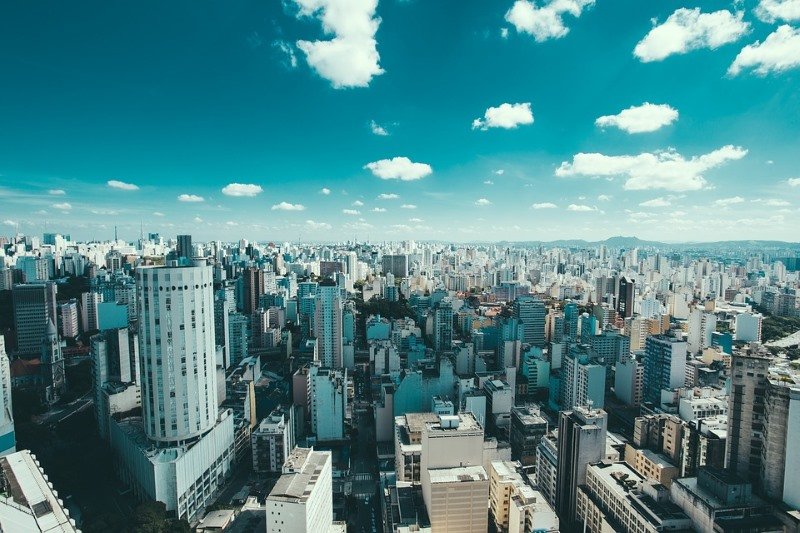
São Paulo is a colossal megalopolis that functions as the financial, industrial, and cultural locomotive of South America. While the central municipality contains over 11.4 million residents, the broader Greater São Paulo metropolitan area encompasses roughly twenty-three million people, making it the most populous urban conurbation in the Americas.
What began as a humble Jesuit mission in 1554 transformed during the late nineteenth century into an economic juggernaut driven by the international coffee trade. Today, the city is an endless forest of high-rise towers centered around Paulista Avenue, home to the B3 stock exchange and enormous immigrant diasporas, including the largest Japanese community outside Japan in Liberdade. With world-renowned gastronomy, major museums like MASP, and dynamic cultural events, São Paulo drives global commerce from morning to night.
Conclusion
Brazil’s major cities demonstrate the extraordinary geographical scope, cultural resilience, and architectural ambition of South America’s largest nation. From coastal colonial centers to modernist inland metropolises and Amazonian river ports, these ten cities continue to guide the economic and social future of the Brazilian nation.