India is home to one of the most dynamic and fast-growing urban populations on Earth, where ancient heritage blends with rapid technological and industrial expansion. According to demographic assessments tracked by the Office of the Registrar General and Census Commissioner of India, roughly thirty-six percent of the nation’s 1.4 billion people reside in urban areas, with that proportion expanding steadily as rural residents relocate to bustling commercial corridors.
Indian urban rankings are most commonly understood through metropolitan agglomerations and urban conurbations (UAs). Because administrative municipal corporations often cover only the historic municipal cores, continuous urban settlements frequently encompass neighboring municipalities and suburban industrial zones, creating colossal megacities with ten to thirty-five million inhabitants.
From historic Mogul strongholds and ancient textile hubs to world-class software technology capitals, here are the top 10 largest cities in India by metropolitan urban population.
10. Jaipur (Rajasthan): ~4.5 Million Residents
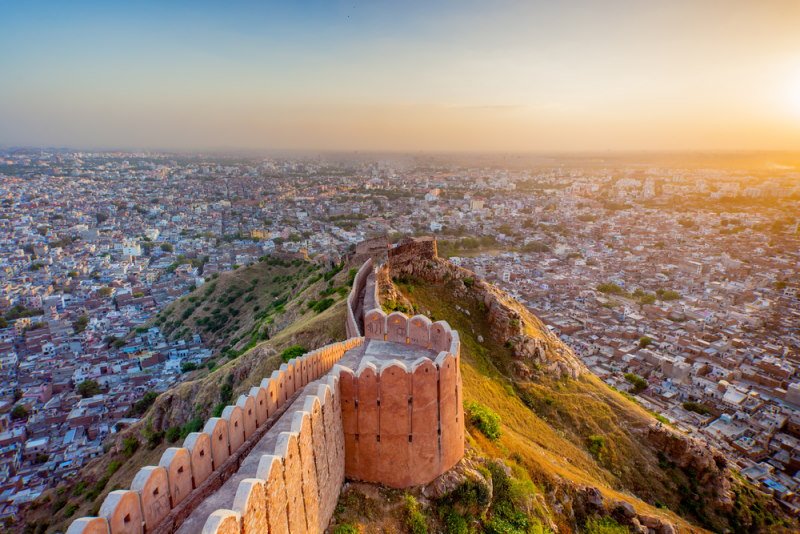
Jaipur, universally known as the “Pink City,” is the royal capital of Rajasthan in northwestern India. Founded in 1727 by Maharaja Sawai Jai Singh II, the city was planned using ancient Hindu Vastu Shastra architectural principles, making it one of India’s earliest grid-planned urban settlements.
The city received its distinctive terracotta-pink coating in 1876 when the Maharaja ordered all buildings painted to welcome the Prince of Wales, a tradition preserved by local civic law. Jaipur is world-famous for the elaborate honeycomb facade of Hawa Mahal (Palace of the Winds), the hilltop Amber Fort, and the Jantar Mantar astronomical observatory, alongside a thriving modern gemstone, jewelry, and textile economy.
9. Pune (Maharashtra): ~7.5 Million Residents
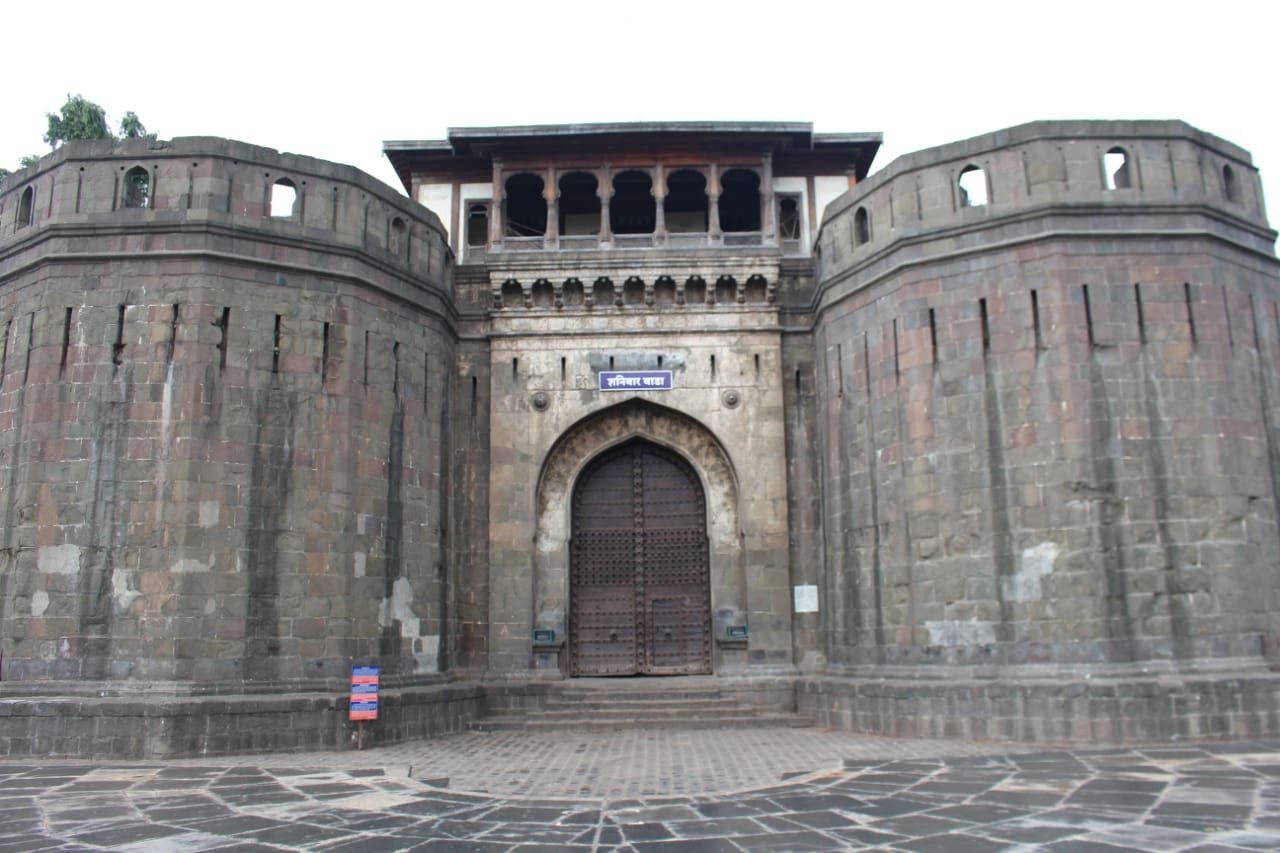
Situated on the Deccan Plateau at the confluence of the Mula and Mutha rivers, Pune was the historic eighteenth-century political capital of the Maratha Empire under the Peshwas. The city’s warrior heritage is symbolized by the massive stone fortifications of Shaniwar Wada, the grand palace-fort built in 1732.
During the nineteenth century, Pune developed into a premier educational center, earning the enduring title “Oxford of the East” from British authorities for its prestigious colleges and research institutions. Today, Pune has blossomed into one of India’s premier information technology, automotive engineering, and biotechnology corridors, hosting major corporate campuses for companies like Tata Motors, Infosys, and the Serum Institute of India, the world’s largest vaccine producer.
8. Surat (Gujarat): ~8.6 Million Residents
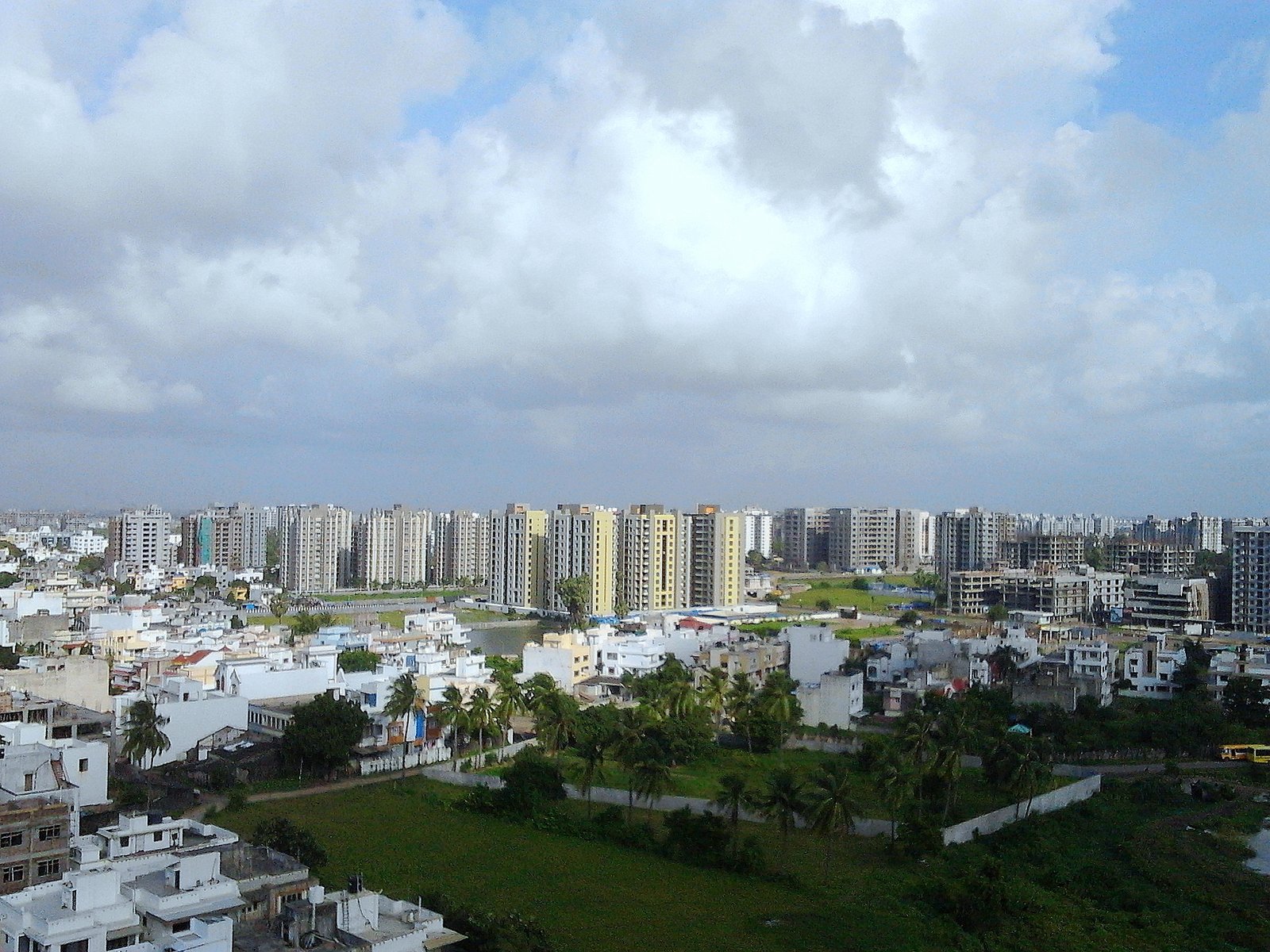
Positioned along the Tapi River near the Gulf of Khambhat in Gujarat, Surat has been an essential international trading port since ancient times, serving as the first headquarters for the English East India Company in 1612. In the late twentieth century, the city overcame a serious plague outbreak in 1994 by implementing rigorous public health standards, transforming into one of India’s cleanest and best-administered municipalities.
Today, Surat is an economic powerhouse driven by two colossal industries: diamond processing and synthetic textiles. The city cuts and polishes over ninety percent of the world’s rough diamonds, recently inaugurating the Surat Diamond Bourse, the largest single office building complex in the world. Additionally, Surat produces roughly forty percent of India’s synthetic fabrics, cementing its status as an industrial dynamo.
7. Ahmedabad (Gujarat): ~9.1 Million Residents
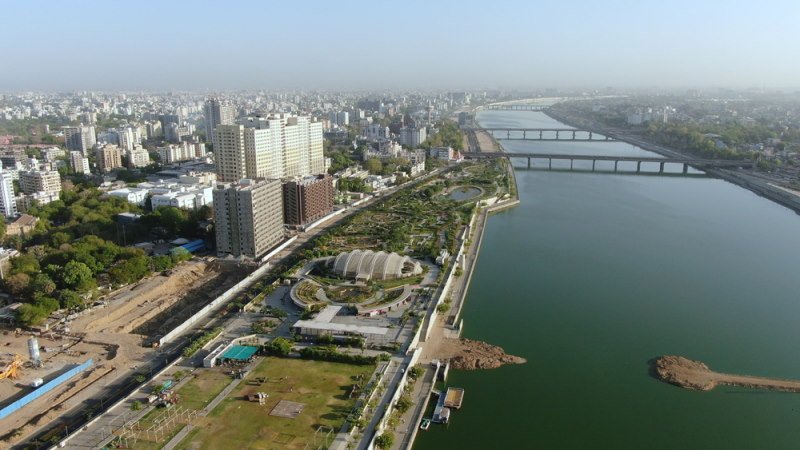
Ahmedabad is the commercial capital of Gujarat, developed along the banks of the Sabarmati River. Founded in 1411 by Sultan Ahmed Shah, the walled historic city was inscribed as India’s first UNESCO World Heritage City, celebrated for its exquisite Indo-Islamic stone architecture, carved wooden pols (residential neighborhoods), and stepwells.
The city holds profound significance in modern Indian history as the spiritual base for Mahatma Gandhi, who established the Sabarmati Ashram here and launched the historic Salt March in 1930. Often called the “Manchester of India” for its historic cotton mills, modern Ahmedabad combines a booming pharmaceutical and chemical sector with the scenic Sabarmati Riverfront promenade and the Narendra Modi Stadium, the largest cricket arena in the world.
6. Hyderabad (Telangana): ~11.4 Million Residents
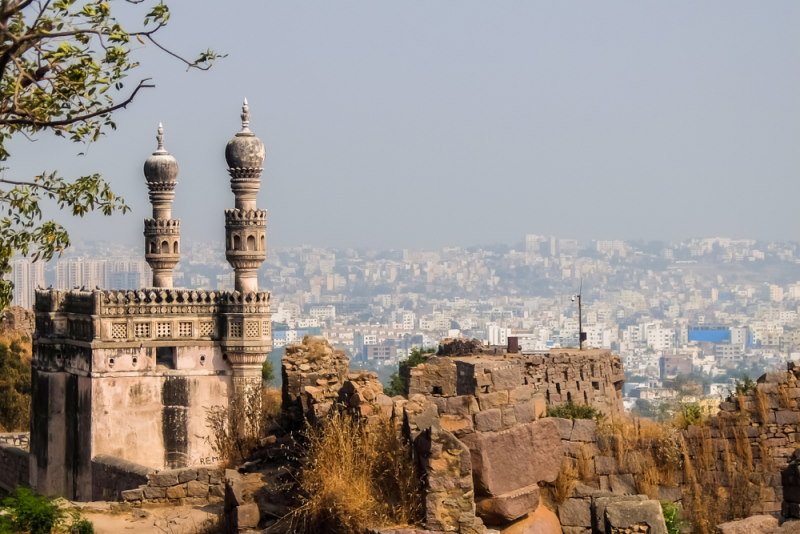
Hyderabad is the historic City of Pearls and the modern capital of Telangana, situated on the Deccan Plateau along the Musi River. Founded in 1591 by Muhammad Quli Qutb Shah, the city is instantly recognized by the Charminar, an iconic four-minaret triumphal arch that stands at the center of its bustling historic bazaar.
Historically ruled by the wealthy Nizams of Hyderabad, the city developed an aristocratic culture renowned for diamond trading, Urdu literature, and rich culinary traditions centered around Hyderabadi biryani. In the modern era, the development of HITEC City (Cyberabad) has transformed Hyderabad into one of India’s top software technology and pharmaceutical research centers, housing major global campuses for Microsoft, Google, and Amazon.
5. Chennai (Tamil Nadu): ~12.3 Million Residents
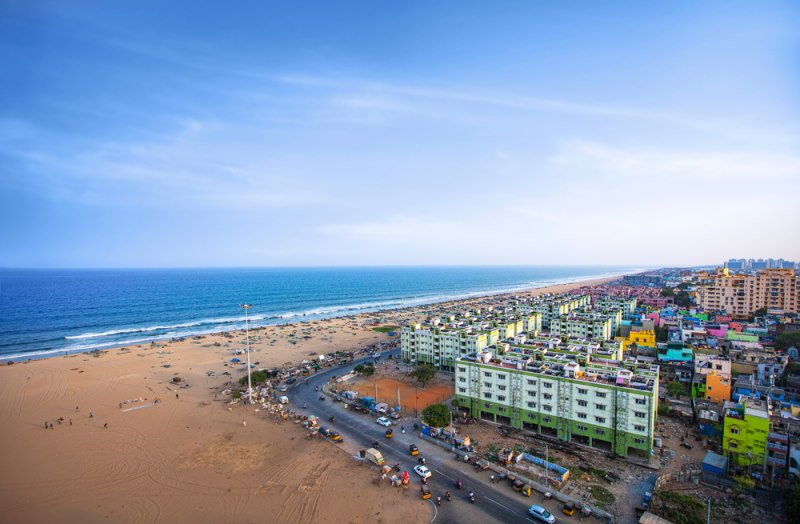
Formerly known as Madras, Chennai is the cultural, economic, and educational capital of Tamil Nadu on the Coromandel Coast of the Bay of Bengal. The city developed from the British trading fort of Fort St. George, established in 1639, while preserving deep ancient Dravidian cultural roots in temple neighborhoods like Mylapore.
Chennai is famous for Marina Beach, one of the longest natural urban sandy beaches in the world, stretching over thirteen kilometers along the coast. Earning the nickname “Detroit of South India,” Chennai produces a substantial percentage of India’s automobiles and automotive components, paired with a massive software technology sector and rich traditions of classical Carnatic music and Bharatanatyam dance.
4. Bangalore (Karnataka): ~14.5 Million Residents
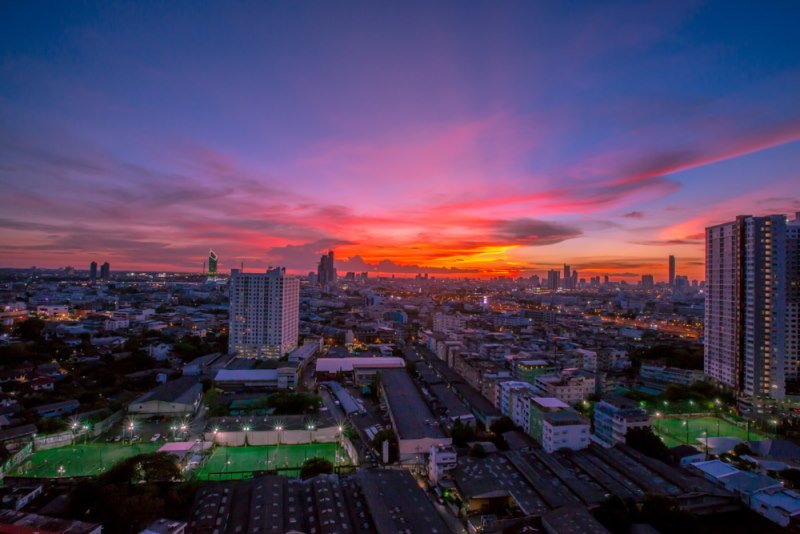
Officially known as Bengaluru, Bangalore rests on the Mysore Plateau in southern India at an elevation of over nine hundred meters, providing a pleasant, mild climate year-round. Originally celebrated as the “Garden City of India” for its lush public parks like Cubbon Park and Lalbagh Botanical Garden, the late twentieth century catalyzed an astonishing technological revolution.
Today, Bangalore is universally acclaimed as the “Silicon Valley of India,” serving as the headquarters for homegrown technology titans like Infosys and Wipro alongside thousands of innovative tech startups and aerospace research institutes like ISRO. The city features the grand Dravidian-style Vidhana Soudha legislative building, an active craft brewery scene, and a cosmopolitan, multilingual workforce drawn from across India.
3. Kolkata (West Bengal): ~15.8 Million Residents
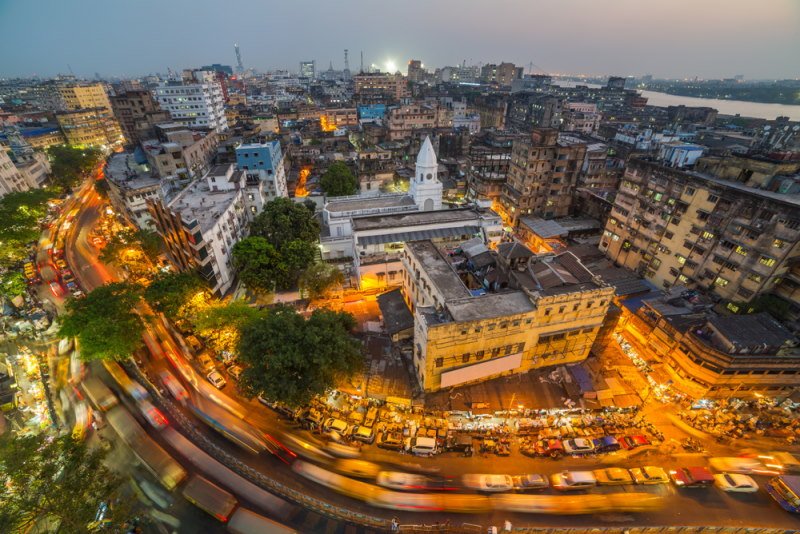
Kolkata, formerly known as Calcutta, is the intellectual, artistic, and cultural capital of eastern India, situated along the eastern bank of the Hooghly River. Serving as the imperial capital of British India until 1911, the city displays grand colonial architecture, highlighted by the white marble Victoria Memorial and the iconic cantilevered Howrah Bridge, one of the busiest bridges on Earth.
Kolkata has produced a remarkable roster of Nobel laureates, poets, and filmmakers, including Rabindranath Tagore, Satyajit Ray, and Amartya Sen. The city is famous for its passionate street corner intellectual debates (adda), the historic yellow Ambassador taxi cabs, and the grand autumn Durga Puja festival, a UNESCO-recognized public celebration of art and faith.
2. Mumbai (Maharashtra): ~22.1 Million Residents
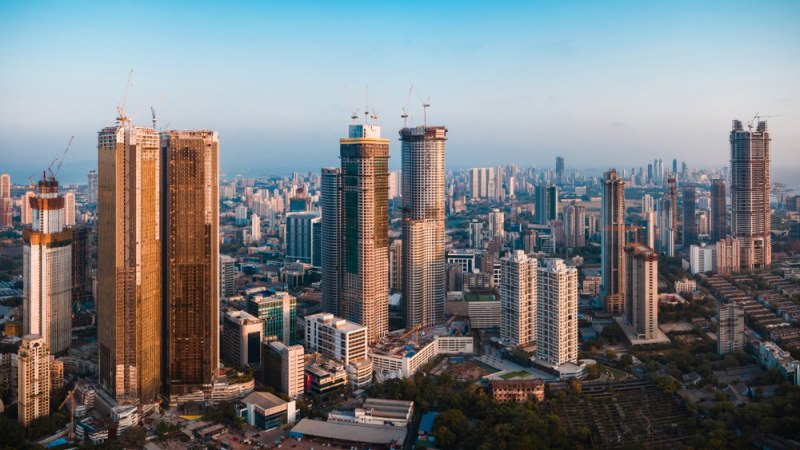
Mumbai, historically called Bombay, is the financial, commercial, and entertainment locomotive of India, situated along the Arabian Sea on Salsette Island. Rising from an archipelago of seven fishing islands granted to the British Crown as part of a royal Portuguese dowry, the city evolved into a bustling trade capital during the nineteenth-century cotton boom.
Home to the Reserve Bank of India, the Bombay Stock Exchange, and the multibillion-dollar Hindi film industry of Bollywood, Mumbai is characterized by extraordinary energy and stark contrast. Iconic colonial landmarks like the Gateway of India and Chhatrapati Shivaji Maharaj Terminus stand alongside Dharavi, one of Asia’s largest informal settlements, while millions commute daily on its legendary suburban railway network.
1. Delhi: ~35.2 Million Residents
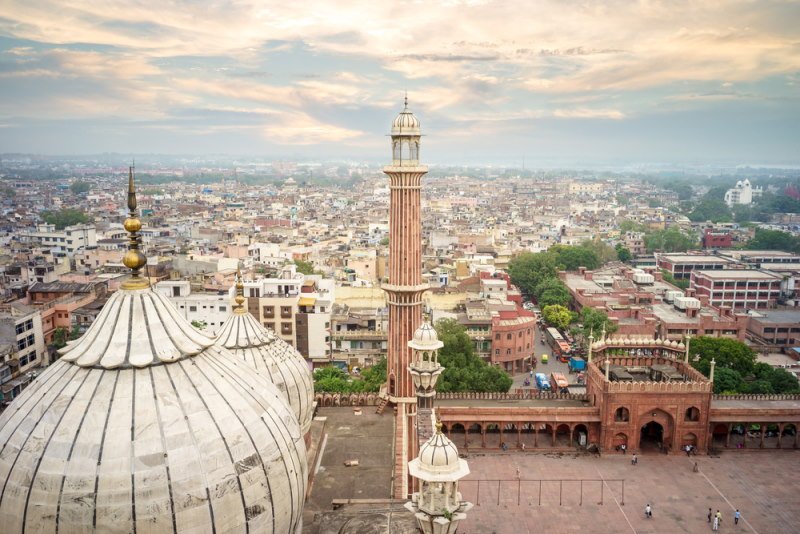
Delhi stands as the vast capital region of India and the second-most populous urban conurbation on Earth, encompassing both the historic walled city of Old Delhi and the neoclassical planned capital of New Delhi. Strategically situated along the Yamuna River, Delhi has served as the imperial throne for successive dynasties for over a thousand years, including the Delhi Sultanate and the Mogul Empire.
The city’s cityscape is filled with monumental treasures, including the red sandstone ramparts of the Red Fort, the soaring twelfth-century Qutb Minar minaret, and Humayun’s Tomb, alongside the wide ceremonial avenues of Rajpath and the India Gate war memorial. Operating an expansive, modern metro network that serves millions daily, the National Capital Region is expanding with such velocity that demographic forecasters expect Delhi to surpass Tokyo as the world’s largest metropolis within the next decade.
Conclusion
India’s ten largest metropolises capture the extraordinary scale, diversity, and rapid modernization of the South Asian subcontinent. From historic royal capitals to cutting-edge technology hubs, these urban giants drive India’s economy forward while sustaining centuries of cultural traditions.