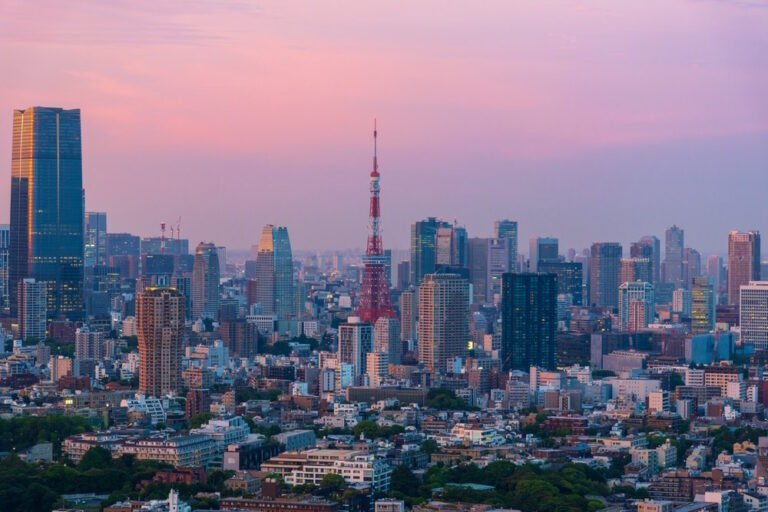
The urban transformation of the People’s Republic of China represents the most rapid and expansive migration in human civilization. In the late twentieth century, barely twenty percent of Chinese citizens resided in urban centers, whereas today over sixty-six percent inhabit vast cities and megaregions, according to demographic data tracked by the National Bureau of Statistics of China.
Interpreting city sizes in China requires understanding the distinctive Chinese administrative structure. In China, a direct-administered municipality (zhixiashi) or sub-provincial city governs both a dense urban core and vast surrounding rural counties that can span thousands of square kilometers. For example, Chongqing covers an administrative territory roughly equivalent to the entire country of Austria, although its contiguous urban core accommodates around twenty million residents.
From historic imperial capitals and silk-trading hubs to hyper-modern electronics corridors in the Pearl River Delta, here are the top 10 largest cities in China by administrative and metropolitan population.
10. Zhengzhou (Henan): ~13.1 Million Residents
Positioned along the southern bank of the Yellow River in central Henan province, Zhengzhou is the undisputed logistics crossroads of central China. As the intersection point of China’s most important north-south and east-west high-speed railway arteries, the city handles massive flows of freight and passenger traffic daily.
The city’s modern economy is anchored by advanced machinery manufacturing, automotive assembly, and high-tech consumer electronics, earning the nickname “iPhone City” for hosting the world’s largest assembly plant for Apple smartphones. Culturally, Zhengzhou lies in the historic cradle of Chinese civilization, situated just an hour away from the legendary Shaolin Temple on Mount Song, celebrated worldwide as the birthplace of Chan Buddhism and Shaolin kung fu.
9. Xi’an (Shaanxi): ~13.2 Million Residents
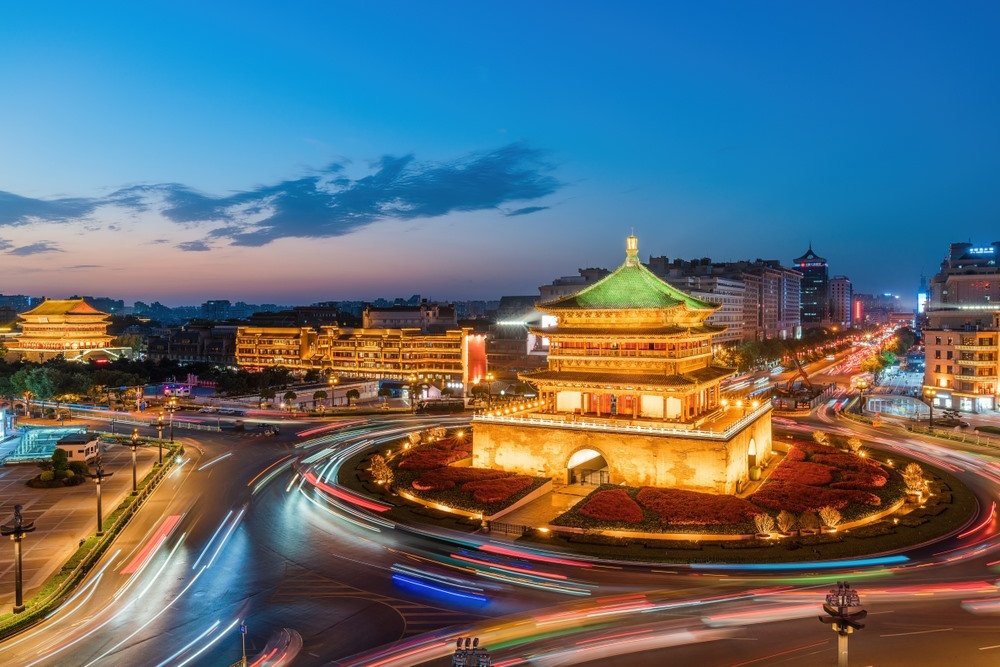
Xi’an is one of the Four Great Ancient Capitals of China, serving as the imperial seat for thirteen ruling dynasties across more than a millennium under the classical name Chang’an. As the eastern departure terminus of the ancient Silk Road, the city was once the largest and most cosmopolitan metropolis in the classical world, welcoming Persian, Sogdian, and Central Asian merchants.
The city’s historical heritage is crowned by the Terracotta Army of Emperor Qin Shi Huang, an underground army of thousands of life-sized clay soldiers discovered by local farmers in 1974. Modern Xi’an preserves its massive fourteenth-century Ming Dynasty city wall, while simultaneously advancing as a premier Chinese aerospace, software development, and higher education center.
8. Tianjin: ~13.6 Million Residents
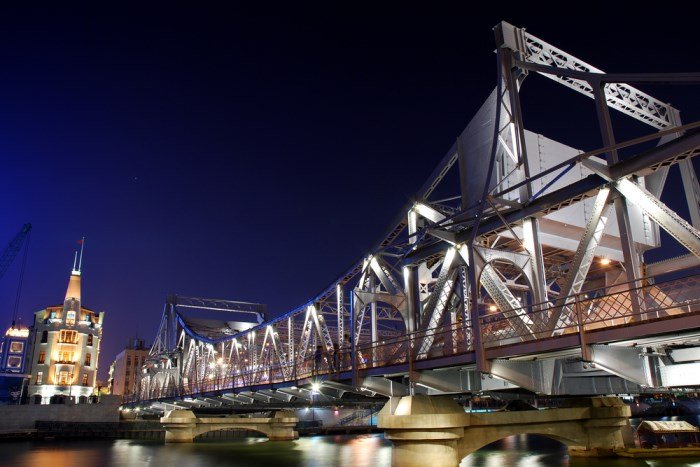
Located on the Haihe River along the Bohai Sea coast, Tianjin is one of China’s four provincial-level direct-administered municipalities. Situated roughly one hundred kilometers southeast of Beijing, the city historically functioned as the northern imperial maritime gateway protecting access to the capital.
During the nineteenth and early twentieth centuries, foreign concessions created distinctive European architectural enclaves that remain preserved in the Five Great Avenues (Wudadao) neighborhood. Today, the Port of Tianjin is the largest maritime shipping port in northern China, supporting heavy chemical engineering, aviation assembly plants for Airbus, and the Binhai New Area commercial district.
7. Wuhan (Hubei): ~13.8 Million Residents

Wuhan is the colossal capital of Hubei province, formed by the union of three historic towns: Wuchang, Hankou, and Hanyang, at the confluence of the Yangtze and Han rivers. Often referred to as the “Thoroughfare of Nine Provinces,” Wuhan is an essential transit and water transport artery connecting western inland regions with the eastern seaboard.
The city’s cultural landmark is the Yellow Crane Tower, a classical pagoda commemorated in celebrated Tang Dynasty poetry by Li Bai and Cui Hao. Modern Wuhan is an industrial giant, driving automotive manufacturing, optical electronics in the Optics Valley of China, and cutting-edge medical research supported by dozens of prestigious universities.
6. Shenzhen (Guangdong): ~18.0 Million Residents

Shenzhen represents the quintessential symbol of China’s modern economic miracle. In 1979, the area was a collection of modest fishing villages along the Hong Kong border when Chinese leader Deng Xiaoping designated it as the nation’s first Special Economic Zone, opening the country to foreign private investment.
Over four decades, Shenzhen exploded into a global technology powerhouse often described as China’s Silicon Valley. Dominated by the soaring Ping An Finance Centre, the city is the worldwide headquarters for tech leaders including Huawei, Tencent, and DJI, while maintaining an exceptionally young demographic average and lush subtropical public green parks.
5. Guangzhou (Guangdong): ~19.0 Million Residents
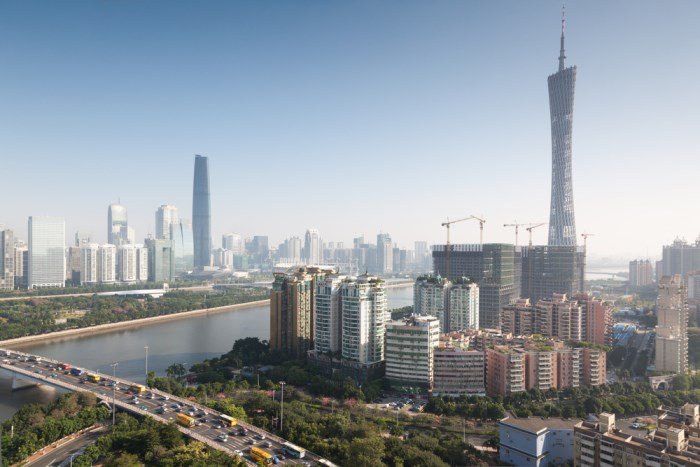
Formerly known in the West as Canton, Guangzhou is the capital of Guangdong province and the historic anchor of southern China. Positioned at the head of the Pearl River Delta, the city was the only Chinese port open to foreign European merchants during the maritime Canton System of the eighteenth and nineteenth centuries.
Today, Guangzhou is a premier manufacturing and wholesale commerce giant, home to the twice-yearly Canton Fair, the largest international trade exposition in China. The cityscape is dominated by the slender, twist-structured Canton Tower, which lights up each evening along the Pearl River, while local residents cherish rich Cantonese culinary traditions, especially morning yum cha (dim sum).
4. Chengdu (Sichuan): ~21.5 Million Residents
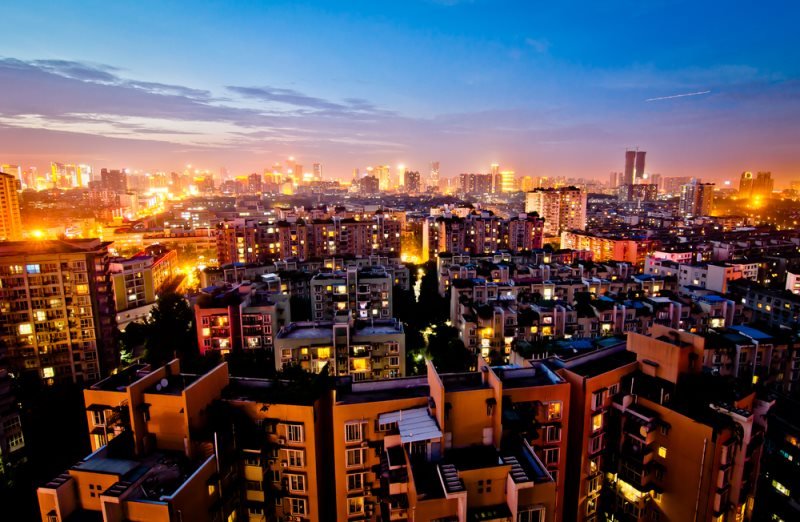
Chengdu serves as the capital of Sichuan province in southwestern China, resting on the fertile Min River plain known historically as the “Country of Heaven” (Tianfu zhi Guo). The city is globally beloved as the home of the giant panda, supported by the world-famous Chengdu Research Base of Giant Panda Breeding.
Known across China for its relaxed, high-quality lifestyle, Chengdu is filled with traditional teahouses, spicy Sichuan hotpot restaurants, and lively parks where residents gather to play mahjong. Simultaneously, the city has transformed into western China’s leading hub for finance, aviation manufacturing, and international commerce, served by two major international airports.
3. Beijing: ~21.8 Million Residents
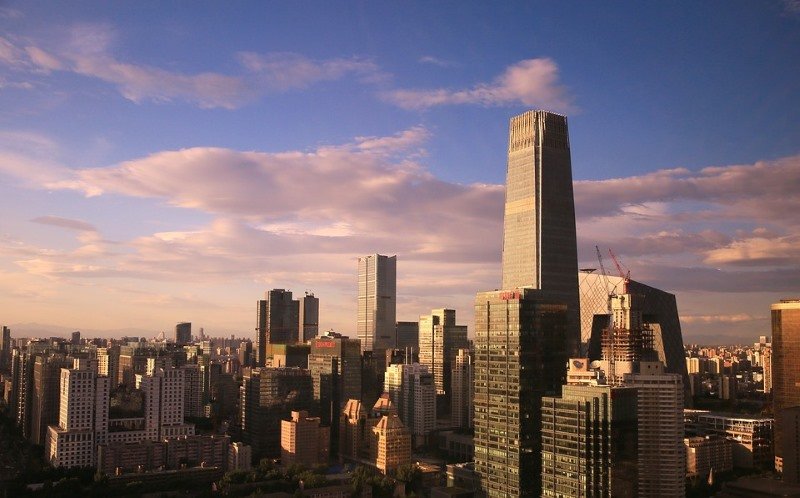
Beijing stands as the monumental political, educational, and cultural heart of the People’s Republic of China. With a continuous history extending back over three thousand years, the city was the imperial seat of the Jin, Yuan, Ming, and Qing dynasties, leaving behind an astonishing treasury of ancient architecture.
At the city’s geographical core sits the Forbidden City, the largest imperial palace complex in the world, flanked by Tiananmen Square and the Temple of Heaven. Modern Beijing balances its ancient courtyard hutongs with cutting-edge architecture like the CCTV Headquarters and Olympic stadiums, while strictly planning urban density by decentralizing industries toward surrounding northern provinces.
2. Shanghai: ~24.8 Million Residents
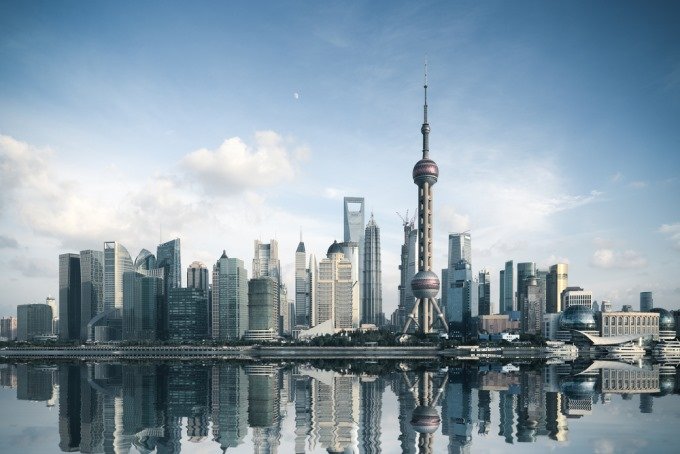
Positioned on the Yangtze River Delta facing the East China Sea, Shanghai is the undisputed commercial and financial capital of mainland China. Following the First Opium War, Shanghai developed into a bustling international treaty port where British, French, and American concessions built classical Western banks along the famous Bund waterfront.
Directly across the Huangpu River in Pudong rises a futuristic forest of skyscrapers, including the 632-meter Shanghai Tower and the Oriental Pearl Radio and TV Tower. Operating the busiest container seaport on the globe and the world’s most extensive rapid transit metro system, Shanghai functions as an economic dynamo connecting China with international financial markets.
1. Chongqing: ~31.9 Million Residents

Chongqing is an astonishing vertical metropolis in southwestern China, built across steep mountainous terrain at the junction of the Yangtze and Jialing rivers. As a provincial-level direct-administered municipality, Chongqing governs an enormous administrative territory of 82,400 square kilometers, housing nearly thirty-two million residents across urban wards and surrounding districts.
Renowned for its dramatic multi-level topography, monorail trains famously pass directly through residential apartment buildings, while multi-tiered flyover highways weave between mist-shrouded river valleys. Known globally for its mouth-numbing Chongqing hotpot, the city is a critical industrial center for automobile manufacturing, heavy metallurgy, and western China logistics, serving as the primary departure port for scenic Yangtze River cruises through the Three Gorges.
Conclusion
China’s megacities represent the epicenters of global manufacturing, technological advancement, and architectural daring. Connected by the planet’s largest high-speed rail network, these ten urban powerhouses will continue to drive China’s modernization and redefine twenty-first-century urbanization.