Japan presents one of the most technologically advanced and densely concentrated urban environments on Earth. According to demographic surveys conducted by the Statistics Bureau of Japan, over ninety-two percent of the country’s population resides in urban areas, primarily clustered within coastal plains along the southern corridor of the main island of Honshu and extending to Kyushu and Hokkaido.
In Japanese municipal administration, major metropolises are designated by government ordinance (seirei shitei toshi), granting them wide administrative powers divided into wards (ku). While regional metropolitan conurbations like Greater Tokyo or Keihanshin connect multiple municipalities into megacities of twenty to thirty-seven million people, official city population figures strictly record residents within individual incorporated city limits.
From ancient imperial sanctuaries and historic samurai castle towns to hyper-modern port cities, here are the top 10 largest cities in Japan by municipal population, counting down to the world’s ultimate metropolis.
10. Saitama: ~1.35 Million Residents
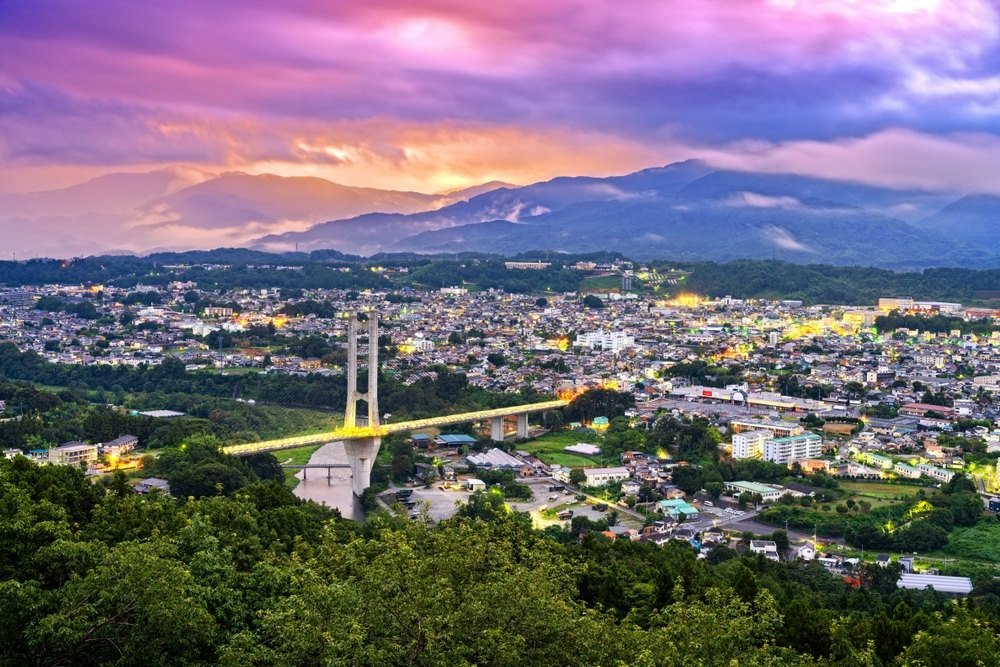
Positioned directly north of Tokyo in the Kanto plain, Saitama was formed in 2001 through the strategic merger of several neighboring cities, including Urawa, Omiya, and Yono, before later incorporating Iwatsuki. The merger created a formidable regional center designed to decentralize administrative functions from central Tokyo.
Today, Saitama is a vital rail and commercial crossroads, centered around the massive Omiya Station transit hub and the Saitama Super Arena, one of Japan’s largest multipurpose indoor venues. The city is also famous for the historic Omiya Bonsai Village, established by master bonsai gardeners following the 1923 Great Kanto Earthquake, preserving centuries-old living horticultural masterpieces.
9. Kyoto: ~1.45 Million Residents
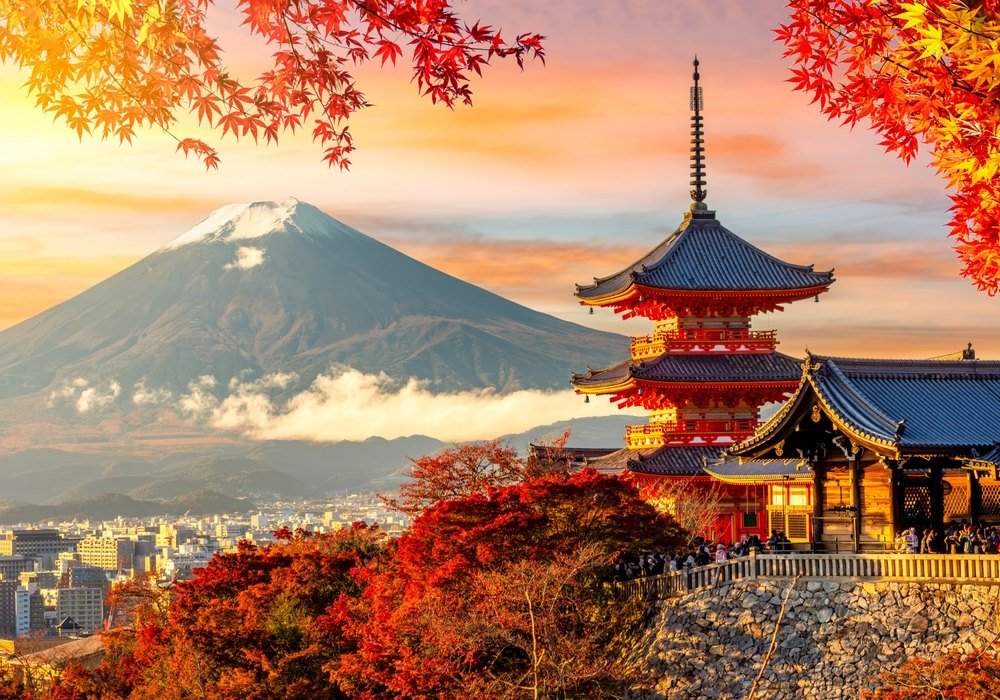
Kyoto was the imperial capital of Japan for more than a millennium, serving as the residence of the Emperor from 794 AD until the Meiji Restoration of 1868. Originally laid out on a classical Chinese grid pattern as Heian-kyo, the city was spared destructive aerial bombing during World War II, preserving an incomparable architectural and spiritual heritage.
The city contains seventeen UNESCO World Heritage monuments, including the Golden Pavilion (Kinkaku-ji), the cliff-hanging wooden veranda of Kiyomizu-dera, and the thousands of vermilion torii gates at Fushimi Inari-taisha. Alongside its preserved geisha quarters in Gion and traditional tea ceremonies, modern Kyoto is a high-tech powerhouse, serving as the global headquarters for electronics and gaming giants like Nintendo and Kyocera.
8. Kobe: ~1.52 Million Residents
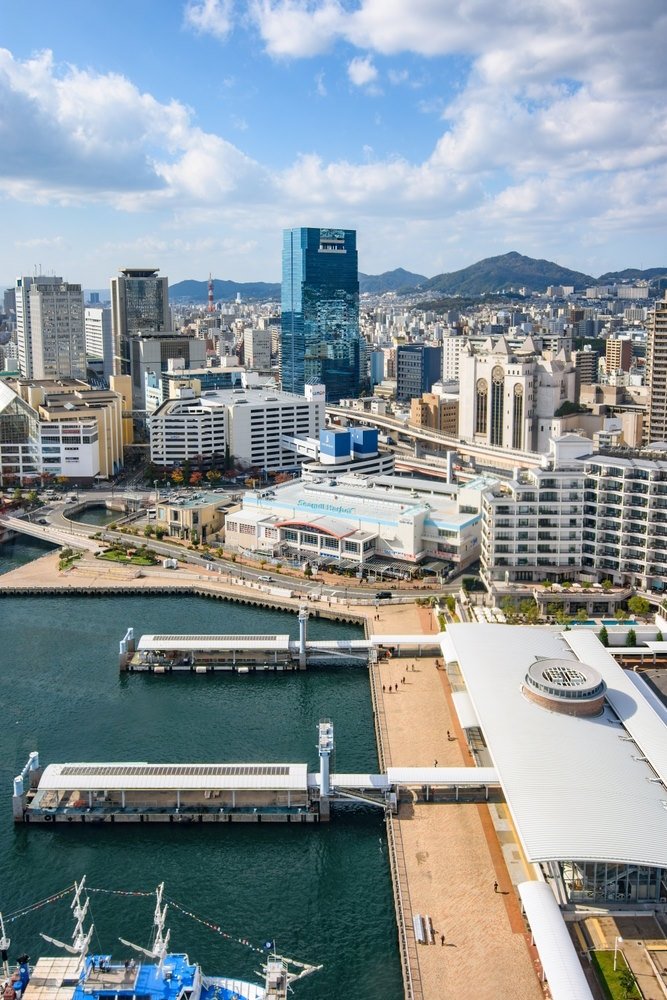
Wedged dramatically on a narrow strip of land between the Rokko Mountain range and Osaka Bay, Kobe was one of the first Japanese ports opened to Western foreign trade following the end of national isolation in 1868. The city’s Kitano-cho district still preserves historical Western merchant residences (ijinkan) dating back to the late nineteenth century.
In 1995, Kobe suffered devastating damage during the Great Hanshin Earthquake, but the city rebuilt with remarkable speed and earthquake-resistant engineering. Globally renowned for its prized Kobe beef raised from Tajima cattle, the city operates an ultra-modern maritime container port and thrives as a leading manufacturing center for transport equipment and chemical industries.
7. Kawasaki: ~1.54 Million Residents

Situated between Tokyo and Yokohama in Kanagawa Prefecture along the south bank of the Tama River, Kawasaki is one of the densest and most economically productive municipal areas in Japan. Historically serving as a post station on the famous Tokaido highway connecting Edo with Kyoto, the city transformed during the twentieth century into an industrial titan.
Kawasaki anchors the Keihin Industrial Zone, home to major petrochemical refineries, steelworks, and cutting-edge electronics and environmental research laboratories. The city is also culturally famous for the historic Kawasaki Daishi temple, one of the most visited Buddhist sanctuaries in the Kanto region during New Year celebrations.
6. Fukuoka: ~1.60 Million Residents

Fukuoka is the undisputed economic, cultural, and political metropolis of Kyushu, Japan’s southernmost main island. Developed from the historic merger of the merchant port town of Hakata with the samurai castle town of Fukuoka, the city is geographically closer to Seoul and Shanghai than to Tokyo, positioning it as Japan’s primary gateway to continental Asia.
Fukuoka is consistently ranked among the most livable cities in Asia, celebrated for its open urban layout, nearby beaches, and lively street food culture centered around open-air food stalls called yatai serving rich tonkotsu Hakata ramen. In recent years, local government initiatives have turned Fukuoka into Japan’s leading startup hub, attracting entrepreneurs with specialized regulatory sandboxes.
5. Sapporo: ~1.96 Million Residents
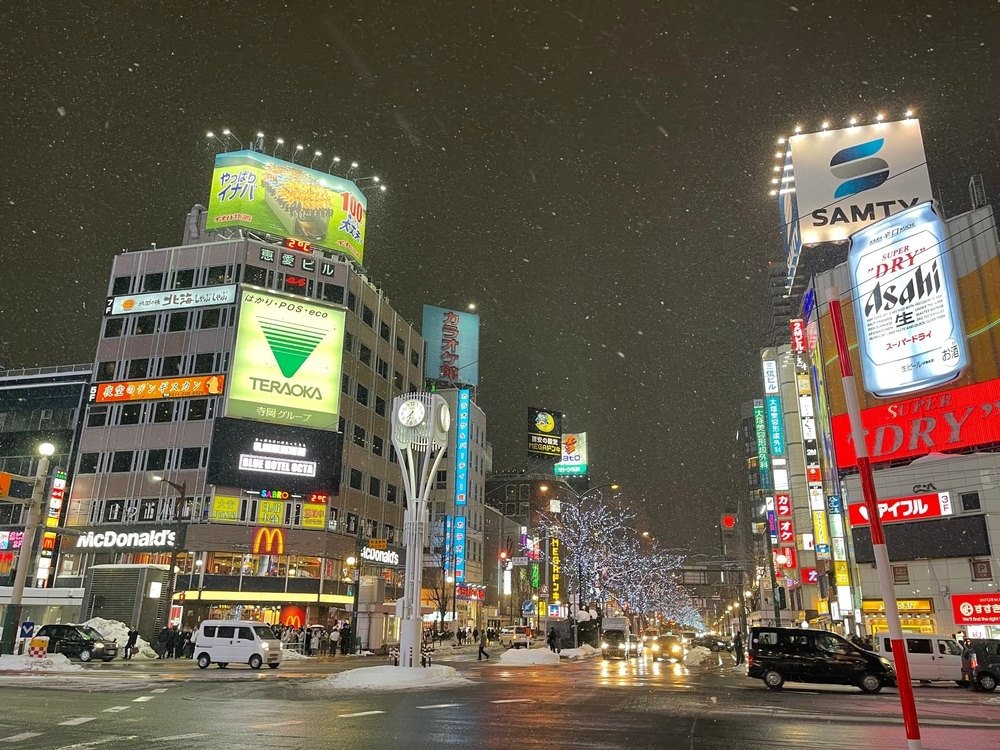
Sapporo is the capital and dominant population center of Hokkaido, Japan’s northernmost prefecture. Unlike Japan’s ancient southern cities, Sapporo was deliberately planned and constructed in the late nineteenth century on an American-inspired rectangular grid system with wide tree-lined avenues and public parks like Odori Park.
The city achieved global prominence as the host of the 1972 Winter Olympic Games, the first held in Asia. Every February, Sapporo hosts the world-famous Sapporo Snow Festival, attracting millions of international visitors to admire monumental ice and snow sculptures, while the city’s culinary reputation is anchored by miso ramen, fresh seafood, and historic Sapporo Beer brewing.
4. Nagoya: ~2.33 Million Residents

Positioned in the Nobi plain of central Honshu, Nagoya is the commercial and industrial capital of the Chubu region. Historically rising around Nagoya Castle, built in 1612 by Shogun Tokugawa Ieyasu and famous for the golden mythical shachihoko dolphin statues crowning its roofs, the city has long been Japan’s engineering heartland.
Today, Greater Nagoya functions as the manufacturing powerhouse of Japan, anchored by the global headquarters and production plants of Toyota Motor Corporation in neighboring Toyota City. Supported by the Port of Nagoya, the largest and busiest cargo port in Japan by total cargo throughput, the metropolis drives global automotive, aerospace, and robotics engineering.
3. Osaka: ~2.76 Million Residents
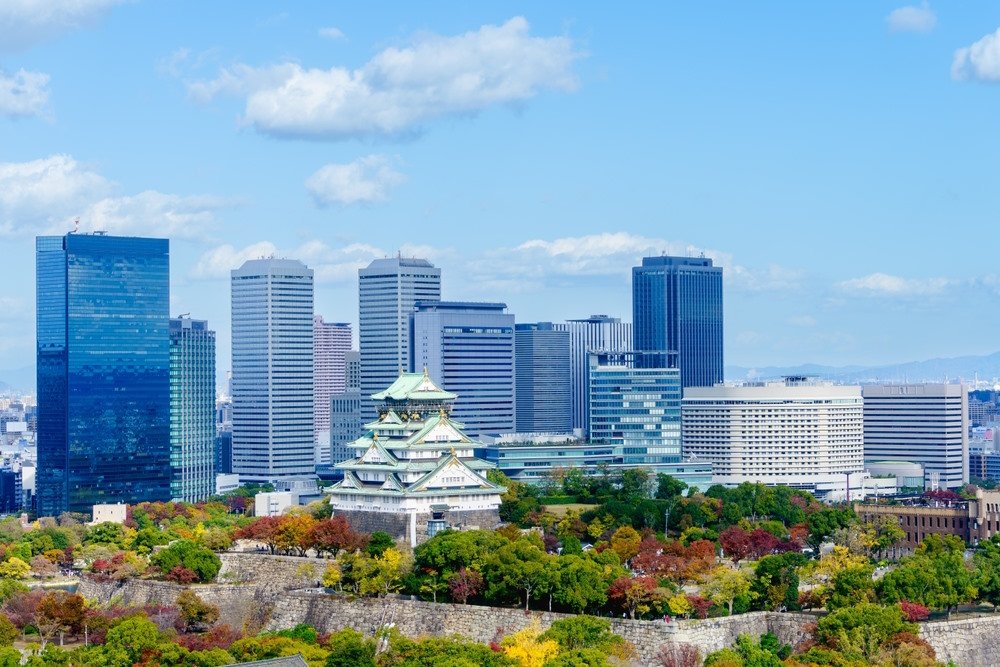
Located on Osaka Bay at the mouth of the Yodo River, Osaka is the commercial anchor of western Japan. During the Edo period, Osaka was known as Tenka no Daidokoro (The Nation’s Kitchen), as it controlled the nationwide distribution of rice and commodities through its extensive canal network.
While the city proper counts roughly 2.76 million inhabitants, its daytime population swells dramatically as millions commute from across the Keihanshin metropolitan region. Renowned for its outgoing merchant spirit, comedy culture, and delicious street food including takoyaki and okonomiyaki in the neon-drenched Dotonbori district, Osaka is crowned by the majestic reconstructed Osaka Castle and will host the upcoming World Expo.
2. Yokohama: ~3.76 Million Residents
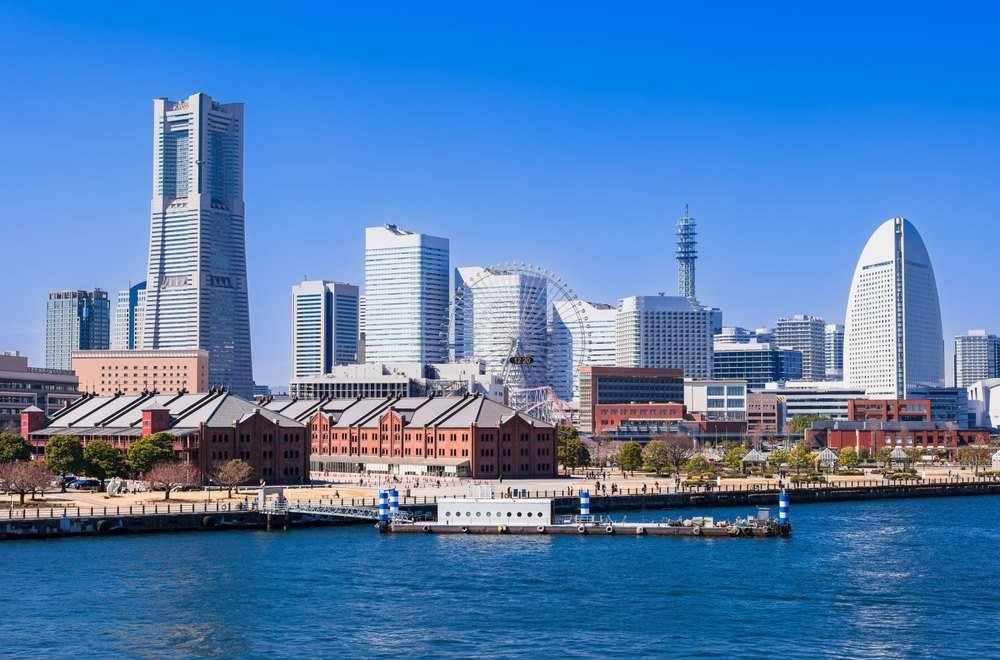
Yokohama is the largest individual municipal city in Japan by population, situated along Tokyo Bay just south of the capital in Kanagawa Prefecture. In 1859, Yokohama was a quiet fishing village of barely a hundred households when it was selected as the first treaty port opened to international trade following the arrival of Commodore Matthew Perry’s Black Ships.
The village exploded into a cosmopolitan metropolis, introducing Japan to modern innovations like gas streetlights, railway transport, and daily newspapers. Today, Yokohama is famous for the futuristic Minato Mirai 21 waterfront business district, featuring the Landmark Tower, alongside the largest Chinatown in Japan, maintaining an open, maritime atmosphere.
1. Tokyo: ~14.20 Million Residents
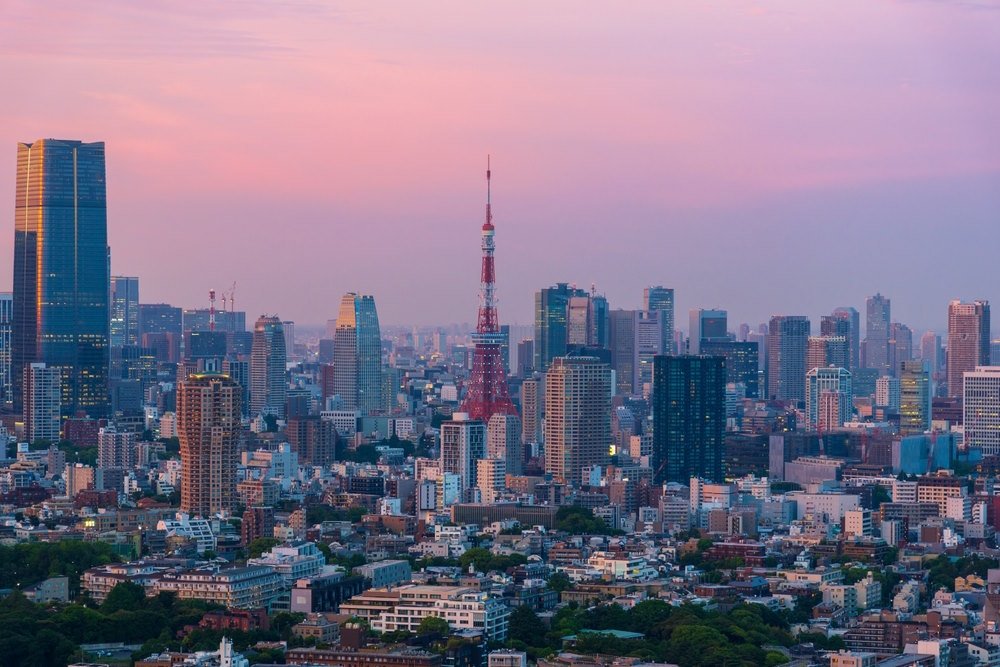
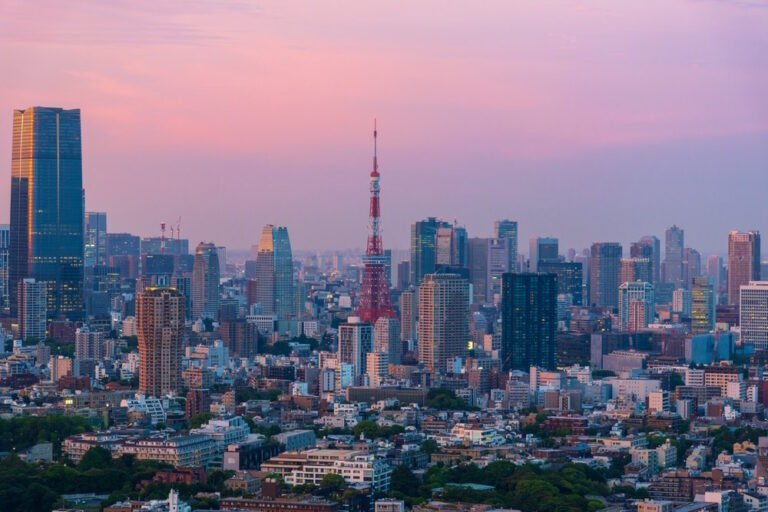
Tokyo stands supreme as the colossal capital of Japan and the ultimate urban agglomeration on Earth. While the broader Greater Tokyo Area encompasses over thirty-seven million people across four prefectures, the Tokyo Metropolis proper (Tokyo-to) alone contains over fourteen million residents living across twenty-three special wards and western suburban cities.
Rising from the modest fishing village of Edo, the city became the seat of the Tokugawa shogunate in 1603 before being renamed Tokyo (Eastern Capital) when Emperor Meiji moved the imperial court here in 1868. Today, Tokyo is a marvel of urban efficiency, where the world’s busiest railway stations like Shinjuku operate with to-the-second punctuality. Balancing neon-drenched entertainment districts like Shibuya and Akihabara with serene shrines like Meiji Jingu and the Imperial Palace gardens, Tokyo continues to define modern global urbanism.
Conclusion
Japan’s major metropolises exemplify an extraordinary balance of ancient samurai and imperial heritage with futuristic infrastructure and peerless civic efficiency. Connected by the legendary Shinkansen bullet train network, these ten cities anchor Japan’s economic strength, technological ingenuity, and enduring cultural appeal.