Italy possesses an urban heritage unmatched in its historical continuity, where cities founded before classical antiquity remain the beating hearts of modern regional life. According to official demographic records published by the Italian National Institute of Statistics (ISTAT), approximately seventy-one percent of the Italian population lives in urban zones, organized across twenty regions that each maintain intense local civic pride, culinary identity, and commercial traditions.
Italian urban geography reflects a pronounced contrast between the industrial, banking heartland of the northern Po Valley and the historic, maritime metropolises of central and southern Italy. In Italian municipal statistics, the comune represents the primary local authority, meaning official rankings measure residents within the municipal perimeter, though economic metropolitan areas often extend across surrounding hills and coastal plains.
From the sun-drenched coastal harbors of Sicily to the northern industrial corridors of Lombardy and Piedmont, here are the top 10 largest cities in Italy by municipal population, counting down to the Eternal City.
10. Catania (Sicily): ~300,000 Residents

Resting directly at the base of Mount Etna on the eastern coast of Sicily, Catania has lived in intimate connection with Europe’s most active volcano since its founding by Chalcidian Greeks in 729 BC. Throughout centuries, catastrophic eruptions and powerful earthquakes repeatedly destroyed the city, notably in 1669 and 1693.
Following the 1693 earthquake, Catania was rebuilt in an extraordinary Sicilian baroque style using dark volcanic basalt paired with white limestone, centered around the Piazza del Duomo and the whimsical Fountain of the Elephant. Today, Catania functions as Sicily’s primary industrial and commercial hub, nicknamed the Etna Valley for its expanding semiconductor and tech manufacturing sectors.
9. Bari (Apulia): ~315,000 Residents
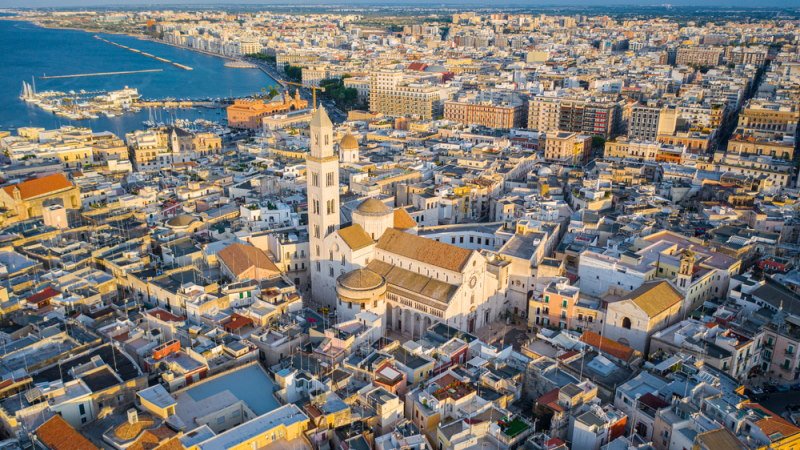
Bari serves as the bustling capital of Apulia, positioned along the southern Adriatic coast of Italy. Historically functioning as the maritime gateway connecting the Roman and Byzantine empires with the Levant, the city retains a compact medieval center (Bari Vecchia) situated on a peninsula jutting into the sea.
The city’s spiritual heart is the Basilica di San Nicola, founded in 1087 to house the stolen relics of Saint Nicholas of Myra, making Bari an important pilgrimage destination for both Roman Catholic and Eastern Orthodox faithful. Modern Bari is a leading agricultural, chemical, and shipping hub, hosting the annual Fiera del Levante international trade fair.
8. Florence (Tuscany): ~365,000 Residents
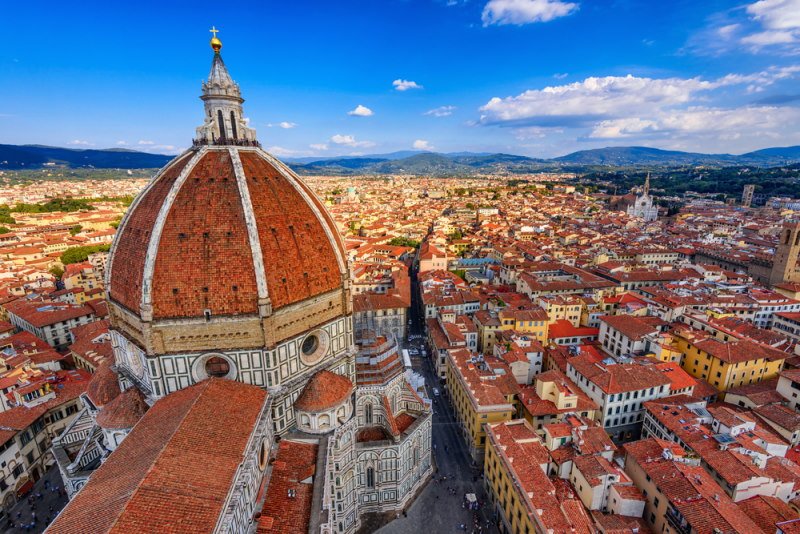
Stretching along the banks of the Arno River in central Italy, Florence is universally celebrated as the birthplace of the Italian Renaissance. Under the patronage of the powerful Medici banking dynasty during the fifteenth century, the city nurtured geniuses like Leonardo da Vinci, Michelangelo, Botticelli, and Brunelleschi.
The historic center of Florence is an open-air museum, anchored by the iconic red-tiled dome of the Cathedral of Santa Maria del Fiore (the Duomo), the medieval Ponte Vecchio bridge lined with goldsmith shops, and the Uffizi Gallery, which holds one of the world’s greatest collections of Renaissance art. Beyond cultural heritage, Florence anchors Tuscany’s high-end leather goods, luxury fashion, and precision manufacturing industries.
7. Bologna (Emilia-Romagna): ~390,000 Residents
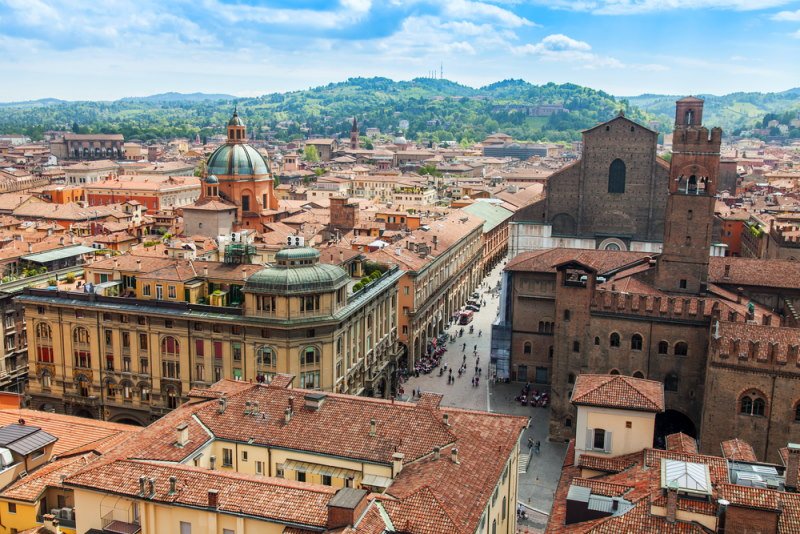
Bologna is the proud capital of Emilia-Romagna, located at the crossroads of northern and central Italian transportation routes. The city has earned three famous historical monikers: La Dotta (The Learned), for hosting the University of Bologna, founded in 1088 as the oldest continuously operating university in the world; La Rossa (The Red), for its red terracotta roofs and left-leaning politics; and La Grassa (The Fat), for its peerless gastronomic legacy, including ragù alla bolognese, mortadella, and handmade tortellini.
Bologna’s historic center is unique for its extensive porticoes, covered arcades spanning over thirty-eight kilometers that are recognized collectively as a UNESCO World Heritage site. Dominated by the two leaning medieval towers, Asinelli and Garisenda, the city is an industrial giant, anchoring Italy’s Motor Valley, home to Ferrari, Lamborghini, Maserati, and Ducati.
6. Genoa (Liguria): ~560,000 Residents
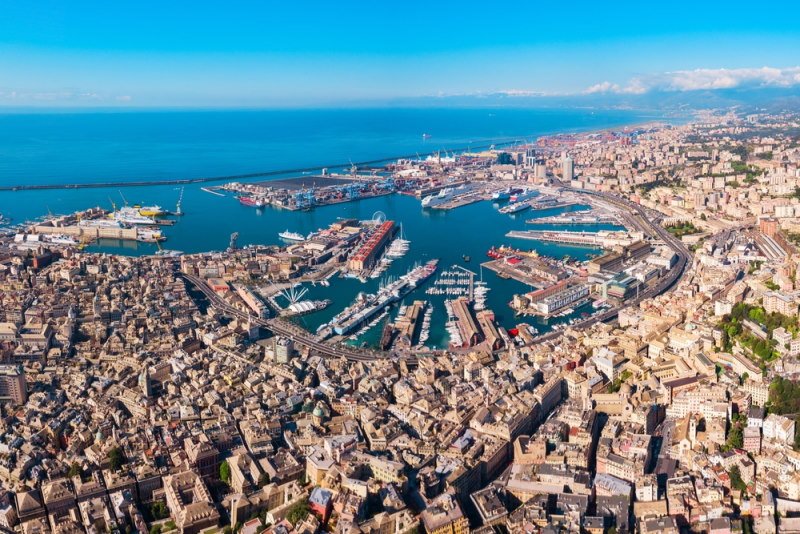
Dramatically squeezed between the steep Apennine Mountains and the Ligurian Sea, Genoa is a maritime powerhouse that dominated Mediterranean trade for centuries as the proud Maritime Republic of Genoa (La Superba). Native son Christopher Columbus set out from this seafaring culture that once controlled lucrative trading posts from Corsica to the Black Sea.
The city’s historic center is famous for the Strade Nuove (New Streets) lined with opulent Renaissance and baroque palaces built by wealthy Genoese banking families, known as the Palazzi dei Rolli. Genoa operates the busiest maritime container and freight seaport in Italy, combining historic shipbuilding tradition with cutting-edge marine logistics.
5. Palermo (Sicily): ~630,000 Residents

Palermo sits in a natural amphitheater called the Conca d’Oro (Golden Basin) along the northern coast of Sicily. Founded by Phoenician merchants in the eighth century BC, the city evolved across millennia under Roman, Byzantine, Arab, Norman, Swabian, and Spanish rulers, producing an extraordinary Arab-Norman architectural fusion unique in the world.
Landmarks like the Palermo Cathedral, the Norman Palace, and the Palatine Chapel feature glittering Byzantine mosaics, Islamic geometric muqarnas ceilings, and Latin inscriptions side by side. Modern Palermo is a lively cultural and administrative capital, famous for its bustling open-air historic markets like Ballarò and Vucciria and its legendary street food tradition.
4. Turin (Piedmont): ~840,000 Residents
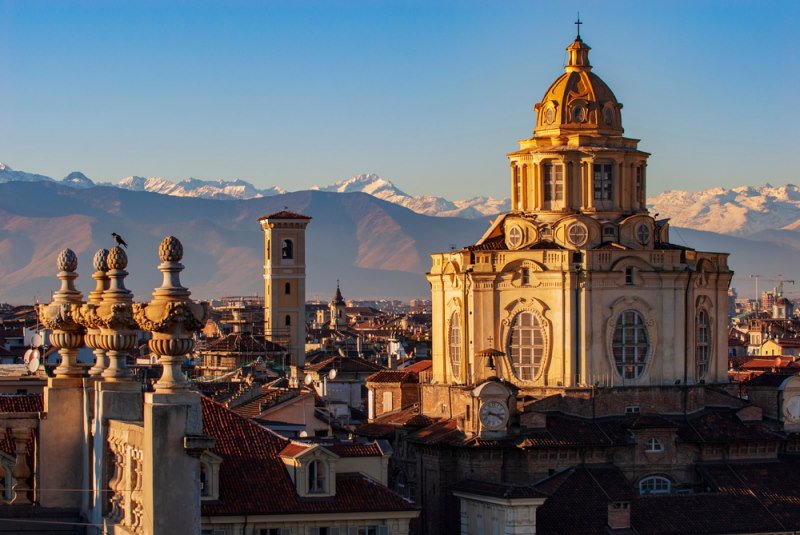
Positioned on the Po River in the shadow of the western Alps, Turin was the noble seat of the House of Savoy and served as the first capital of unified Italy from 1861 to 1865. The city’s elegant layout reflects royal French influences, characterized by wide grid-patterned boulevards, grand baroque palaces like the Palazzo Reale, and historic arcaded cafes.
In the twentieth century, Turin transformed into the industrial automotive capital of Italy as the headquarters of FIAT, driving the nation’s post-war economic miracle. Dominated by the towering spire of the Mole Antonelliana, Turin houses world-class institutions including the Museo Egizio, which contains the largest collection of ancient Egyptian antiquities outside Cairo.
3. Naples (Campania): ~915,000 Residents
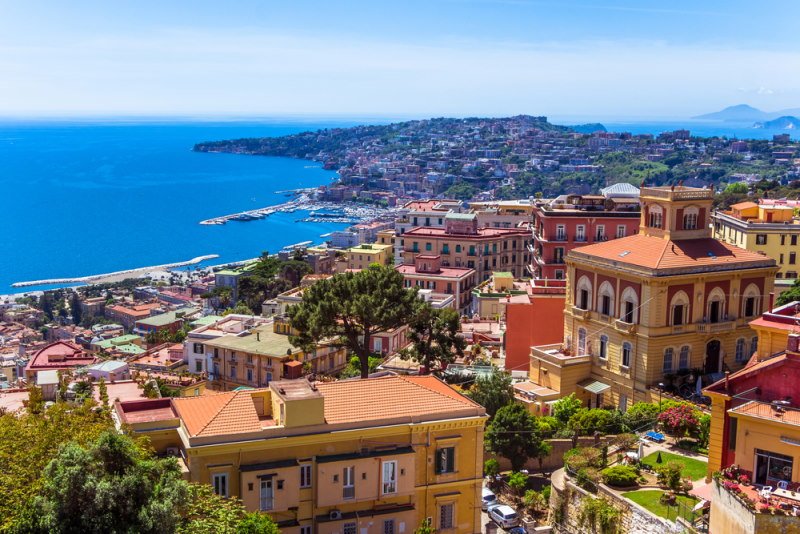
Curving along the azure waters of the Gulf of Naples beneath the dramatic silhouette of Mount Vesuvius, Naples was originally founded by Greek colonists as Neapolis around the eighth century BC. The city is famous for its spirited street life, laundry fluttering between baroque balconies in the Spaccanapoli district, and profound musical and theatrical heritage.
As the historic capital of the Kingdom of the Two Sicilies, Naples preserves monumental palaces like the Royal Palace and the Teatro di San Carlo, the oldest continuously active opera house in the world. As the universally recognized birthplace of authentic pizza napoletana, Naples anchors southern Italy’s primary transportation, maritime shipping, and university networks.
2. Milan (Lombardy): ~1.38 Million Residents
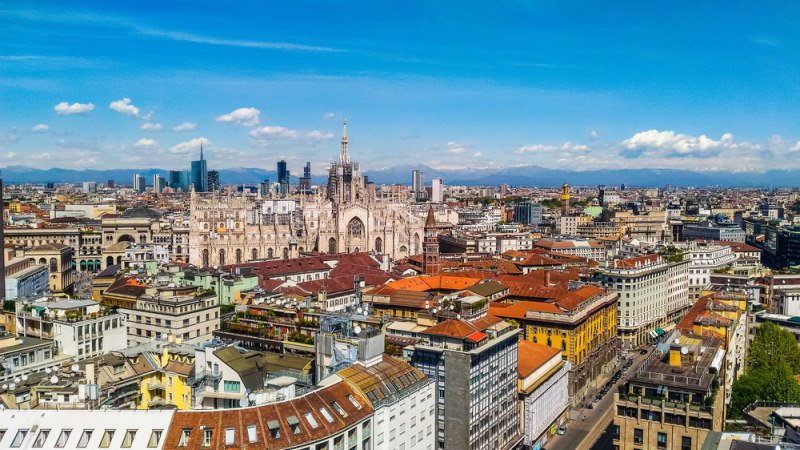
Milan is the undisputed financial, commercial, and fashion locomotive of Italy, located in the fertile plains of Lombardy. While the central municipality counts around 1.38 million people, the broader Metropolitan City of Milan encompasses over 3.2 million residents, forming one of Europe’s most economically powerful conurbations.
The city’s visual centerpiece is the Milan Cathedral (Duomo di Milano), an astonishing white marble Gothic cathedral that took nearly six centuries to complete, decorated with thousands of statues and spires. Milan is home to the Borsa Italiana stock exchange, the Teatro alla Scala opera house, and the prestigious Quadrilatero della Moda fashion district, driving global trends during Milan Fashion Week.
1. Rome: ~2.87 Million Residents
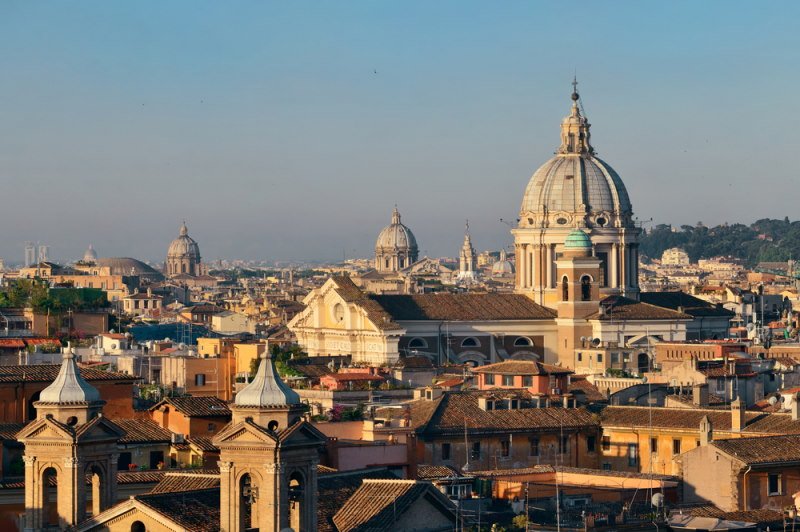
Rome stands supreme as Italy’s capital and largest municipality by population and territory, resting along the banks of the Tiber River in the Lazio region. Known universally as the Eternal City (Roma Aeterna), its history spans over twenty-eight centuries, serving successively as the heart of the Roman Republic, the Roman Empire, the Papal States, and the modern Italian Republic.
Within its historical fabric lie extraordinary monuments of human achievement: the Colosseum, the Pantheon, the Roman Forum, and the Trevi Fountain, alongside the sovereign enclave of Vatican City containing St. Peter’s Basilica. Rome serves as the political, administrative, and diplomatic nerve center of Italy, housing international United Nations agencies like the FAO alongside a global tourism and cinema industry anchored by Cinecittà.
Conclusion
Italy’s major cities demonstrate a timeless synthesis of imperial history, Renaissance artistry, and cutting-edge modern engineering. From northern industrial powerhouses to southern maritime crossroads, these ten metropolises continue to shape global culture, culinary traditions, and European economic life.