France displays an urban geometry shaped by centuries of political centralization in Paris, counterbalanced by dynamic regional metropolises that anchor the country’s historic provinces. According to official demographic research published by the National Institute of Statistics and Economic Studies (INSEE), urban territories account for nearly eighty-two percent of the French population, with growth increasingly concentrated in sunny southern regions and major transportation crossroads.
Understanding city sizes in France requires distinguishing between the administrative commune and the functional metropolitan area. Because French municipal boundaries were drawn during the French Revolution along traditional parish lines, central city communes often cover surprisingly small surface areas. For example, the commune of Paris includes roughly two million inhabitants, yet its contiguous functional urban area (aire d’attraction) supports over thirteen million people.
From sun-soaked Mediterranean ports and Atlantic naval bases to alpine river confluences, here are the top 10 largest cities in France by commune population.
10. Lille: ~239,000 Residents
Situated in French Flanders near the Belgian border, Lille is the historic capital of northern France. Originally built around the Deûle River, the city was shaped by Flemish, Burgundian, and Spanish rule before Louis XIV incorporated it into France, commissioning military architect Sébastien Le Prestre de Vauban to build its star-shaped citadel.
While Lille’s central municipal commune holds around 239,000 residents, the cross-border European Metropolis of Lille encompasses over 1.2 million people. Having transitioned from a nineteenth-century textile capital into a modern service, retail, and tech hub, Lille is famous for its grand Grand’Place, Flemish baroque brick townhouses, and the annual Braderie de Lille, Europe’s largest flea market.
9. Bordeaux: ~265,000 Residents
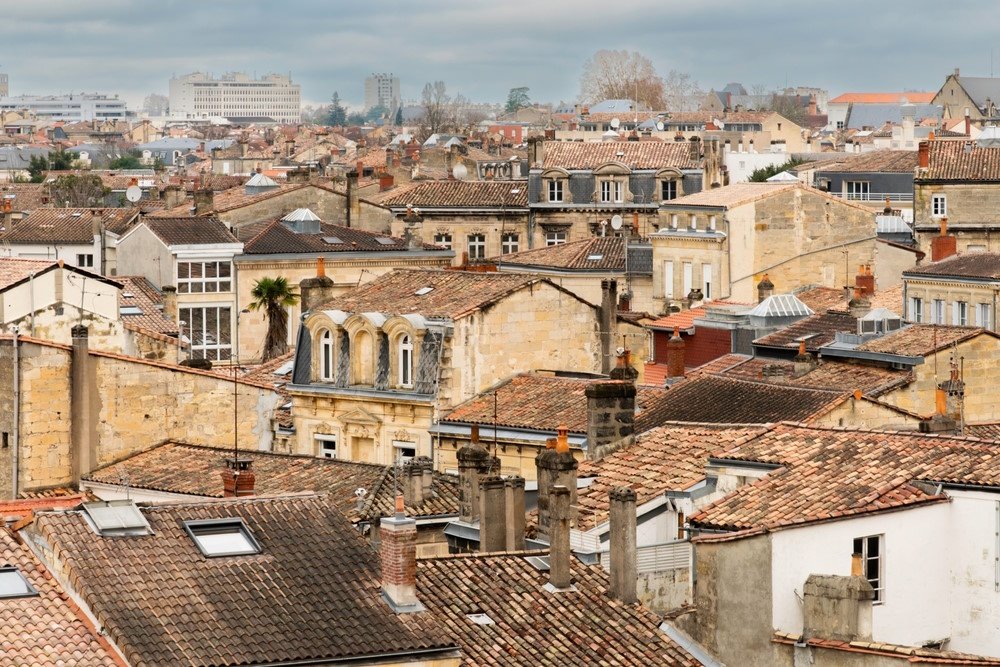
Bordeaux curves gracefully along a crescent-shaped bend of the Garonne River in southwestern France, earning it the classical nickname the Port of the Moon. Globally celebrated as the undisputed wine capital of the world, viticulture in the surrounding Gironde department has driven local wealth and architectural ambition since Roman times.
The city center is an eighteenth-century neoclassical marvel, featuring the iconic Place de la Bourse and its reflecting Water Mirror (Miroir d’eau). Recognized as an expansive UNESCO World Heritage site, Bordeaux has revitalized its historic riverfront, establishing high-speed rail connections to Paris and pioneering innovative aerospace and biotechnology sectors.
8. Strasbourg: ~292,000 Residents
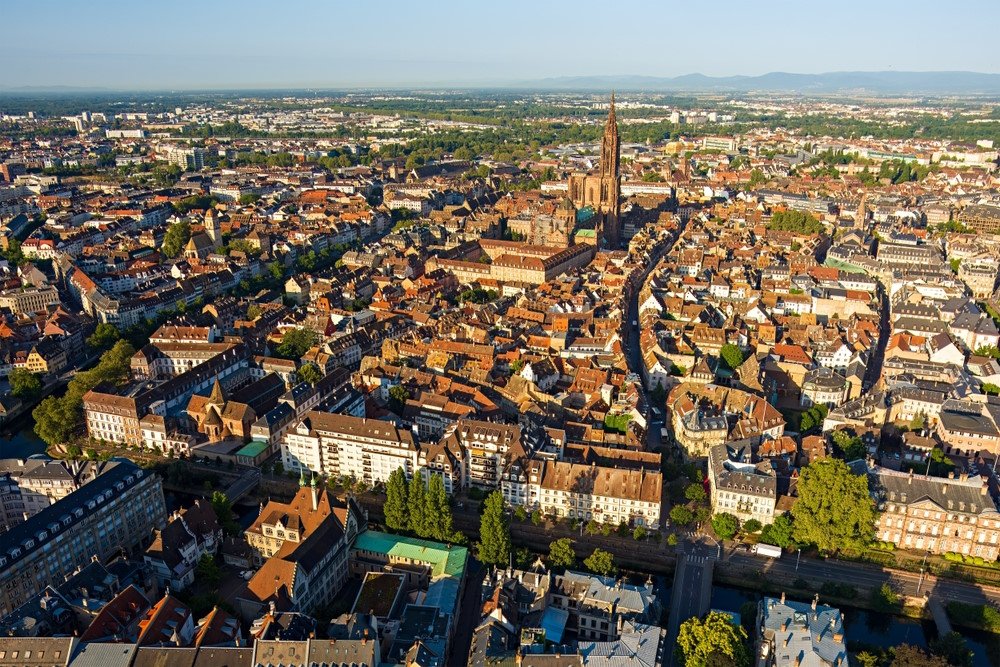
Positioned on the Ill River where it joins the Rhine along the German frontier, Strasbourg is the proud capital of Alsace. For centuries, the city functioned as a cultural and linguistic bridge between French and Germanic worlds, changing national sovereignty multiple times throughout modern European conflicts.
Strasbourg’s historic center, the Grande Île, is crowned by the monumental Gothic Cathedral of Notre Dame, whose pink sandstone spire stood as the tallest human-made structure on Earth for over two centuries. Today, Strasbourg serves as one of the institutional capitals of Europe, housing the European Parliament, the Council of Europe, and the European Court of Human Rights.
7. Montpellier: ~307,000 Residents
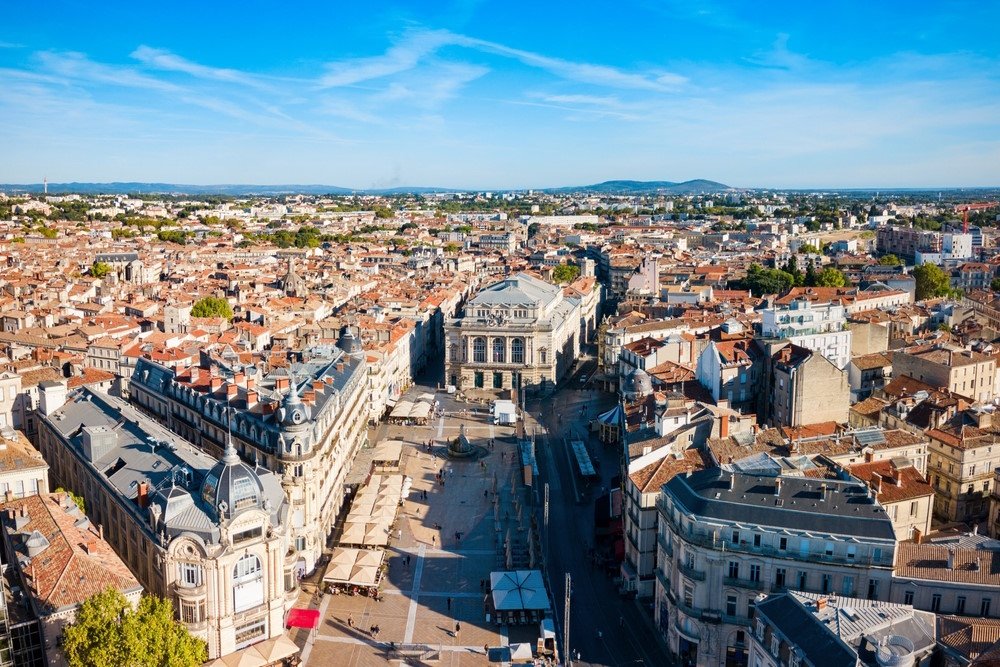
Located just ten kilometers inland from the Mediterranean coast in southern France, Montpellier has been one of the fastest-growing major French cities over the past four decades. Unlike many ancient cities in the region, Montpellier was founded in the tenth century by local counts rather than Roman colonists, rapidly evolving into a premier trading center between Spain and Italy.
The city’s intellectual prestige is rooted in the University of Montpellier, founded in 1220, which contains the oldest continuously operating medical faculty in the Western world, where figures like Rabelais and Nostradamus once studied. With students making up nearly a quarter of its population, Montpellier possesses an energetic atmosphere, characterized by wide pedestrian boulevards around the Place de la Comédie and neoclassical Antigone architecture.
6. Nantes: ~325,000 Residents
Resting on the Loire River just fifty kilometers before it empties into the Atlantic Ocean, Nantes was historically the seat of the Dukes of Brittany. The city preserves this ducal heritage through the imposing Château des Ducs de Bretagne, a fortified palace constructed with white tufa stone and granite ramparts.
During the eighteenth century, Nantes grew into France’s primary commercial seaport, handling maritime cargo from across the globe. Following the decline of traditional shipbuilding, the city reinvented its former naval shipyards into an extraordinary creative quarter, home to Les Machines de l’île, a fantasy artistic project featuring gigantic mechanical animals inspired by native son Jules Verne.
5. Nice: ~345,000 Residents
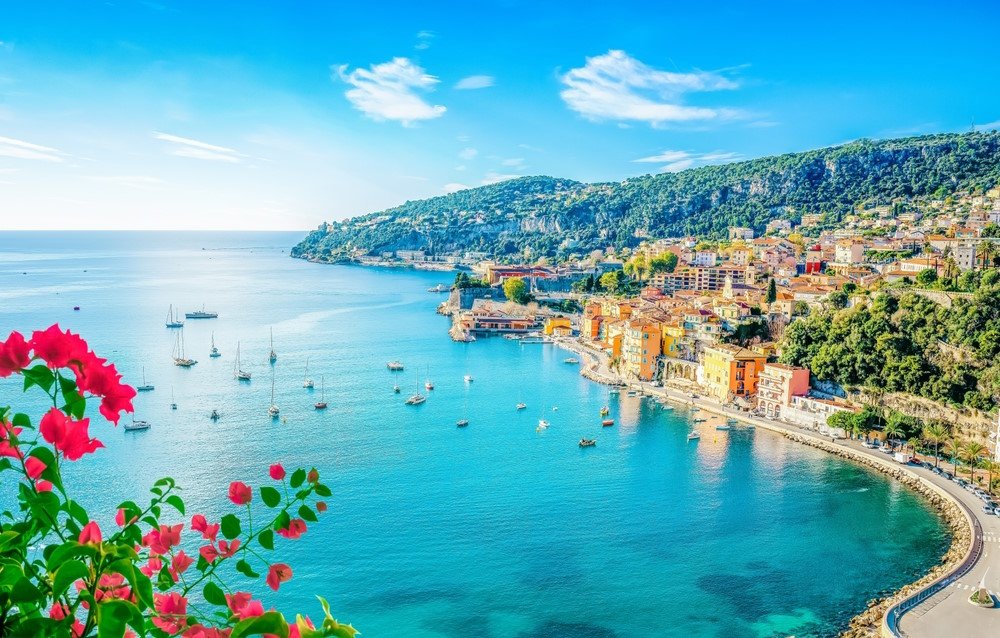
Nice curves along the azure waters of the Baie des Anges on the French Riviera, protected by the maritime foothills of the Alps. Historically part of the Duchy of Savoy and the Kingdom of Sardinia until joining France in 1860, the city retains a distinctive Italianate charm in its pastel-painted Old Town (Vieux Nice).
During the eighteenth and nineteenth centuries, European aristocracy transformed Nice into the premier winter seaside resort of the Mediterranean, leading to the creation of the world-famous Promenade des Anglais along the seafront. With its luminous Mediterranean light, Nice inspired renowned artists including Henri Matisse and Marc Chagall, both celebrated in local national museums.
4. Toulouse: ~512,000 Residents
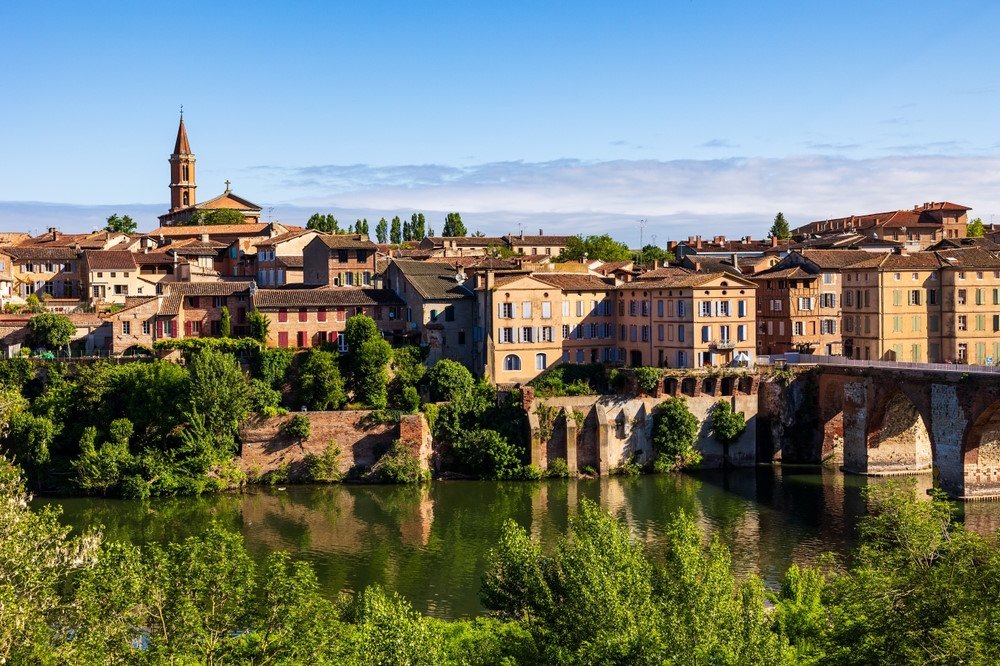
Known affectionately as La Ville Rose (The Pink City) due to the warm terracotta bricks used in its historic architecture, Toulouse sits on the Garonne River and the Canal du Midi in southwestern France. As the historical capital of the Languedoc province, the city was a major stop along the medieval pilgrimage route to Santiago de Compostela, anchored by the Romanesque Basilica of Saint-Sernin.
Today, Toulouse is recognized globally as the aviation and space capital of Europe. It serves as the worldwide headquarters for aircraft manufacturer Airbus, alongside a vast ecosystem of aerospace research institutes, satellite developers, and engineering universities that attract researchers from every corner of the planet.
3. Lyon: ~522,000 Residents
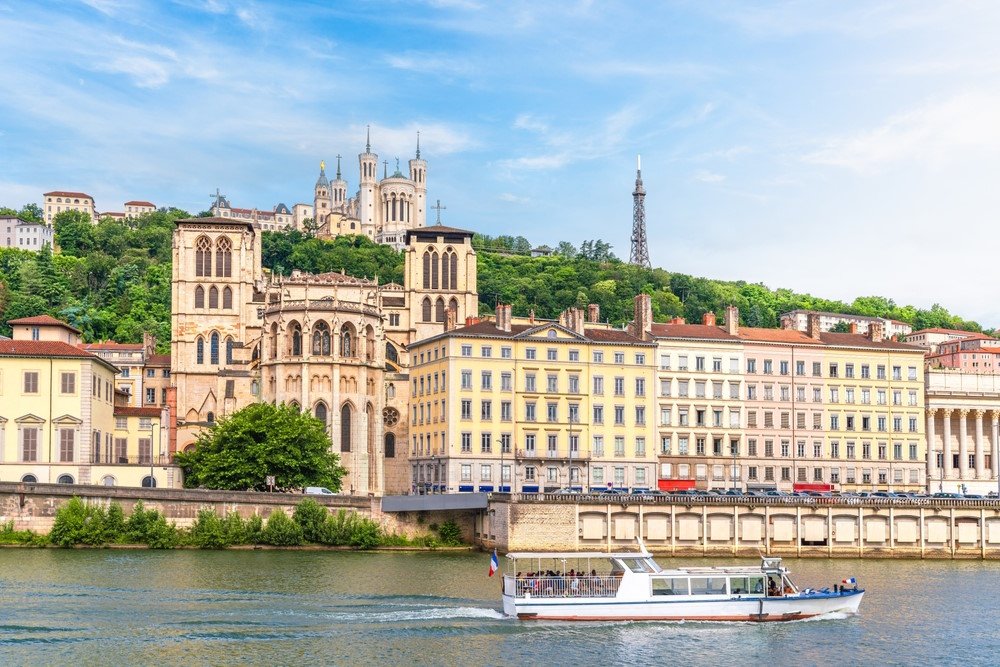
Dramatically situated at the confluence of the Rhône and Saône rivers, Lyon was originally founded by the Romans in 43 BC as Lugdunum, the political capital of Roman Gaul. The city’s layered topography rises from the riverbanks to the historic Fourvière hill, crowned by the nineteenth-century Basilica of Notre-Dame de Fourvière.
During the Renaissance, Lyon became Europe’s preeminent silk-weaving capital, creating an extensive network of covered passageways known as traboules that allowed weavers to move fabrics safely between workshops in the historic Croix-Rousse and Vieux Lyon districts. Lyon is also globally revered as the gastronomic capital of France, celebrated for its cozy traditional bouchons and the culinary legacy of master chef Paul Bocuse.
2. Marseille: ~877,000 Residents
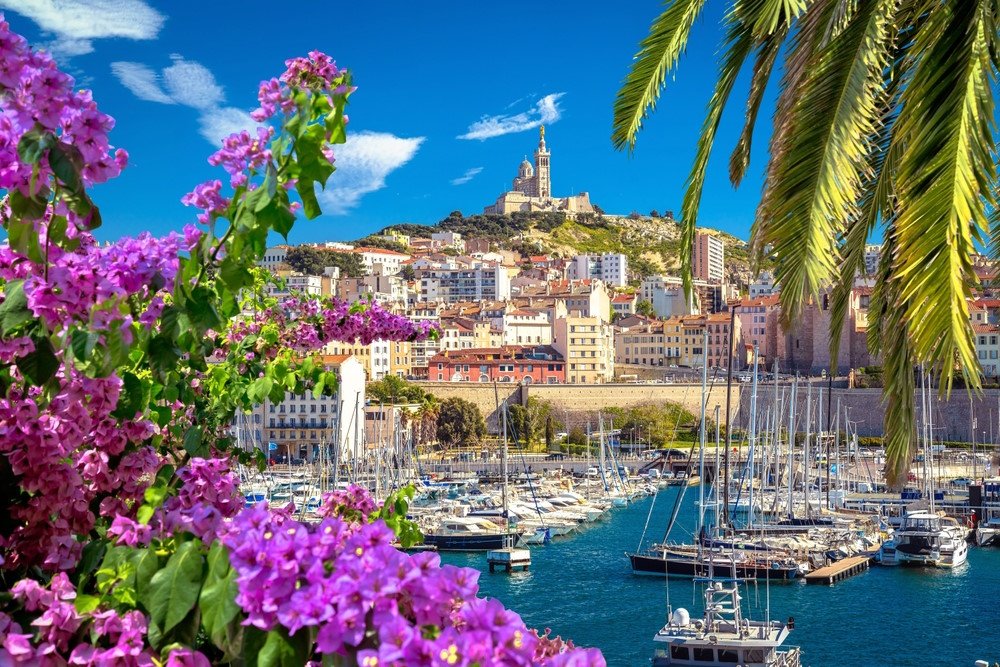
Founded around 600 BC by Greek mariners from Phocaea as Massalia, Marseille is the oldest city in France and its primary Mediterranean gateway. Spread across a vast coastal amphitheater enclosed by limestone calanques, the city’s historic focal point has always been the Vieux-Port (Old Port), where fishermen have traded catches for over twenty-six centuries.
Guarded by the hilltop Basilica of Notre-Dame de la Garde, Marseille possesses an authentic, cosmopolitan soul shaped by waves of Mediterranean migration from Italy, Spain, North Africa, and the Comoros. As the largest commercial container seaport in France, Marseille combines industrial logistics with contemporary cultural centers like the MuCEM (Museum of European and Mediterranean Civilisations).
1. Paris: ~2.13 Million Residents
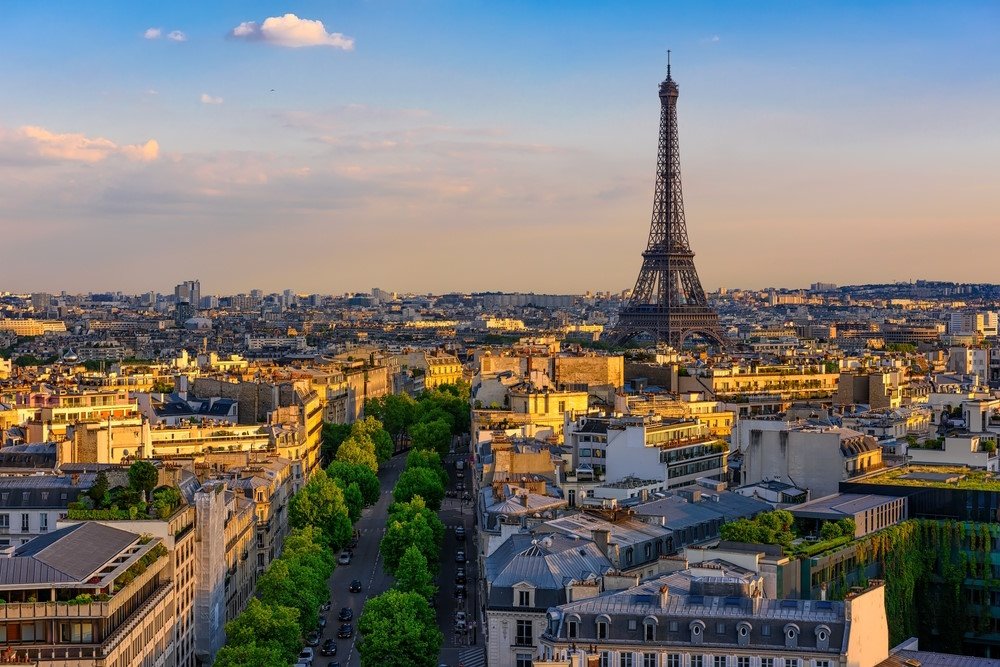
Paris stands as the unrivaled political, economic, intellectual, and cultural capital of France, straddling the Seine River in northern France. From its ancient origins as a fishing settlement of the Parisii tribe on the Île de la Cité, the city evolved across two millennia into one of the world’s most influential metropolises, forever linked to the ideals of the Enlightenment and liberty.
While the central municipality of Paris covers roughly 105 square kilometers, its functional urban region accommodates over thirteen million inhabitants. Famous for its sweeping Haussmannian boulevards, iconic monuments like the Eiffel Tower, the Arc de Triomphe, and the restored Notre-Dame Cathedral, Paris also houses the Louvre, the world’s most visited art museum, while driving global fashion, fine dining, and international diplomacy.
Conclusion
From the industrial Flemish plains of the north to the sun-baked Mediterranean quays of the south, France’s major cities embody remarkable regional character and historical endurance. Supported by high-speed TGV rail networks and decentralized economic clusters, these ten metropolises will continue to shape French identity and European leadership for decades to come.