Switzerland is renowned for alpine landscapes, banking precision, and decentralized cantonal governance. While the country contains few sprawling megacities, its urban centers rank among the most prosperous, clean, and livable municipal environments anywhere in the world.
Official demographic statistics published by the Swiss Federal Statistical Office monitor resident numbers across German, French, and Italian linguistic territories. Regional cultural highlights and travel guides are curated by Switzerland Tourism. Based on permanent municipal population figures, here are the ten largest cities in Switzerland.
10. Biel/Bienne: ~59,000 Residents
Located at the foot of the Jura mountains along Lake Biel, Biel/Bienne is the largest officially bilingual city in Switzerland.
Both German and French are spoken interchangeably throughout daily municipal life and local commerce. The city is celebrated internationally as the industrial capital of Swiss watchmaking, housing headquarters and manufacturing workshops for legendary luxury brands including Omega and Swatch.
9. Lugano: ~70,000 Residents
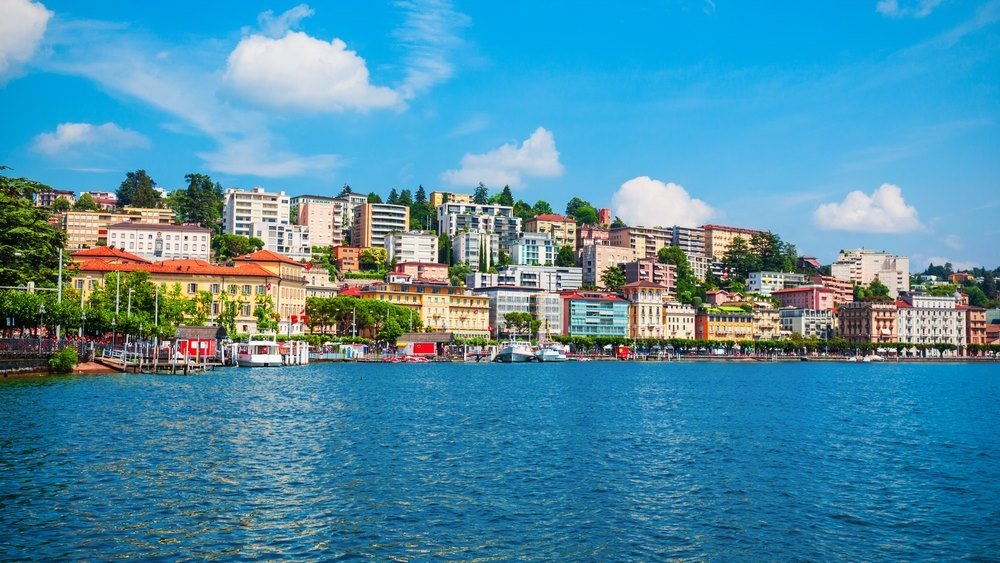
Lugano is the economic and cultural center of the Italian-speaking canton of Ticino, set against Lake Lugano and surrounded by dramatic subalpine peaks.
The city blends Swiss banking efficiency with Mediterranean flair, visible in its palm-lined lakeside promenades, open piazzas, and outdoor cafes. Lugano also serves as the third most significant financial marketplace in Switzerland, specializing in private banking and asset management.
8. St. Gallen: ~83,000 Residents
St. Gallen lies in northeastern Switzerland between Lake Constance and the Appenzell Alps, originating from a hermitage founded by Irish monk Saint Gall in 612.
The city is famous for its Abbey of Saint Gall, a UNESCO World Heritage site that houses one of the oldest and richest medieval monastic libraries on earth. St. Gallen also carries a renowned textile heritage and hosts the University of St. Gallen, celebrated for business and economics.
7. Lucerne: ~86,500 Residents
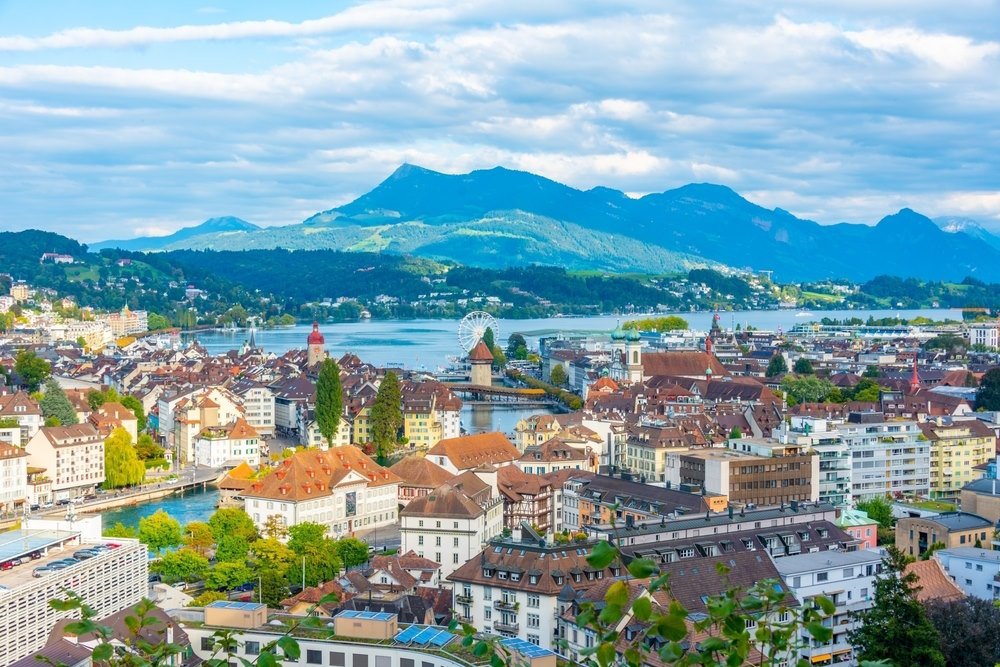
Lucerne sits in central Switzerland on the shores of Lake Lucerne, within sight of Mount Pilatus and Mount Rigi.
The city is world famous for its fourteenth-century covered wooden Chapel Bridge (Kapellbrucke), complete with interior triangular paintings depicting local history. Lucerne’s preserved medieval old town, lakeside steamboats, and historic watchtowers draw millions of international visitors every year.
6. Winterthur: ~121,000 Residents
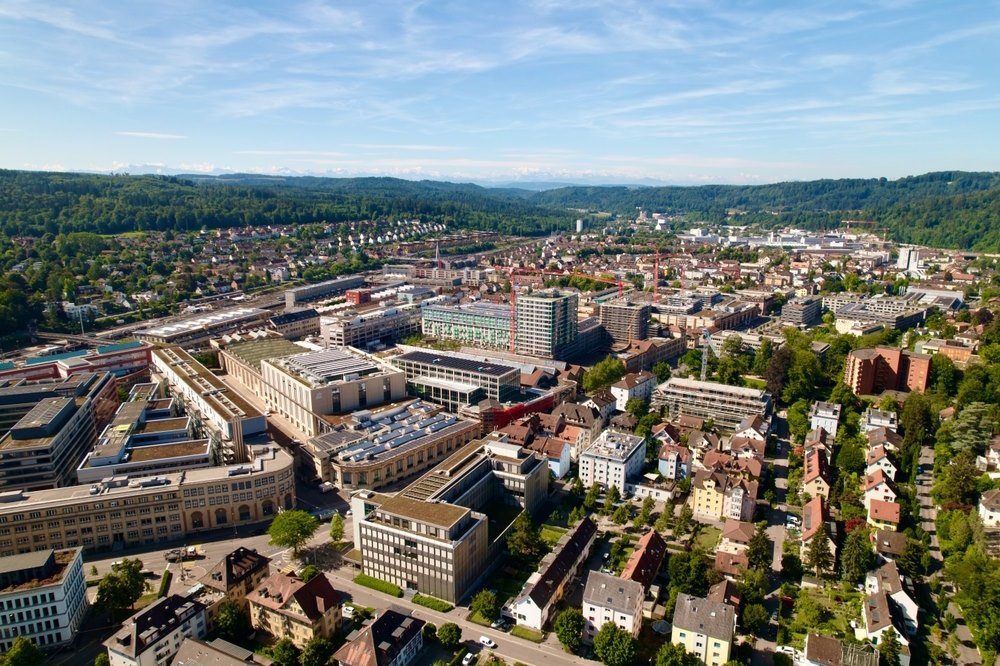
Located just northeast of Zurich, Winterthur evolved from a major nineteenth-century industrial engineering center into a progressive city of arts and education.
The city features the largest contiguous pedestrian zone in Switzerland and houses world-class art collections, including the Oskar Reinhart Collection and the Swiss Science Center Technorama. Many residents take advantage of its peaceful green neighborhoods while commuting easily to Zurich.
5. Bern: ~138,500 Residents
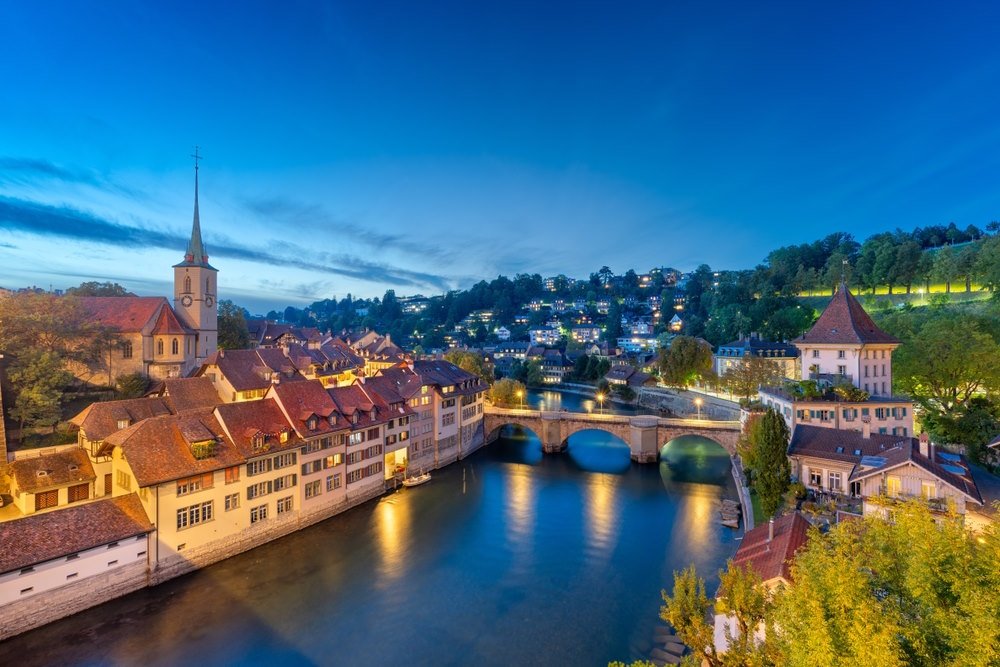
Bern serves as the federal city and de facto political capital of Switzerland, cradled in a spectacular loop of the crystal-clear Aare River.
Its medieval old town is protected as a UNESCO World Heritage site, famous for six kilometers of covered limestone arcades, Renaissance fountains, and the historic Zytglogge clock tower. Bern is also where Albert Einstein formulated his theory of relativity while working at the federal patent office.
4. Lausanne: ~145,500 Residents
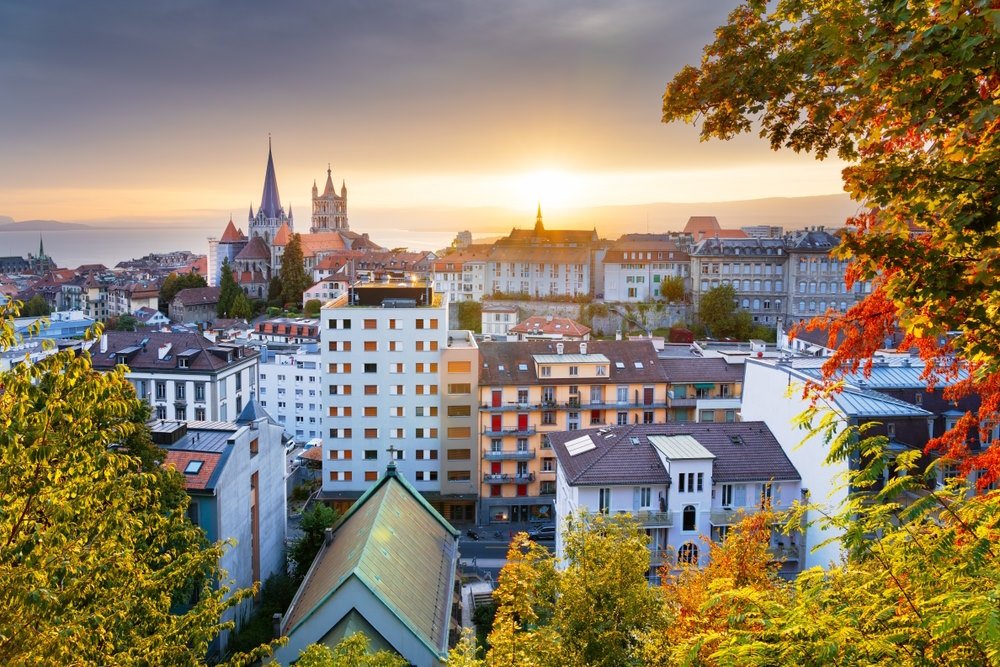
Lausanne rises across steep vineyard-clad hills overlooking Lake Geneva toward the French Alps in the French-speaking canton of Vaud.
Designated as the Olympic Capital, Lausanne is home to the headquarters of the International Olympic Committee and the Court of Arbitration for Sport. The city combines lively university energy from EPFL and UNIL with an imposing early Gothic cathedral and dynamic waterfront promenades.
3. Basel: ~182,000 Residents
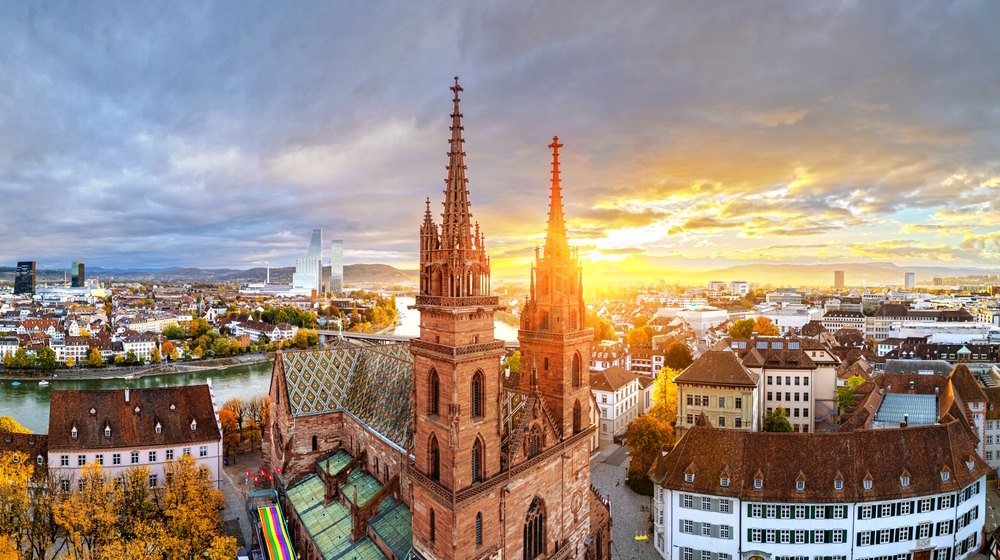
Basel sits directly on the Rhine River at the tri-border junction where Switzerland meets France and Germany.
The city is a global economic engine driven by multinational pharmaceutical giants like Novartis and Roche. Basel is equally celebrated as Switzerland’s cultural capital, featuring nearly forty museums, prestigious international Art Basel fairs, and a rich humanistic university tradition dating back to 1460.
2. Geneva: ~206,000 Residents
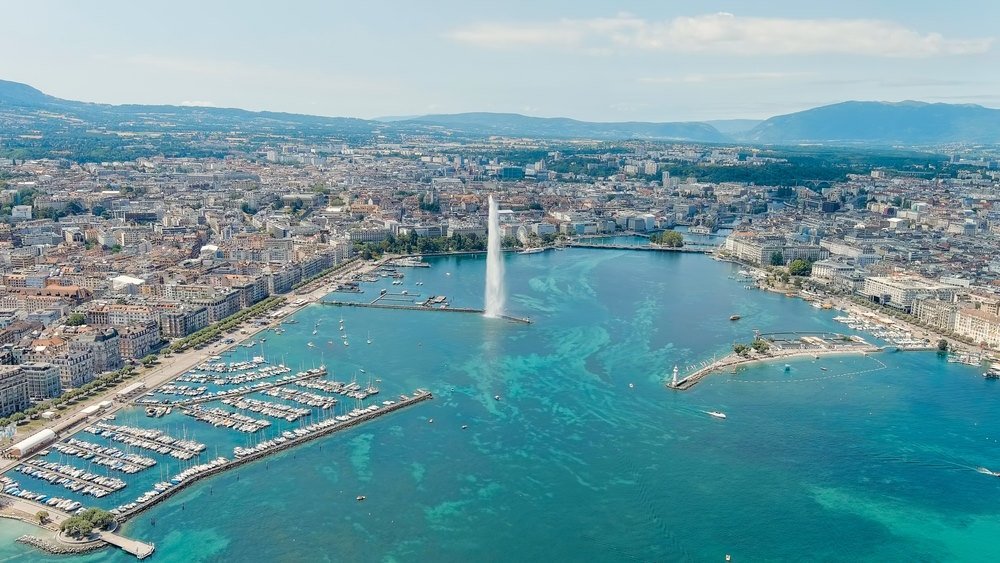
Surrounded almost entirely by French territory at the southern tip of Lake Geneva, Geneva is the second largest city in Switzerland.
Known worldwide as the Peace Capital, Geneva hosts the European headquarters of the United Nations, the Red Cross, and dozens of international bodies. Its skyline is defined by the soaring Jet d’Eau water fountain, while its banks and fine horology houses maintain legendary worldwide reputations.
1. Zurich: ~448,000 Residents
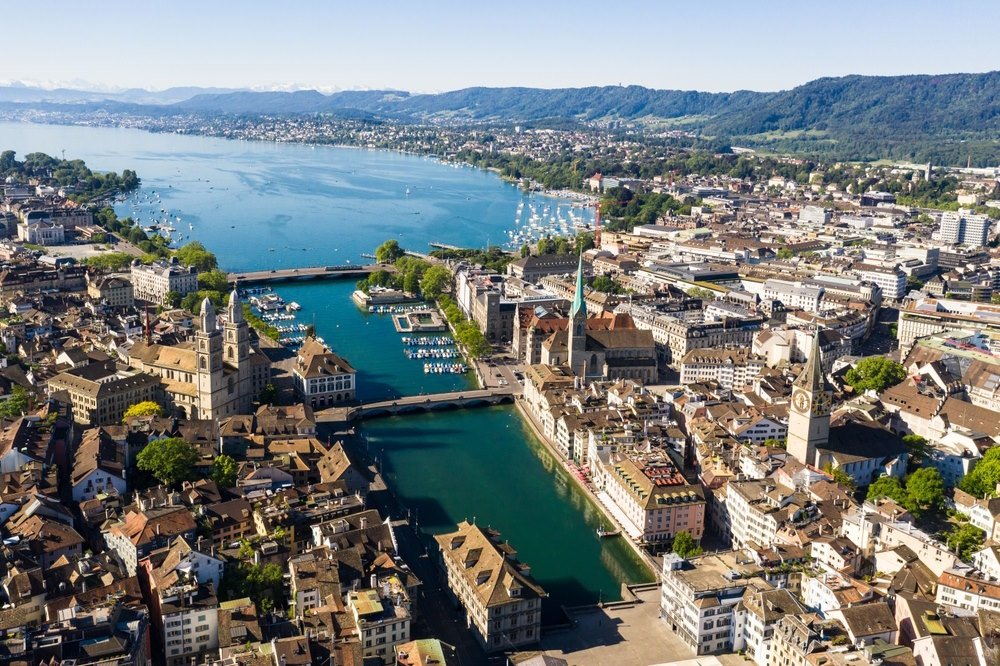
Zurich is the largest city in Switzerland and the undisputed financial, cultural, and transport heartbeat of the nation.
Positioned where the Limmat River flows out of Lake Zurich, the city combines global banking on the prestigious Bahnhofstrasse with top tier research universities like ETH Zurich. Despite its international financial clout, Zurich maintains exceptional environmental quality with clean lake waters and efficient tram networks.
Switzerland’s largest cities exemplify how compact urban design, alpine beauty, and multi-lingual democracy can coexist harmoniously. With world-leading research universities, efficient public transport networks, and strong cantonal governance, these municipalities maintain an exceptional standard of daily life that remains a global benchmark.