Living costs across the European continent vary dramatically depending on local currency valuation, taxation structures, and strict urban housing markets. While Mediterranean and Eastern European destinations remain accessible, financial hubs and northern capitals require substantial monthly budgets for basic housing, dining, and daily transport.
Global benchmark assessments such as the annual Cost of Living surveys from Mercer track international expatriate expenses across hundreds of consumer goods and accommodation categories. At the same time, regional economic agencies like Eurostat analyze comparative purchasing power across the continent. Evaluating recurring rent, dining out, groceries, and services, here are the ten most expensive cities in Europe.
10. Reykjavik, Iceland
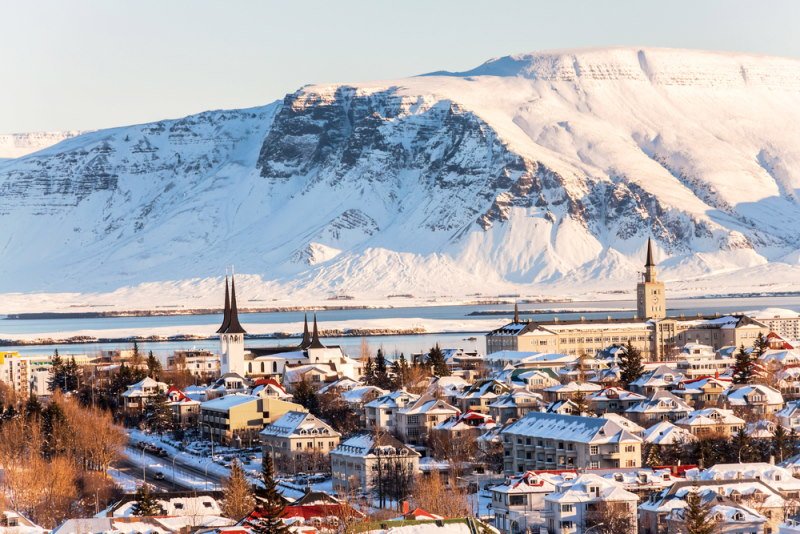
Iceland’s remote North Atlantic location requires extensive maritime shipping and aviation for everyday consumer goods and fresh produce.
Heavy import tariffs on agricultural products combined with high value added tax rates push restaurant bills and supermarket receipts to exceptional heights. In addition, Iceland’s booming tourism sector puts fierce pressure on short term accommodation, creating a competitive residential market where rent consumes a major portion of average household earnings.
9. Paris, France
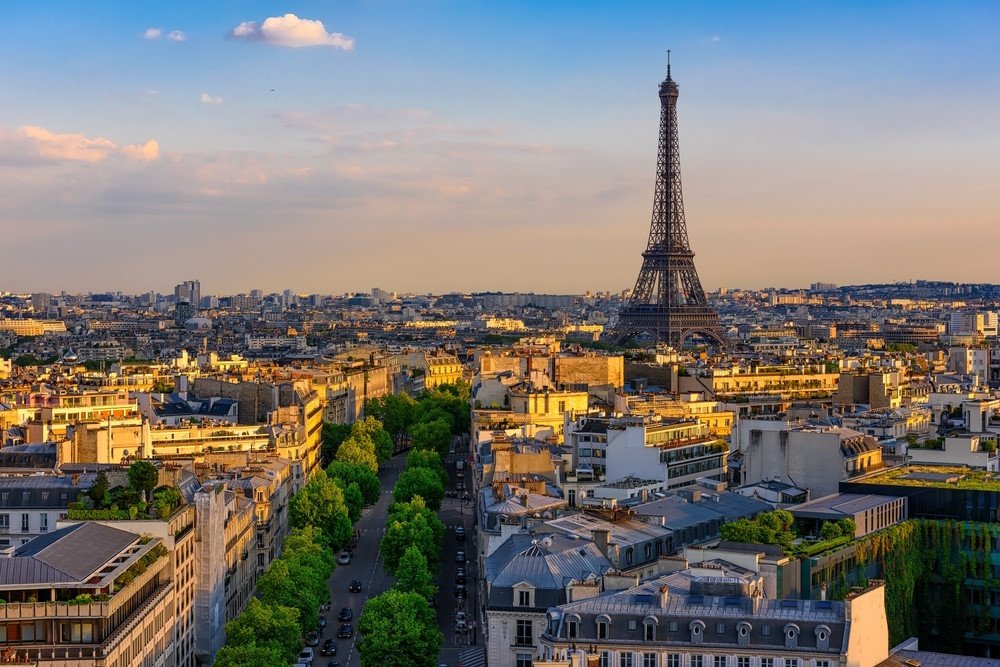
Paris remains one of the premier luxury capitals and cultural destinations worldwide, but everyday life inside its historic ring road commands steep prices.
Square meter real estate values in central arrondissements rank among the highest globally, making modest private rental flats a significant luxury. While public healthcare and transit remain subsidized, dining in sidewalk cafes, private school tuition, and personal services make the French capital notoriously costly for working residents.
8. Amsterdam, Netherlands

The Dutch capital faces a severe housing shortage driven by historic preservation limits, canal geography, and a rapid influx of multinational corporate headquarters.
Finding an apartment in Amsterdam often leads to bidding wars on monthly rents that easily exceed two thousand euros for standard one-bedroom apartments. Groceries, municipal trash collection levies, and leisure spending add substantial ongoing expenses to monthly budgets.
7. Oslo, Norway
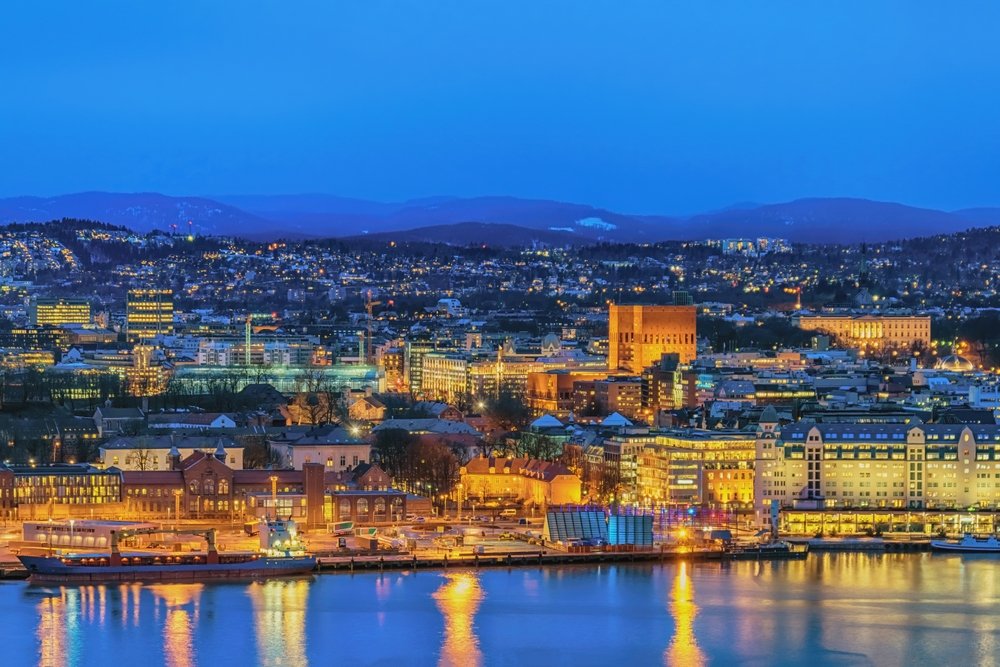
Norway’s strong sovereign wealth and robust national wage agreements support high living standards alongside elevated consumer price tags.
Oslo consistently places high on international expenditure charts, where eating out or buying alcoholic beverages carries steep sin taxes. High import duties on food items and strict green building standards also translate into costly residential rents throughout the fjordside capital.
6. Dublin, Ireland
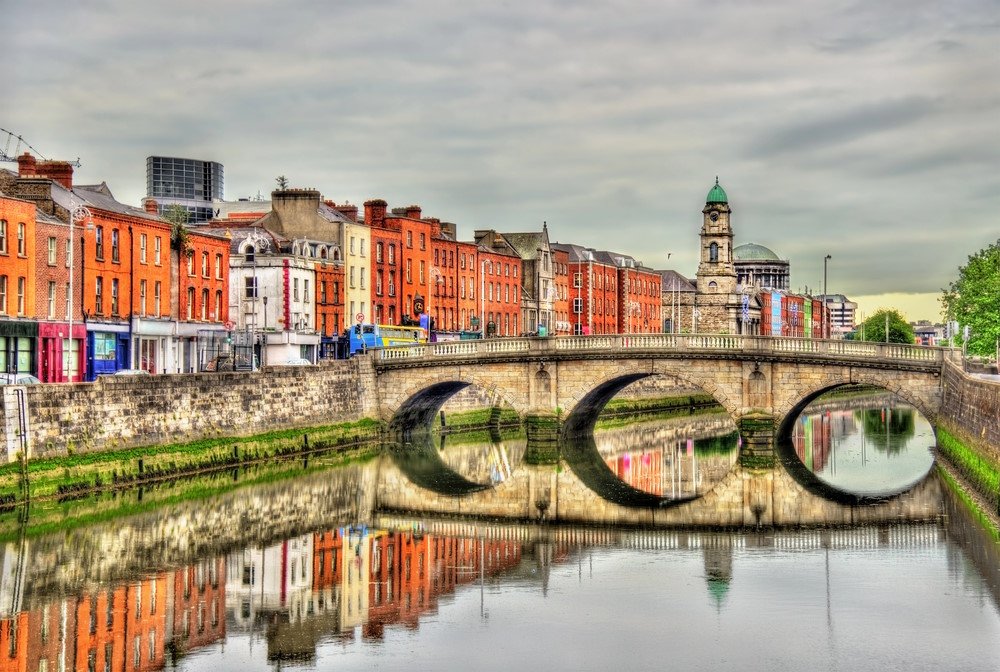
The rapid expansion of the Silicon Docks has brought thousands of high-earning tech employees into Ireland’s historic capital.
Housing development has struggled to match this rapid growth, resulting in astronomical rental increases that rival the highest rates in Western Europe. Basic household utilities, childcare, and routine transportation costs further strain domestic finances for long time locals and newcomers alike.
5. Copenhagen, Denmark
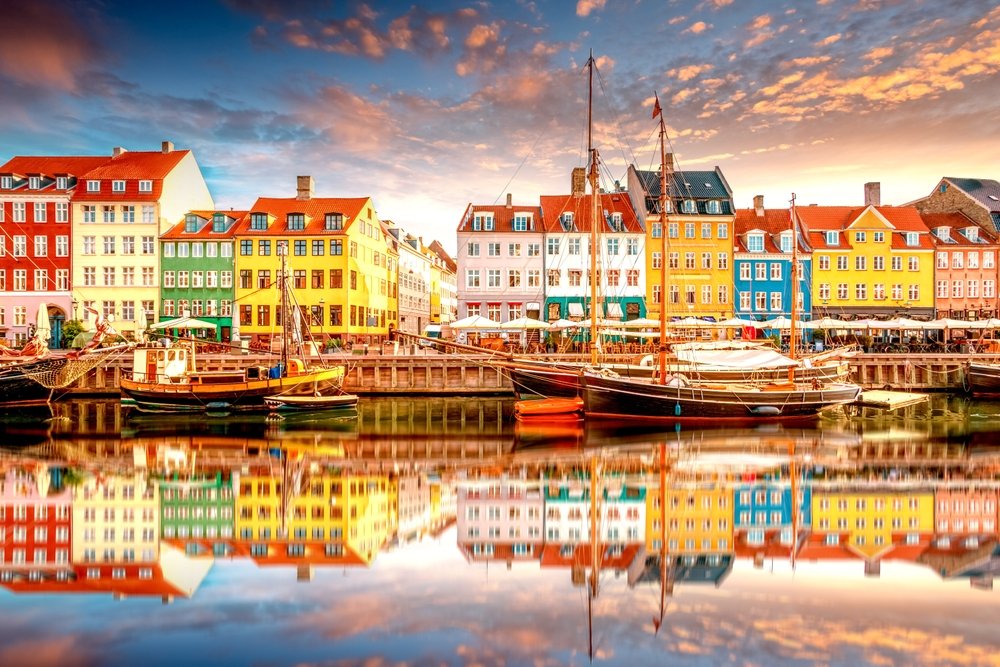
Denmark pairs generous social welfare systems and high median salaries with steep sales taxes and lofty retail pricing.
In Copenhagen, the universal 25 percent value added tax applies across virtually all goods and services, including dining out, coffee, and entertainment. Even though cycling infrastructure saves on transport costs, finding residential accommodation requires navigating a tight, costly property market.
4. Basel, Switzerland
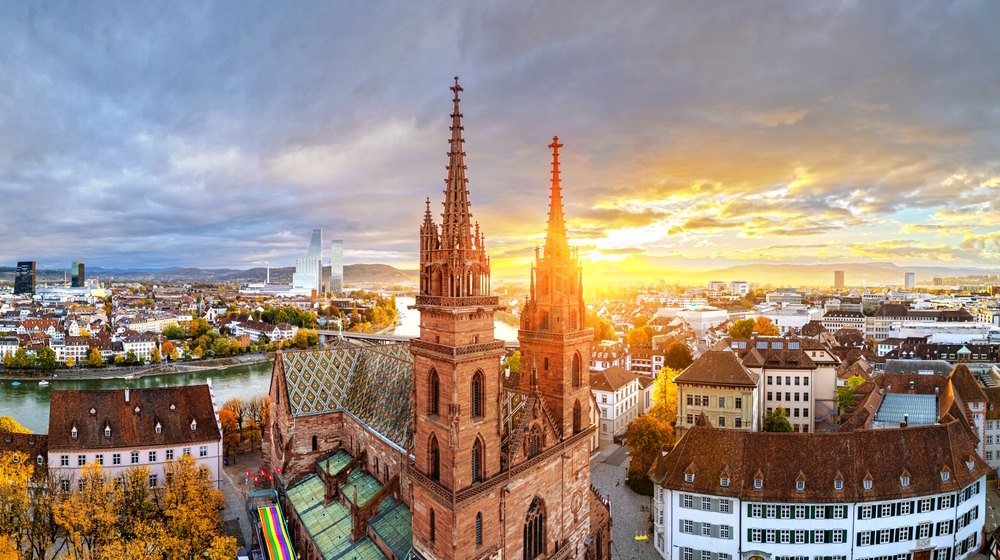
Perched on the Rhine River at the borders of France and Germany, Basel is a primary global center for pharmaceutical and chemical giants.
While local salaries match the high corporate revenue base, daily expenditure is notable. Mandatory private health insurance premiums, high supermarket prices, and pricey domestic services mean even basic monthly outlays require significant capital.
3. London, United Kingdom
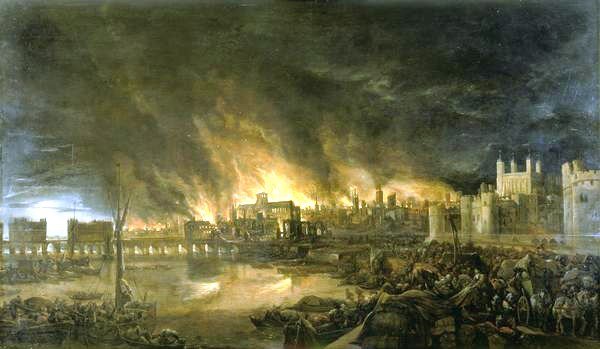
As one of the world’s leading financial capitals, London combines vast global influence with extraordinary real estate valuation.
Commuting from outer zones requires costly monthly rail passes, while inner zone apartment rents represent some of the highest living expenses in the Northern Hemisphere. From council taxes to pub visits, staying solvent in the British metropolis demands considerable income.
2. Geneva, Switzerland
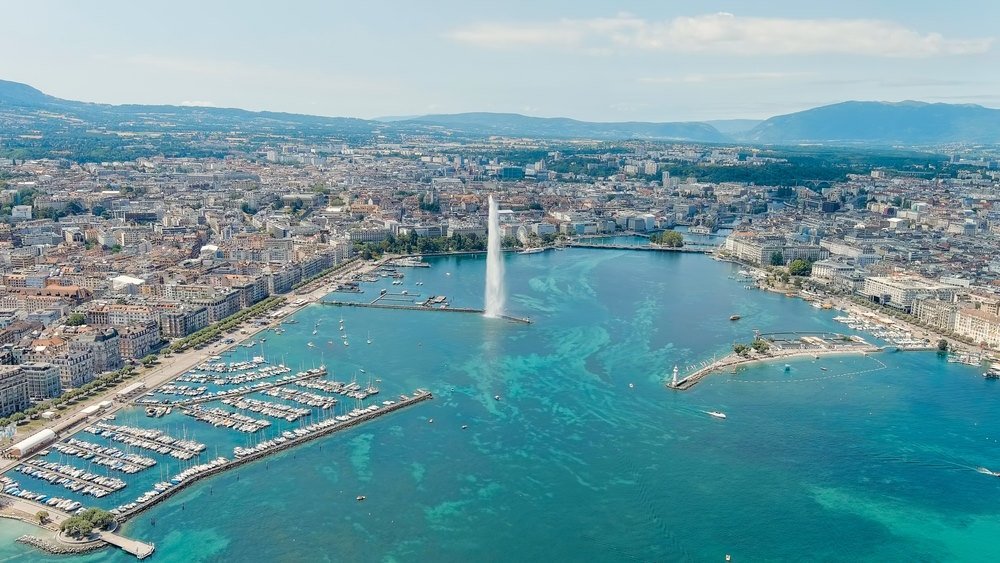
Geneva functions as a diplomatic focal point, home to the European headquarters of the United Nations and the Red Cross.
The concentration of international civil servants, bankers, and diplomats creates strong demand for premium lakeside properties. Restaurant menus regularly reflect steep Swiss franc conversions, and service fees for childcare, maintenance, and healthcare sit among the highest on earth.
1. Zurich, Switzerland
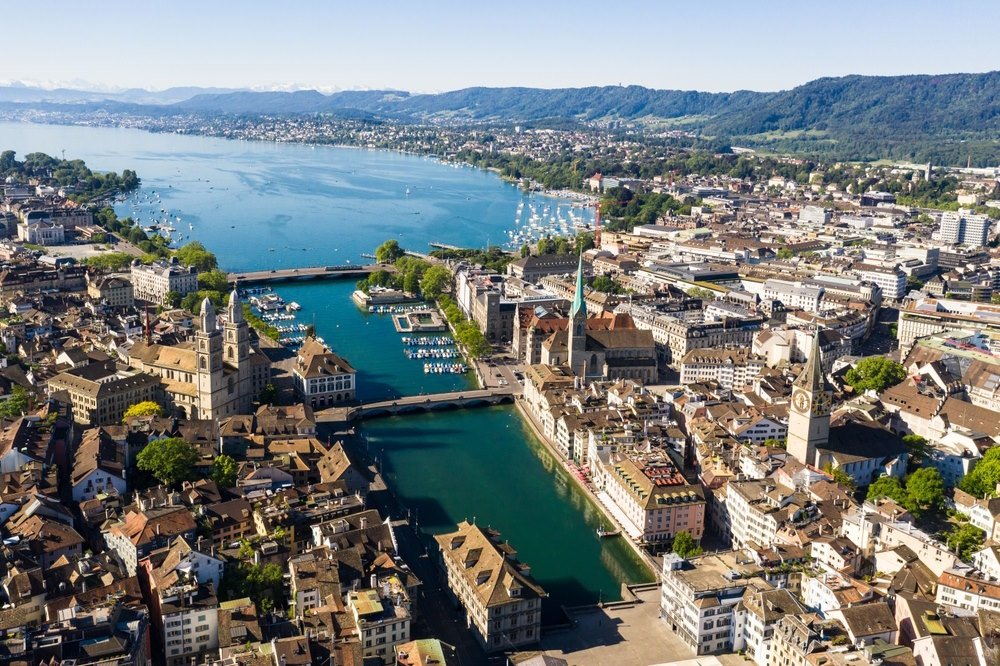
Zurich consistently tops global indexes as the most expensive city in Europe and frequently the world.
The Swiss financial capital features exceptionally high salaries, yet ordinary consumer prices match those wages dollar for dollar. A casual meal at a bistro, movie tickets, gym memberships, and private residential rentals command remarkable price tags that can shock unprepared visitors.
Navigating daily expenses across Europe’s priciest metropolitan areas requires disciplined household budgeting and strong local earnings. While high rents and steep taxes pose substantial hurdles for residents, these leading cities continue to offer world-class public infrastructure, high safety standards, and rewarding professional career prospects.