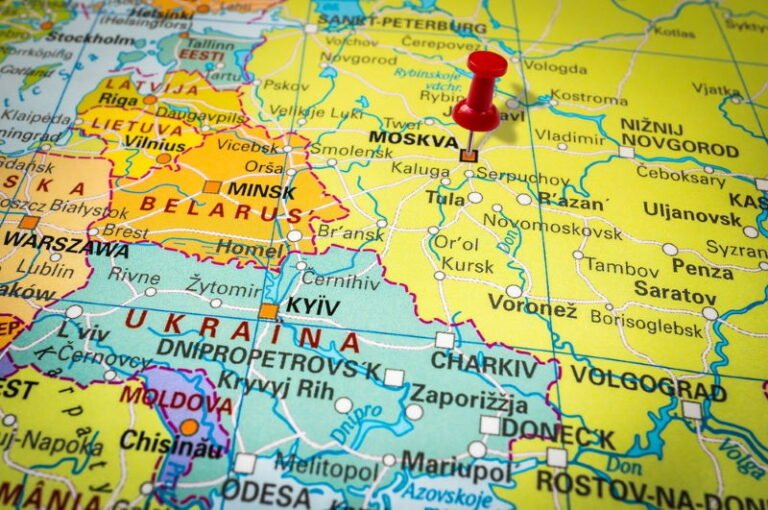
Ukraine occupies an expansive territory across Eastern Europe, stretching from the forested Carpathian Mountains across fertile black-earth agricultural steppes to the industrial river basins of the Dnieper (Dnipro) and the coastal waters of the Black Sea and Sea of Azov. For more than a millennium, beginning with the medieval realm of Kyivan Rus, Cossack hetmanates, and major industrialization eras, Ukrainian cities developed as vital hubs of agricultural commerce, heavy metallurgy, and aerospace engineering. According to municipal demographic census records published by the State Statistics Service of Ukraine (Ukrstat), roughly sixty-nine percent of the Ukrainian population lived in urban areas prior to recent geopolitical disruptions.
Ukrainian urban landscapes present an extraordinary spectrum of architecture, from thousand-year-old golden-domed Orthodox cathedrals and cobblestone Central European Renaissance quarters to grand neoclassical Black Sea seaside boulevards and colossal heavy industrial complexes. Despite immense wartime devastation and displacement, Ukrainian cities stand as resilient monuments of national sovereignty, cultural identity, and community strength. Examining the ten most populous cities based on pre-war demographic baselines highlights the enduring heritage and industrial significance of the Ukrainian nation.
10. Mariupol (approx. 430,000 residents)
Situated on the northern coast of the Sea of Azov at the mouth of the Kalmius River, Mariupol historically served as an indispensable maritime trade port and heavy metallurgical giant. Founded in the eighteenth century as an administrative center and sanctuary for Greek Christians resettled from Crimea, the city retained a proud Hellenic cultural identity, expressed through Greek cultural centers and regional culinary traditions. Sprawling steelworks, notably the historic Azovstal and Illich metallurgical complexes, dominated the industrial coastline.
Tragically subjected to near-total devastation during the 2022 siege, Mariupol has become an enduring global symbol of human resilience and sacrifice. In Ukrainian national memory, the city remains cherished for its coastal maritime heritage, leafy seaside parks, and historic theatrical institutions.
9. Mykolaiv (approx. 470,000 residents)
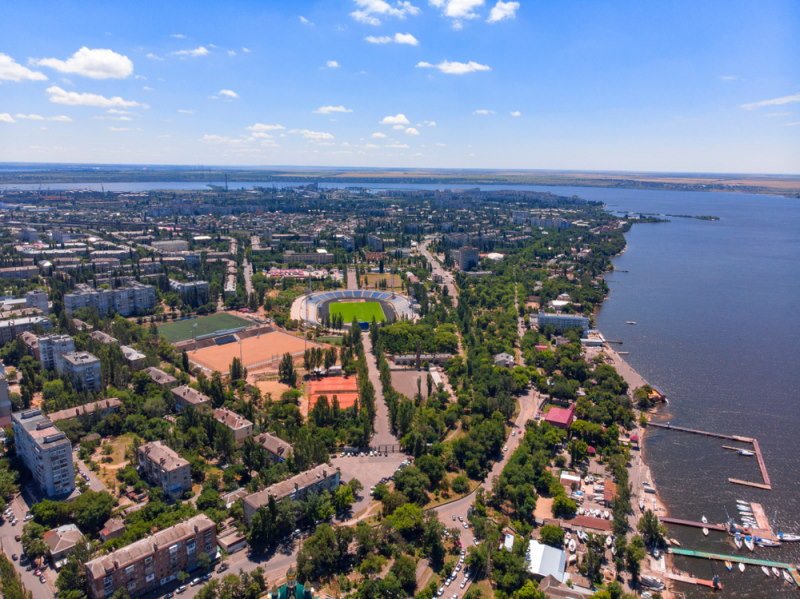
Resting at the confluence of the Southern Bug and Inhul rivers roughly sixty kilometers from the Black Sea, Mykolaiv holds the undisputed title of the City of Shipbuilders. Founded in 1789 by Prince Grigory Potemkin as a naval shipyard following the conquest of the Black Sea coast, the city developed on a strict rectilinear grid with wide tree-lined boulevards designed for naval officers and shipbuilders. The city’s massive shipyards constructed flagship aircraft carriers, missile cruisers, and commercial grain freighters.
Known in recent years as the Hero City of Ukraine for its steadfast defense that halted military advances toward Odesa, Mykolaiv preserves proud maritime institutions, including the Museum of Shipbuilding and Fleet. The city is also a leading grain export port, connecting fertile southern steppes to global food supply routes.
8. Kryvyi Rih (approx. 600,000 residents)
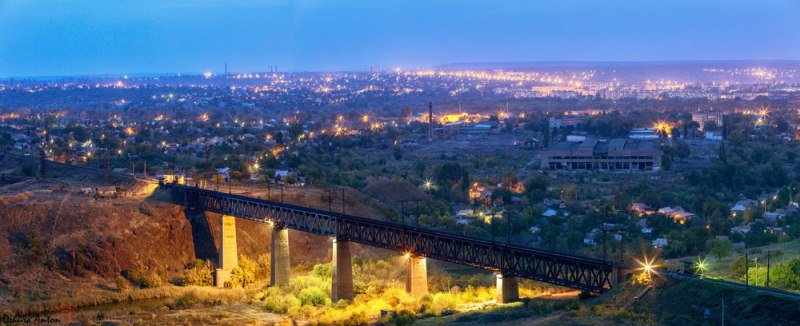
Stretching for more than one hundred and twenty kilometers from north to south across the central steppes, Kryvyi Rih, meaning Crooked Horn, is recognized as the longest city in Europe and the heart of the colossal Kryvbas iron ore basin. Founded in the seventeenth century as a Zaporozhian Cossack postal station, the city underwent rapid industrial development in the late nineteenth century, developing into one of the world’s premier iron ore mining and steel smelting centers, anchored by the massive ArcelorMittal Kryvyi Rih steel plant.
The city features the Metrotram, an innovative rapid transit hybrid operating streetcars through underground subway tunnels. Kryvyi Rih is also internationally known as the hometown of Ukrainian President Volodymyr Zelenskyy, who grew up in its working-class neighborhoods before entering comedy and politics.
7. Lviv (approx. 715,000 residents)
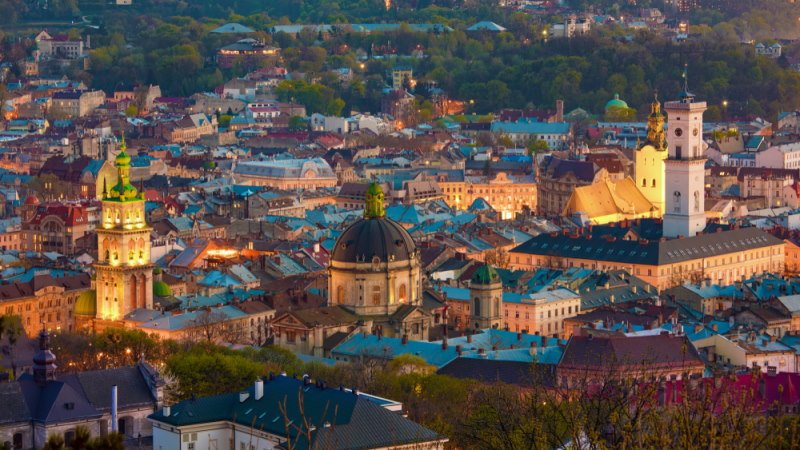
Located in western Ukraine near the Polish border, Lviv is widely acclaimed as the cultural and spiritual capital of Ukrainian identity. Founded in 1256 by King Daniel of Galicia and named in honor of his son Lev, the city reflects centuries of Polish, Austro-Hungarian, and Jewish heritage, leaving behind an impeccably preserved Renaissance and Baroque historic center inscribed as a UNESCO World Heritage site. Rynok Square is lined with forty-four unique medieval and Renaissance merchant houses, surrounding the grand nineteenth-century Town Hall tower.
Lviv is internationally renowned for its coffeehouse culture, chocolate artisan workshops, and book publishing heritage, having hosted the first printing press in Ukraine in 1574. The city serves as an essential technological software and logistics hub, where cobblestone alleys echo with chamber music outside the opulent Lviv National Opera.
6. Zaporizhzhia (approx. 715,000 residents)
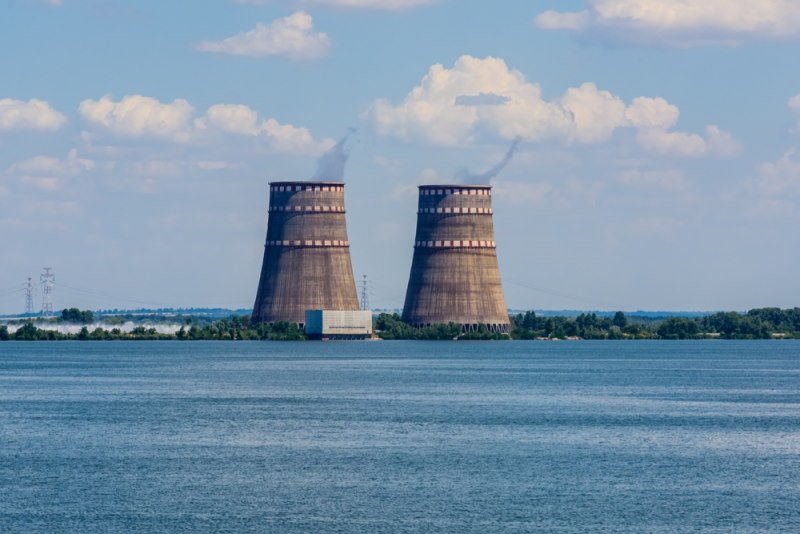
Spanning the banks of the mighty Dnieper River, Zaporizhzhia, meaning Beyond the Rapids, occupies the most sacred ground in Ukrainian Cossack history. In the middle of the river lies the rocky island of Khortytsia, a legally protected national sanctuary that served for centuries as the fortress headquarters (Sich) of the Zaporozhian Cossacks, who established democratic warrior communities that fought for Ukrainian liberty. The island preserves reconstructed wooden palisades, Cossack churches, and traditional horse-riding shows.
In modern times, Zaporizhzhia became a titan of electrical engineering and heavy industry, best seen in the monumental curved concrete wall of the Dnipro Hydroelectric Station (DneproGES), opened in 1932. The city hosts colossal metallurgical works and Motor Sich, one of the world’s premier manufacturers of airplane and helicopter engines.
5. Donetsk (approx. 900,000 residents)
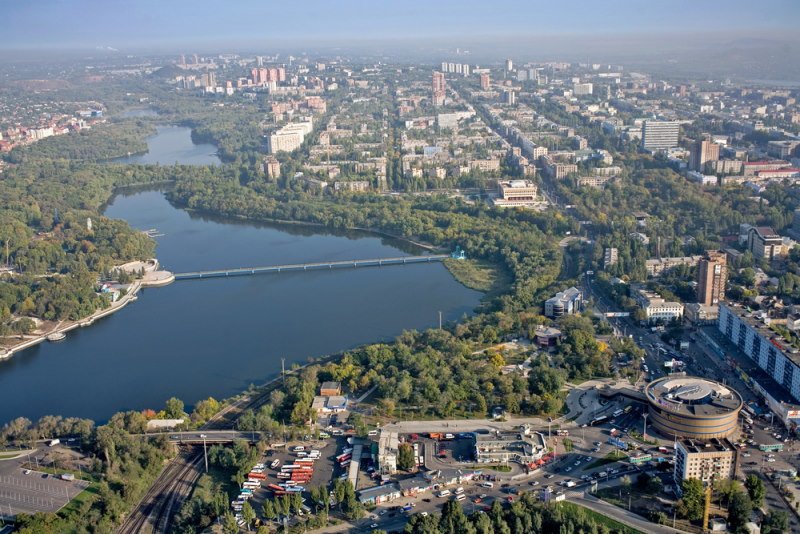
Resting on the Kalmius River in eastern Ukraine, Donetsk developed into the undisputed capital of the Donbas coal and steel basin. Founded in 1869 by Welsh businessman John Hughes, who built a metal works and coal mines, the settlement was originally named Hughesovka (Yuzovka). Surrounded by historic coal waste heaps (terrikons) that dot the skyline, the city grew into a heavy metallurgical powerhouse.
Before conflict disrupted civic life in 2014, Donetsk was celebrated as the City of a Million Roses, featuring expansive manicured rose gardens and the ultramodern Donbass Arena, a world-class five-star stadium that hosted matches during UEFA Euro 2012. The city preserves a proud miners’ heritage, honored by the Monument to the Donbas Liberators.
4. Dnipro (approx. 970,000 residents)
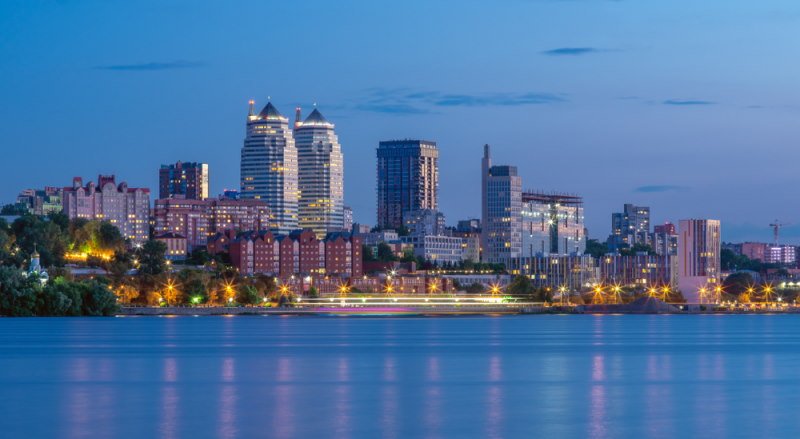
Situated along a majestic bend of the Dnieper River in east-central Ukraine, Dnipro is a modern, dynamic industrial and technological powerhouse. Historically named Yekaterinoslav and later Dnipropetrovsk, the city was closed to foreign visitors during the Soviet era because it served as the top-secret space capital of the USSR, housing the Yuzhmash rocket factory and Yuzhnoye Design Bureau, which engineered intercontinental ballistic missiles and Zenit space rockets.
Dnipro features the longest riverfront embankment in Europe, stretching for over thirty kilometers along the water, lined with parks, fountains, and contemporary high-rise towers. The city is also home to the Menorah Center, the largest Jewish community complex in the world, alongside thriving software development parks and engineering consultancies.
3. Odesa (approx. 1,010,000 residents)
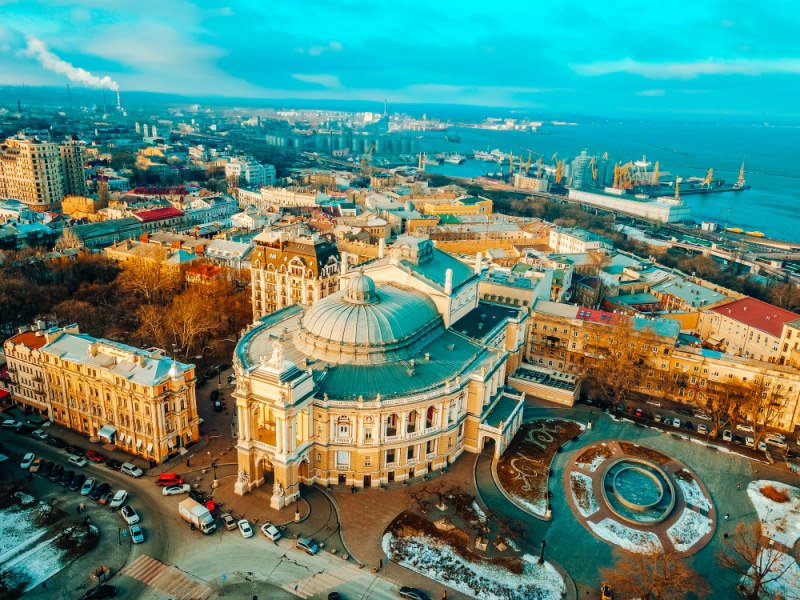
Known affectionately as the Pearl of the Black Sea and the City of Humor, Odesa rests upon coastal bluffs overlooking a wide maritime bay in southern Ukraine. Founded in 1794 by imperial decree, the city was developed on a graceful European grid by French and Italian architects, giving it grand pastel neoclassical mansions and shaded acacia boulevards. The monumental Potemkin Stairs, consisting of one hundred and ninety-two stone steps designed as a visual illusion descending to the passenger harbor, were immortalized in Sergei Eisenstein’s 1925 cinematic masterpiece Battleship Potemkin.
Beneath the city lies the Odesa Catacombs, a sprawling subterranean limestone labyrinth extending for more than two thousand five hundred kilometers, the largest network in the world, which served as a partisan hideout during World War II. In 2023, the historic center of Odesa was inscribed as a UNESCO World Heritage site in Danger. The city remains Ukraine’s primary deep-water maritime commercial port and naval base.
2. Kharkiv (approx. 1,420,000 residents)

Situated in northeastern Ukraine near the border with the Russian Federation, Kharkiv is the second-most populous metropolis in Ukraine and the premier academic, scientific, and student capital of the nation. Serving as the capital of Soviet Ukraine from 1919 to 1934, the city is commanded by Freedom Square, one of the largest public city squares in Europe, anchored by Derzhprom (the State Industry Building), a colossal 1920s constructivist architectural masterpiece constructed entirely of reinforced concrete and glass.
Kharkiv is home to more than thirty universities and research institutes, educating over two hundred thousand students who energize its cafes and parks. As a heavyweight manufacturing and mechanical center, the city hosts the Malyshev factory, which produced the legendary T-34 tank, and Turboatom, one of the world’s leading turbine producers.
1. Kyiv (approx. 2,960,000 residents)
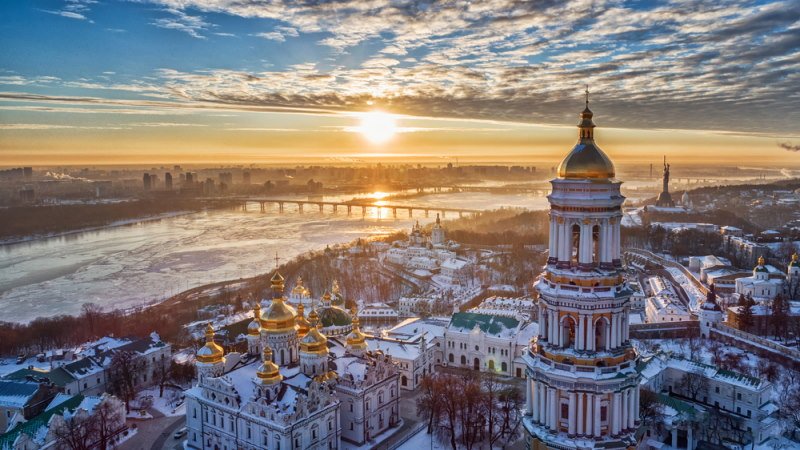
Kyiv, the Mother of Rus Cities, stands supreme as the monumental capital, spiritual heart, and economic locomotive of Ukraine, straddling the scenic green bluffs of the Dnieper River. Founded in 482 AD according to ancient chronicles by three legendary brothers Kyi, Shchek, and Khoryv and their sister Lybid, the metropolis served as the glorious throne of medieval Kyivan Rus. The skyline is adorned with the golden domes of Saint Sophia Cathedral, founded in the eleventh century, and the Kyiv Pechersk Lavra (Monastery of the Caves), an expansive UNESCO World Heritage complex of underground crypts and baroque bell towers.
Maidan Nezalezhnosti (Independence Square) represents the heroic civic soul of modern Ukraine, having served as the epicenter of historic democratic revolutions in 1990, 2004, and 2014. Balancing the chestnut-lined boulevard of Khreshchatyk with the ancient cobblestone descent of Andriyivskyy Descent and futuristic tech innovation campuses in Podil, Kyiv embodies the unyielding courage, sovereignty, and rich cultural heritage of the Ukrainian nation.
Conclusion
Ukraine’s largest cities capture an extraordinary timeline spanning medieval Kyivan Rus cathedrals, Zaporozhian Cossack island strongholds, Black Sea maritime ports, and high-tech industrial metropolises. From the thousand-year-old golden domes of Kyiv and the Renaissance squares of Lviv to the grand seaside stairs of Odesa and the industrial strength of Dnipro and Kharkiv, these ten urban centers represent the enduring sovereignty and indomitable spirit of the Ukrainian people.