Air pollution represents one of the most pressing public health and environmental challenges of the modern era. Fine particulate matter (PM2.5), emitted by heavy industrial complexes, coal power plants, vehicular exhaust, and agricultural burning, penetrates deep into human lungs and bloodstreams, causing millions of premature deaths globally each year.
Standardized atmospheric monitoring tracked in the World Health Organization air quality database evaluates particulate concentrations against safety thresholds. Annual global analyses published in the IQAir World Air Quality Report highlight regional clusters where local geography and meteorological inversions trap toxic airborne contaminants. From South Asian industrial corridors to Central Asian desert basins, here are ten of the most polluted cities in the world based on average annual PM2.5 concentrations.
10. Peshawar (Pakistan)
Situated near the eastern end of the Khyber Pass in northwest Pakistan, Peshawar confronts severe particulate air pollution throughout the year.
The city’s basin topography traps vehicle exhaust from congested traffic, smoke from hundreds of traditional brick kilns, and dust blowing off arid surrounding plains. During winter temperature inversions, dense particulate smog lingers over the urban area for weeks without dispersing.
9. N’Djamena (Chad)
N’Djamena, the capital of Chad, experiences extreme atmospheric dust pollution driven by natural Sahara desert dynamics combined with local urban emissions.
Situated on the edge of the Sahel, seasonal Harmattan winds blow massive clouds of mineral dust south from the Bodélé Depression, one of the most intense dust-emitting regions on Earth. Unpaved roads, open waste burning, and widespread reliance on biomass cooking fuels further compound particulate levels across residential neighborhoods.
8. Patna (India)
Located along the southern bank of the Ganges River in Bihar, Patna is an ancient commercial center suffering from acute modern air contamination.
The city’s air quality suffers from rapid construction activity, intense vehicular emissions from older diesel engines, and heavy smoke from brick manufacturing belts surrounding the city. Calm winter weather conditions trap fine particles near the ground, creating chronic respiratory hazards for local citizens.
7. Baghdad (Iraq)
Baghdad endures a harsh combination of natural sandstorms and man-made petrochemical pollution along the Tigris River basin.
Decades of conflict damaged municipal water networks and desert vegetation, causing severe soil erosion that fuels frequent blinding dust storms. Additionally, thousands of unregulated private diesel generators operating across the city to compensate for power grid failures spew sulfurous exhaust into the urban atmosphere.
6. Dhaka (Bangladesh)
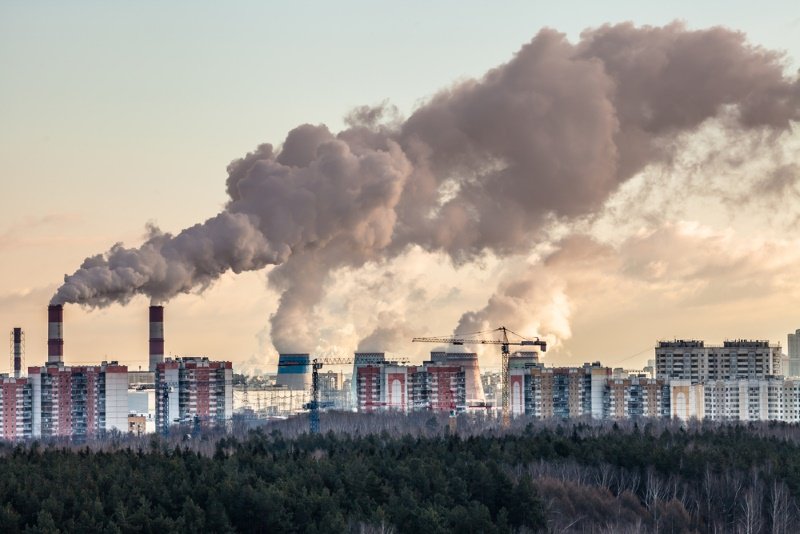
Dhaka is one of the most densely populated cities on Earth, home to over twenty-two million residents in its wider metropolitan area.
From November to March, thousands of traditional brick kilns operate across the outskirts of Dhaka, burning low-grade coal and heavy tires. Combined with relentless traffic congestion, diesel fumes, and construction dust, the city’s winter skies frequently turn hazy yellow, reducing visibility and triggering severe health advisories.
5. Hotan (China)
Hotan is an oasis city located in southwestern Xinjiang, positioned directly on the southern edge of the Taklamakan Desert.
Unlike cities where pollution stems primarily from industrial factories, Hotan’s severe air quality readings are heavily driven by fierce sandstorms and constant airborne desert dust. Powerful desert winds lift mineral particles into the upper atmosphere, keeping PM2.5 and PM10 concentrations dangerously elevated for months at a time.
4. New Delhi (India)
India’s national capital territory of Delhi routinely records hazardous air quality levels that exceed international health guidelines by ten to twenty times.
Every autumn, widespread agricultural stubble burning across neighboring states of Punjab and Haryana combines with fireworks during festive seasons and massive vehicular congestion. Trapped under stagnant winter cold air inversions, the resulting toxic smog forces schools to close and leads hospitals to treat thousands of acute respiratory cases.
3. Bhiwadi (India)
Bhiwadi is a major industrial city located in Rajasthan near the border of Haryana, forming part of India’s National Capital Region.
The city contains extensive industrial manufacturing zones housing steel mills, chemical plants, and metal foundries. The concentration of heavy industrial combustion, coupled with unpaved road dust and heavy freight transit, consistently pushes Bhiwadi to the top tier of global pollution rankings.
2. Lahore (Pakistan)
Lahore is the cultural capital of Pakistan, situated in Punjab near the border with India. In recent years, it has become notorious for its annual winter smog season.
Low-grade sulfurous industrial fuel, agricultural crop burning, vehicle emissions, and coal-fired steel mills create a dense blanket of toxic smog from October through February. Citizens face severe throat and eye irritation, prompting government authorities to introduce work-from-home mandates and artificial rain seeding experiments to clear the air.
1. Begusarai (India)
Begusarai, located in the northern state of Bihar, frequently records the highest average annual PM2.5 concentrations of any metropolitan area in the world.
Known as the industrial capital of Bihar, the city is home to major oil refineries, thermal power stations, and heavy manufacturing clusters. Located within the topographically constrained Indo-Gangetic Plain where wind speeds drop dramatically during winter, toxic emissions accumulate without dispersing, resulting in annual average particulate levels exceeding twenty times the World Health Organization recommended threshold.
Severe urban air pollution presents an urgent public health crisis affecting hundreds of millions of city residents worldwide. Moving away from coal-fired generation, modernizing industrial kilns, and expanding electric public transit will prove essential in safeguarding clean air for future generations across developing and industrialized nations alike.