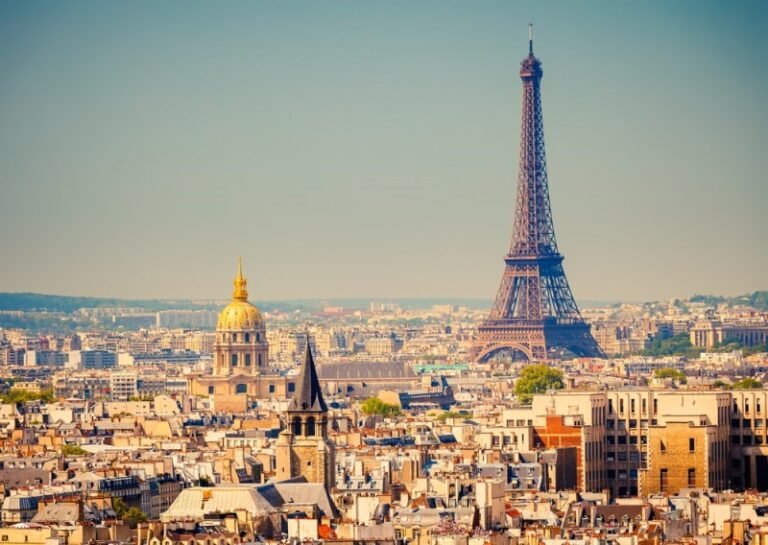
The global human population has become increasingly urbanized over the past century, transforming small historical settlements into colossal economic powerhouses. According to data tracked by the United Nations Population Division, more than half of humanity currently resides in urban zones, a figure projected to rise substantially in coming decades.
Today, there are more than thirty megacities across the globe boasting populations exceeding ten million residents. From sprawling transportation networks in East Asia to dense commercial corridors in South America, these urban giants drive modern commerce, cultural exchange, and technological innovation.
Ranking the largest cities depends greatly on how boundaries are calculated. Based on total metropolitan area populations that capture entire contiguous urban landscapes, here are the top 10 largest cities in the world.
10. Osaka (Japan): ~19.0 Million Residents
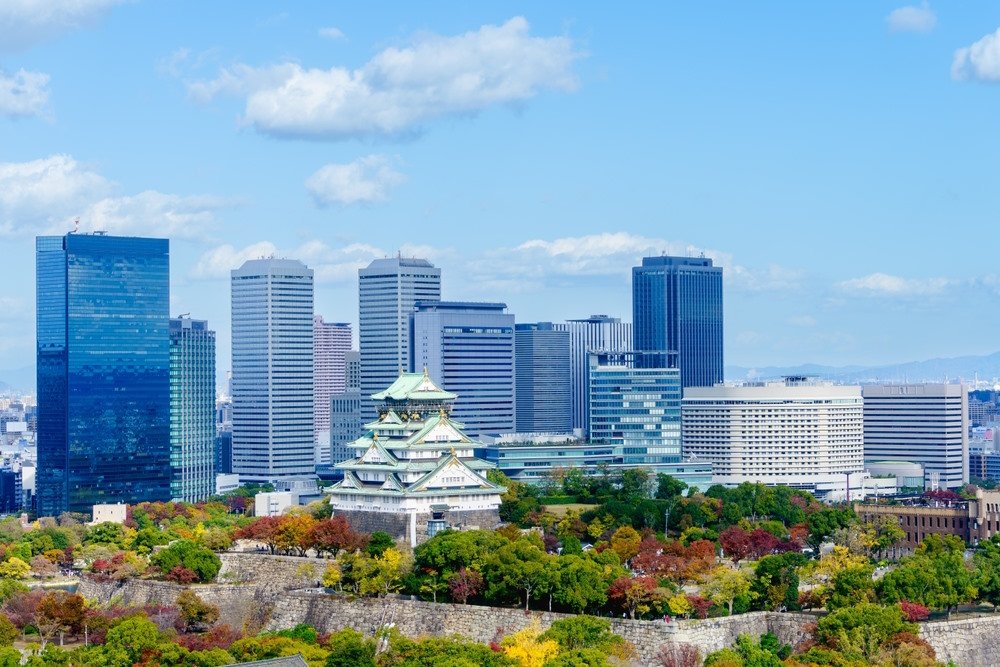
Located along Osaka Bay on the main island of Honshu, Osaka serves as the commercial heart of western Japan. Known historically as the “Nation’s Kitchen” due to its central role in the Edo period rice trade, the city remains famous for its dynamic culinary scene, neon-lit canal streets in Dotonbori, and historic Osaka Castle.
With approximately 19 million residents across its broader urban agglomeration linking Kobe and Kyoto into the Keihanshin region, Osaka forms one of the largest metropolitan zones on the globe. Like much of Japan, however, its population has plateaued in recent years because of demographic shifts and an aging population.
9. Mumbai (India): ~21.6 Million Residents
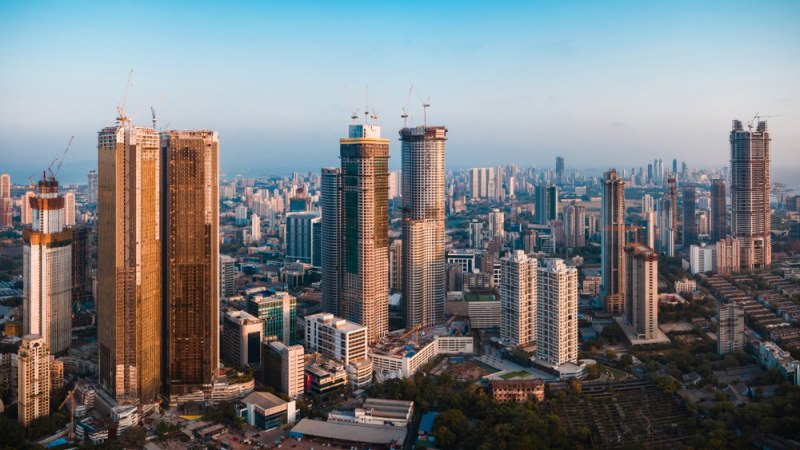
Formerly known as Bombay, Mumbai is the financial capital of India and the powerhouse of the country’s entertainment industry through Bollywood. Situated on the west coast along the Arabian Sea, the city developed from a cluster of seven fishing islands into a dense commercial metropolis.
Home to approximately 21.6 million people in its wider metropolitan region, Mumbai presents remarkable contrasts. Ultra-modern skyscrapers and the world’s most valuable private residence rise alongside Dharavi, one of Asia’s largest informal settlements, while the historic colonial architecture of the Chhatrapati Shivaji Maharaj Terminus anchors its bustling core.
8. Beijing (China): ~22.1 Million Residents
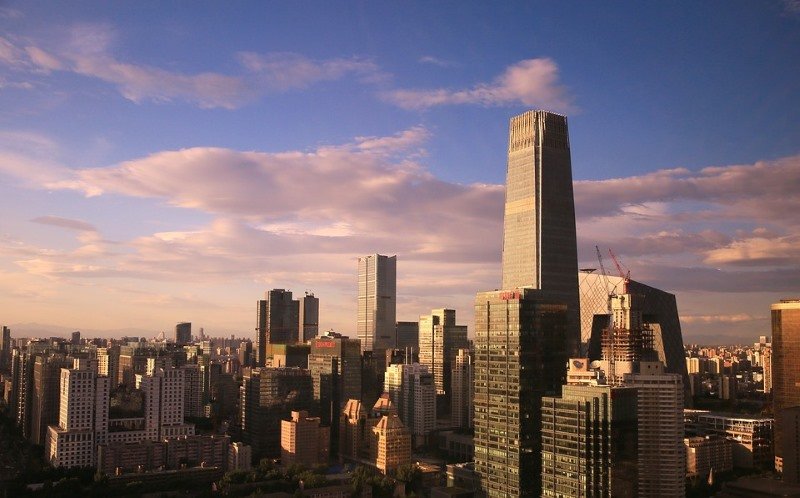
Beijing, the monumental capital of the People’s Republic of China, blends more than three millennia of imperial history with vast modern infrastructure. As the political and cultural center of the nation, it contains iconic landmarks including the Forbidden City, the Temple of Heaven, and nearby sections of the Great Wall.
With roughly 22.1 million residents across its administrative perimeter, Beijing functions under strict municipal planning. To curb unchecked urban sprawl and manage water resources, municipal authorities enforce residence permits and have decentralized certain state enterprises to satellite regions like the Xiong’an New Area.
7. Mexico City (Mexico): ~22.5 Million Residents
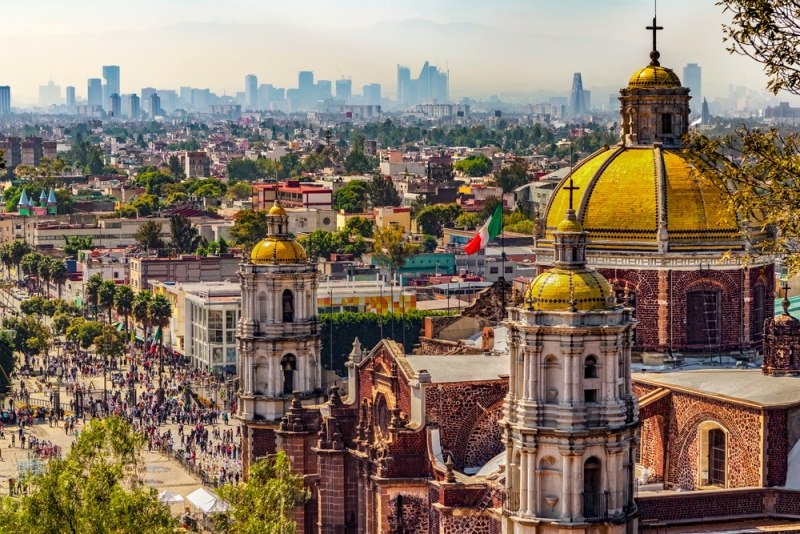
Situated high in the Valley of Mexico at an elevation exceeding 2,200 meters (7,200 feet), Mexico City was originally founded by the Aztecs in 1325 as Tenochtitlan upon an island in Lake Texcoco. Following the Spanish conquest, the lake was systematically drained, creating an expansive plateau where the modern capital now stands.
Today, Greater Mexico City encompasses roughly 22.5 million inhabitants, making it the largest metropolitan area in North America. Because the urban center rests on soft clay lakebeds, parts of the historic district settle several centimeters each year, presenting unique engineering challenges alongside its world-renowned culinary and museum culture.
6. São Paulo (Brazil): ~22.8 Million Residents
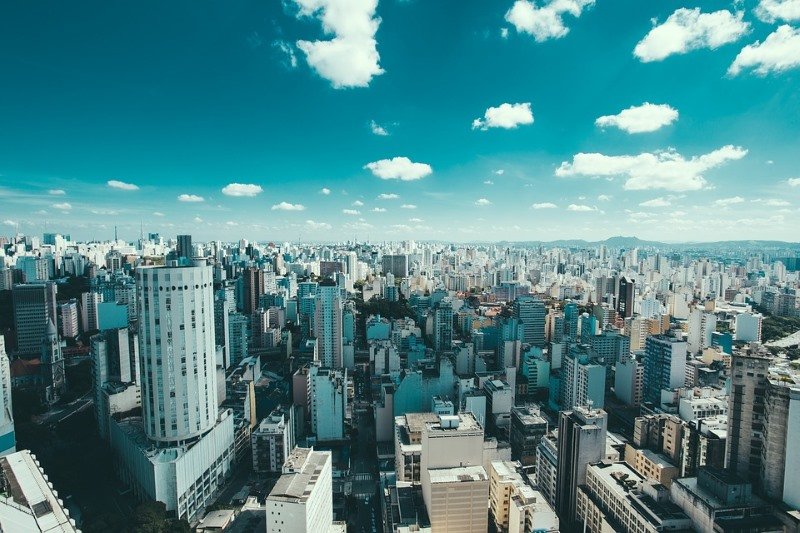
São Paulo is the largest city in the Southern Hemisphere and the economic locomotive of Brazil. Spread across the Brazilian Highlands, the metropolis is renowned for its seemingly boundless sea of high-rise apartment towers and corporate headquarters centered around Paulista Avenue.
With an urban population of approximately 22.8 million residents, São Paulo is home to enormous immigrant communities, including the largest Japanese diaspora outside Japan. The city’s legendary traffic congestion has led to the development of one of the world’s largest civilian helicopter fleets, used by executives to navigate between skyscraper rooftops.
5. Cairo (Egypt): ~22.6 Million Residents
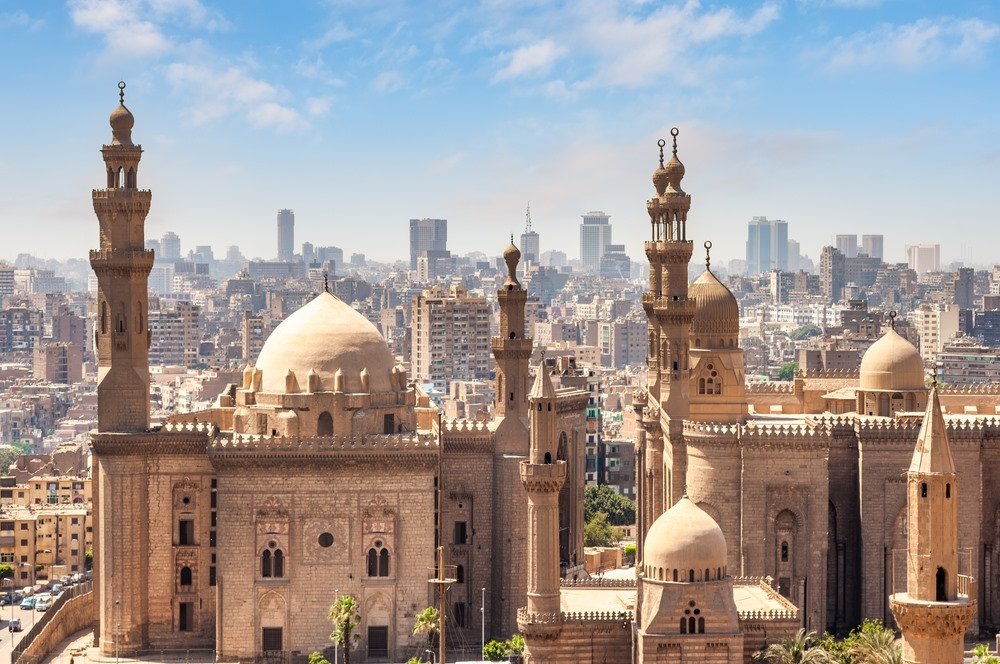
Straddling the banks of the Nile River, Cairo is the largest metropolitan area in Africa and the historic center of the Arab world. Known locally as the “City of a Thousand Minarets,” its Islamic core features medieval architecture and mosques that have stood for over a thousand years.
With a regional population reaching approximately 22.6 million people, Cairo faces intense demographic pressures. To relieve congestion in the historic river valley, the Egyptian government is constructing the New Administrative Capital in the desert roughly 45 kilometers to the east, shifting key government ministries and diplomatic missions.
4. Dhaka (Bangladesh): ~23.9 Million Residents
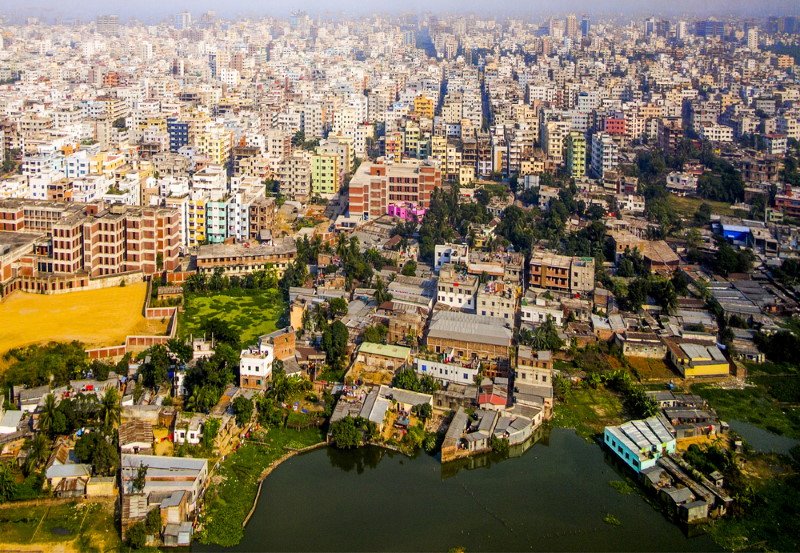
Dhaka, the capital of Bangladesh, is one of the fastest growing megacities in South Asia. Anchored along the Buriganga River, the city serves as the epicenter of the nation’s garment export industry, drawing hundreds of thousands of rural migrants each year seeking manufacturing jobs.
Now home to around 23.9 million residents, Dhaka is characterized by extraordinary population density and lively street commerce. Hundreds of thousands of cycle rickshaws share the thoroughfares with buses and modern elevated metro lines, reflecting rapid transition and economic growth.
3. Shanghai (China): ~29.9 Million Residents
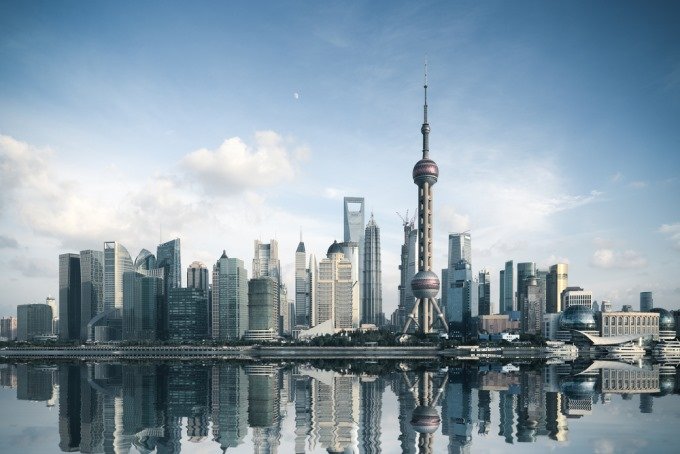
Positioned on the Yangtze River Delta facing the East China Sea, Shanghai is the undisputed commercial and financial capital of mainland China. The iconic skyline of Pudong, featuring the Shanghai Tower and the Oriental Pearl Radio and TV Tower, looks out across the Huangpu River toward the colonial architecture of the historic Bund.
Boasting a metropolitan population of around 29.9 million people, Shanghai operates the busiest container port in the world and the planet’s most extensive rapid transit network. The city has transformed over three decades from a regional trading center into a global financial giant.
2. Delhi (India): ~33.8 Million Residents
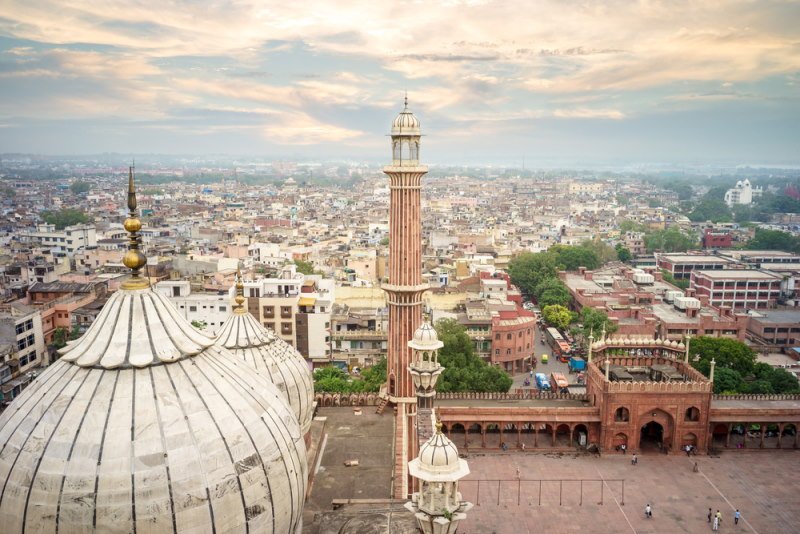
Delhi, encompassing the historic walled city of Old Delhi and the planned capital of New Delhi, forms the sprawling center of northern India. The city’s layered heritage encompasses Mogul masterpieces such as the Red Fort and Humayun’s Tomb, situated alongside expansive government avenues designed by Edwin Lutyens.
With an estimated metropolitan population of 33.8 million people, the National Capital Region is expanding at an extraordinary pace. Demographic projections from international agencies indicate Delhi could overtake Tokyo as the world’s most populous urban agglomeration within the next decade.
1. Tokyo (Japan): ~37.1 Million Residents
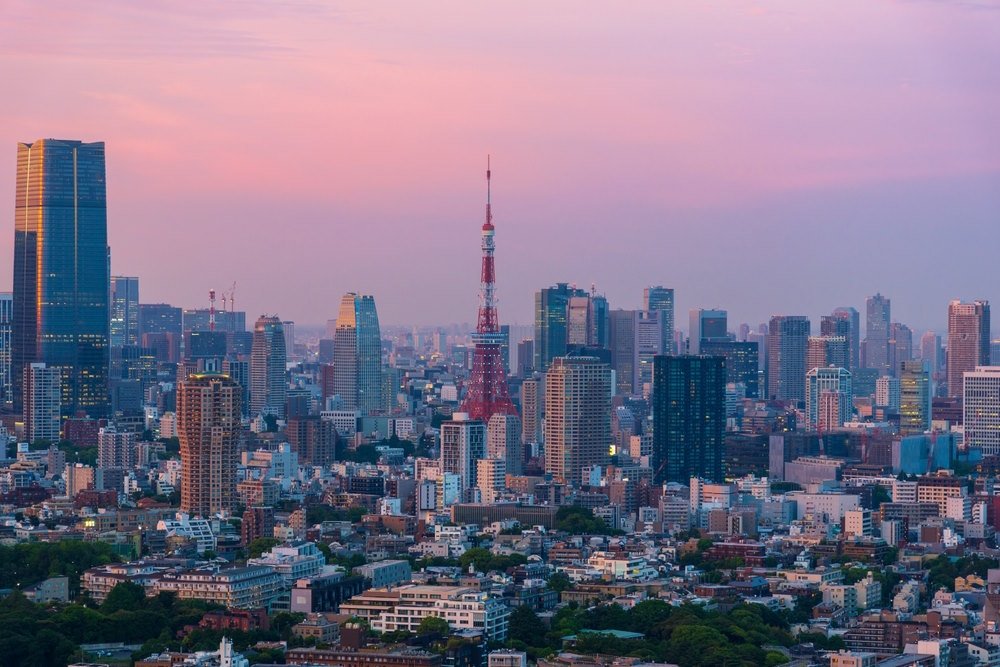
Tokyo remains the most populous metropolitan area on Earth, home to approximately 37.1 million residents across the Greater Tokyo Area comprising Tokyo, Kanagawa, Saitama, and Chiba prefectures. Despite its immense size, the Japanese capital is globally celebrated for its punctuality, public cleanliness, and unparalleled rail network centered around Shinjuku Station.
The metropolis generates an economic output rivaling the national gross domestic product of large European economies. Even as Japan’s national population declines, Tokyo continues to attract students and professionals, maintaining its preeminent position as the ultimate global megacity.
How Do You Measure the Size of a City?
Determining the largest cities in the world depends heavily on geographic and administrative definitions. Different research institutions and statistical bureaus frequently publish contrasting rankings based on three primary measurement standards:
- City proper: The population residing strictly within legally designated municipal boundaries. While legally precise, this metric often excludes massive contiguous suburban populations.
- Urban agglomeration: The continuous urban footprint of contiguous built-up territory, regardless of administrative borders. This provides an accurate depiction of physical city size.
- Metropolitan area: The broad economic labor market zone, including commuter towns, satellite municipalities, and suburban transit corridors economically tied to the urban core.
As urbanization continues worldwide, particularly across Asia and Africa, these megacities face ongoing investments in transportation, energy distribution, and housing to support their unprecedented populations.