Poland is one of the demographic and economic powerhouses of Central Europe, characterized by resilient cities that rebuilt gracefully following the devastation of the twentieth century. From Baltic maritime ports to historic royal capitals, Polish metropolises drive dynamic European commerce.
Official demographic statistics published by the Central Statistical Office of Poland (GUS) detail resident counts within municipal city lines. Comprehensive regional guides are curated by the official Poland Travel portal. From Silesian industrial conurbations to picturesque Gothic market squares, here are the ten largest cities in Poland by population.
10. Katowice: ~280,000 Residents
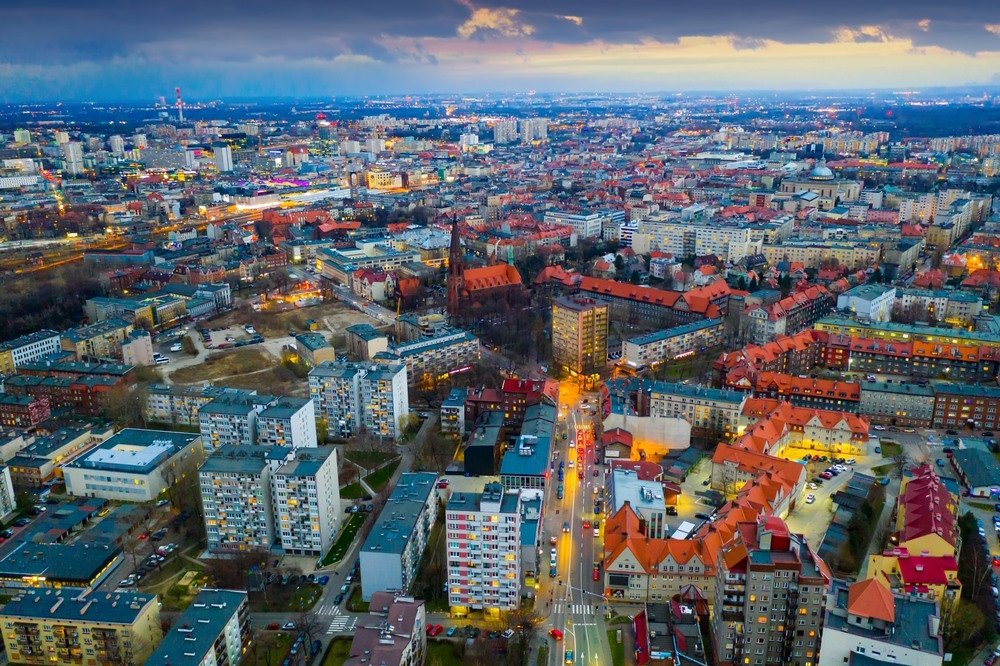
While Katowice proper counts roughly 280,000 inhabitants, it forms the center of the Upper Silesian Metropolis, a dense polycentric urban area containing over two million residents.
Historically the capital of Polish coal mining and heavy steel, modern Katowice has executed an impressive cultural transition. The city is famous for the flying-saucer-shaped Spodek arena, the Silesian Museum built on the site of a former coal mine, and an internationally recognized music and gaming events scene.
9. Lublin: ~330,000 Residents
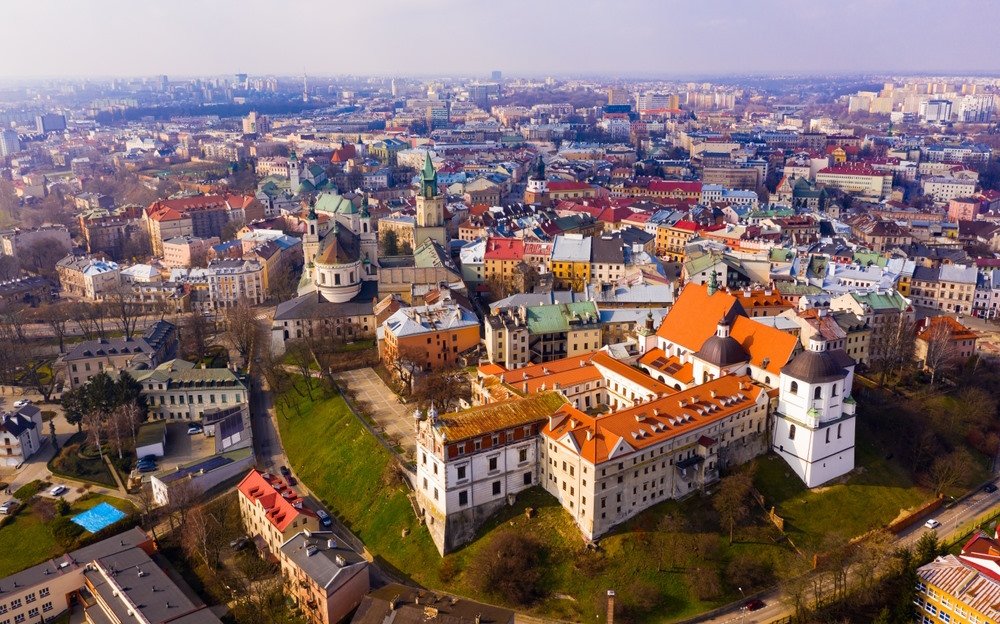
Lublin is the largest city in eastern Poland and the capital of Lublin Voivodeship, located roughly one hundred and fifty kilometers southeast of Warsaw.
The city preserves an evocative medieval Old Town entered through the fourteenth-century Krakow Gate, leading up to the historic Lublin Castle. As a major university center near the European Union’s eastern border, Lublin acts as an intellectual bridge between Poland and Eastern Europe.
8. Bydgoszcz: ~335,000 Residents
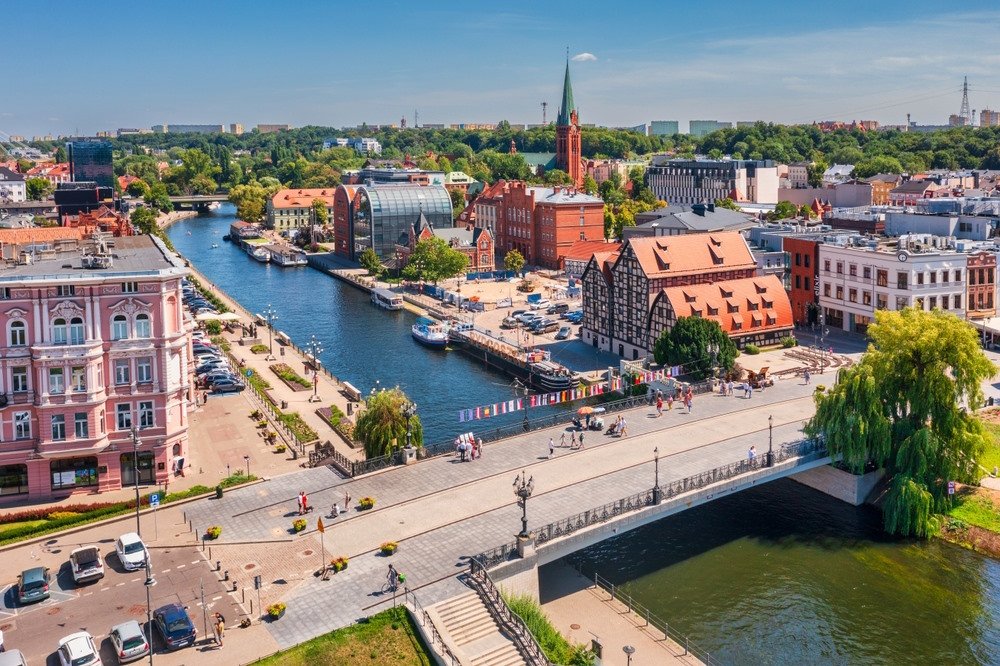
Situated at the confluence of the Vistula and Brda rivers in northern Poland, Bydgoszcz is an essential inland navigation and industrial center.
The city is affectionately called the Polish Venice due to its picturesque water channels around Mill Island (Wyspa Mlynska) and historic half-timbered granaries. Bydgoszcz is also celebrated nationally for classical music, hosting prestigious music academies and the modern Opera Nova theater.
7. Szczecin: ~390,000 Residents
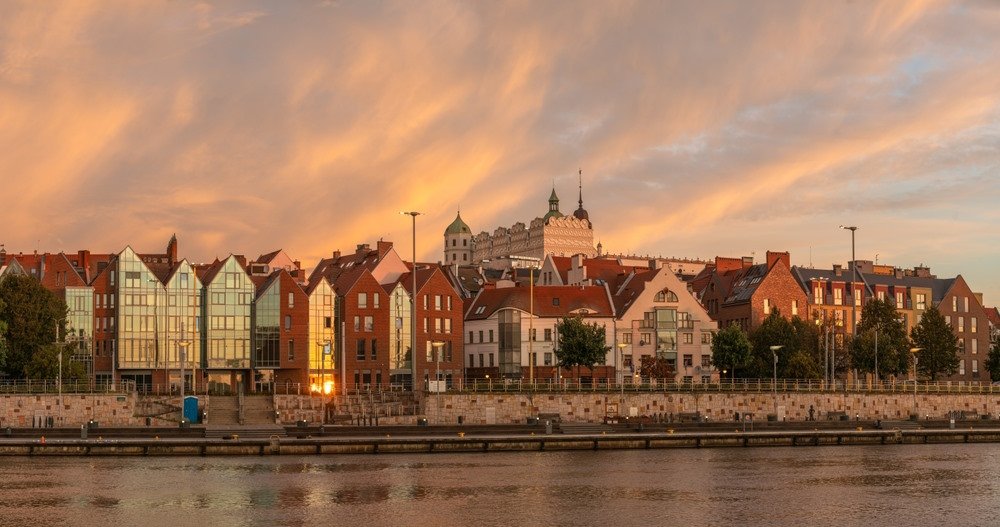
Positioned near the Baltic Sea along the Oder River and Lake Dabie, Szczecin is the capital of West Pomeranian Voivodeship near the German border.
The city’s urban street layout was designed in the late nineteenth century with circular plazas and wide boulevards inspired by Paris. Szczecin is anchored by the historic Castle of the Pomeranian Dukes and the Waly Chrobrego riverfront terraces, operating busy maritime shipyards and logistics hubs.
6. Gdansk: ~485,000 Residents
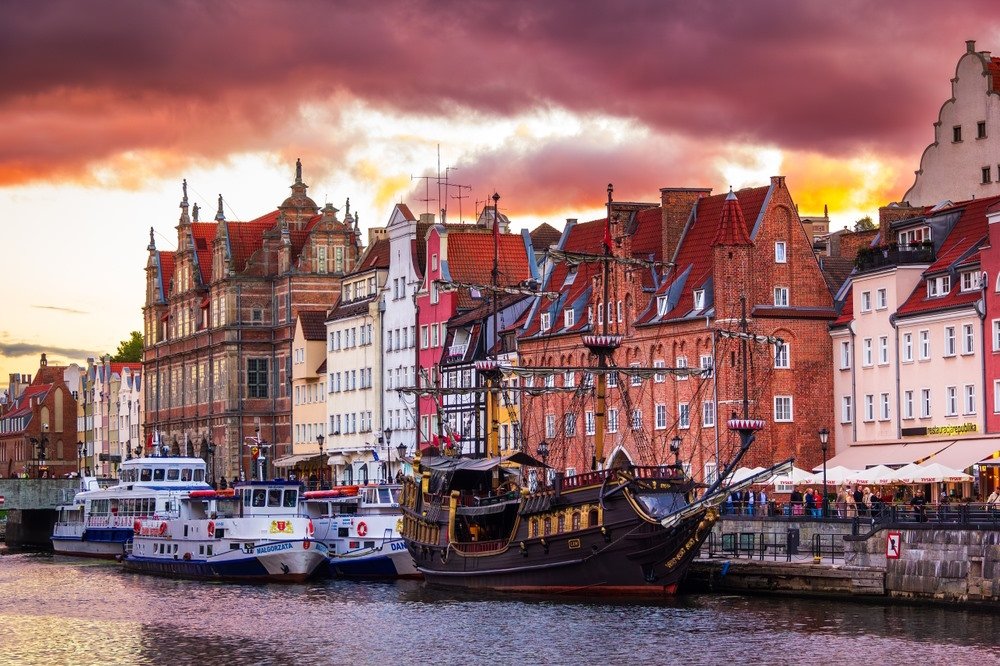
Gdansk is Poland’s principal seaport on the Baltic coast, forming the Tricity metropolitan area alongside Sopot and Gdynia.
A wealthy member of the medieval Hanseatic League, Gdansk features stunning Dutch-influenced merchant houses, the towering Saint Mary’s Basilica, and the historic wooden Zuraw port crane. Gdansk holds a decisive place in modern history as the birthplace of the Solidarity movement led by Lech Walesa, which hastened the collapse of communism across Central Europe.
5. Poznan: ~540,000 Residents
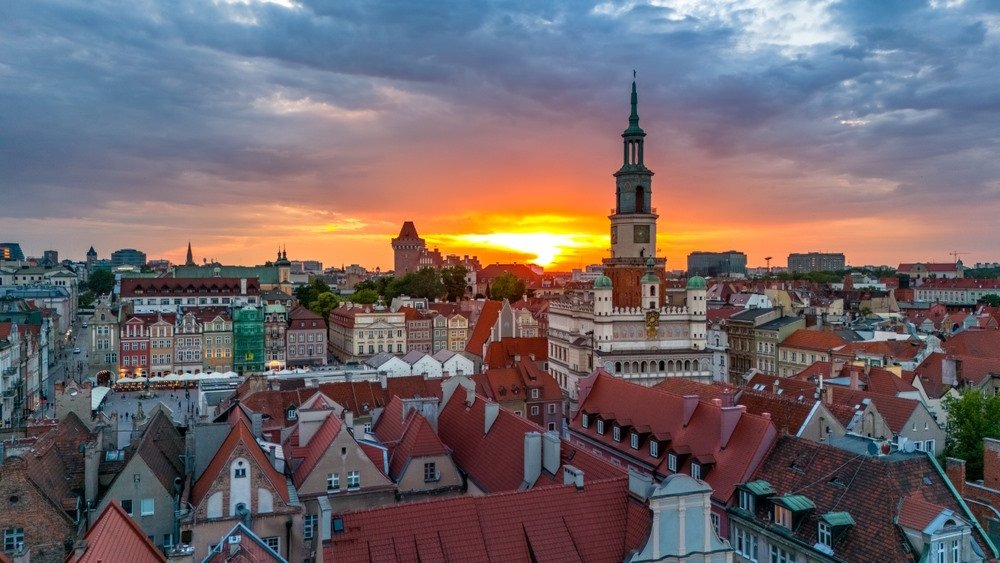
Located along the Warta River in west-central Poland, Poznan was one of the earliest capital centers of the medieval Polish state.
The city’s Renaissance Town Hall in the Old Market Square is famous for its mechanical billy goats that butt heads every day at noon. Modern Poznan is one of Poland’s most prosperous business centers, hosting major international trade fairs and supporting dynamic biotechnology and automotive industries.
4. Wroclaw: ~675,000 Residents
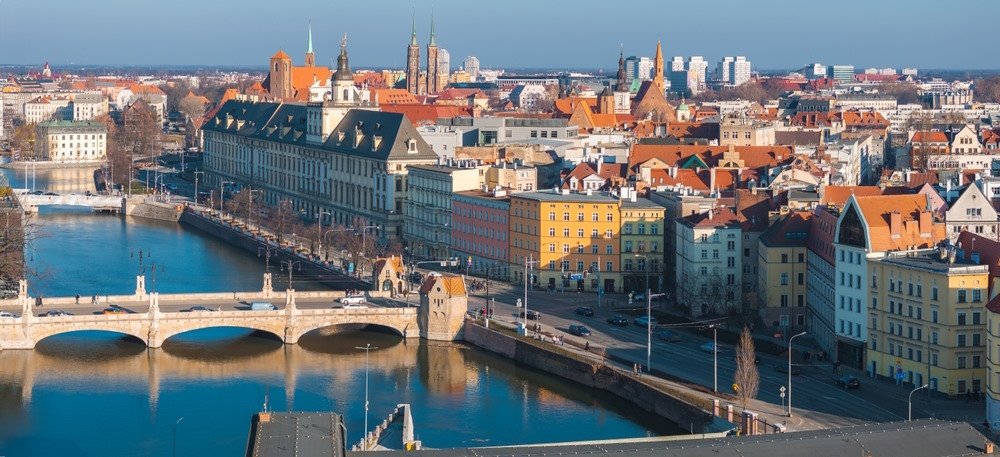
Wroclaw, the historical capital of Lower Silesia, is built across twelve islands connected by more than one hundred bridges over the Oder River.
The city combines Gothic, Renaissance, and Baroque architectural heritage, anchored by the grand Rynek square and the ancient cathedral quarter of Ostrow Tumski. Visitors delight in hunting hundreds of small bronze dwarf statues scattered across pavements, which originally originated as a satirical anti-communist protest symbol in the 1980s.
3. Lodz: ~655,000 Residents

Lodz transformed in the nineteenth century from a small agricultural village into one of Europe’s largest industrial textile capitals, earning the moniker the Polish Manchester.
The city is famous for Piotrkowska Street, one of the longest commercial pedestrian boulevards in the world, flanked by grand eclectic palaces built by wealthy industrialists. Today, red-brick textile factories have been converted into modern cultural complexes like Manufaktura, while the prestigious Lodz Film School trained legendary directors like Roman Polanski and Andrzej Wajda.
2. Krakow: ~805,000 Residents
Krakow is Poland’s historic former royal capital and cultural crown jewel, located on the Vistula River in southern Poland.
Having escaped major physical destruction during World War II, Krakow’s Old Town is an architectural wonder featuring Europe’s largest medieval market square and the hilltop Wawel Royal Castle. Home to the Jagiellonian University, founded in 1364 where Nicolaus Copernicus studied, Krakow balances medieval grandeur with an energetic university atmosphere.
1. Warsaw: ~1.86 Million Residents
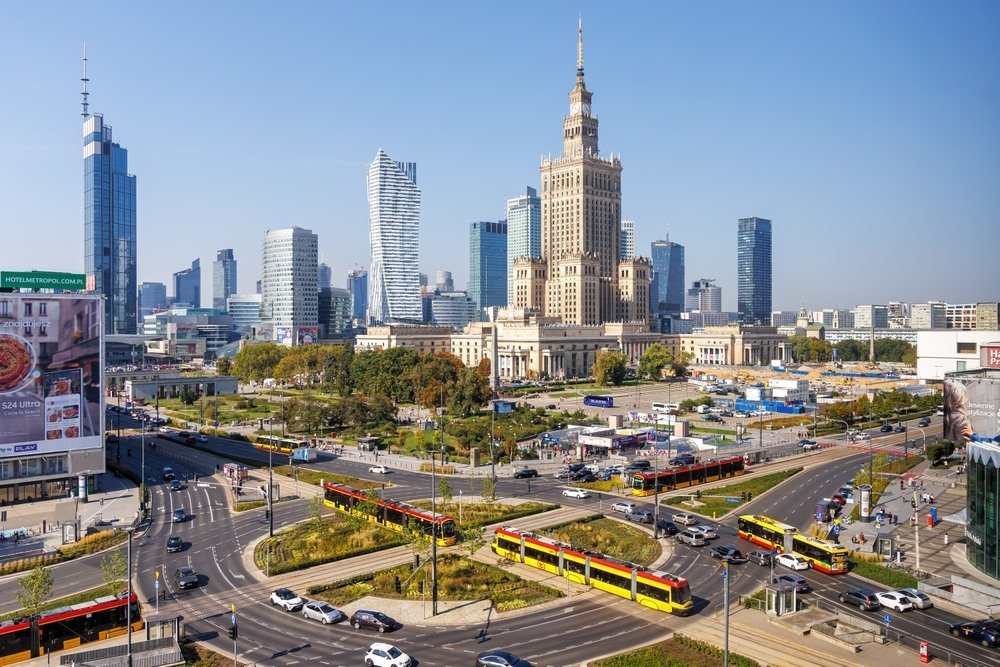
Warsaw is the political, financial, and cultural titan of Poland. Following its near-total destruction during World War II, the city rose like a phoenix through an extraordinary post-war reconstruction of its historic Royal Castle and Old Town, now recognized as a UNESCO World Heritage site.
Today, Warsaw is a dynamic European business capital, featuring a modern skyline dominated by futuristic glass skyscrapers alongside the Soviet-era Palace of Culture and Science. Spanning both banks of the Vistula River, Warsaw is a thriving center for international banking, tech startups, and diverse performing arts.
Poland’s premier urban centers stand as proof of rapid post-communist economic resurgence and dynamic European modernization. Balancing historic market squares with expanding tech parks and logistics networks, the nation’s largest municipalities continue to power Central Europe’s economic growth.