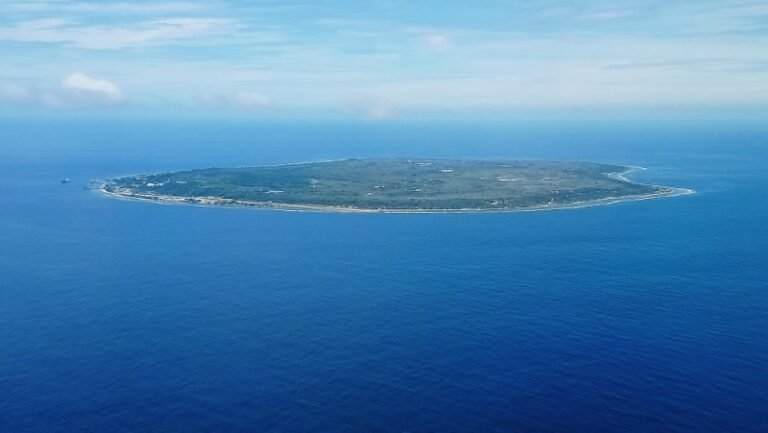
The Kingdom of Thailand occupies the geographic heart of mainland Southeast Asia, shaped by the fertile alluvial plains of the Chao Phraya river basin, the misty limestone mountains of the north, and the tropical isthmus of the south. Centuries of Theravada Buddhist religious devotion, royal Siamese court administration at Ayutthaya and Rattanakosin, and rapid late twentieth-century industrialization established a unique urban hierarchy. According to municipal demographic survey data published by the National Statistical Office of Thailand (NSO), roughly fifty-three percent of the Thai populace resides in urbanized districts, with metropolitan Bangkok exercising extraordinary economic dominance as a classic primate city.
Beyond the bustling skyscraper corridors of the capital, regional Thai cities function as cultural anchors for distinct provincial identities. Lanna mountain capitals in the north, Isan agricultural hubs in the northeast, and southern trade ports near the Malaysian border preserve sacred golden temples, bustling night markets, and regional culinary traditions. Examining the ten largest cities and conurbations highlights how modern Thailand balances ancient Buddhist traditions with cutting-edge manufacturing and tourism infrastructure.
10. Ubon Ratchathani (approx. 510,000 residents)
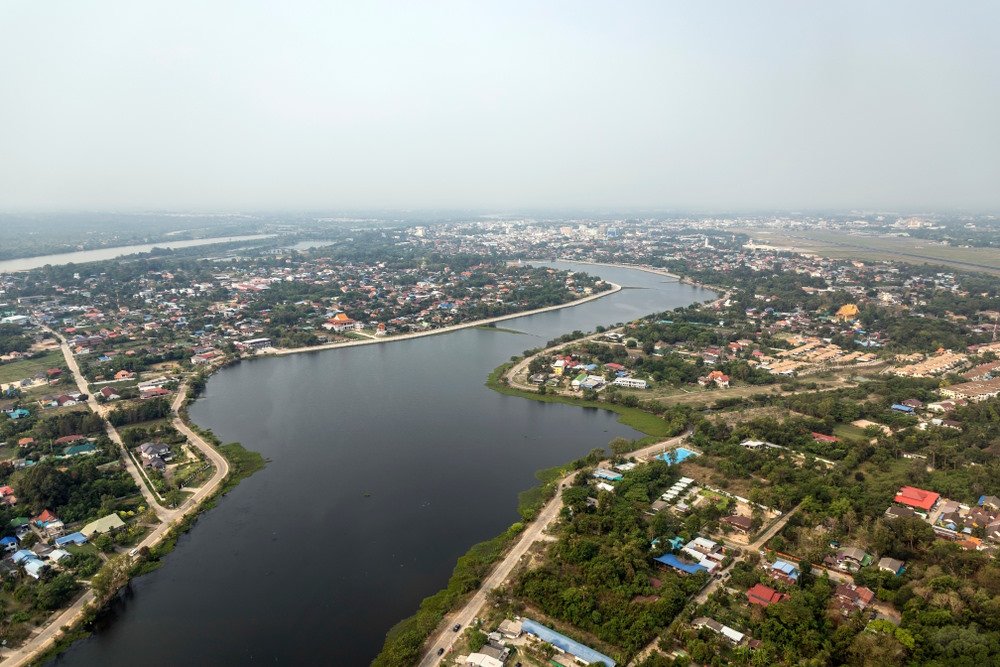
Situated in the far eastern reaches of the Isan region along the Mun River near the borders of Laos and Cambodia, Ubon Ratchathani, meaning the Royal Lotus City, serves as an essential cultural and agricultural hub of southern Isan. The city’s architectural symbol is Wat Phra That Nong Bua, an extraordinary Buddhist temple featuring a towering fifty-six-meter square golden chedi modeled after the Mahabodhi Temple in Bodh Gaya, India. Nearby on the Mekong River, the prehistoric rock art of Pha Taem National Park preserves ancient cliff paintings dating back three thousand years.
Ubon Ratchathani is globally famous for its annual Candle Festival, celebrated during the Buddhist Lent (Asahna Bucha) in July, where local master craftsmen carve colossal beeswax sculptures depicting Buddhist mythology that are paraded through the city on ornate floats. The city also acts as a primary center for Buddhist forest monk monasteries, founded by venerated meditation master Ajahn Chah.
9. Nakhon Si Thammarat (approx. 540,000 residents)
Resting on the coastal plain of the Gulf of Thailand in southern Thailand, Nakhon Si Thammarat is one of the oldest cities in the kingdom, dating back over twelve centuries as the capital of the ancient seafaring kingdom of Ligor. The city is the spiritual epicenter of southern Thai Theravada Buddhism, anchored by Wat Phra Mahathat Wihan, an ancient royal temple featuring a soaring seventy-seven-meter bell-shaped stupa capped with pure goldleaf, which preserves an authentic tooth relic of the Buddha.
The city is celebrated as the traditional capital of southern Thai shadow puppetry (Nang Talung), where master artisans carve delicate translucent puppets from cured cowhide to perform ancient folk epics. Nakhon Si Thammarat is also famous for exquisite nielloway silver craftsmanship, fresh tropical mangosteen orchards, and scenic coastal beaches.
8. Khon Kaen (approx. 590,000 residents)
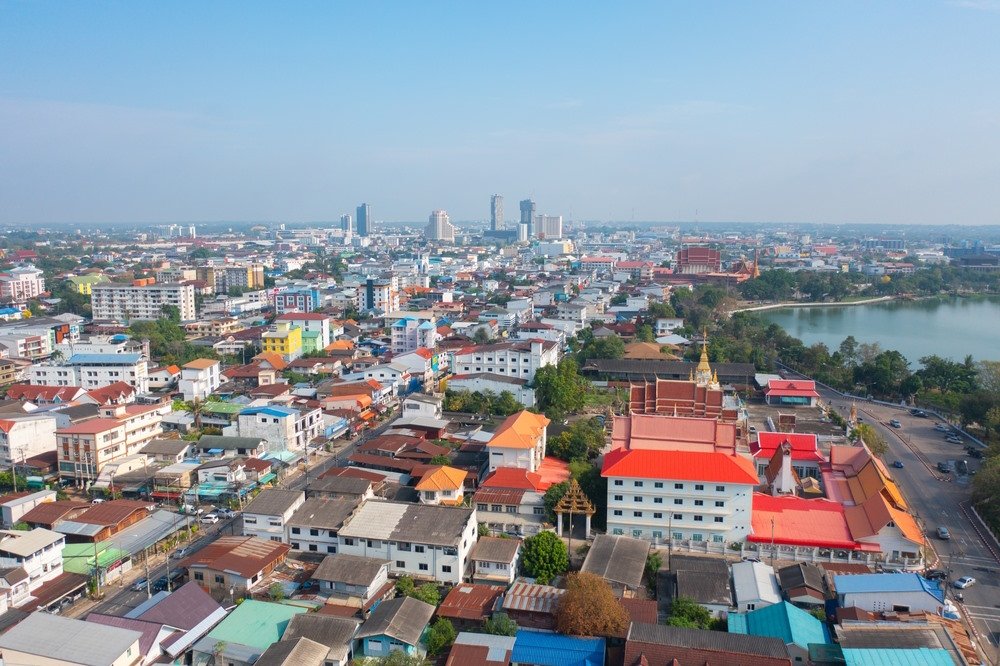
Positioned in the geographic center of the northeastern Isan plateau, Khon Kaen was deliberately developed in the mid-twentieth century as the administrative, educational, and medical capital of northeastern Thailand. The city center is dominated by the serene waters of Kaen Nakhon Lake, alongside Wat Nong Wang, an iconic nine-tiered golden pagoda whose upper balconies offer sweeping views of the city. Khon Kaen University is the premier higher education institution in the region, educating tens of thousands of scholars.
Khon Kaen is internationally recognized as the capital of Mudmee silk weaving, producing exquisite tie-dyed geometric silk fabrics in surrounding artisan villages like Chonnabot. The city also serves as an important scientific paleontological center, following major dinosaur fossil discoveries at nearby Phu Wiang National Park.
7. Pak Kret (approx. 610,000 residents)
Located on the eastern bank of the Chao Phraya River in Nonthaburi Province immediately northwest of central Bangkok, Pak Kret forms an integral part of the Greater Bangkok metropolitan economy. The settlement originated in the eighteenth century as an agricultural and pottery village, later chosen by King Taksin as a sanctuary for Mon ethnic refugees who fled political conflict in Burma.
In the middle of the river lies Koh Kret, an island formed in 1722 by a man-made canal bypass, celebrated as a peaceful pedestrian haven famous for Mon terracotta pottery, traditional sweets, and microbreweries. Pak Kret is also home to IMPACT Muang Thong Thani, one of the largest convention, exhibition, and indoor arena complexes in Asia, hosting international summits, trade expos, and stadium music tours.
6. Udon Thani (approx. 650,000 residents)
Situated in northern Isan fifty kilometers south of the Friendship Bridge crossing into Vientiane, Laos, Udon Thani serves as a primary international trading gateway. During the Vietnam War, the city hosted a massive United States Air Force base, an era that transformed the modest market town into a bustling regional hub with modern roads, international cuisine, and an expatriate community. Nearby lies the UNESCO World Heritage site of Ban Chiang, an ancient archaeological mound revealing sophisticated bronze-age pottery and metallurgy dating back thousands of years.
Udon Thani attracts international nature lovers every winter to the Red Lotus Lake (Nong Han Kumphawapi), a vast freshwater lake where millions of pink tropical water lilies blossom simultaneously across the water surface. The city center features lively night walking streets and Nong Prajak Park, a beloved recreational lake filled with giant inflatable yellow ducks.
5. Hat Yai (approx. 820,000 residents)
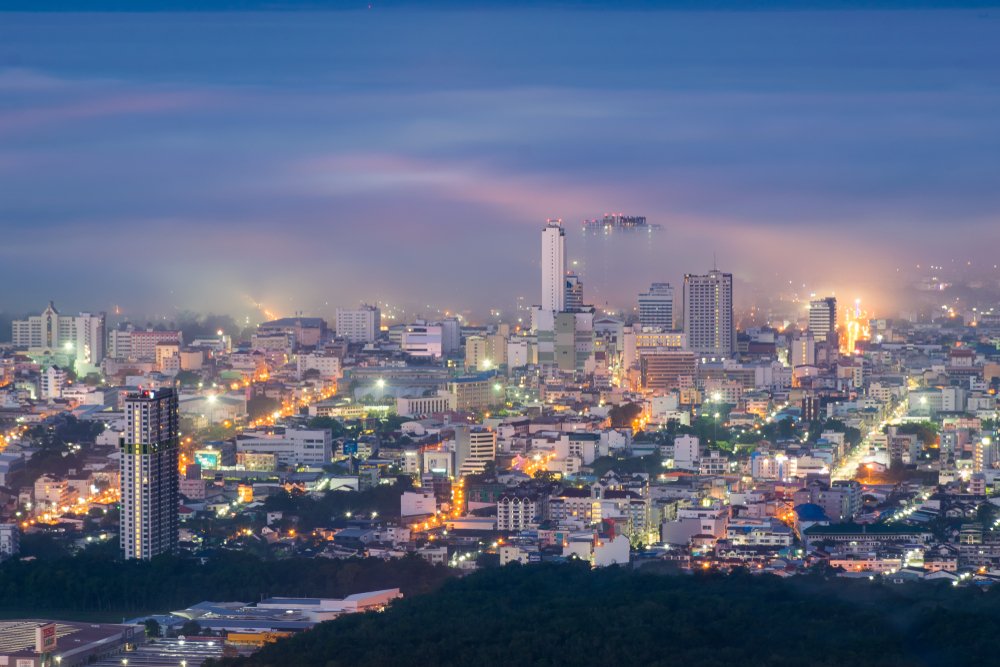
Located in Songkhla Province in deep southern Thailand, Hat Yai evolved from a modest railway junction in the 1920s into the undisputed commercial, medical, and entertainment capital of southern Thailand. While nearby Songkhla serves as the historic provincial administrative seat on the coast, Hat Yai functions as the bustling commercial powerhouse, drawing hundreds of thousands of weekend shoppers and travelers across the border from Malaysia and Singapore.
Hat Yai Municipal Park features a hilltop twenty-meter bronze Standing Buddha offering panoramic views across the urban valley, accessible by Thailand’s first passenger aerial cableway. The city is celebrated throughout Southeast Asia for its culinary scene, famous for southern Hat Yai fried chicken topped with crispy shallots, bird nest soup, and bustling open-air night bazaars like Greenway Market.
4. Chiang Mai (approx. 980,000 residents)
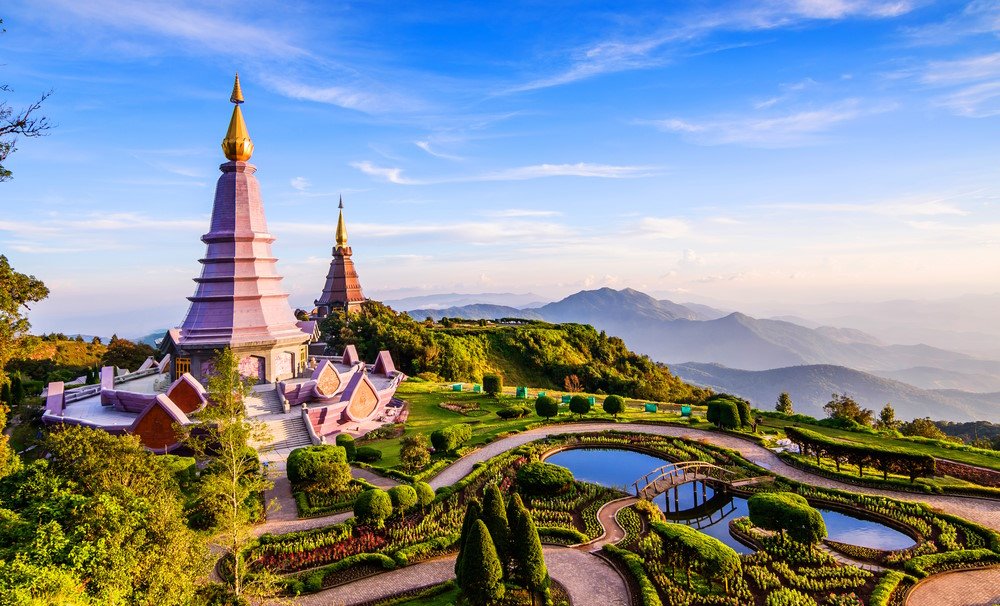
Set in a verdant mountain valley along the Ping River seven hundred kilometers north of Bangkok, Chiang Mai, meaning New City, was founded in 1296 by King Mengrai as the glorious capital of the ancient Lanna Kingdom. The historic square Old City remains bounded by brick ramparts and a serene moat, home to more than three hundred historic Buddhist temples decorated with carved teak wood, gilded nagas, and curved tiered roofs like Wat Phra Singh and Wat Chedi Luang. High on the mountain above the city stands Wat Phra That Doi Suthep, a sacred golden temple offering sweeping views over the valley.
Chiang Mai is internationally celebrated as Thailand’s cultural and creative capital, famous for night markets like the Sunday Walking Street, silver-smithing in Wualai, and celadon ceramic pottery. In recent decades, its gentle pace of life, cool mountain air, and rich coffee shop culture have made it one of the premier global destinations for digital nomads and creative artisans.
3. Nakhon Ratchasima (approx. 1,100,000 residents)
Affectionately known across Thailand as Korat, Nakhon Ratchasima serves as the historic Gateway to Isan, resting on the southwestern edge of the Khorat Plateau. Founded during the Ayutthaya period, the city’s historic center is centered around the revered Monument of Thao Suranari (Ya Mo), a courageous nineteenth-century heroine who led local women to liberate the city from invading forces, commemorated annually with ten days of citywide festivities. Downtown preserved gates like Chumphon Gate mark the historic western city entrance.
Nakhon Ratchasima is a heavyweight industrial, military, and logistics powerhouse, hosting major electronic component manufacturing, automotive factories, and university research institutes. Just north of the city lies Phimai Historical Park, an extraordinary eleventh-century Khmer stone sanctuary connected historically to Angkor Wat.
2. Nonthaburi (approx. 1,300,000 residents)
Situated immediately north of Bangkok along the meandering banks of the Chao Phraya River, Nonthaburi is the second-most populous municipality in Thailand, forming an essential pillar of the Bangkok Metropolitan Region. Founded in the mid-sixteenth century during the Ayutthaya era, the city historically gained fame as the royal orchard garden of Siam, cultivating rare, world-famous Nonthaburi durians that command auction prices of thousands of dollars per fruit. The historic Old Nonthaburi City Hall is a magnificent two-story European-style teakwood building constructed in the early twentieth century.
Today, Nonthaburi is a thriving governmental and medical hub, housing national administrative ministries including the Ministry of Public Health. Served by the modern MRT Purple Line metro and public river express boats, the municipality combines suburban residential estates with traditional floating markets like Wat Sanam Nuea.
1. Bangkok (approx. 10,700,000 residents)
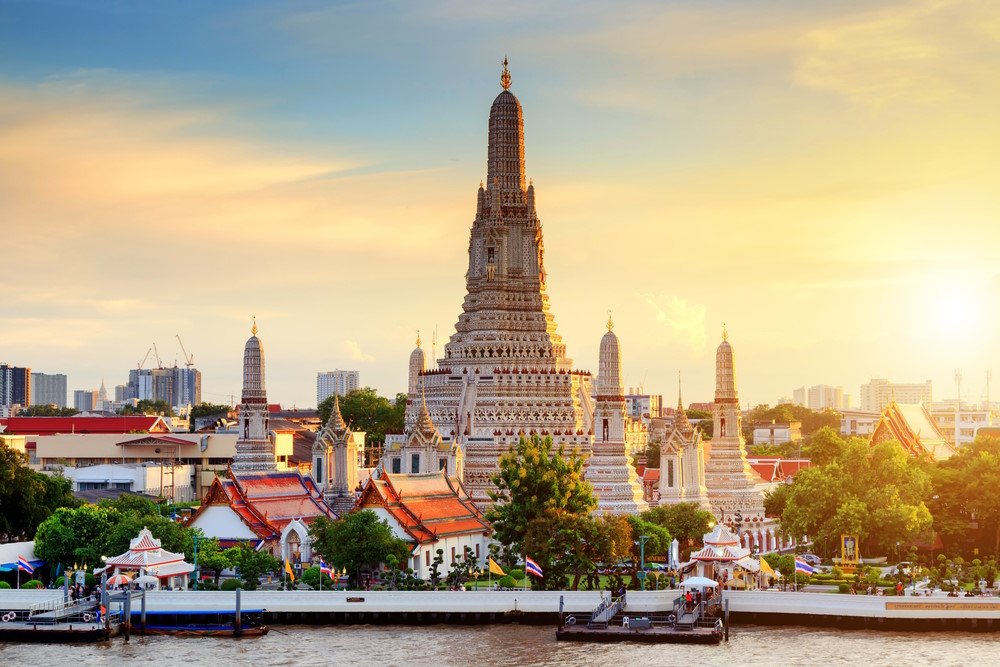
Bangkok, known formally in Thai as Krung Thep Maha Nakhon (City of Angels), stands supreme as the monumental capital, cultural heart, and economic locomotive of Thailand. Established in 1782 by King Rama I on the eastern bank of the Chao Phraya River, the metropolis accommodates over ten million residents, forming one of the most dynamic, sensory-rich global megacities on Earth. The historic island of Rattanakosin features the glittering golden stupas and mirrored mosaic tiles of the Grand Palace and Wat Phra Kaew, home to the sacred Emerald Buddha, alongside the towering porcelain spire of Wat Arun (Temple of Dawn) across the river.
Bangkok presents a mesmerizing contrast between ancient tradition and hyper-modern urbanity: wooden longtail boats navigate historic khlong canal waterways beneath futuristic elevated BTS Skytrain lines that glide between soaring luxury megamalls in Siam and Sukhumvit. Celebrated worldwide for its street food culture, flower markets, and warm hospitality, Bangkok reigns as one of the most visited cities on the planet.
Conclusion
Thailand’s largest cities capture a compelling balance of sacred Buddhist heritage, royal court history, and cutting-edge economic modernization. From the golden spires and bustling canals of Bangkok and the ancient Lanna temples of Chiang Mai to the regional market hubs of Korat, Khon Kaen, and Hat Yai, these ten urban centers define the spirit and prosperity of the Thai nation.