Hungary’s urban geography reflects the historic dominance of the Carpathian Basin, sliced cleanly by the majestic Danube river and the wide plains of the Puszta. Following centuries of Roman border garrisons, medieval royal courts, and Ottoman fortification, the country’s municipal landscape underwent sweeping transformation during the late nineteenth-century Austro-Hungarian dual monarchy. According to demographic figures released by the Hungarian Central Statistical Office (KSH), national population distribution remains strongly centered around the capital territory, creating a sharp demographic distinction between metropolitan Budapest and provincial urban seats.
Regional Hungarian county capitals function as cultural guardians, preserving mineral-rich thermal bathhouses, baroque ecclesiastical squares, and centuries-old university faculties. These secondary hubs anchor specialized agriculture, wine production, and modern automotive manufacturing plants that supply markets across Europe. Examining the ten largest cities offers a genuine perspective on Hungarian history, regional pride, and modern civic development.
10. Szombathely (approx. 78,200 residents)
Situated in western Hungary just twelve kilometers from the Austrian border, Szombathely holds the distinction of being the oldest documented city in Hungary. Founded in 45 AD by Roman Emperor Claudius under the name Savaria, the settlement served as the capital of the Roman province of Pannonia Superior, preserving impressive stone remnants at the Iseum Savariense, an ancient temple dedicated to the Egyptian goddess Isis. Szombathely is also revered as the birthplace of Saint Martin of Tours, the fourth-century Christian saint who famously shared his cloak with a beggar.
The modern municipality functions as an important logistics and manufacturing link to neighboring Austria. The city hosts the annual Savaria Historical Carnival, one of Central Europe’s largest historical reenactment festivals, transforming public avenues into classical Roman parades and medieval markets.
9. Székesfehérvár (approx. 95,000 residents)
Located midway between Budapest and Lake Balaton, Székesfehérvár, meaning the White Castle of the Seat, holds sacred resonance in Hungarian national identity. Throughout the Middle Ages, the city served as the royal coronation capital of the Kingdom of Hungary, where thirty-seven kings were crowned and fifteen monarchs were buried within its royal basilica. Although warfare destroyed much of the medieval basilica, the open-air Ruin Garden honors this dynastic past.
Today, Székesfehérvár is recognized as one of Hungary’s most prosperous industrial cities, attracting substantial foreign direct investment in electronics, metalworking, and advanced robotics. The city center is famous for Bory Castle, a romantic, fairytale stone fortress hand-built over forty years by sculptor Jeno Bory as a monument to eternal marital devotion.
8. Kecskemét (approx. 108,100 residents)
Positioned on the expansive sandy plains of the southern Great Plain between the Danube and Tisza rivers, Kecskemét represents the agricultural heart of the Hungarian orchard and fruit-growing belt. The town is globally famous for Barackpalinka, an aromatic traditional apricot brandy distilled from fruit harvested across surrounding groves. The city’s architectural centerpiece is the Cifra Palota (Ornamented Palace), a masterpiece of Hungarian Art Nouveau decorated with colorful Zsolnay ceramics and folk motifs.
Kecskemét holds an honored place in international musical education as the birthplace of composer Zoltan Kodaly, home to the internationally recognized Kodaly Institute of Music Education. In modern commerce, the city has evolved into an automotive manufacturing hub, anchored by an enormous Mercedes-Benz assembly plant.
7. Nyíregyháza (approx. 116,300 residents)
Serving as the capital of Szabolcs-Szatmar-Bereg county in northeastern Hungary, Nyíregyháza is the primary commercial center near the borders with Ukraine, Slovakia, and Romania. The community underwent dramatic modernization in the late eighteenth century, developing around tree-lined boulevards, neoclassical administrative buildings, and bustling farmer markets that celebrate the region’s famous apple and plum harvests.
On the northern outskirts lies Sostogyogyfurdo, a popular spa resort centered on a salt lake with curative thermal springs. The district also houses the Nyíregyháza Animal Park, one of Central Europe’s largest and most acclaimed zoological reserves, and an open-air village museum preserving traditional thatched wooden farmhouses.
6. Győr (approx. 127,600 residents)
Resting at the confluence of the Danube, Raba, and Rabca rivers in northwestern Hungary, Győr is affectionately known as the City of Rivers and the City of Meetings. Situated along the golden commercial triangle linking Budapest, Vienna, and Bratislava, Győr developed an impeccably restored baroque downtown filled with colorful facades, ornamental wrought-iron balconies, and historic ecclesiastical foundations on Kaptalandomb hill.
Economically, Győr is one of Hungary’s premier industrial powerhouses, home to the massive Audi Hungaria automotive and engine production plant, one of the largest engine manufacturing facilities in the world. The city supports a dynamic academic population at Szechenyi Istvan University, specializing in mechanical and vehicle engineering.
5. Pécs (approx. 139,300 residents)
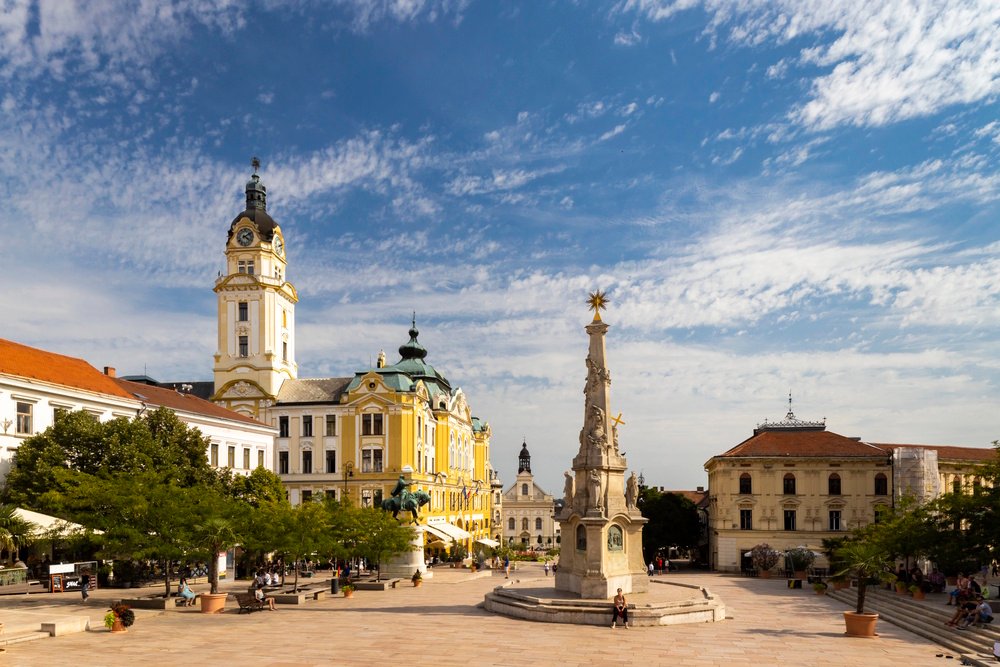
Sheltered along the southern slopes of the Mecsek mountains, Pécs enjoys a mild, sunny Mediterranean microclimate where figs and sweet almonds flourish. Known in Roman times as Sopianae, the city contains early Christian necropolis burial chambers dating to the fourth century, designated as a UNESCO World Heritage site. In the center of Szechenyi Square stands the iconic Mosque of Pasha Qasim, a sixteenth-century Ottoman dome topped by both a Muslim crescent and a Christian cross, symbolizing the town’s layered history.
Pécs is home to the University of Pécs, founded in 1367 as Hungary’s first university. The city is internationally renowned for Zsolnay porcelain, famous for developing iridescent eosin glaze and decorative architectural ceramics that adorn historic buildings throughout Central Europe.
4. Miskolc (approx. 147,500 residents)
Resting against the forested limestone foothills of the Bukk Mountains in northeastern Hungary, Miskolc evolved from a historic wine trading center into a heavy metallurgical and machinery titan during the twentieth century. While post-industrial restructuring closed old steelworks, the city reinvented itself as an environmental research base and eco-tourism center, anchored by the University of Miskolc.
The city’s crown jewel is the Cave Bath of Miskolctapolca, a natural subterranean cavern system where visitors swim in thermal mineral waters flowing through ancient limestone passages. Nearby, the medieval Castle of Diosgyor, once the beloved retreat of Hungarian queens, hosts jousting tournaments and cultural festivals.
3. Szeged (approx. 158,800 residents)
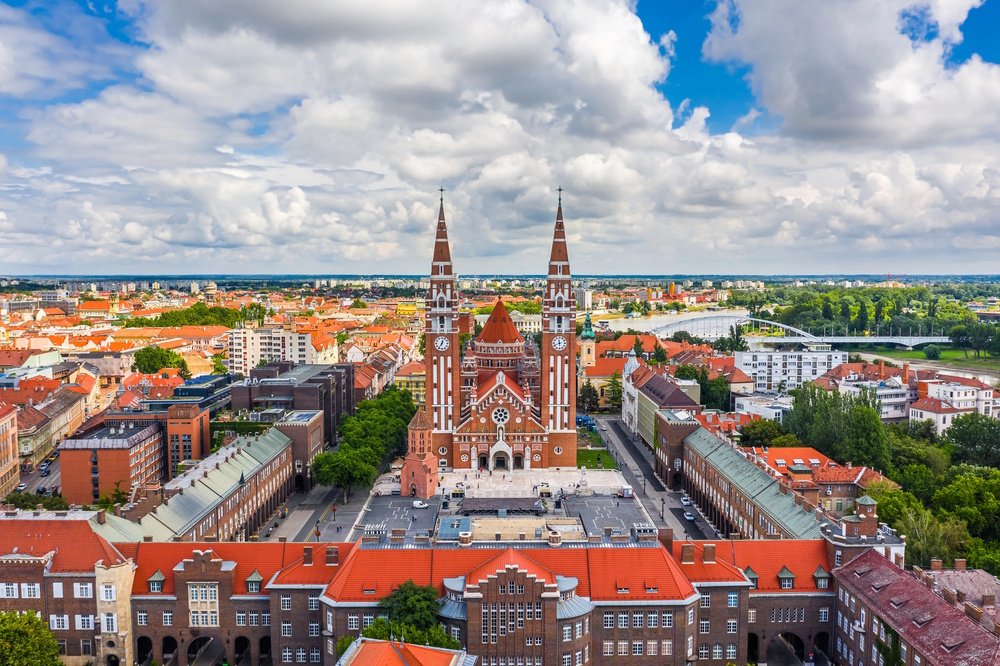
Situated on the banks of the Tisza river near the southern borders of Serbia and Romania, Szeged is known across the country as the City of Sunshine, receiving more annual sunlight hours than any other Hungarian metropolis. After a devastating flood destroyed almost the entire town in 1879, Szeged was rebuilt in magnificent Ringstrasse fashion with sweeping tree-lined avenues and grand palaces. The monumental twin-spired Votive Church anchors Dom Square, which hosts the famous Szeged Open-Air Festival every summer.
Szeged is universally celebrated as the world capital of paprika, producing sweet, fiery red spice ground from local peppers, as well as classic Pick winter salami. The University of Szeged is one of Central Europe’s top academic institutions, where biochemist Albert Szent-Gyorgyi isolated Vitamin C from local paprika peppers, earning the Nobel Prize in 1937.
2. Debrecen (approx. 199,900 residents)
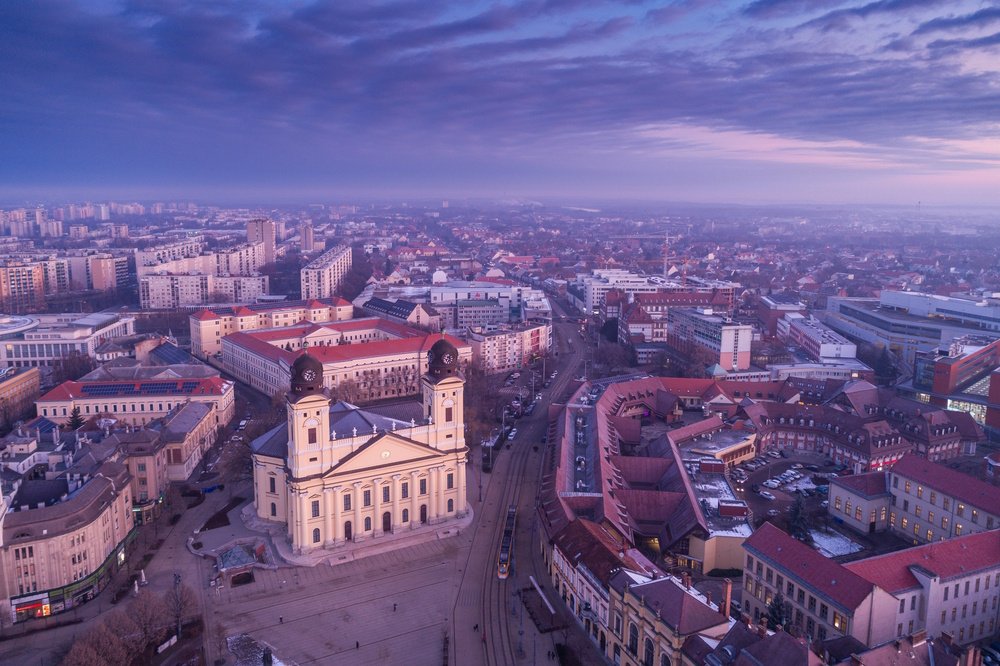
Rising from the flat horizons of the northern Great Plain, Debrecen has served for centuries as the cultural and religious heart of Hungarian Protestantism, earning the title the Calvinist Rome. The city’s skyline is commanded by the majestic neoclassical Great Reformed Church, where revolutionary statesman Lajos Kossuth proclaimed Hungary’s independence from the Habsburg Empire in 1849. The Reformed College of Debrecen has educated leading Hungarian poets, scientists, and statesmen continuously since 1538.
Modern Debrecen functions as Hungary’s second capital, leading developments in biotechnology, pharmaceuticals, and electric vehicle battery production, including major facilities for BMW and CATL. The nearby Great Forest park (Nagyerdő) features thermal healing spas, contemporary open-air theaters, and university research clinics.
1. Budapest (approx. 1,685,300 residents)
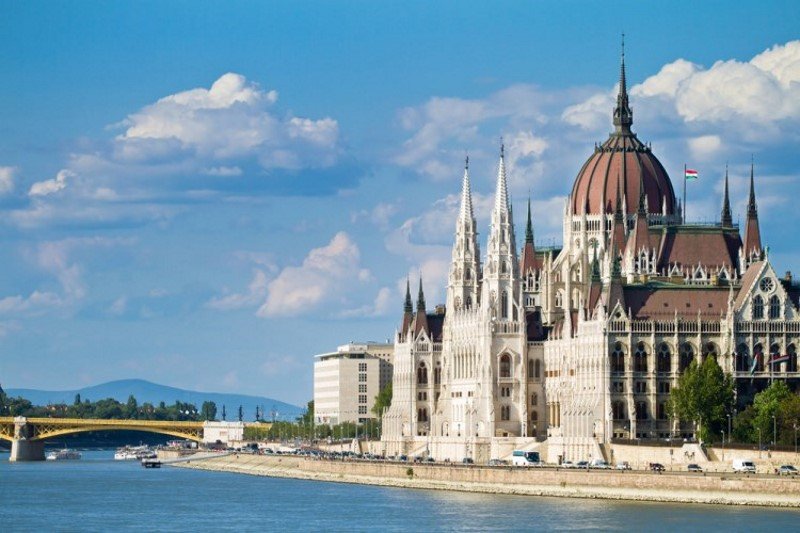
Budapest stands as the majestic Queen of the Danube, formed in 1873 through the unification of hilly, historic Buda and flat, commercial Pest across the river. The sweeping riverfront is crowned by the neo-Gothic Hungarian Parliament Building, the historic stone arches of the Szechenyi Chain Bridge, and the medieval ramparts of Buda Castle and Fishermans Bastion. While the municipal boundary houses nearly 1.7 million residents, the Greater Budapest metropolitan territory accommodates roughly three million citizens, representing nearly a third of the nation.
The capital is world-famous for its thermal bath culture, channeling boiling mineral waters into palatial complexes like the neo-baroque Szechenyi Baths and the Art Nouveau Gellert Baths. Balancing imperial boulevards like Andrassy Avenue with lively ruin bars tucked into historic courtyards in the Jewish Quarter, Budapest reigns as a powerhouse of Central European commerce, culture, and architecture.
Conclusion
Hungary’s largest cities capture a compelling balance of imperial grandeur, folk traditions, and forward-looking industrial innovation. From the thermal baths and Parliament domes of Budapest to the sunny squares of Szeged and the Calvinist halls of Debrecen, these urban centers define Hungarian national life.