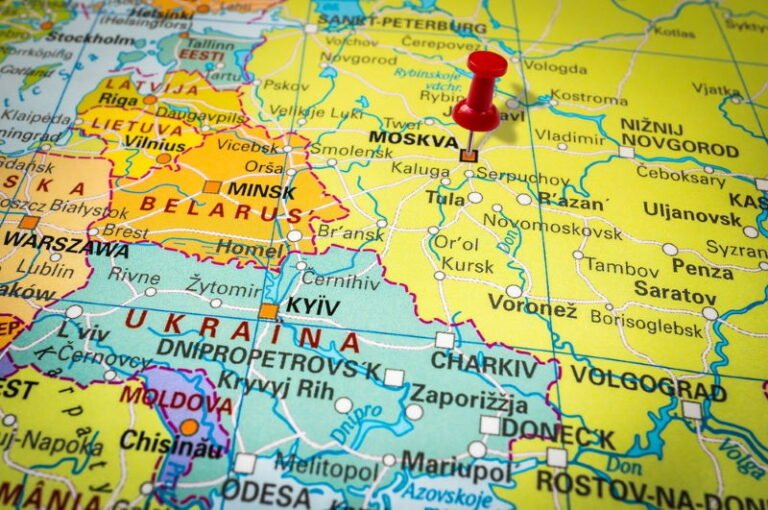
While western Europe benefits from the warming influence of the Gulf Stream, continental weather systems bring bitter sub-zero temperatures to the continent’s eastern and northern frontiers. In these regions, winter is not merely a season; it is a way of life.
Climatological data compiled by the World Meteorological Organization shows that continental air masses from Siberia regularly drop temperatures far below freezing for months at a time. Urban centers in these climates have adapted with specialized district heating networks, heated pavements, and resilient public transit. From Baltic capitals to Russian river cities, here are ten of the coldest major cities in Europe based on average winter temperatures.
10. Oslo (Norway)
Norway’s capital Oslo sits at the head of the Oslofjord in southern Scandinavia. Despite its coastal proximity, winter temperatures frequently fall well below freezing.
Average January temperatures hover around minus three to minus five degrees Celsius, with cold snaps dipping below minus twenty degrees. Snow blankets the city for months, allowing locals to commute to work on cross-country skis through the surrounding forested hills of Nordmarka.
9. Samara (Russia)
Situated at the confluence of the Volga and Samara rivers in southeastern European Russia, Samara experiences an extreme continental climate.
Summers can be surprisingly hot, but winters are fiercely cold and prolonged. January temperatures average around minus ten to minus twelve degrees Celsius. Heavy snowstorms regularly sweep across the open steppe, freezing the broad Volga River solid enough to support pedestrian crossings.
8. Tallinn (Estonia)
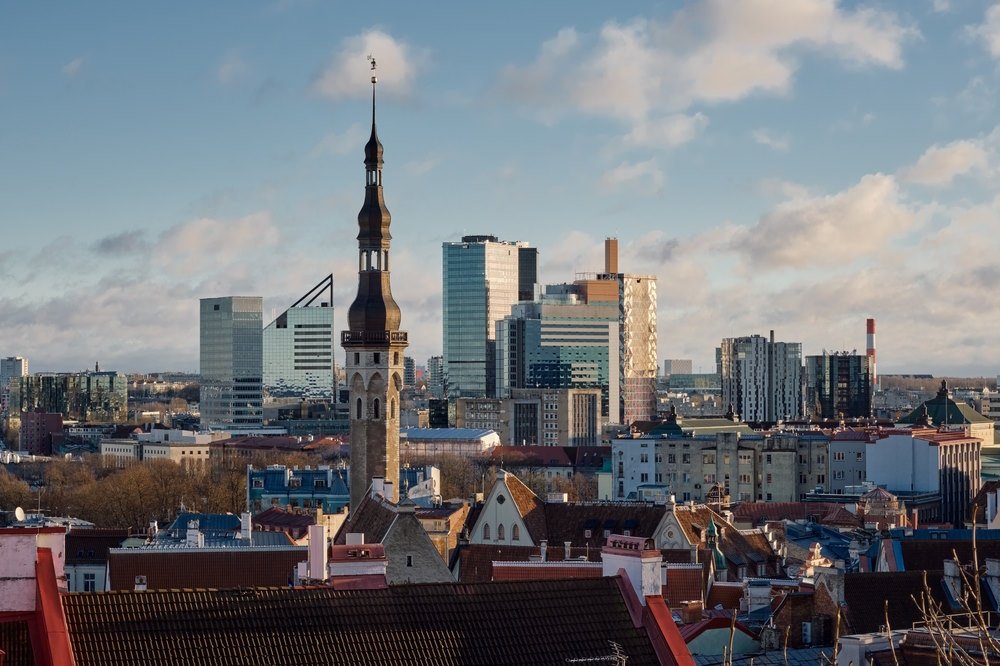
Estonia’s capital Tallinn overlooks the icy waters of the Gulf of Finland. The Baltic maritime influence brings high humidity that amplifies the winter chill.
From December through March, temperatures consistently register below freezing, with biting northeastern winds howling through the cobblestone streets of the medieval Old Town. Coastal ice often forms in Tallinn Bay, requiring icebreakers to keep commercial shipping lanes open.
7. Helsinki (Finland)
Just across the gulf from Tallinn lies Helsinki, Finland’s coastal capital. The city experiences long, dark winters where daylight dwindles to under six hours per day in late December.
According to long-term records from the Finnish Meteorological Institute, winter temperatures regularly sink to minus ten degrees Celsius, with severe Arctic fronts driving thermometers down to minus twenty-five. Helsinki manages the freezing conditions seamlessly with comprehensive underground tunnel networks connecting shopping centers and metro stations.
6. Moscow (Russia)
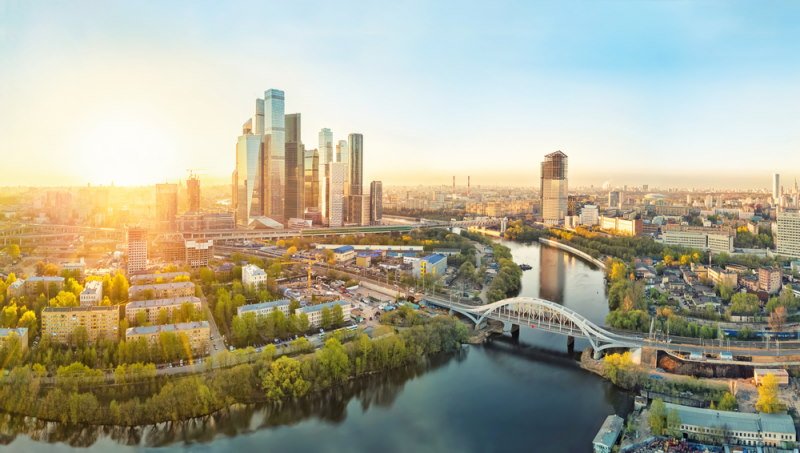
Moscow is Europe’s most populous metropolis, home to over thirteen million residents who navigate freezing continental winters each year.
Snow cover typically lasts from November through early April. January and February feature average temperatures around minus nine degrees Celsius, with extreme cold waves plunging past minus thirty. The Russian capital employs armies of snowplows and thousands of municipal workers to keep Red Square and major transport arteries clear.
5. Saint Petersburg (Russia)
Founded by Peter the Great on marshlands along the Baltic coast, Saint Petersburg endures damp, wind-swept winters that feel significantly colder than thermometer readings indicate.
High atmospheric moisture from the Gulf of Finland and the Neva River creates penetrating frost that coats the city’s baroque bridges and imperial palaces. Winter temperatures average around minus eight degrees Celsius, turning the city’s historic canals into frozen ribbons of ice.
4. Ufa (Russia)
Ufa is the capital of the Republic of Bashkortostan, located in eastern European Russia near the base of the Ural Mountains.
With its deep inland position far removed from any ocean moderation, Ufa suffers brutal continental cold. Winter averages plummet to minus thirteen degrees Celsius, and temperatures below minus thirty-five are not uncommon during prolonged Arctic high-pressure systems.
3. Nizhny Novgorod (Russia)
Located at the meeting point of the Volga and Oka rivers, Nizhny Novgorod is a historic commercial center that confronts severe Russian winters.
From late November to late March, the ground remains buried under deep snow drifts. Average January temperatures hover near minus eleven degrees Celsius, with freezing fog and icy gale winds sweeping off the frozen riverbanks.
2. Kazan (Russia)
Kazan, the capital of Tatarstan, is an ancient city where the Volga and Kazanka rivers converge. Its winter climate is notoriously harsh.
Sub-zero conditions persist uninterrupted for more than four months of the year, with average winter minimums around minus fourteen degrees Celsius. The city’s whitewashed Kremlin and blue-domed mosques stand out dramatically against thick winter snowpacks.
1. Reykjavik (Iceland)
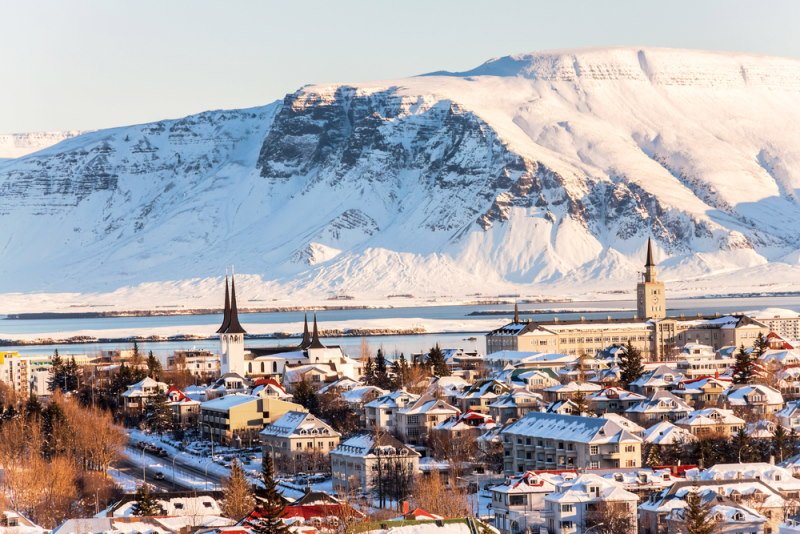
Located just two degrees south of the Arctic Circle, Reykjavik is the northernmost capital of any sovereign nation on Earth.
Interestingly, ocean waters warmed by the North Atlantic Drift keep Reykjavik’s raw temperatures milder than inland Russian cities, averaging around zero to minus two degrees Celsius in winter. However, fierce North Atlantic gales, relentless horizontal sleet, and damp oceanic chill make the perceived temperature feel exceptionally frigid. Geothermal heating piped from underground hot springs warms virtually every home and pavement in the city.
Life in Europe’s coldest cities showcases impressive human ingenuity and clever urban planning. From Reykjavik’s geothermal warmth to Moscow’s expansive district heating networks, these northern communities demonstrate that rich cultural traditions can flourish even during the deepest sub-zero months.