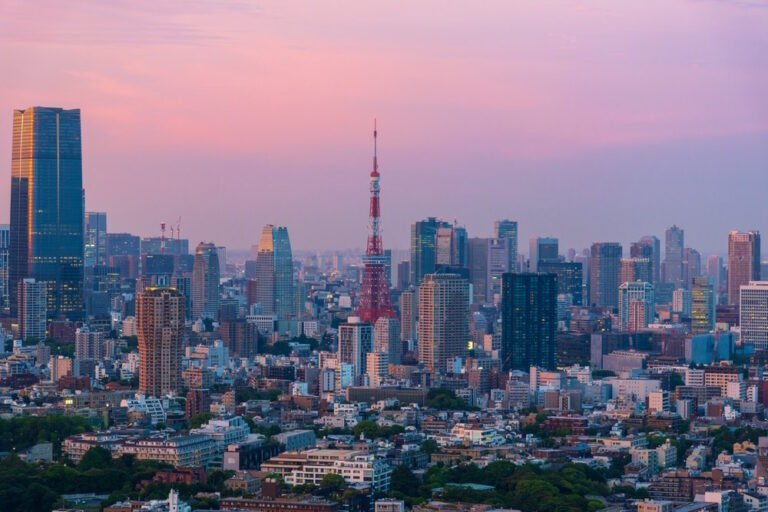
The State of Israel occupies a narrow geographic corridor on the eastern shore of the Mediterranean Sea, connecting the continents of Europe, Asia, and Africa. Despite covering a compact land area characterized by coastal plains, central limestone hill ridges, the Jordan Rift Valley, and the arid Negev Desert, the nation maintains one of the highest population densities in the developed world. According to official municipal population statistics released by the Israel Central Bureau of Statistics (CBS), over ninety-two percent of Israelis live in urban municipalities, with development heavily concentrated along the Gush Dan coastal conurbation.
Israeli urban life combines millennia-old religious sanctuaries and ancient Roman port ruins with a world-leading high-tech startup ecosystem known as Silicon Wadi. From sacred mountain capitals and Mediterranean beach promenades to northern industrial deep-water harbors and planned desert communities, regional municipalities preserve distinct cultural traditions and multilingual communities. Examining the ten largest cities provides insight into how ancient heritage and modern technological enterprise shape this Eastern Mediterranean nation.
10. Holon (approx. 198,000 residents)
Positioned immediately south of Tel Aviv within the Gush Dan metropolitan area, Holon, whose name originates from the Hebrew word hol (sand), grew from sand-dune settlements in the 1930s into a major industrial and residential city. Over the last two decades, the municipality transformed its civic image by investing heavily in cultural arts and children’s education, earning the official title of Israel’s Children’s City. The city is famous for the Design Museum Holon, an internationally acclaimed architectural masterpiece designed by Ron Arad featuring flowing ribbons of rusted Corten steel.
Holon also houses the Israeli Children’s Museum, celebrated for its immersive sensory exhibits like Dialogue in the Dark, and the Mediatheque cultural center. The city operates one of the largest industrial parks in Israel, hosting electronics manufacturing, textile plants, and engineering consultancies.
9. Beersheba (approx. 214,200 residents)
Located on the northern edge of the Negev Desert, Beersheba (Be’er Sheva) proudly bears the title of Capital of the Negev. Mentioned extensively in the Hebrew Bible as the home of patriarchs Abraham and Isaac, the nearby archaeological tell of Tel Be’er Sheva preserves an ancient biblical horned altar and deep water cisterns, inscribed as a UNESCO World Heritage site. In modern history, the city is famous for the 1917 Battle of Beersheba, where the Australian 4th Light Horse Brigade conducted the last successful cavalry charge in modern military history.
In modern Israel, Beersheba has emerged as a premier cybersecurity and technological innovation capital. The city’s Gav-Yam Negev Advanced Technologies Park hosts national cyber defense agencies, corporate research campuses for international technology leaders, and Ben-Gurion University of the Negev, driving desert agriculture and clean water research.
8. Bnei Brak (approx. 218,400 residents)

Situated directly east of Tel Aviv within the Dan metropolitan core, Bnei Brak holds the distinction of being the most densely populated city in Israel, housing over twenty-one thousand residents per square kilometer. Founded in 1924 by a group of Hasidic pioneers led by Rabbi Yitzchak Gerstenkorn, the city developed into the foremost global capital of Haredi (Orthodox) Jewish religious scholarship. World-renowned yeshivot (Torah academies), notably the Ponevezh Yeshiva, attract thousands of rabbinical students from around the world.
Life in Bnei Brak follows traditional religious rhythms: on Shabbat, motor vehicle traffic ceases completely as tens of thousands of residents fill the streets in traditional dress to celebrate. On its northern perimeter along the Yarkon River, the BBC (Bnei Brak Business Center) features modern high-rise commercial towers housing financial institutions and corporate offices.
7. Ashdod (approx. 226,800 residents)
Resting on the Mediterranean coast roughly thirty kilometers south of Tel Aviv, Ashdod is a modern planned port city with roots dating back thousands of years as one of the five ancient royal cities of the Philistines. Founded in its modern form in 1956 along coastal sand dunes, the city was organized on an innovative master plan dividing the municipality into autonomous self-contained residential quarters, each equipped with its own commercial centers, parks, and schools.
Today, the Port of Ashdod stands as the busiest commercial cargo seaport in Israel, handling roughly sixty percent of the nation’s imported maritime goods. The city features wide sandy beaches, an active marina, and the Ashdod Performing Arts Center, celebrated for its unique wave-inspired architectural silhouette.
6. Netanya (approx. 233,100 residents)
Perched upon picturesque golden sandstone cliffs overlooking the Mediterranean in the fertile Sharon plain, Netanya is celebrated as the Diamond City and the Riviera of Israel. Founded in 1929 as an agricultural citrus settlement and named after American philanthropist Nathan Straus, the city grew into a global center for diamond cutting and polishing throughout the mid-twentieth century, attracting master jewelers from Belgium and the Netherlands.
With fourteen kilometers of white sandy beaches and an elevated cliffside promenade equipped with public elevators descending to the surf, Netanya is a premier vacation resort. The city is famous for its large French-speaking community, which has infused local boulevards with authentic French bakeries, cafes, and open-air bistros.
5. Petah Tikva (approx. 255,400 residents)
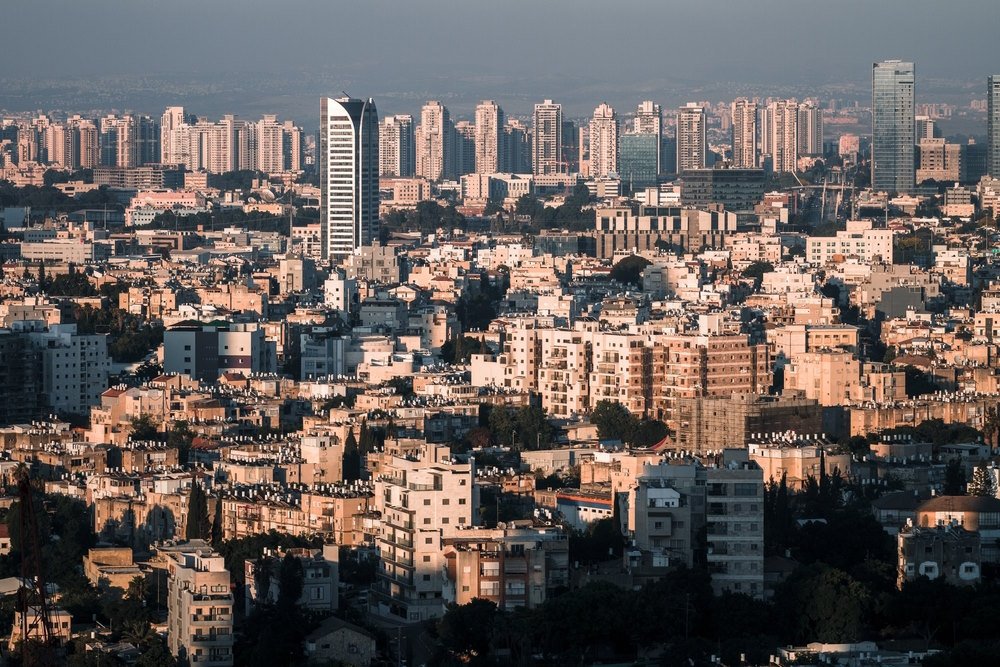
Located ten kilometers east of central Tel Aviv, Petah Tikva holds an honored place in modern Zionist history as Em HaMoshavot (Mother of the Agricultural Settlements). Established in 1878 by religious pioneers who drained malaria-ridden swamps along the Yarkon River to plant citrus groves, the town’s name translates to Gate of Hope from the Book of Hosea.
Today, Petah Tikva has evolved into a premier high-tech, medical, and communications powerhouse. The city hosts Kiryat Aryeh and Kiryat Matalon, expansive business parks housing research headquarters for global technology corporations like IBM, Intel, and Oracle. The city is also home to Rabin Medical Center, one of the foremost tertiary healthcare and medical research complexes in the Middle East.
4. Rishon LeZion (approx. 260,500 residents)
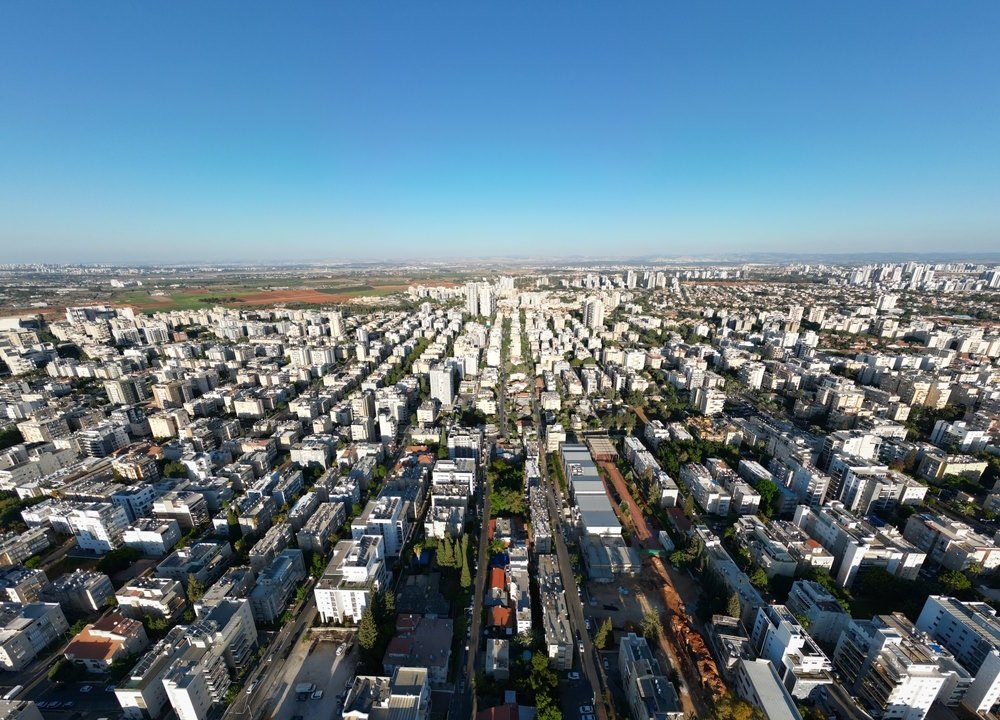
Situated in the coastal plain eight kilometers south of Tel Aviv, Rishon LeZion, meaning First to Zion, was founded in 1882 by pioneer immigrants of the First Aliyah. The settlement holds foundational significance in modern Israeli culture: it was here that the modern Hebrew language was revived in classrooms, the iconic blue-and-white Israeli flag was first hoisted, and the national anthem Hatikvah was composed. Philanthropist Baron Edmond de Rothschild established the historic Carmel Winery here in 1890, sparking the modern Israeli winemaking industry.
Modern Rishon LeZion is a flourishing family-oriented metropolis featuring extensive sandy beaches, major shopping complexes, and the expansive Superland amusement park. The city center carefully preserves historic nineteenth-century landmarks, including the Great Synagogue, the historic water tower, and Rothschild’s underground wine cellars.
3. Haifa (approx. 290,300 residents)
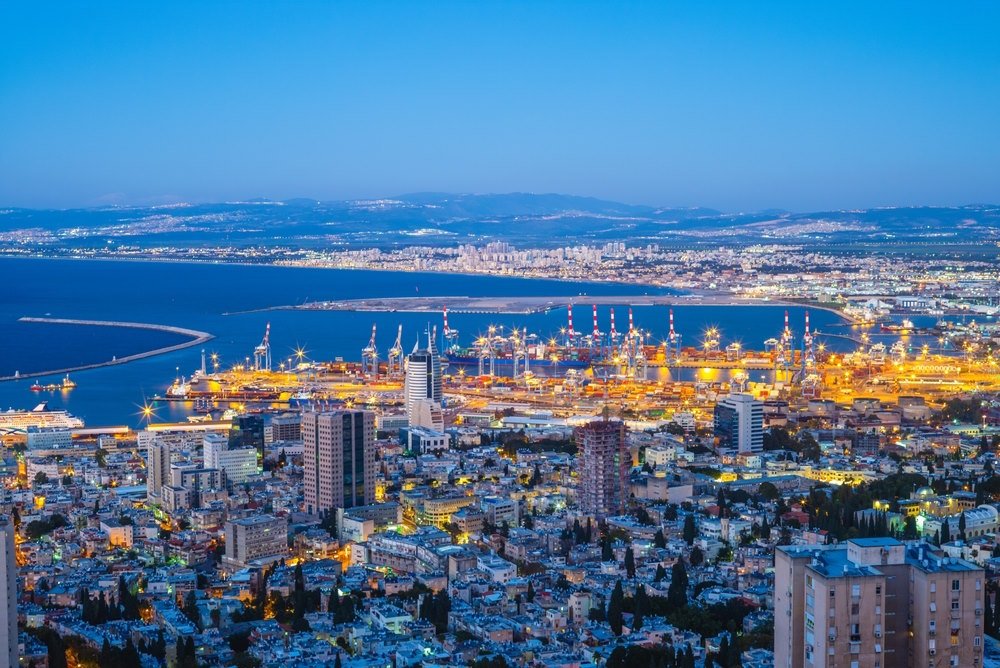
Dramatically terraced across the forested slopes of Mount Carmel rising from the Mediterranean waters of Haifa Bay, Haifa is the cultural and industrial capital of northern Israel. The city is globally recognized for the Baháʼí World Centre, an extraordinary UNESCO World Heritage site consisting of nineteen manicured garden terraces cascading down the mountain toward the sea, centered on the golden-domed Shrine of the Báb. Haifa is celebrated as a national model of interfaith harmony, where Jewish, Muslim, Christian, and Druze communities coexist peacefully.
Haifa is a powerhouse of science and heavy industry, home to the Technion (Israel Institute of Technology), often hailed as Israel’s MIT, which has produced four Nobel laureates in Chemistry. The city’s deep-water seaport operates alongside Matam Park, the oldest and largest technology business park in Israel, which houses premier international research labs for Apple, Google, and Microsoft.
2. Tel Aviv-Yafo (approx. 474,500 residents)
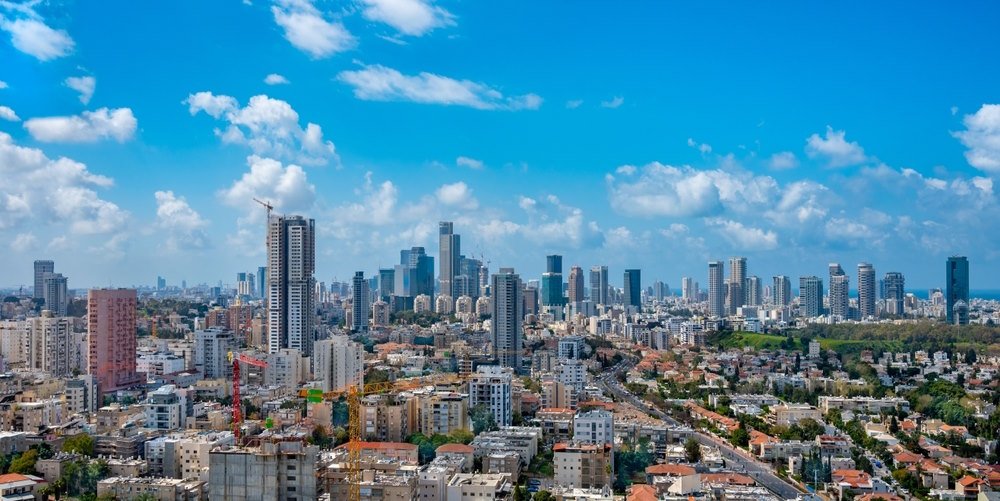
Stretching along the Mediterranean shoreline, Tel Aviv-Yafo is the pulsating financial, cultural, and technological heartbeat of Israel. The city pairs the ancient stone port of Jaffa (Yafo), boasting over four thousand years of maritime history where the prophet Jonah embarked, with the dynamic modern metropolis founded upon sand dunes in 1909. Often called the Non-Stop City, Tel Aviv is famous for its lively beachfront promenade, world-renowned culinary scene, and the White City, a UNESCO World Heritage site containing the world’s largest concentration of 1930s Bauhaus and International Style architecture.
While the municipal core counts around four hundred and seventy-five thousand citizens, the contiguous Gush Dan metropolitan area houses over four million residents, forming the economic engine of the nation. As the global epicenter of Silicon Wadi, Tel Aviv boasts one of the highest concentrations of tech startups, venture capital funds, and unicorn corporations per capita on Earth.
1. Jerusalem (approx. 981,700 residents)
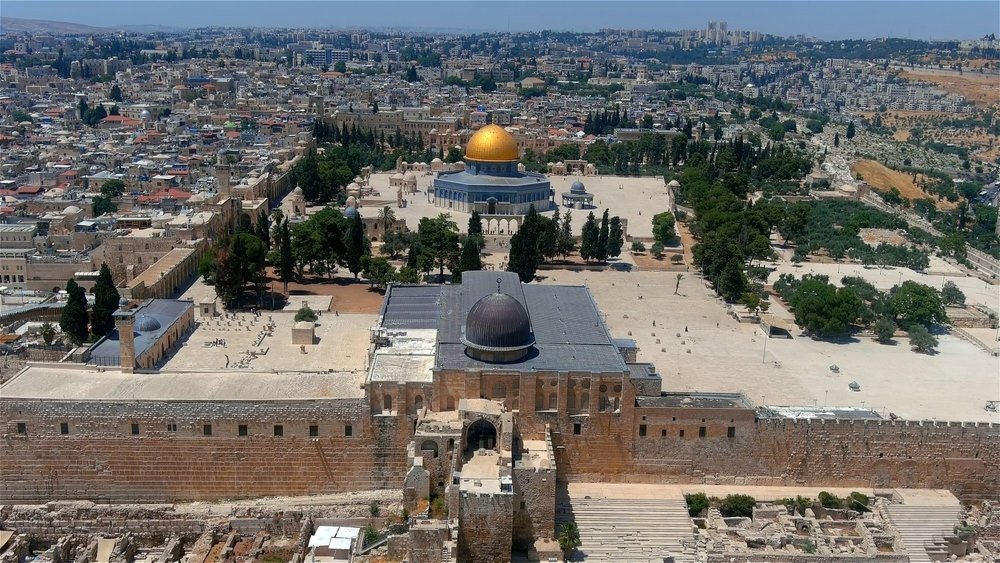
Jerusalem stands supreme as the sacred capital, political seat, and most populous metropolis in Israel, perched upon the limestone hills of the Judean Mountains at an elevation of 750 meters. With over three thousand years of continuous urban history since King David established his royal throne, the city holds sacred resonance for Judaism, Christianity, and Islam. The ancient walled Old City, an iconic UNESCO World Heritage site, contains the Western Wall, the Church of the Holy Sepulchre, and the golden Dome of the Rock on the Temple Mount.
All buildings across the municipality are legally required to be faced with local pale limestone known as Jerusalem Stone, giving the urban landscape a timeless golden glow at sunset. Modern Jerusalem functions as the seat of the Israeli government, housing the Knesset parliament, the Supreme Court, the Israel Museum, and the Hebrew University of Jerusalem, while expanding high-tech biotechnology corridors around Har Hotzvim anchor future innovation.
Conclusion
Israel’s largest cities capture a profound synthesis between biblical antiquities, classical Roman harbors, and twenty-first-century technological innovation. From the golden stones and sacred shrines of Jerusalem to the Mediterranean beach towers of Tel Aviv and the terraced botanical gardens of Haifa, these ten urban centers represent the resilience, diversity, and dynamic spirit of the Israeli nation.