Packing a suitcase or shipping a parcel across an international border sounds straightforward until you run into a country with zero-tolerance customs enforcement. In some places, forgetting an apple in your backpack can trigger an instant four-figure fine; in others, a bottle of wine, a common cold medication, or a drone in your luggage can lead to confiscation or arrest.
Customs agencies enforce strict rules for very different reasons: isolated island nations guard their fragile ecosystems against invasive pests, religious states police moral and cultural codes, and major economies protect domestic industries with steep tariffs. Here are the ten countries with the strictest customs regulations on Earth.
1. Australia: Biosecurity Above All Else
Because Australia evolved as an isolated island continent for millions of years, its farms and native wildlife are extraordinarily vulnerable to foreign plant diseases, insects, and fungi. Every arriving passenger must complete an Incoming Passenger Card declaring any food, plant material, animal products, wooden souvenirs, or even hiking boots with soil on the soles.
Beagle sniffer dogs and X-ray machines screen bags at every international airport, and failing to declare restricted food or biological items can result in on-the-spot fines of thousands of Australian dollars and immediate visa cancellation.
2. New Zealand: Zero Tolerance for Ecological Hitchhikers
Like its neighbor across the Tasman Sea, New Zealand treats border biosecurity as a matter of national survival for its agricultural economy and native birds. Even a single piece of undeclared fresh fruit, honey, seeds, or dirty camping tent pegs can earn travelers an instant $400 NZD fine at the airport arrival hall.
3. Saudi Arabia: Strict Religious and Cultural Prohibitions

Even as Saudi Arabia has opened its doors to international tourists in recent years, customs screening at airports and land borders remains among the strictest in the world.
Bringing in any amount of alcohol, pork products, narcotics, e-cigarettes above personal limits, or materials deemed offensive to Islamic law is strictly forbidden, and every piece of checked and carry-on luggage is X-rayed upon arrival before passengers exit the terminal.
4. Japan: Tough Rules on Common Medications
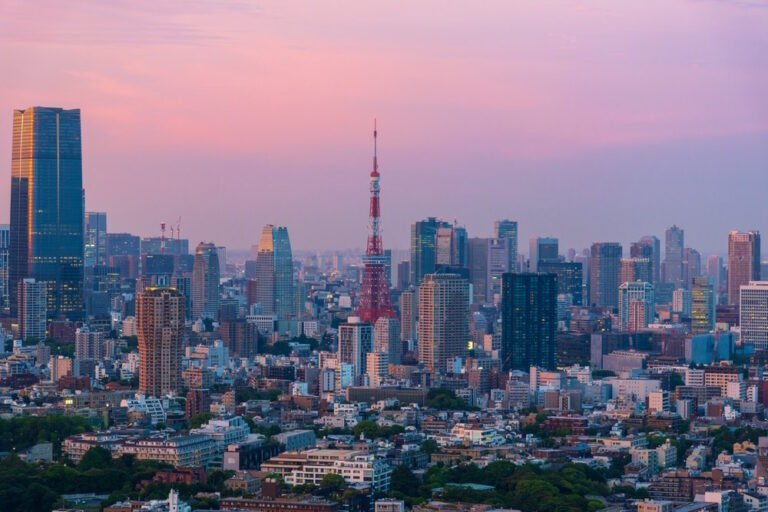
Japan is famous for polite, efficient airport staff, but its pharmaceutical import laws catch thousands of well-meaning travelers off guard every year.
Over-the-counter sinus and cold medicines sold freely in North America or Europe that contain pseudoephedrine, as well as prescription ADHD stimulants like Adderall and painkillers containing codeine, are strictly controlled or banned upon entry into Japan unless the traveler obtains an official Yunyu Kakunin-sho import certificate in advance. Meat products and fresh fruit are also heavily restricted.
5. United States: CBP Agriculture and Security Inspections
Operated by US Customs and Border Protection (CBP), American ports of entry combine strict post-9/11 security screening with aggressive agricultural rules. Travelers can be fined heavily for bringing in cured meats, fresh citrus, Kinder Surprise chocolate eggs (banned due to the non-edible toy inside), or Cuban cigars, and border officers hold legal authority to search electronic devices including laptops and smartphones without a warrant.
6. China: Complex Commercial Paperwork and Media Screening
For both travelers and freight shippers, Chinese customs enforces detailed inspection rules. Printed books, maps that do not reflect Beijing’s territorial claims, religious literature in bulk, drones, and satellite communication gear face close scrutiny, while commercial cargo shipments must clear multi-layered product-safety certifications (CCC marks) that vary by port.
7. Brazil: Steep Tariffs and Red Tape on Parcels
Ask any international e-commerce company which country is the hardest to ship parcels into, and Brazil almost always tops the list. To protect domestic manufacturers, the Receita Federal levies combined import duties and state taxes that can easily reach 60 to 90 percent of a package’s value (including shipping costs), and every commercial shipment requires the recipient’s national tax ID number (CPF or CNPJ) to clear customs.
8. India: Gold Limits, Drone Bans, and Bureaucracy

Indian customs officers pay close attention to electronics, gold bullion or jewelry above strict duty-free allowances, satellite phones (such as Garmin InReach devices, which are illegal to bring into India without a special government license), and recreational camera drones. Commercial freight shipments also face intricate tariff classifications and port inspections.
9. Russia: Sanctions, Currency Rules, and Medication Checks
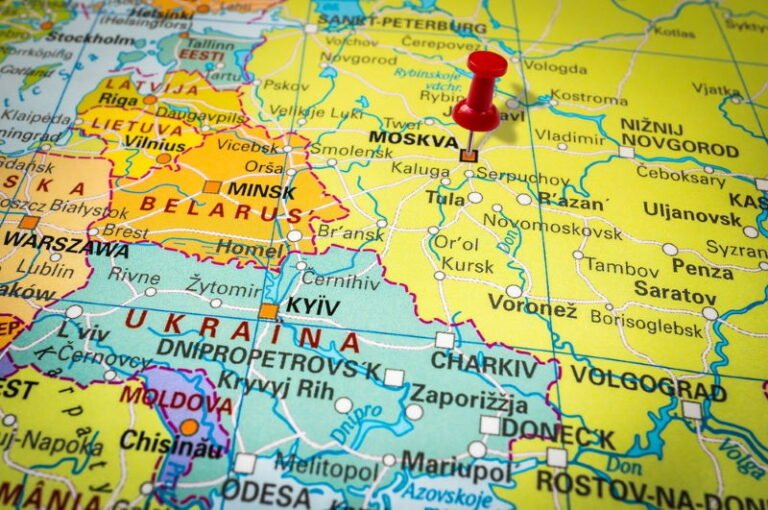
Crossing into Russia involves navigating a shifting maze of customs declarations, strict limits on carrying foreign cash above $10,000, and tough rules on prescription medications and encrypted electronics, compounded since 2022 by sweeping Western export sanctions and Russian counter-sanctions on foreign goods.
10. Switzerland: Weight-Based Tariffs and 1-Kilogram Meat Limits
Because Switzerland sits outside the European Union’s customs union right in the middle of Western Europe, every road and rail crossing is an active customs border. Uniquely among developed nations, Switzerland calculates many import duties by physical weight rather than monetary value, and travelers driving back from cheaper supermarkets in Germany, France, or Italy are limited to just 1 kilogram of meat and 1 liter of spirits duty-free per person.