Comparing fortunes across the centuries is a tricky business. How do you measure a Roman landowner against a medieval emperor or a tech billionaire? A dollar figure adjusted for inflation tells only part of the story.
Historians usually look at something else: how much of their own era’s economy these people controlled. By that measure, some names from the history books dwarf even today’s richest. Estimates vary wildly, so treat the numbers as educated guesses, but these ten are on almost every list.
1. Mansa Musa
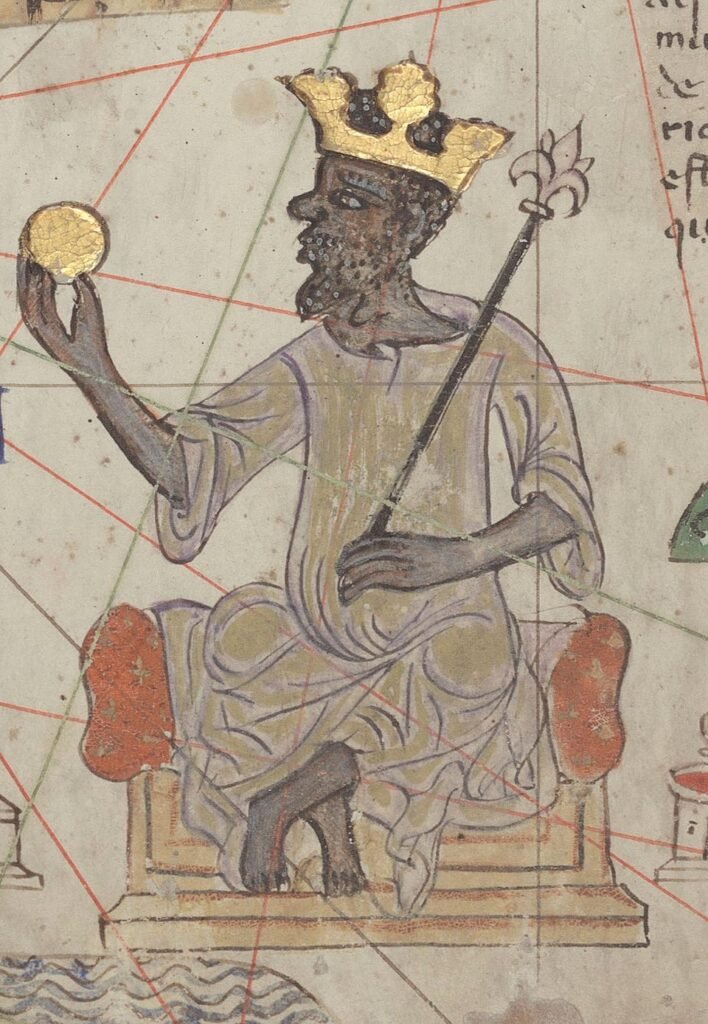
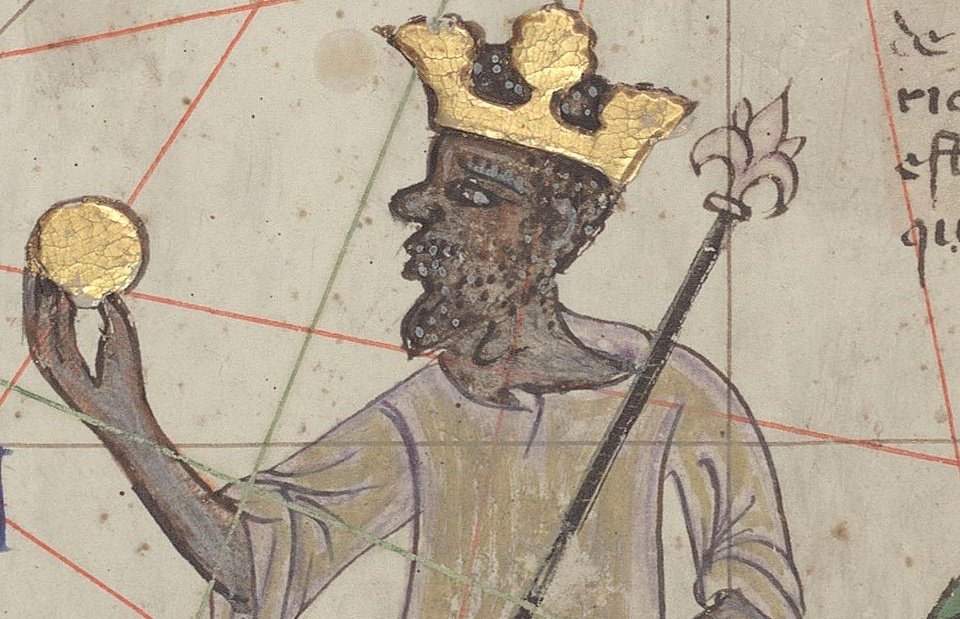
Mansa Musa ruled the Mali Empire in West Africa in the early 14th century, at a time when it produced a large share of the world’s gold. His wealth was so vast that historians simply call it incalculable.
His fame spread across the world after his pilgrimage to Mecca in 1324. He traveled with a caravan of thousands of people and camels loaded with gold, and handed out so much of it in Cairo that, according to Arab chroniclers, the price of gold there stayed depressed for years.
2. John D. Rockefeller
Through Standard Oil, John D. Rockefeller controlled around 90 percent of America’s oil refining by the 1880s. He is often described as the first billionaire in history.
At his peak, his fortune was equal to roughly 2 percent of the entire US economy. In today’s terms, that would be several hundred billion dollars. He also gave away hundreds of millions, founding the University of Chicago and the Rockefeller Foundation.
3. Elon Musk

The only living person on this list in absolute terms is Elon Musk. Thanks to Tesla, SpaceX and his other companies, he became the first person ever to be worth more than half a trillion dollars, according to Forbes in 2025.
His fortune swings by tens of billions as share prices move, sometimes in a single day. Measured against the size of today’s huge global economy, though, it is still smaller than Rockefeller’s grip on the America of his time.
4. Jakob Fugger
The German banker Jakob Fugger of Augsburg, known as Jakob the Rich, was the most powerful financier of the Renaissance. He made his fortune in textiles, silver and copper mining, and lent money to kings, emperors and popes.
In 1519 he largely bankrolled the election of Charles V as Holy Roman Emperor. When he died in 1525, his fortune is estimated to have been equal to around 2 percent of Europe’s entire economic output.
5. Andrew Carnegie
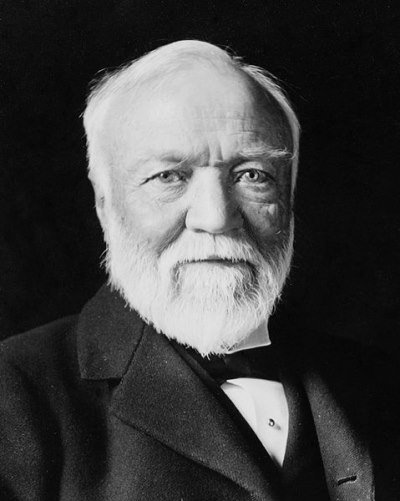
Andrew Carnegie emigrated from Scotland to the United States as a poor boy and built the country’s largest steel company. In 1901 he sold Carnegie Steel to J.P. Morgan for 480 million dollars, an astonishing sum at the time.
Carnegie then set out to give it all away, famously writing that “the man who dies thus rich dies disgraced.” He funded more than 2,500 public libraries around the world, along with Carnegie Hall and numerous universities.
6. Nicholas II of Russia
The last tsar of Russia sat on what may have been the largest royal fortune ever assembled: palaces, vast estates, gold reserves, jewels and treasures like the famous Fabergé eggs.
Much of it was hard to separate from the wealth of the Russian state itself. It did not save him: the 1917 revolution swept him from power, and he and his family were executed by the Bolsheviks in 1918.
7. Mir Osman Ali Khan
The last Nizam of Hyderabad, a princely state in India, appeared on the cover of Time magazine in 1937 as the richest man in the world. His fortune came from land, gold and diamond mines.
His jewel collection was legendary. He reportedly used the Jacob Diamond, a 185-carat stone, as a paperweight. At the same time, he was known for being remarkably frugal in his personal habits.
8. Marcus Licinius Crassus
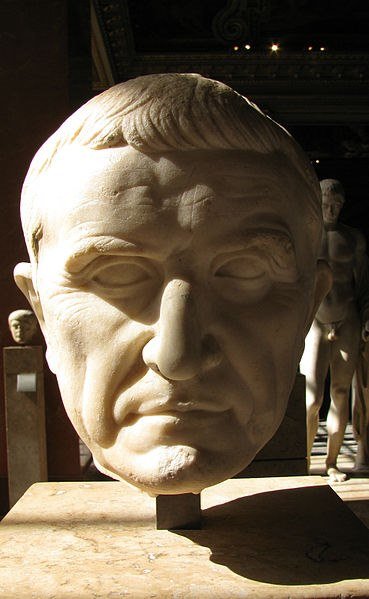
Crassus was the richest man in the Roman Republic in the first century BC. He made his fortune in property, silver mines and the slave trade, and became part of the political alliance with Julius Caesar and Pompey.
One of his notorious schemes was a private fire brigade. When a building caught fire, his men would offer to buy it, and the neighbors’ houses, at rock-bottom prices before putting out the flames. He died after a disastrous defeat by the Parthians in 53 BC. According to legend, his enemies poured molten gold down his throat to mock his greed.
9. William Henry Vanderbilt
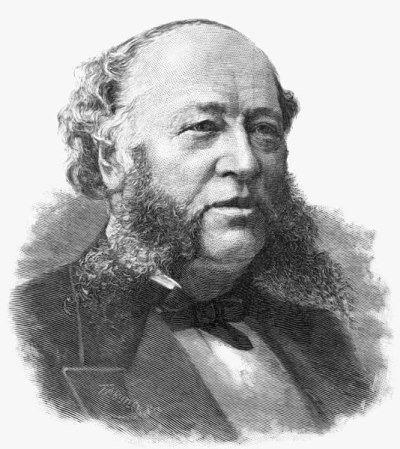
His father thought little of him, but William Henry Vanderbilt turned out to be a gifted businessman. He inherited most of the family fortune in 1877 and expanded its railroad empire.
In just eight years, he roughly doubled what he had inherited, to around 200 million dollars. When he died in 1885, he was considered the richest man in the world.
10. Cornelius Vanderbilt
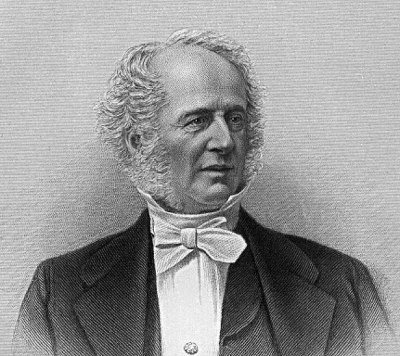
The founder of the dynasty started out ferrying passengers around New York harbor as a teenager and went on to build empires in steamships and railroads. His family name goes back to an ancestor from De Bilt, a village in the Netherlands.
“The Commodore” was famously ruthless. He is said to have written to business partners who cheated him: “I won’t sue you, for the law is too slow. I’ll ruin you.” When he died in 1877, he left about 100 million dollars, almost all of it to his son William.