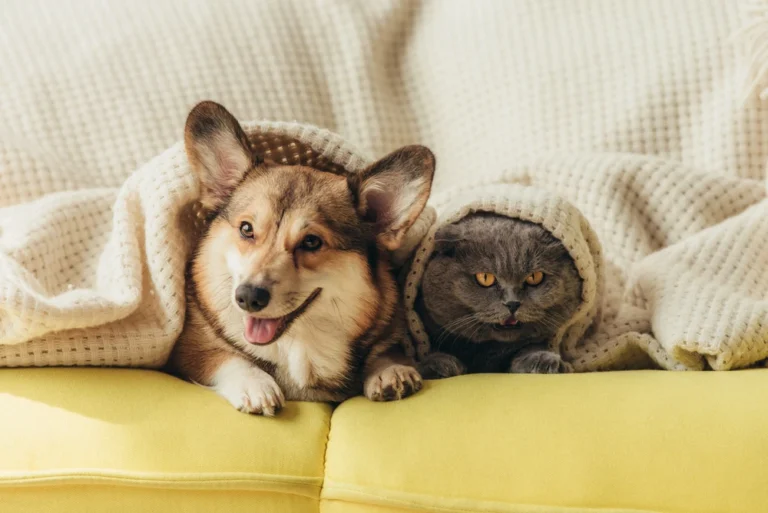
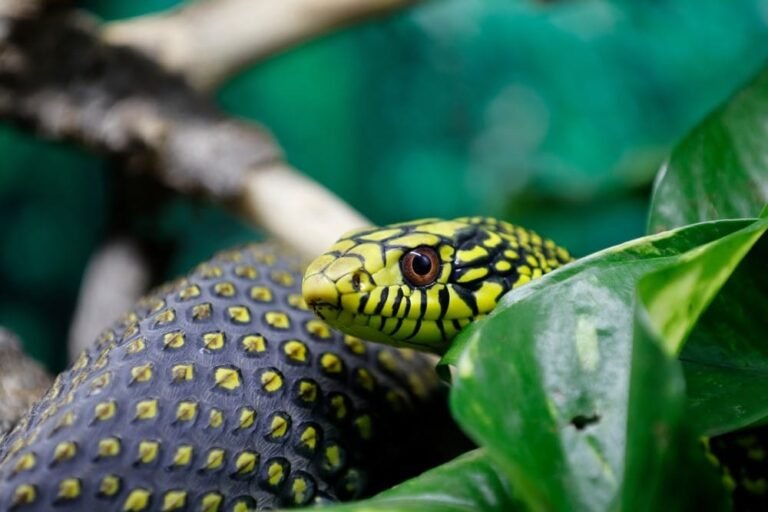
Everyone knows a herd of cows and a pack of wolves. But what do you call a group of owls, zebras or flamingos? English has a surprisingly rich collection of names for groups of animals, from the practical to the downright poetic.
Many of the more colorful ones, such as a “murder” of crows, go back to medieval hunting books like the Book of St Albans from 1486. Some were real hunting terms, others were probably jokes from the start. Today, most people simply say “a group” or “a flock”, but these names are too much fun to forget.
Lions: a pride
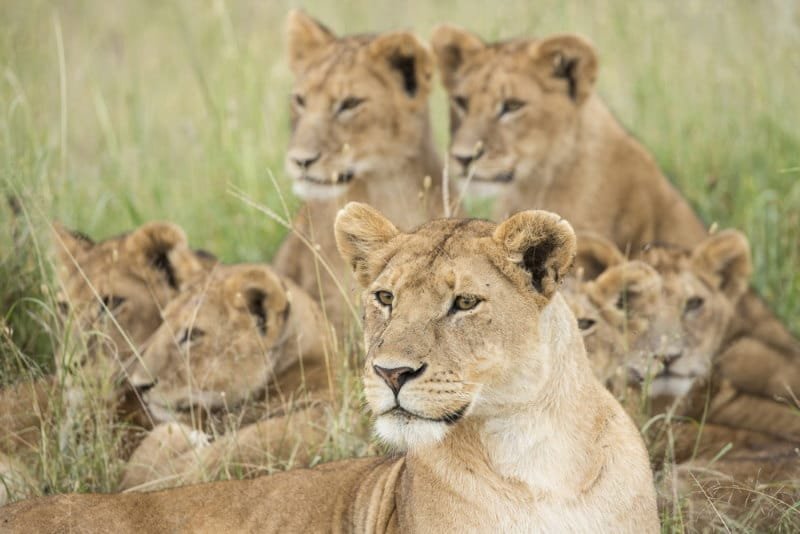
A pride usually consists of several related females, their cubs and one or a few males. Lions are the only truly social big cats.
Owls: a parliament
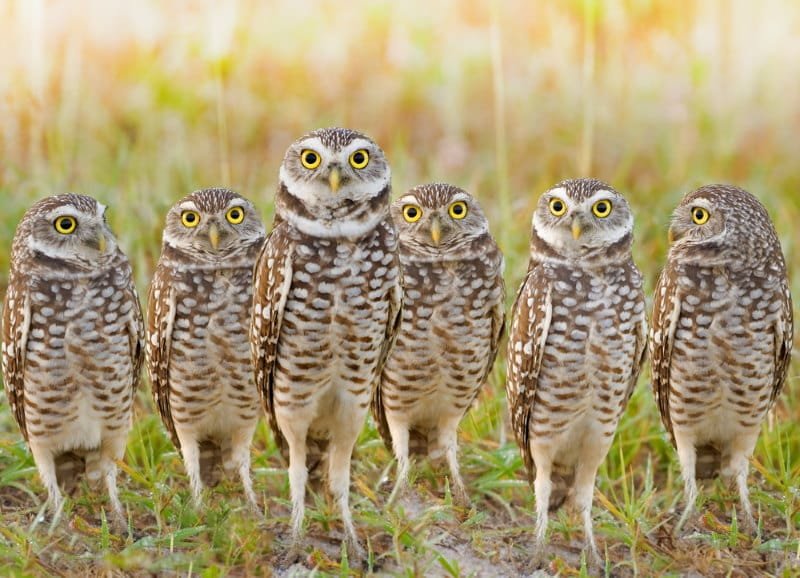
Owls have long been seen as wise, so a group of them is a “parliament”. In reality, most owls are solitary, so you will rarely see one.
Crows: a murder
Perhaps the most famous collective noun of all. It probably comes from old folk beliefs linking crows with death and bad omens. Ravens have an equally gloomy name: an “unkindness”.
Wolves: a pack
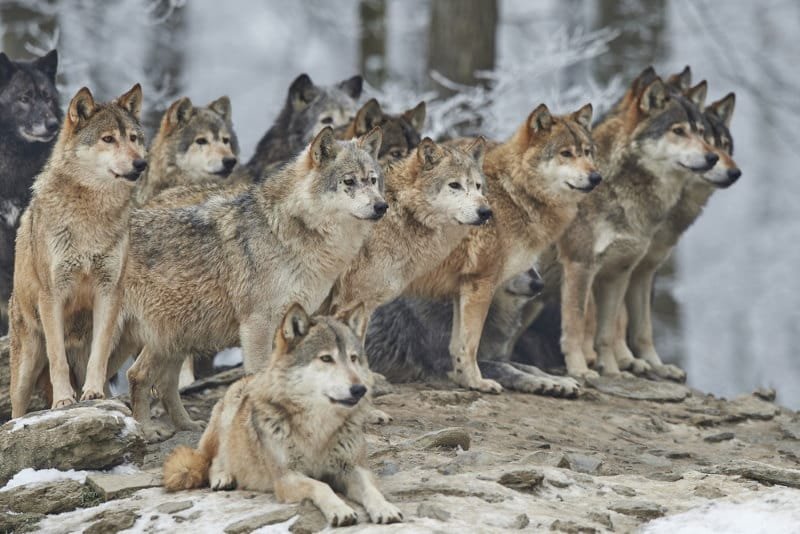
A wolf pack is usually a family: a breeding pair and their offspring from the last few years. The old idea of a ruthless “alpha wolf” fighting for dominance is now considered a myth for wild wolves.
African wild dogs: a pack
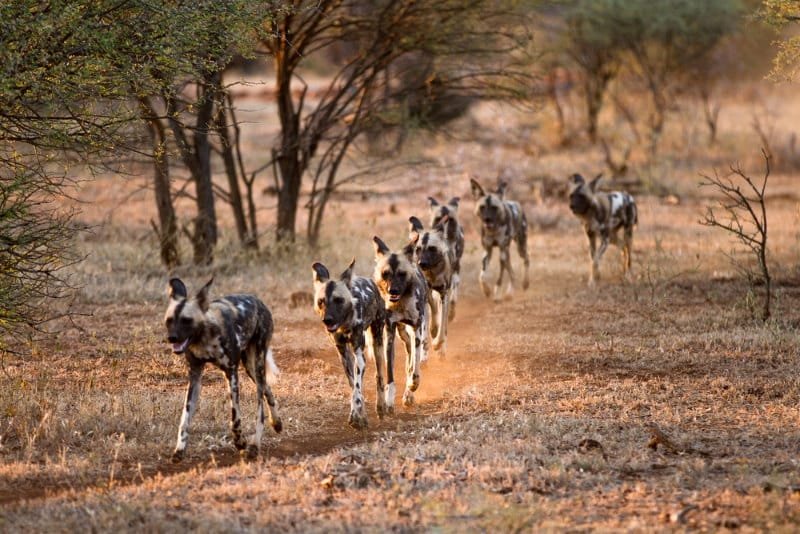
African wild dogs live in packs and are among the most successful hunters in Africa. They even “vote” by sneezing when deciding whether to set off on a hunt.
Deer: a herd
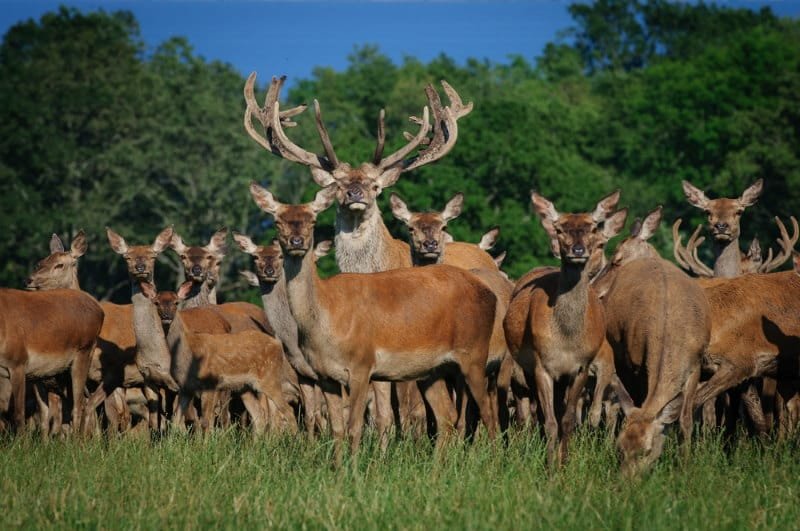
A group of deer is usually called a herd. Old hunting language also used “a bevy” for roe deer.
Cows: a herd
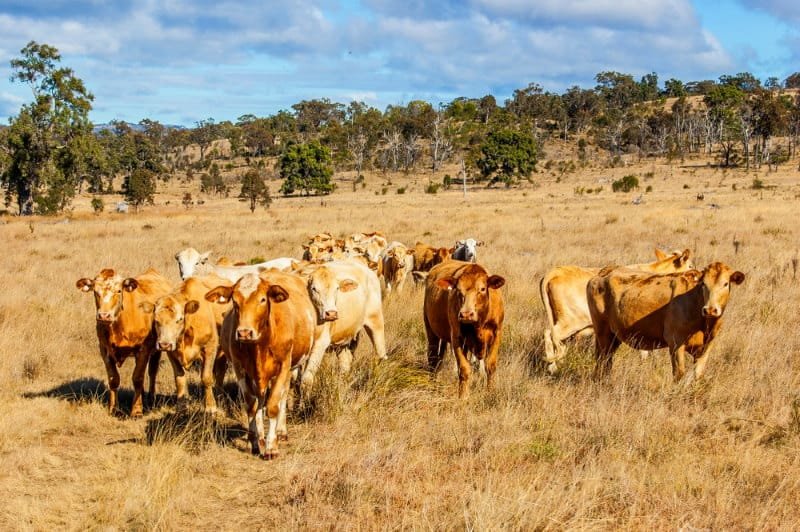
The everyday word for large grazing animals. Living in a herd is safer: while some graze, others keep watch.
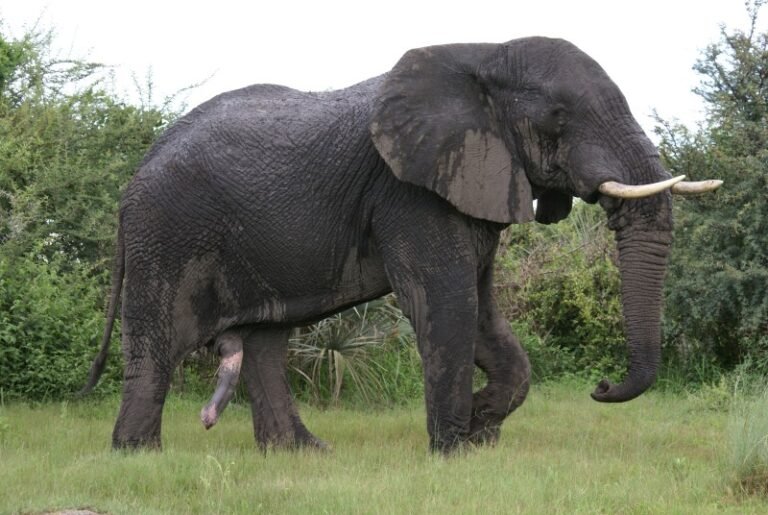
Elephants: a herd or a parade
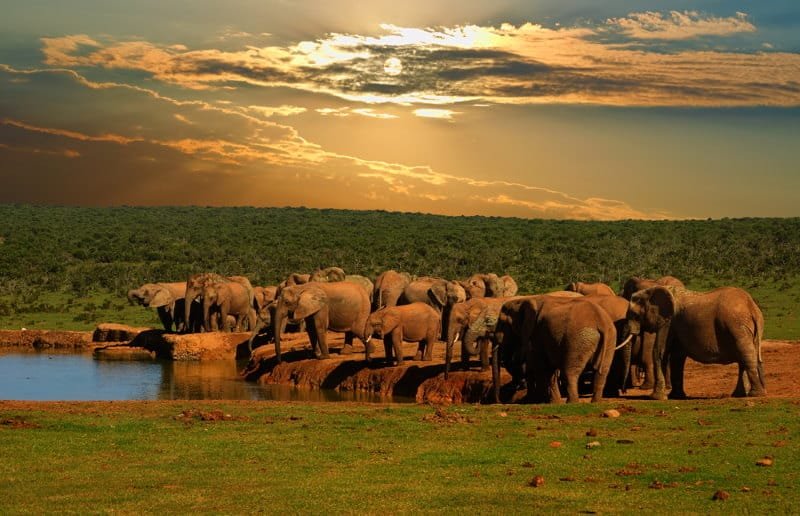
Elephant herds are led by the oldest female, the matriarch, whose memory of water holes and dangers can be the difference between life and death.
Giraffes: a tower
When standing still, a group of giraffes is a “tower”. When they walk together, they are sometimes called a “journey”.
Zebras: a dazzle
Fitting, since a group of striped zebras running together may confuse predators, making it hard to pick out a single animal.
Rhinos: a crash
A rather appropriate name for animals weighing up to two tonnes that can charge at around 50 km/h.
Hippos: a bloat
A group of hippos lounging in the water is a “bloat”, and on land sometimes a “thunder”.
Flamingos: a flamboyance
Few collective nouns fit as well as this one for these bright pink birds, which live in colonies of thousands.
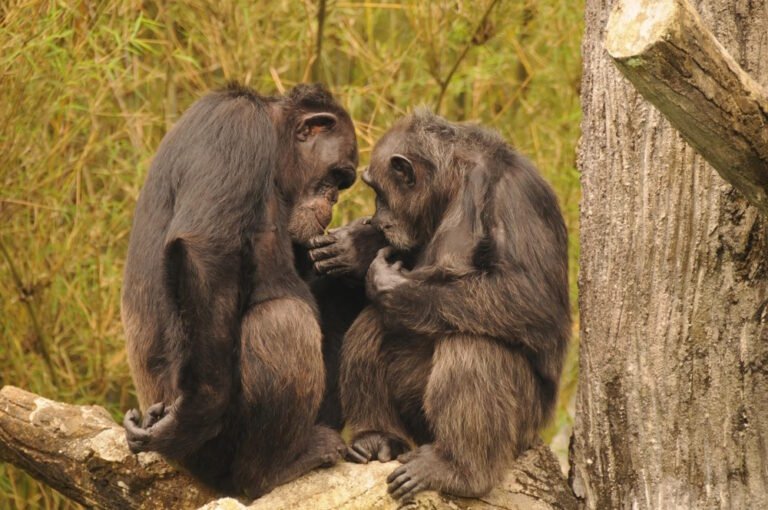
Monkeys: a troop
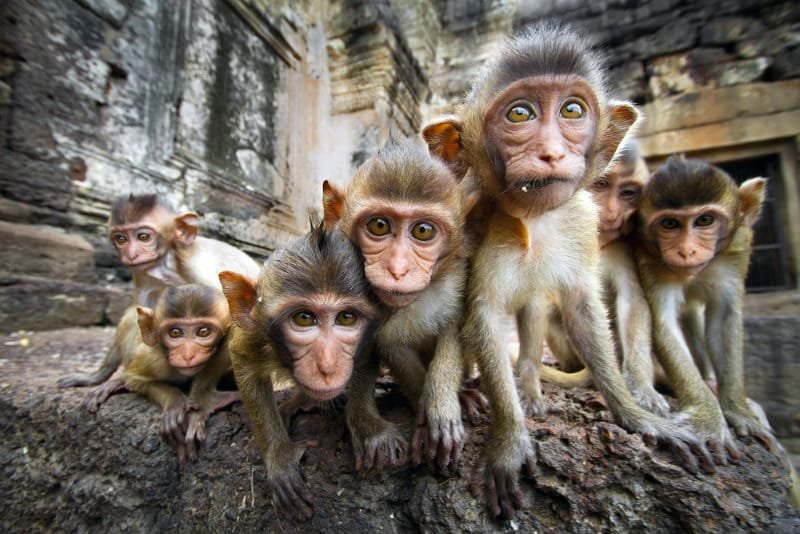
A troop of monkeys may split up during the day to look for food and get back together at night to sleep.
Fish: a school or a shoal
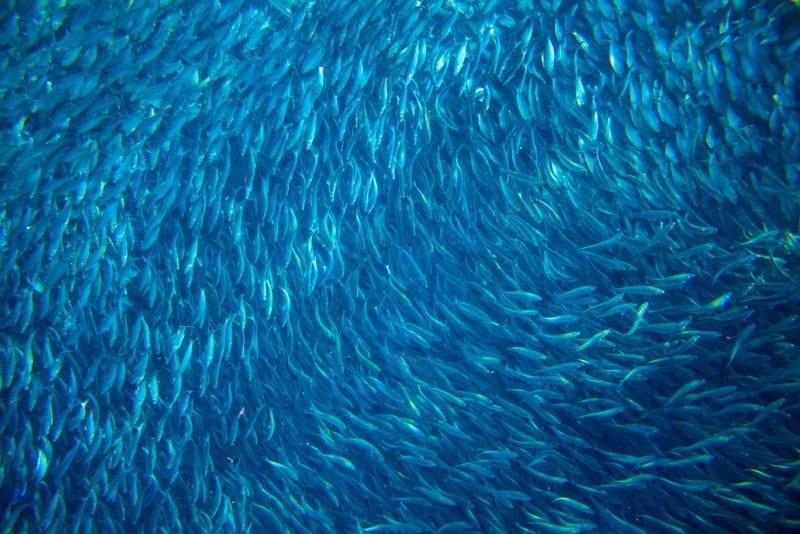
A shoal is any group of fish swimming together. A school is a shoal that swims in the same direction in a coordinated way, making it hard for predators to target one fish.
Dolphins and whales: a pod
Dolphins and whales live in pods. Killer whale pods are family groups that can stay together for life and even have their own “dialects”.
Starlings: a murmuration
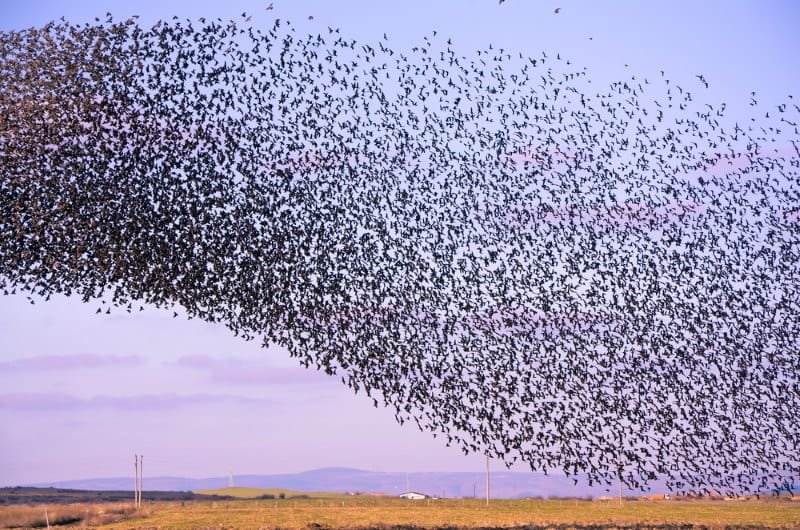
Thousands of starlings twisting and turning through the sky as if they were one animal. It is one of nature’s most beautiful sights.
Locusts: a swarm or a plague
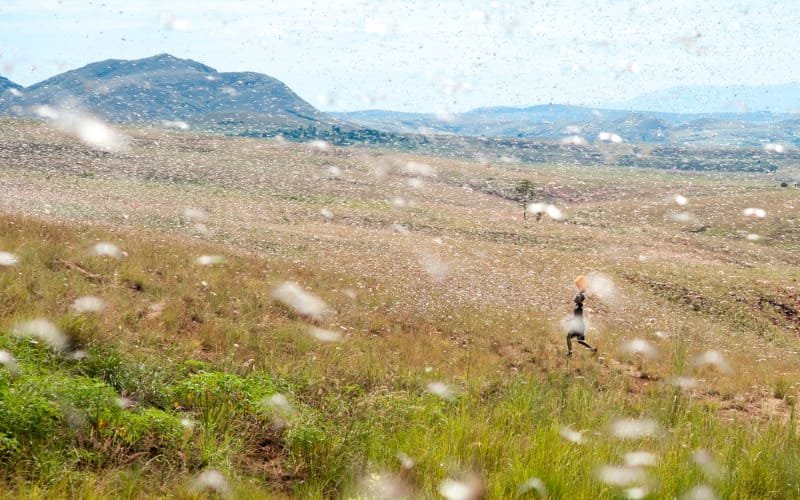
A single locust swarm can contain billions of insects and eat as much food in a day as millions of people.
Mosquitoes: a swarm or a scourge
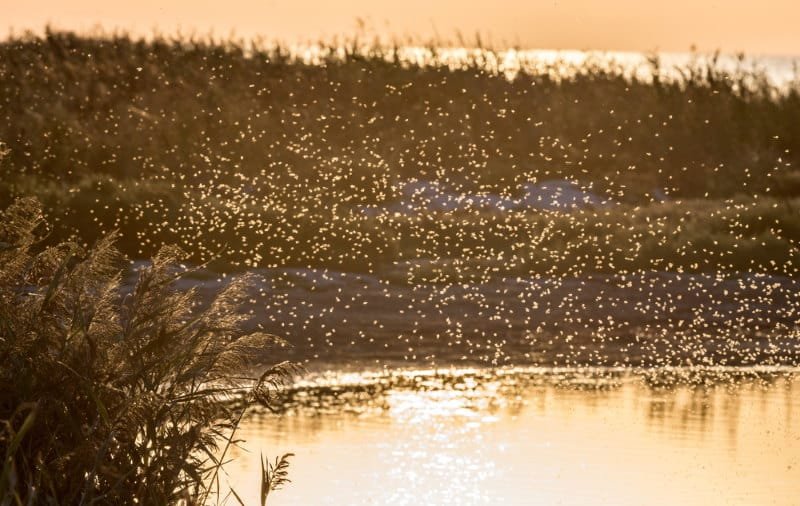
Fitting, as mosquitoes are the deadliest animals in the world for humans because of the diseases they spread.
Bees: a colony, a hive or a swarm
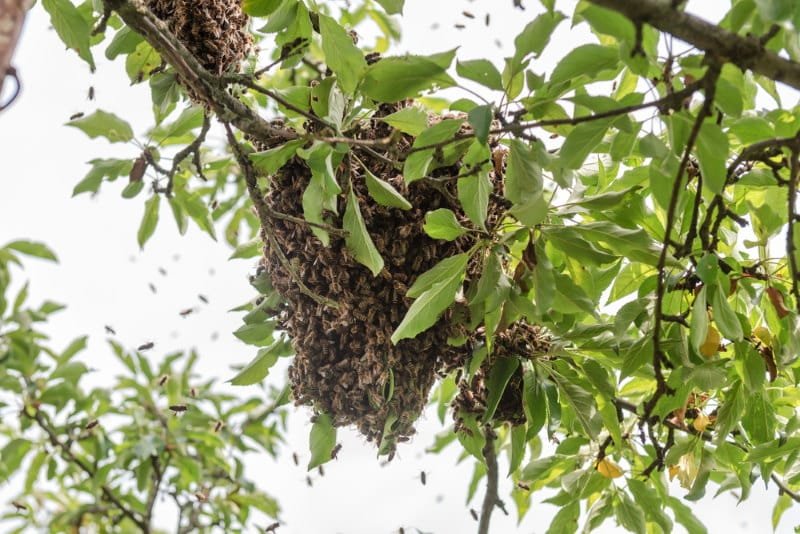
A honeybee colony consists of one queen, thousands of workers and, in summer, male drones. When an old queen leaves with part of the colony to find a new home, it is called a swarm.
Ants: a colony
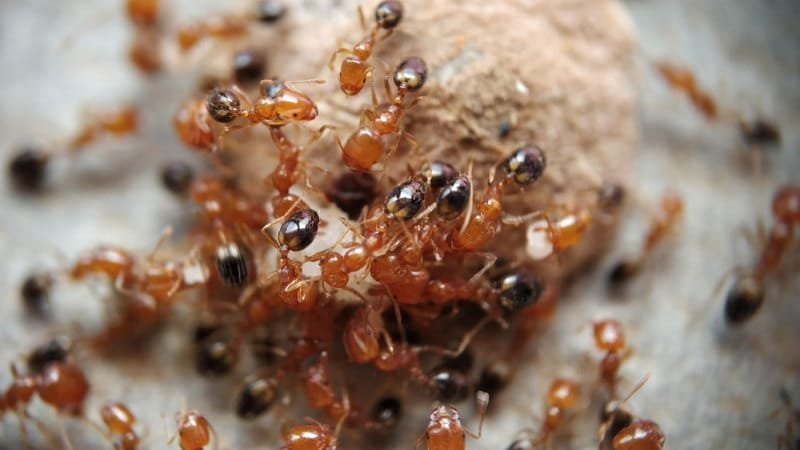
Some ant colonies are enormous. A “supercolony” of Argentine ants stretches for thousands of kilometers along the coast of southern Europe.
Bats: a colony or a cloud
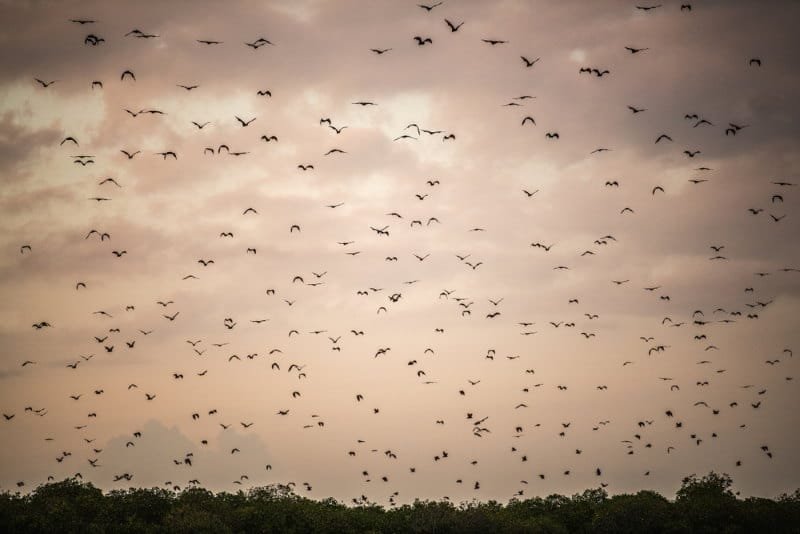
In summer, female bats gather in maternity colonies to raise their young together, in attics, hollow trees or caves.
Penguins: a colony, a waddle or a raft
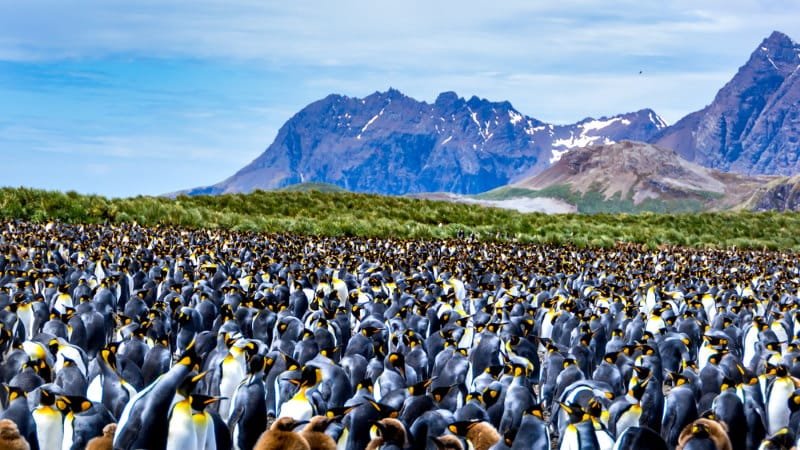
On land, a group of penguins is a colony or a “waddle”. In the water, it is a “raft”.
Rabbits: a colony or a fluffle
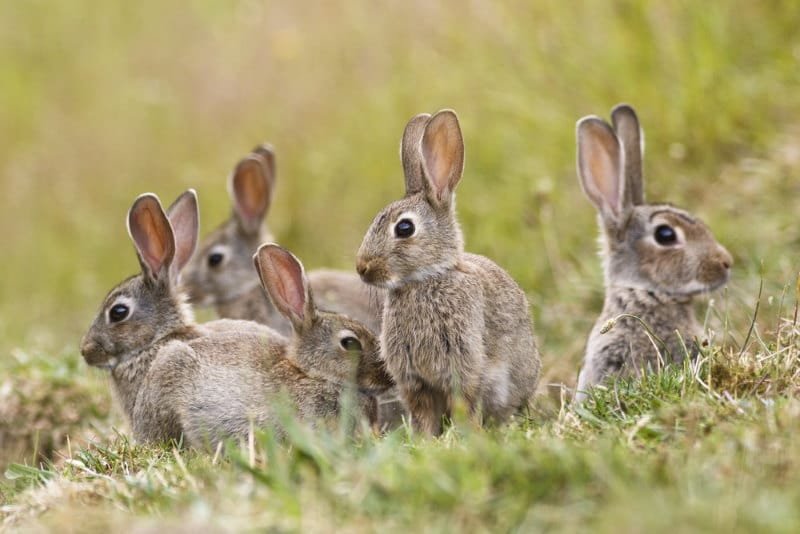
Rabbits living together in a warren are a colony. The cuter word “fluffle” is a modern invention, but it is catching on.
Wild boar: a sounder
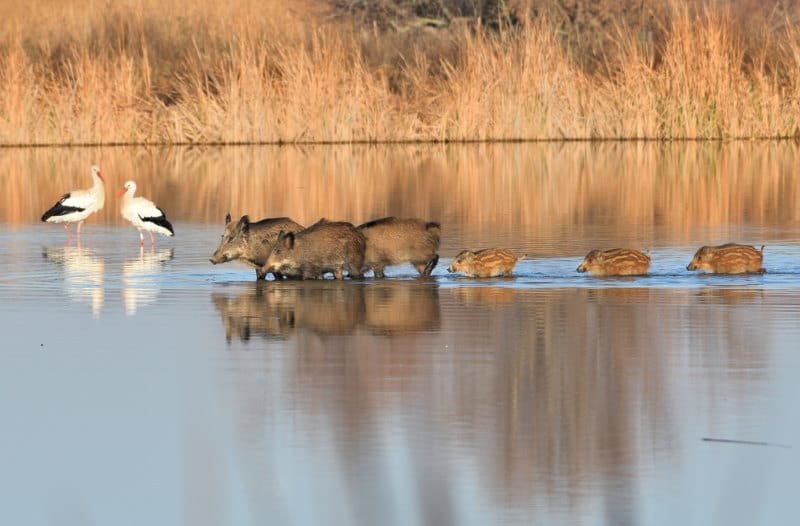
A sounder consists of females and their piglets. Adult males usually live alone.
Chickens: a flock, a brood or a peep
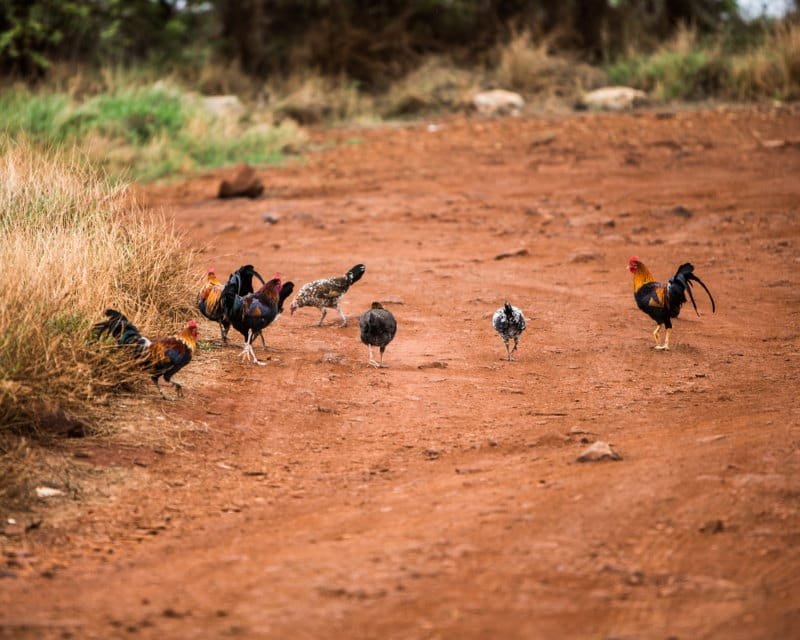
A group of chickens is a flock. A hen with her chicks is a brood, and young chicks together are sometimes called a “peep”.
Geese: a gaggle or a skein
On the ground, geese are a gaggle. When they fly in a V-shape, they are a skein, or a “wedge”.
Ducks: a raft or a paddling
Ducks floating on the water are a raft or a paddling. In flight, they are a team or a flock.
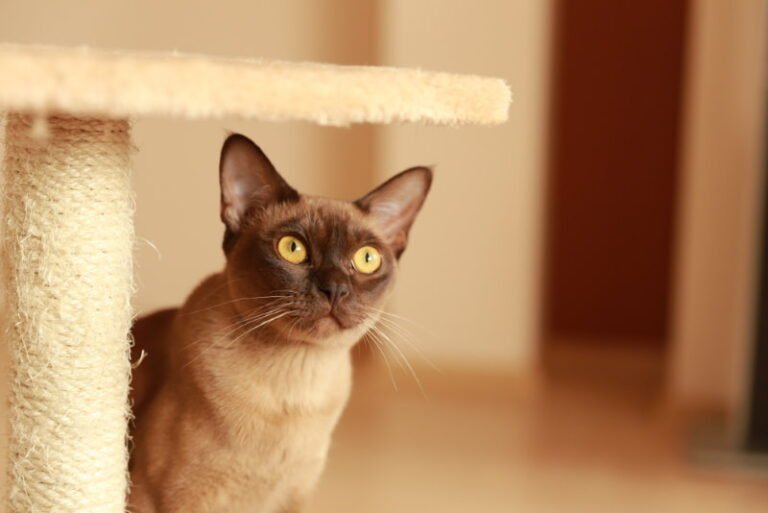
Cats: a clowder
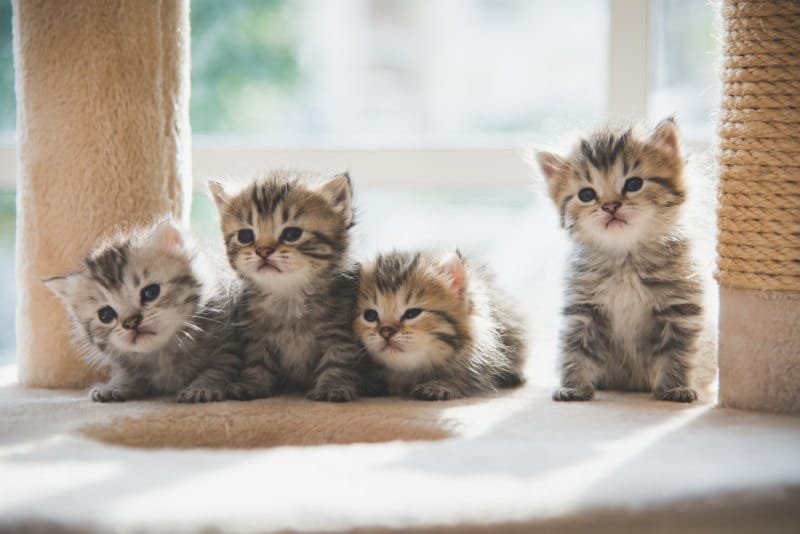
A group of adult cats is a clowder, or sometimes a “glaring”. A group of kittens is a “kindle”. Most cats live alone, but feral cats often form groups of related females around a food source.
Kangaroos: a mob
A group of kangaroos is a mob, a fitting word for an animal that likes to box.
Ferrets: a business
One of the oddest collective nouns. Nobody knows exactly why, but it may come from an older word, “busyness”, for these restless animals.
Hedgehogs: a prickle
Hedgehogs are mostly solitary, but if you ever see several together, you can call them a prickle. The same word is used for porcupines.
Hyenas: a cackle
Named after the famous “laughing” call of spotted hyenas, which is actually a sign of excitement or submission.
Jellyfish: a smack or a bloom
A large group of jellyfish is a bloom or a smack. Some blooms are so big that they clog the cooling systems of power plants.
Butterflies: a kaleidoscope
A colorful name for a colorful group. The best example is the migration of monarch butterflies, which gather in Mexico by the millions every winter.
Otters: a romp or a raft
On land, otters are a romp. Sea otters floating together in the water, sometimes holding paws, are a raft.
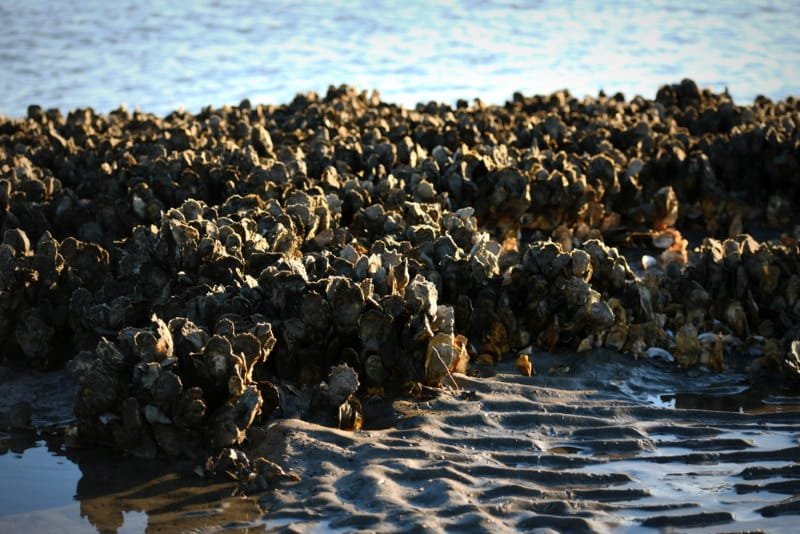
Mussels and oysters: a bed
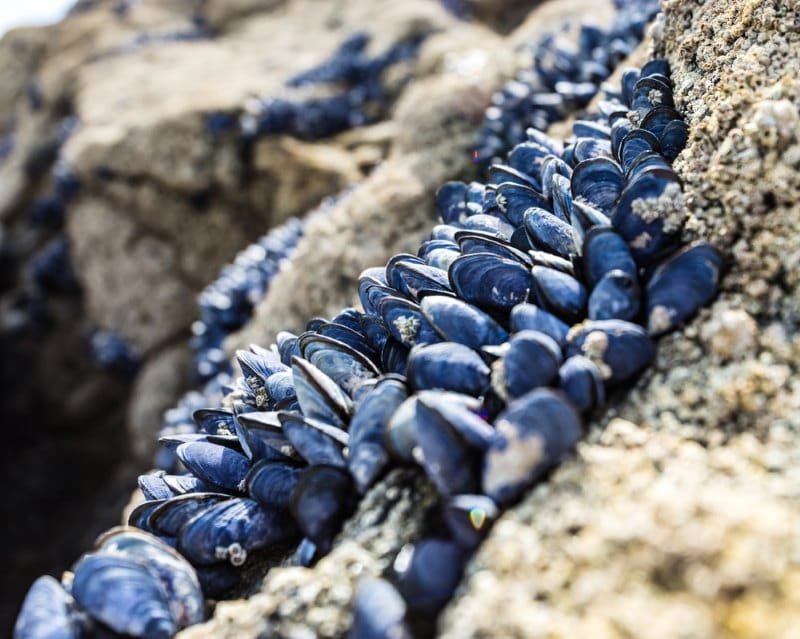
Mussels and oysters attach themselves to hard surfaces and to each other, forming beds or reefs. These are important habitats for many other animals.
Horses: a herd or a team
Horses in a field are a herd. Horses working together to pull a carriage are a team, and two oxen working together are a yoke.