Otters are playful, clever and impossibly cute. But there is much more to them than their charming faces: from tool use to the densest fur in the animal kingdom, they are full of surprises.
Here are twelve fun facts about otters.
1. There are 13 species of otter
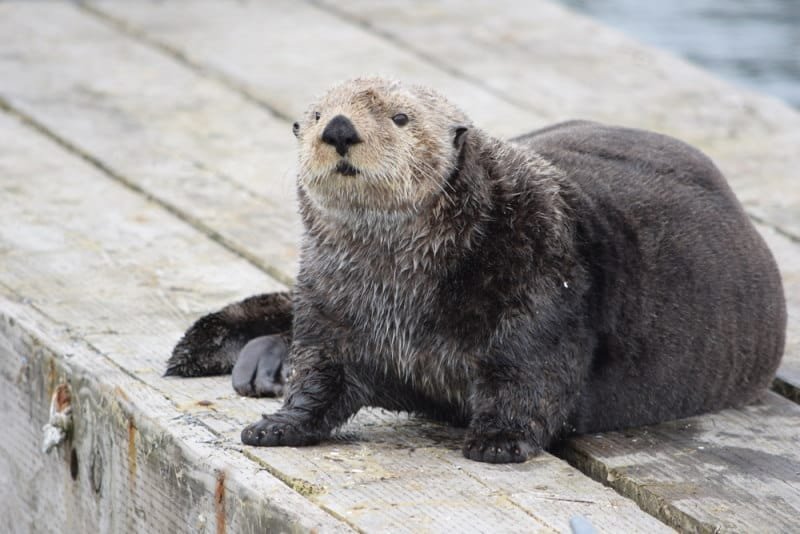
There are 13 otter species around the world, ranging from the Asian small-clawed otter, which weighs less than 5 kilos, to the giant otter of South America, which can reach about 1.8 meters and more than 30 kilos. All otters belong to the weasel family, along with badgers, martens and wolverines.
2. Sea otters have the densest fur of any animal
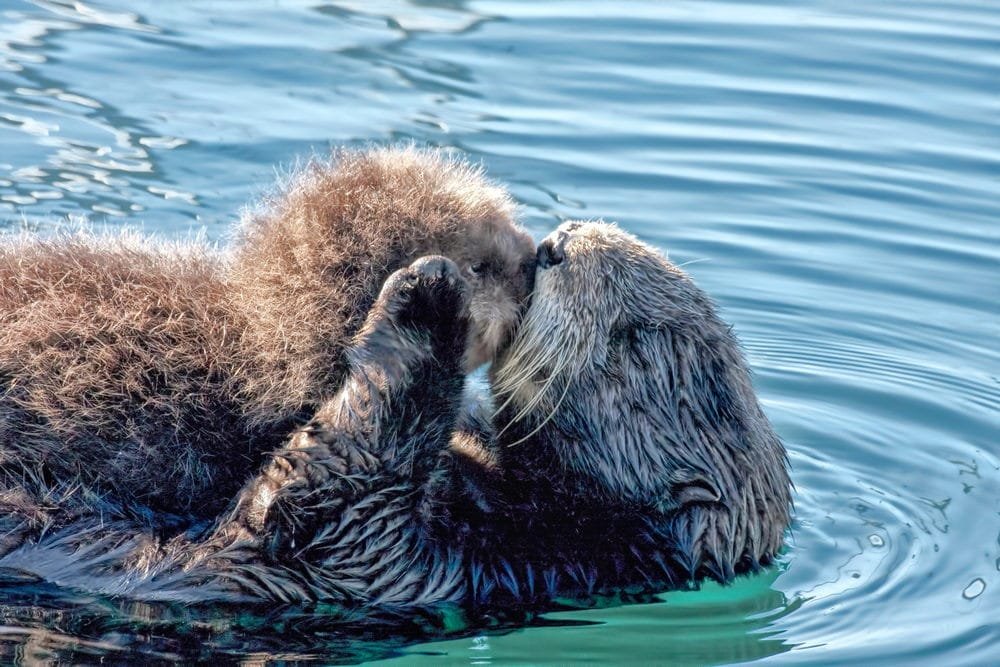
A sea otter has up to about 150,000 hairs per square centimeter, more than any other animal. Unlike seals and whales, otters have almost no blubber, so they rely entirely on their fur to stay warm. Air trapped between the hairs keeps their skin dry, even in icy water.
3. They hold hands while they sleep
Sea otters sleep floating on their backs. To avoid drifting apart, they wrap themselves in kelp or hold each other’s paws. A group of resting otters is called a raft, and some rafts contain dozens or even hundreds of otters.
4. Sea otters use stones as tools
The sea otter is one of the few mammals besides primates that uses tools. Floating on its back, it places a stone on its chest and smashes shellfish and sea urchins against it. Many sea otters have a favorite stone, which they keep in a pouch of loose skin under their armpit.
5. They eat a quarter of their body weight every day
Otters have a very fast metabolism to stay warm in cold water. A sea otter eats about 25 percent of its body weight in food every day. For a human, that would mean eating around 20 kilos of food daily.
6. Sea otters save kelp forests
Sea otters are a keystone species. They eat sea urchins, which otherwise munch through underwater kelp forests. Where otters disappeared because of hunting, urchins took over and the forests collapsed. Where otters returned, the kelp came back, along with the fish and other animals that live in it.
7. Giant otters live in family groups
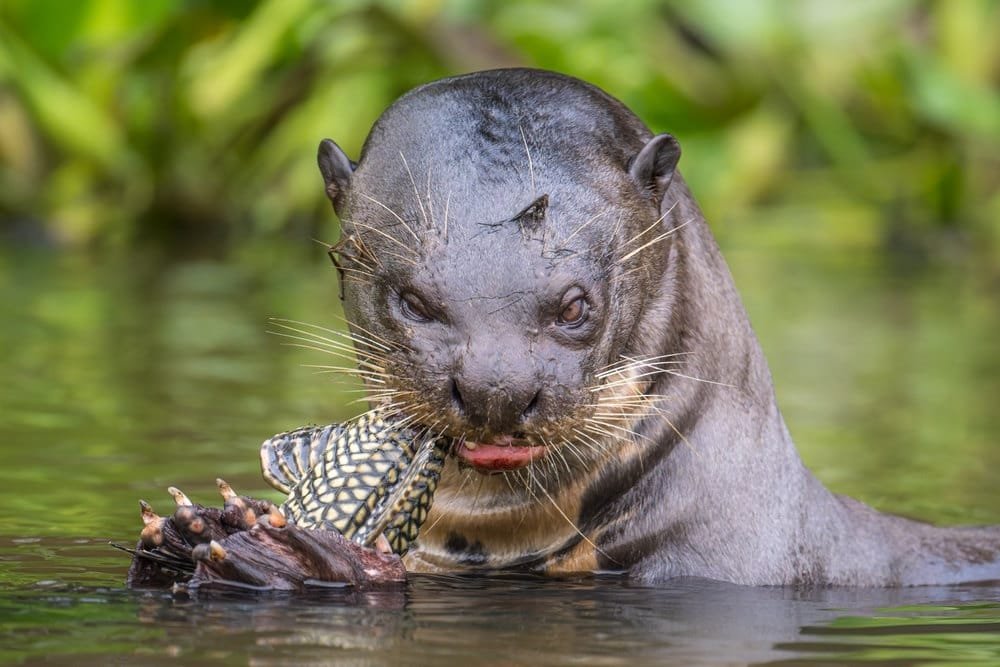
Not all otters are social. The Eurasian otter mostly lives alone, but the giant otter of South America lives in noisy family groups of up to around ten animals. Together, they can even drive off caimans and jaguars.
8. They are very vocal
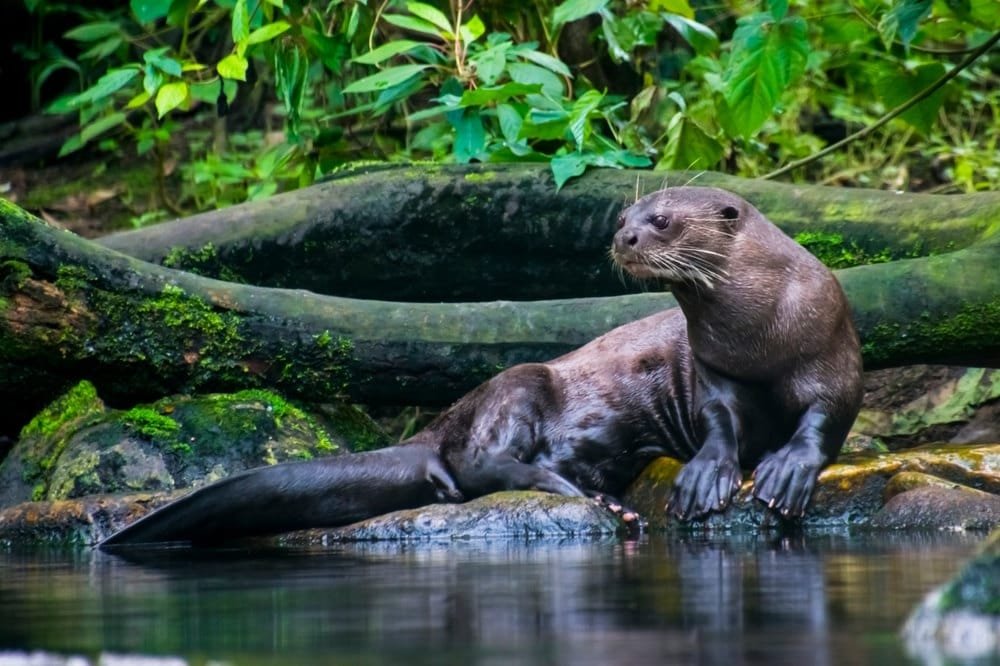
Otters communicate with a wide range of sounds, including whistles, chirps, squeaks and growls. Giant otters are especially noisy, with more than 20 different calls, earning them the nickname “river wolves”.
9. Their droppings smell like jasmine tea
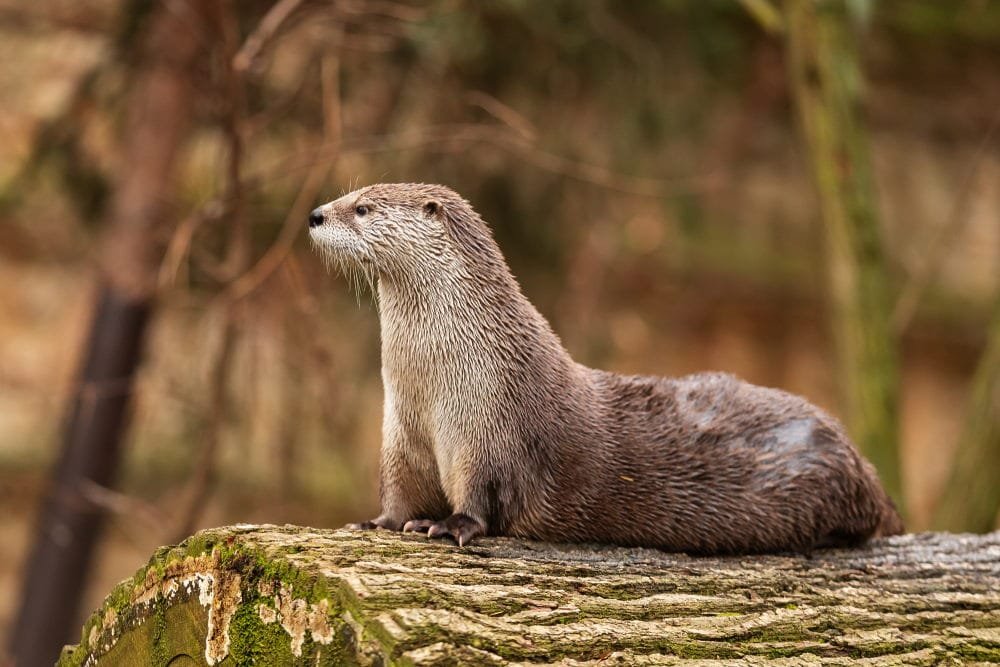
Otters mark their territory with droppings called spraints, which they leave on rocks and logs along the riverbank. Surprisingly, many otter researchers say fresh spraints have a sweet smell, often compared to jasmine tea or freshly mown hay.
10. Baby otters cannot swim at first
Otter pups are born blind and helpless. Their eyes only open after about a month, and their fluffy baby fur is so buoyant that they cannot dive. Their mother has to teach them to swim, sometimes by gently pushing them into the water.
11. They are a sign of clean water
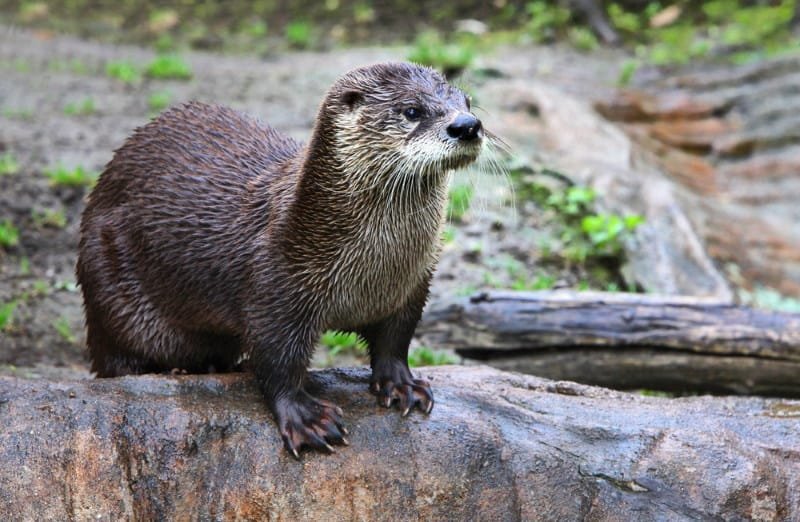
Otters need clean water with plenty of fish. In the 20th century, pollution and pesticides wiped them out across large parts of Europe. After toxic pesticides were banned and rivers were cleaned up, they made a remarkable comeback, and in some countries, such as the Netherlands, they were successfully reintroduced.
12. Sea otters almost went extinct
Because of their luxurious fur, sea otters were hunted almost to extinction in the 18th and 19th centuries. By the early 1900s, only around a thousand to two thousand were left. Thanks to protection, their numbers have since recovered to over 100,000, although some populations are still endangered.