Evolution is usually a slow process that takes thousands or millions of years. But there are exceptions. Modern science has shown that some species can adapt surprisingly fast to changes in their environment, especially changes caused by humans: hunting, pollution, cities and new predators.
These are ten fascinating examples of evolution that scientists have observed within a few decades or generations.
1. The peppered moth
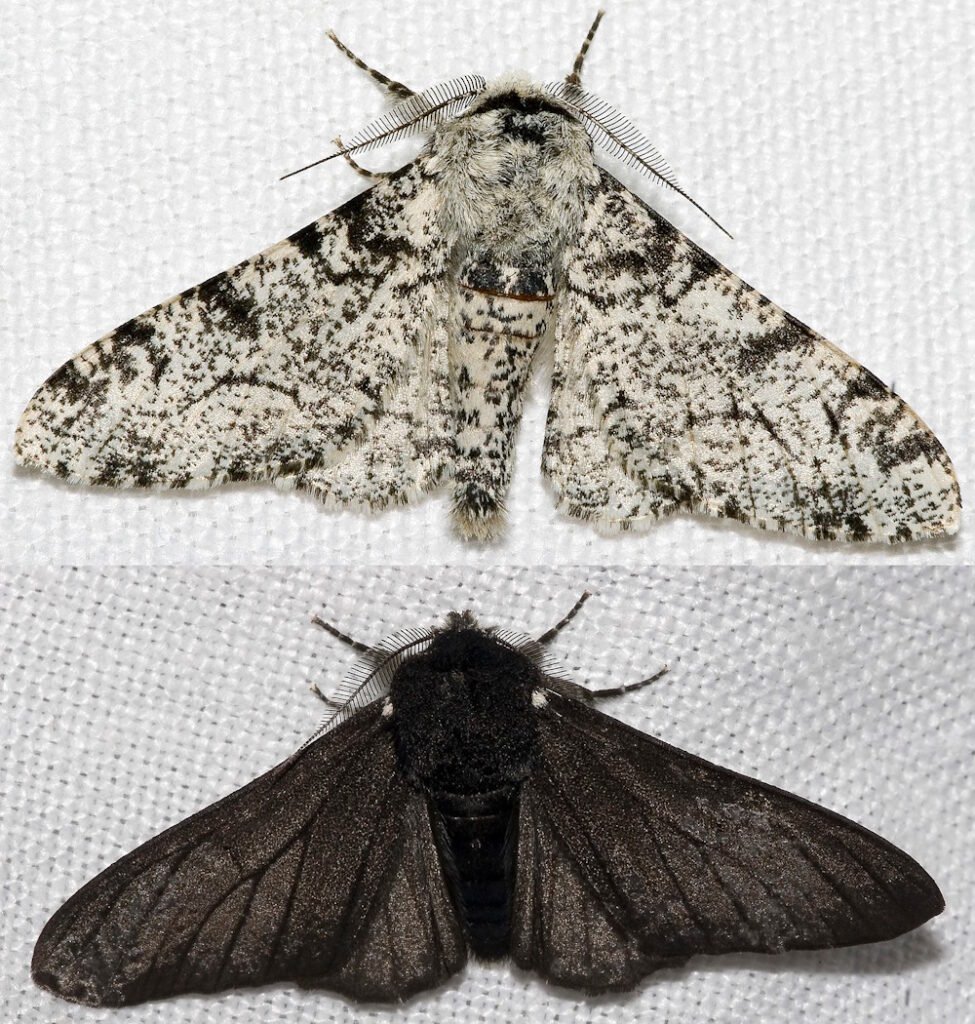
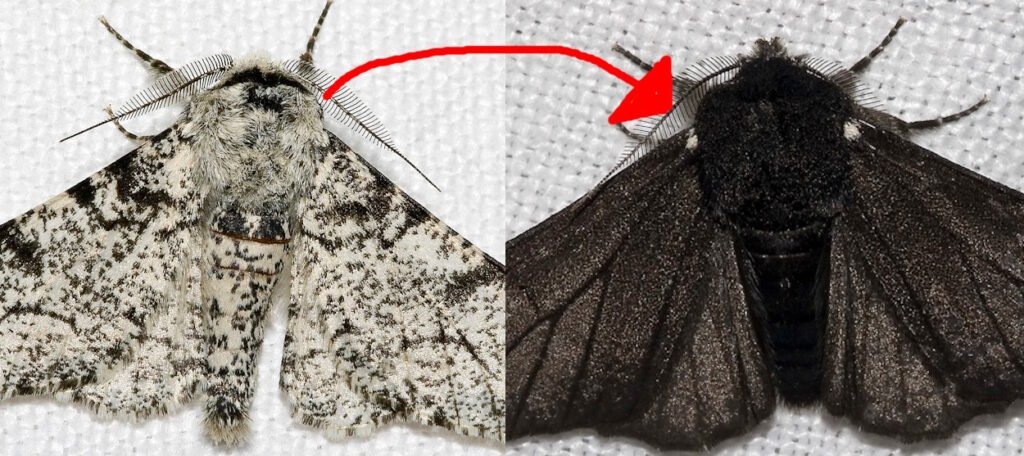
The most famous example of rapid evolution is the peppered moth in England. Before the Industrial Revolution, most of these moths were light colored, which camouflaged them against lichen-covered tree bark. When factory soot blackened the trees, light moths became easy prey for birds, and within decades the dark form became dominant around industrial cities.
When air pollution decreased in the 20th century, the reverse happened and the light moths came back. In 2016, scientists even identified the exact gene mutation behind the dark color. It remains a textbook example of natural selection in action.
2. Tuskless elephants
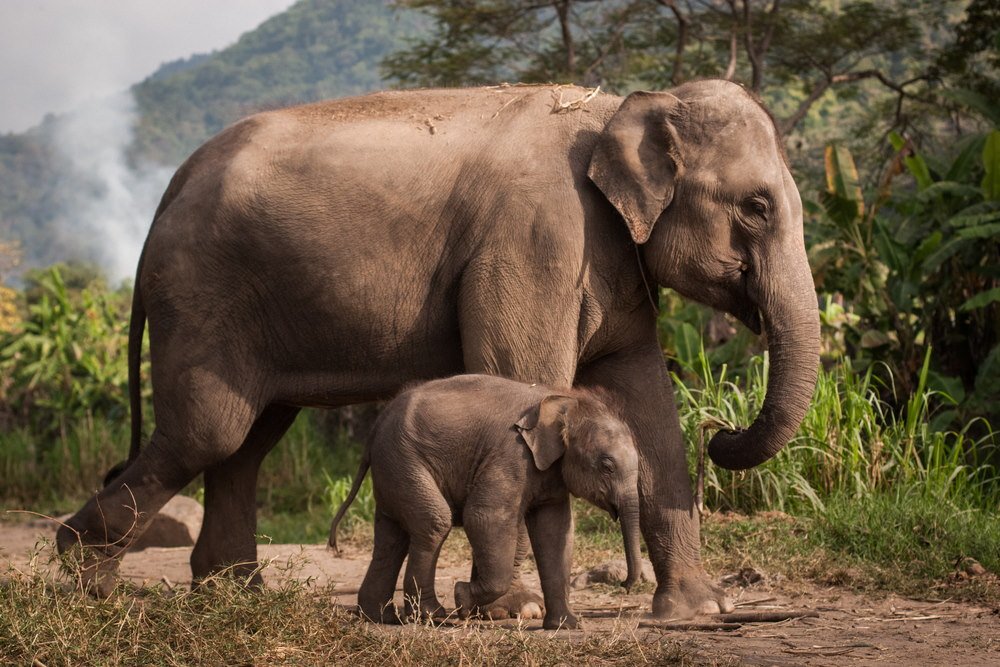
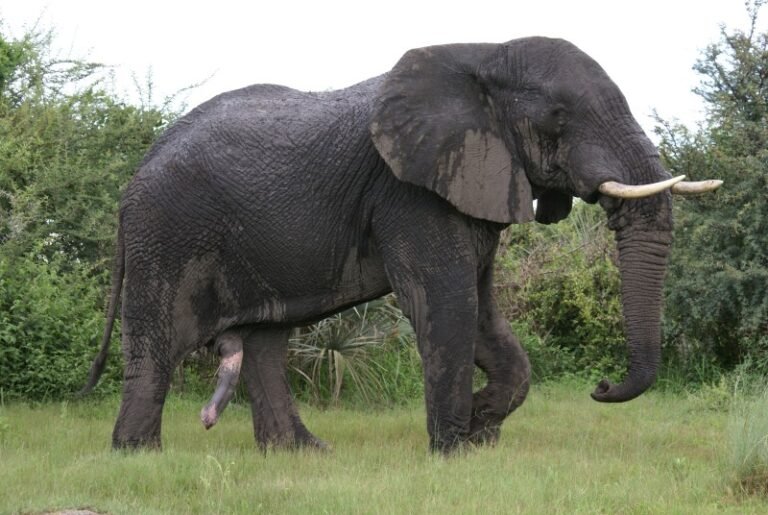
Poachers target elephants with big tusks, so elephants without tusks are more likely to survive and reproduce. This is best documented in Gorongosa National Park in Mozambique.
Before the country’s civil war, which ended in 1992, about 18 percent of the park’s female elephants were naturally tuskless. Among the females that survived the war, when ivory paid for weapons, about half had no tusks. A 2021 study found that the trait is linked to the X chromosome and appears to be fatal to male embryos, which explains why tuskless elephants are almost always female.
3. Pollution-proof killifish
The Atlantic killifish is a small fish that lives in some of the most polluted harbors on the US East Coast. Normally, the toxic industrial chemicals there would kill it, but several populations have evolved resistance.
A 2016 study found that fish from four heavily polluted estuaries could tolerate levels of toxic chemicals up to 8,000 times higher than sensitive populations. Some of these populations have only been exposed since the 1950s and 1960s. Their unusually high genetic diversity helped them adapt where other fish could not.
4. Bahamas lizards
On small islands in the Bahamas, scientists ran a real-life experiment with brown anole lizards. When a larger, ground-dwelling predatory lizard was introduced to some islands in the late 1990s, the anoles on those islands with longer legs survived better at first, because they could run away faster.
Then something remarkable happened. To escape the predator, the anoles moved up into the bushes, and there shorter legs, which give better grip on thin branches, became an advantage. Within a few generations, the population shifted direction. It showed that natural selection can even reverse itself in a short time.
5. Italian wall lizards on Pod Mrčaru
In 1971, scientists moved five pairs of Italian wall lizards to the tiny Croatian island of Pod Mrčaru. When researchers returned some 36 years later, the descendants had changed dramatically. Instead of eating mostly insects, they were eating mostly plants.
Their heads had become bigger, with a stronger bite, and they had even developed new valve-like structures in their guts, which slow down digestion so they can break down tough plant material. Changes like that were thought to take far longer.
6. City pigeons
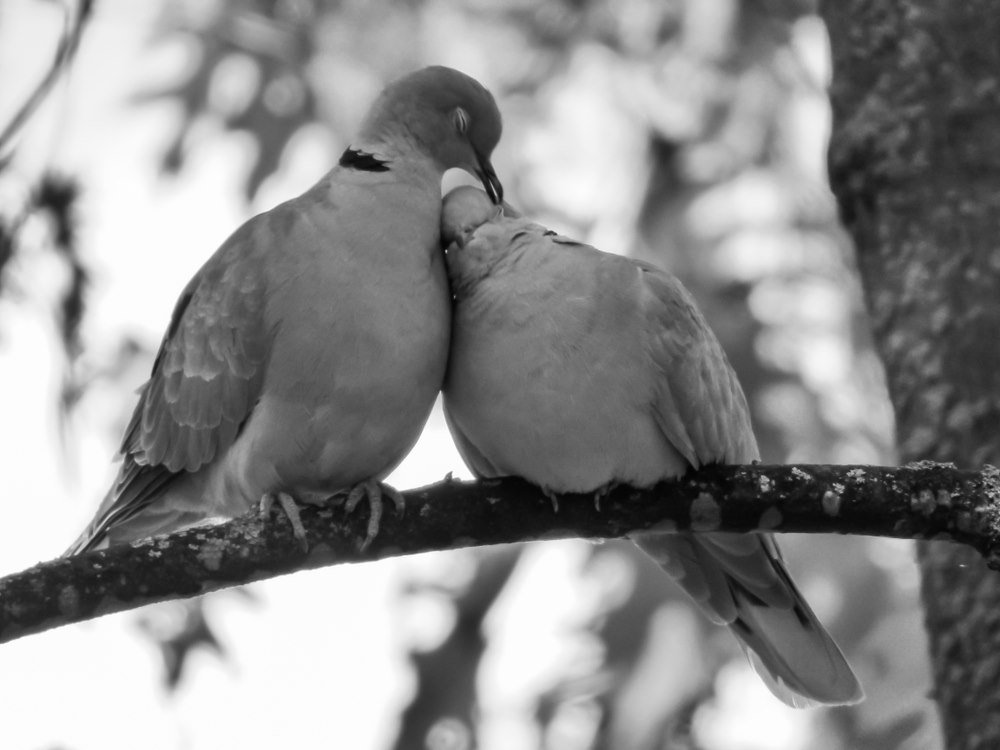
Animals living in cities face very different pressures than their relatives in the wild. Studies of pigeons in Paris found that darker-feathered pigeons store more zinc and lead in their feathers than lighter ones. Because birds get rid of these metals when they molt, darker pigeons may cope better with urban pollution.
That could help explain why dark pigeons are so common in big cities. The idea is still being researched, but it is a good example of how cities may be shaping the animals that live in them.
7. Cliff swallows with shorter wings
In Nebraska, biologists spent 30 years studying cliff swallows that nest under highway bridges. Over that time, the number of swallows killed by cars dropped sharply, and the wings of the birds got shorter.
Shorter wings allow a bird to take off more steeply and turn more quickly, which helps it dodge oncoming traffic. Birds killed on the road tended to have longer wings than the population as a whole. Scientists believe traffic itself acted as a force of natural selection.
8. Superweeds
Farmers around the world use herbicides such as glyphosate, best known from the brand Roundup, to kill weeds. But heavy use has led to “superweeds”: plants that have evolved resistance to these chemicals. Resistant weeds survive spraying, reproduce and spread quickly. In the US alone, dozens of weed species have become resistant to one or more herbicides, causing major problems for agriculture.
9. Fish that get smaller because of overfishing
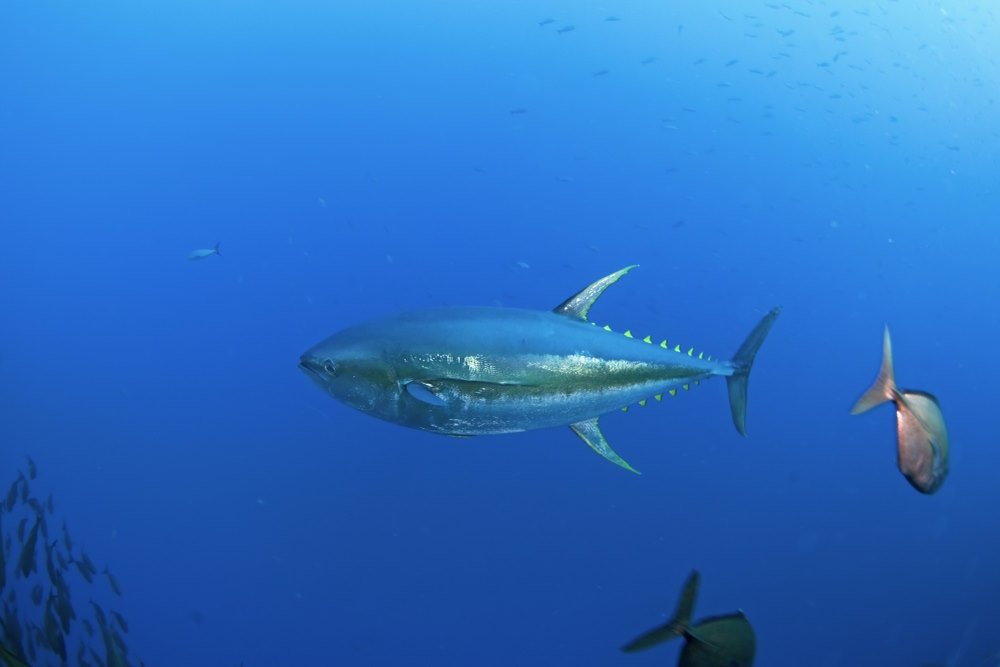
Commercial fishing targets the biggest fish, such as cod and tuna. As a result, fish that grow more slowly or mature at a smaller size have a better chance of reproducing. In many heavily fished populations, such as Atlantic cod, fish now mature younger and smaller than they used to.
This kind of change may make it harder for fish stocks to recover, even when fishing pressure is reduced.
10. Antibiotic-resistant bacteria
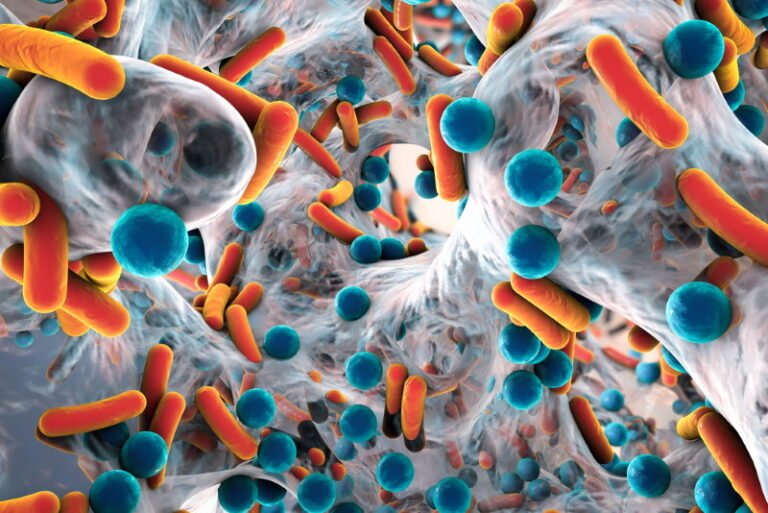
The fastest and most dangerous evolution happening today is the rise of antibiotic-resistant bacteria. Because bacteria reproduce so fast, every overuse of antibiotics gives resistant strains a chance to take over. Medicines that once killed them easily no longer work.
The World Health Organization considers antimicrobial resistance one of the biggest threats to global health. Bacteria such as MRSA and drug-resistant tuberculosis force scientists to keep developing new treatments. It is evolution in its most destructive form.
Evolution is not just something that happened in prehistoric times. We can see it all around us, from fish shrinking because of fishing nets to elephants losing their tusks because of poaching. And in many cases, we are the driving force.