In folk tales and fables, the fox is almost always the sly trickster who steals eggs and outwits everyone around him. That reputation is a little unfair: weasels, martens and birds of prey steal eggs and kill chickens just as happily, but nobody calls them cunning. The real fox is a lot more interesting than the stories suggest.
These are 15 fun facts about foxes.
1. Foxes are loners
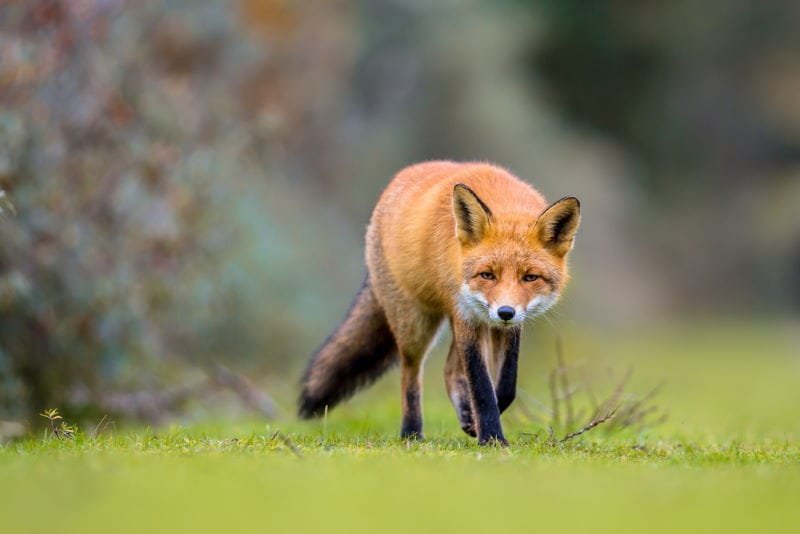
The fox belongs to the dog family, together with wolves and jackals. But while wolves live and hunt in packs, foxes usually prefer to be on their own. They hunt alone and often sleep alone. Only when there are cubs do foxes live together as a family, in a den they dig underground or take over from another animal.
2. They behave a lot like cats
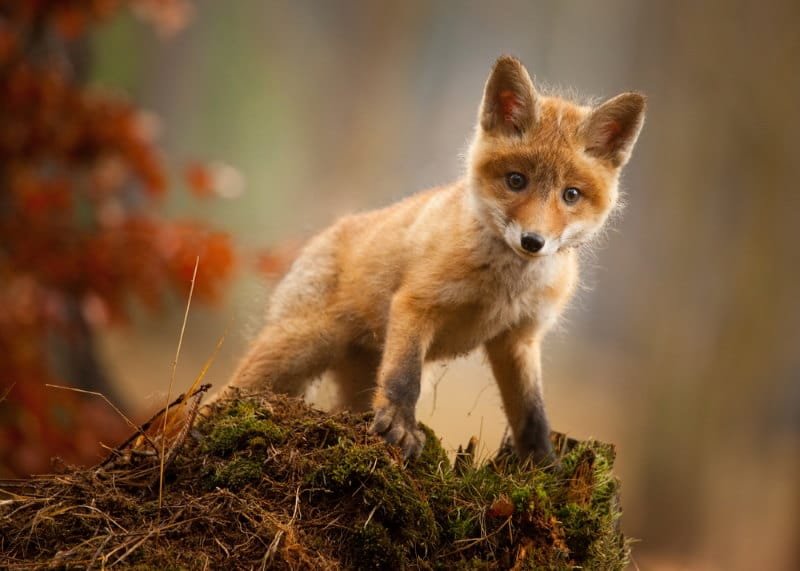
Foxes may be related to dogs, but in many ways they behave more like cats. They are most active at dusk and at night, and their vertical, slit-shaped pupils help them see well in the dark. They stalk their prey and then pounce, just like a cat. The gray fox of North America can even climb trees.
3. There are many kinds of fox
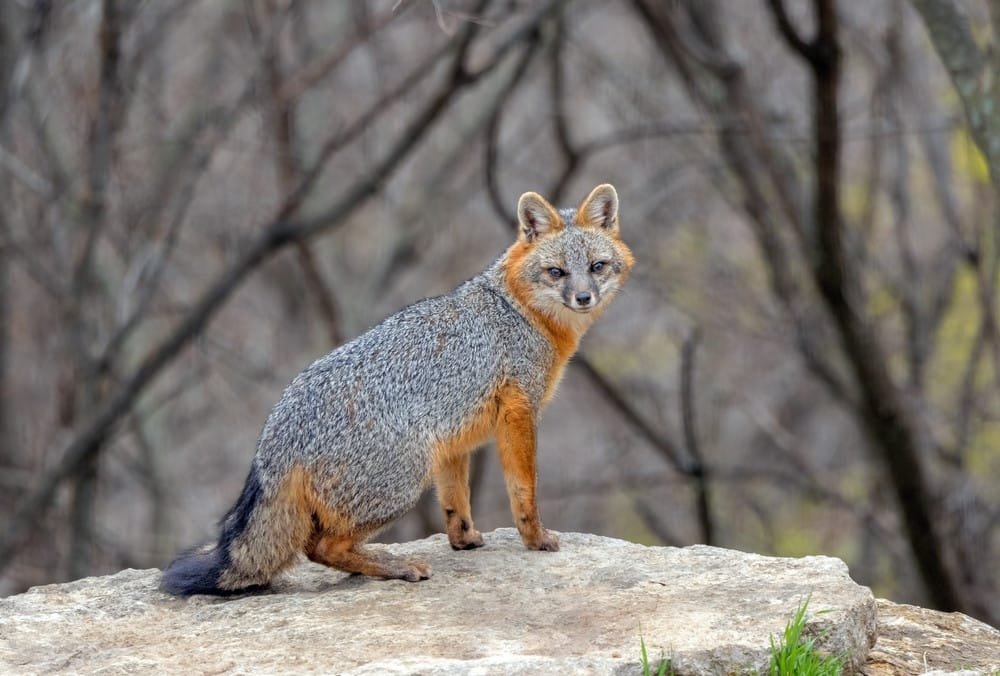
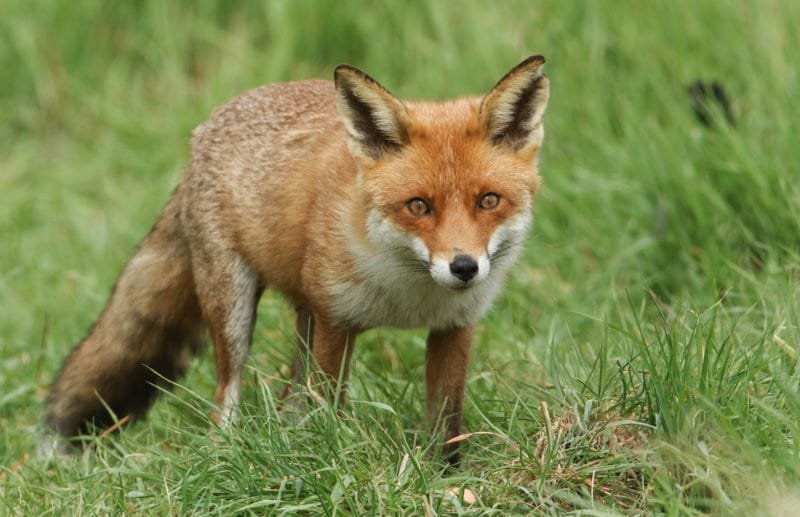
“Fox” is a common name for several species in the dog family. Most of them belong to the genus Vulpes, the so-called true foxes. The best known is the red fox, Vulpes vulpes, which is also the most widespread wild carnivore on Earth.
4. They are at home almost everywhere
Red foxes are found across the Northern Hemisphere, from the Arctic Circle to Central America and North Africa, and they were introduced to Australia in the 19th century. They feel at home in forests and fields, but also in the middle of big cities such as London. Part of their success is that they eat almost anything: mice, rabbits, birds, beetles, worms, berries and the contents of our trash cans.
5. They may use the Earth’s magnetic field to hunt
When a fox hunts mice under snow or tall grass, it leaps high into the air and dives down on its prey. A 2011 study by Czech researchers found that foxes were much more successful when they jumped in a north-easterly direction. One theory is that foxes can sense the Earth’s magnetic field and use it like a range finder to judge the distance to their prey. It is a fascinating idea, but it has not yet been proven.
6. They are devoted parents
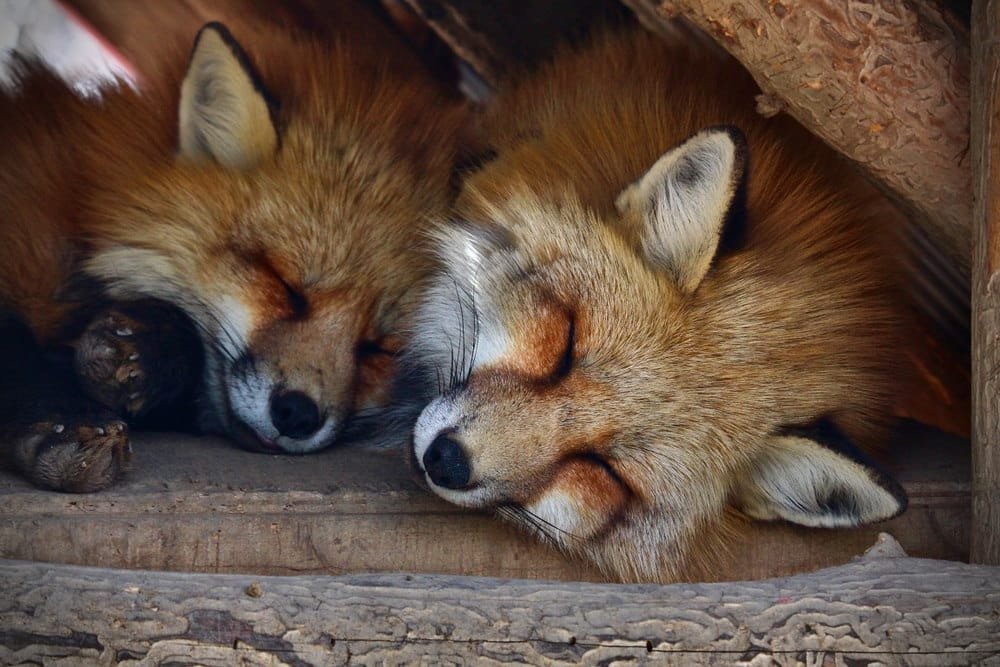
Whatever you think of foxes, they take good care of their young. The cubs are born blind, and while the mother (the vixen) stays with them, the father (the dog fox) brings food to the den. The cubs stay with their parents for about six to seven months before heading off on their own.
7. The smallest fox is the fennec
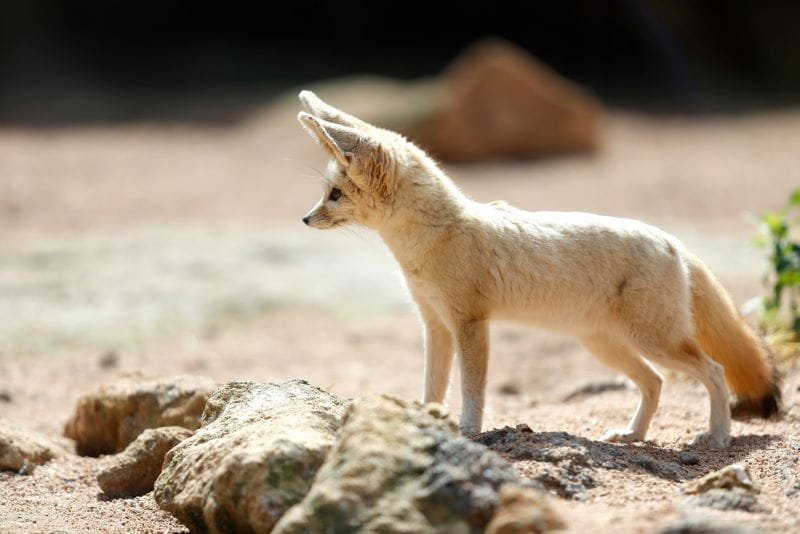
The smallest fox in the world, and the smallest member of the dog family, is the fennec fox from the Sahara. It weighs only about 1 to 1.5 kilograms, but has enormous ears for its size. Those ears help it hear prey moving underground and also release body heat in the scorching desert.
8. Foxes love to play
It does not fit their sly image, but foxes are playful animals. They play with each other, with their cubs and sometimes even with dogs and cats. Some foxes have a well-known habit of stealing golf balls from golf courses, to the amusement of some golfers and the frustration of others.
9. Scientists domesticated foxes in Russia
In 1959, Soviet geneticist Dmitry Belyaev started a famous experiment in Siberia. In each generation, he bred only the tamest silver foxes. After just a few decades, the foxes wagged their tails, sought human attention and even developed floppy ears and curly tails, like dogs. The experiment still continues today and has taught scientists a lot about how domestication works.
10. The Arctic fox changes color
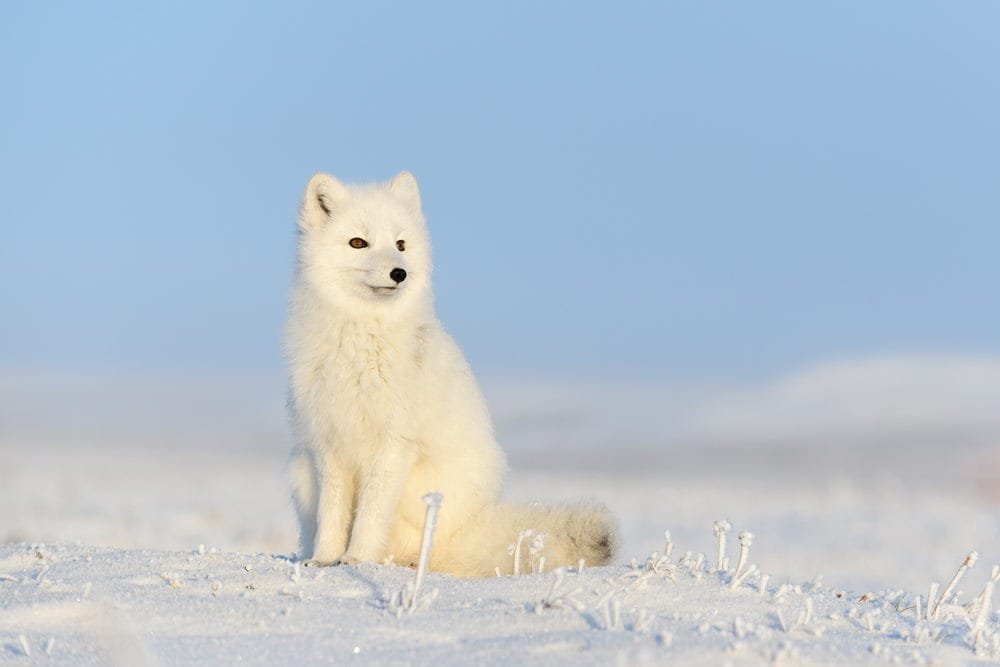
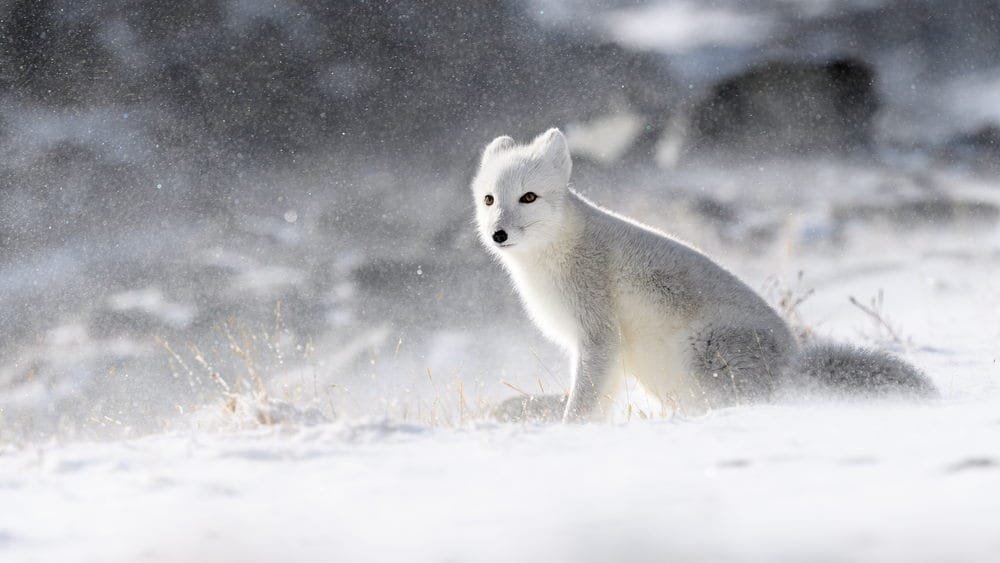
The Arctic fox is perfectly camouflaged in the snowy far north thanks to its thick white winter coat. In summer, it molts into a brown or gray coat that blends in with the rocks and tundra. Its fur is so well insulated that it can cope with temperatures far below minus 40 degrees Celsius.
11. Fox hunting with hounds is controversial
For centuries, fox hunting on horseback with packs of hounds was a favorite pastime of the English aristocracy. The sport became popular from the 16th century onwards, partly because foxes were seen as a threat to farmers’ chickens and lambs. Because of the cruelty involved, hunting foxes with dogs was banned in Scotland in 2002 and in England and Wales in 2005.
12. Foxes appear in folklore all over the world
The fox plays a leading role in countless stories, from the medieval tales of Reynard the Fox to Aesop’s fables. In Japan and China, there are legends about magical foxes with up to nine tails. And in Finland, the word for the northern lights, revontulet, means “fox fires”, after an old story about a fox whose tail sweeps up sparks into the sky.
13. The bat-eared fox lives on termites
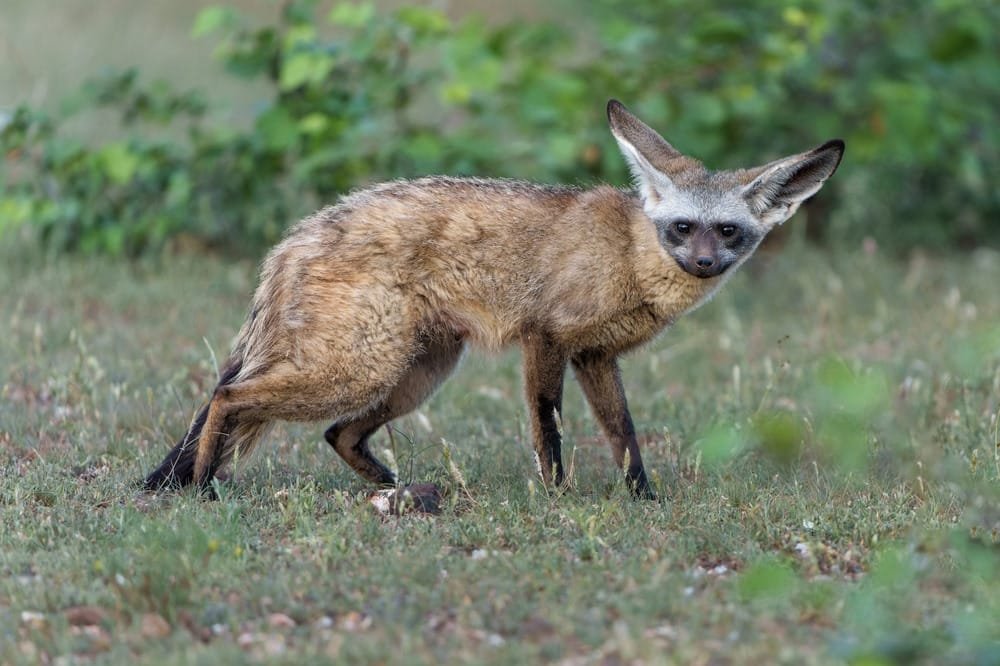
As its name suggests, the bat-eared fox of the African savanna also has huge ears. It uses its sharp hearing to find insects, and its favorite food is termites. It eats so many of them that it gets most of the water it needs from its food.
14. Darwin’s fox is one of the rarest
During his voyage on the Beagle, Charles Darwin collected a small gray fox on the Chilean island of Chiloé in 1834, which was later named after him. Darwin’s fox now lives only on Chiloé and in a few small areas on the Chilean mainland, and it is listed as endangered.
15. Foxes make dozens of different sounds
Foxes are surprisingly noisy. Researchers have described around 20 to 40 different calls, depending on how you count them. The most famous is the vixen’s eerie scream, which sounds a bit like a person screaming in the night and has frightened many people who did not know what they were hearing. Foxes also bark, yelp, whine and make a chattering sound called gekkering when they fight or play.