Scorching days, freezing nights and hardly a drop of water. Deserts are among the harshest places on Earth, yet they are full of life. The animals that live there have developed some of the most ingenious survival tricks in nature.
From a lizard that drinks with its skin to a bird that carries water in its feathers, these are ten desert animals and the clever ways they survive.
1. Thorny devil: drinks through its skin
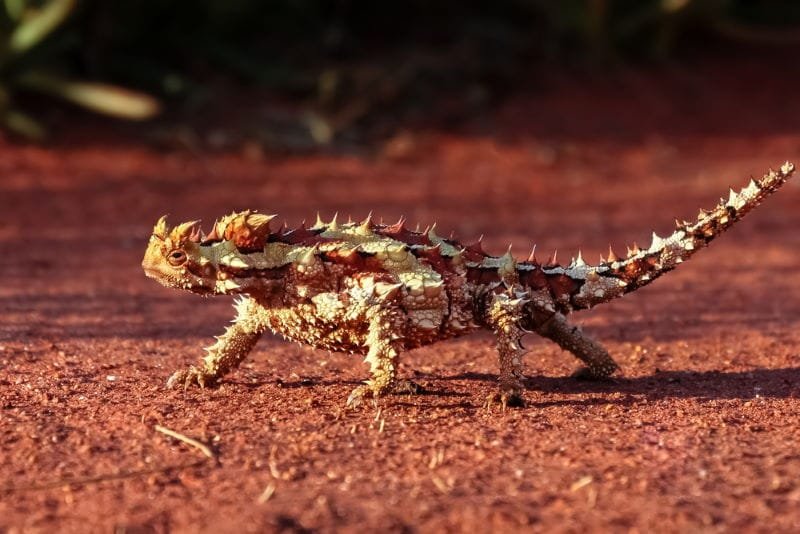
The thorny devil, a spiky lizard from the Australian outback, looks terrifying but is completely harmless and eats only ants, sometimes thousands in a single meal.
Its real superpower is its skin. Tiny grooves between its scales draw water toward its mouth like a network of drinking straws. Just by standing in damp sand or a puddle, it can drink without ever lowering its head.
2. Dromedary camel: the hump is not a water tank
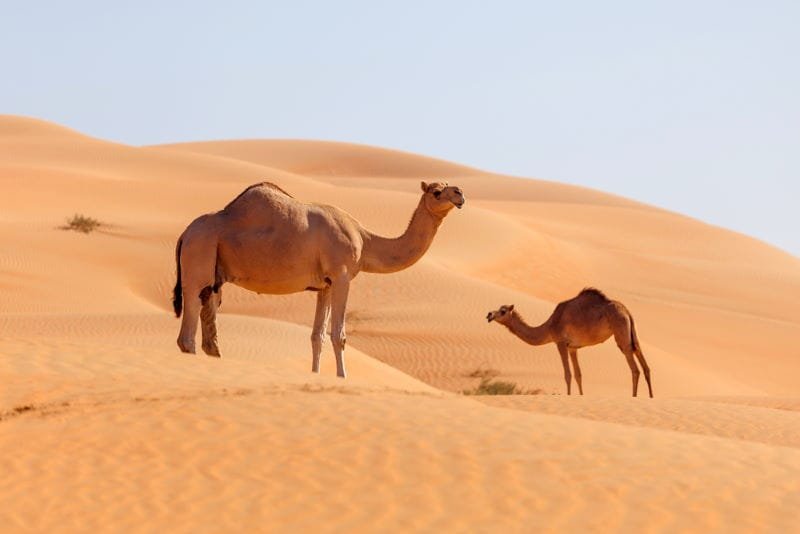
Contrary to popular belief, a camel’s hump does not store water, but fat. That fat is an energy reserve for times when food is scarce, and storing it in one place means the rest of the body can lose heat more easily.
Camels can go for days or even weeks without drinking, and then gulp down more than 100 liters in a few minutes. Long eyelashes, hairy ears and nostrils they can close keep out the sand.
3. Fennec fox: ears as air conditioning
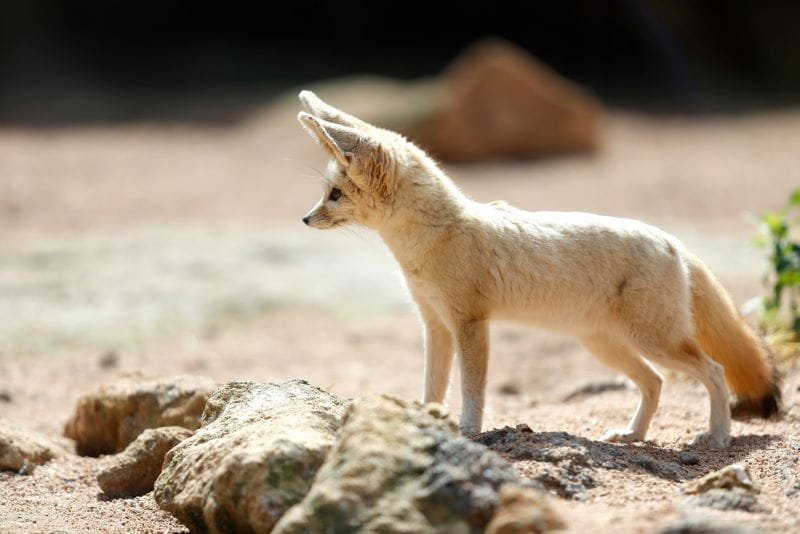
The fennec fox from the Sahara is the smallest fox in the world, but it has the largest ears relative to its body of any canid. They can be up to 15 centimeters long.
Those ears are full of blood vessels that release body heat, and they are so sensitive that a fennec can hear insects moving under the sand. Thick fur on its paws protects it from the burning ground.
4. Sidewinder: barely touches the sand
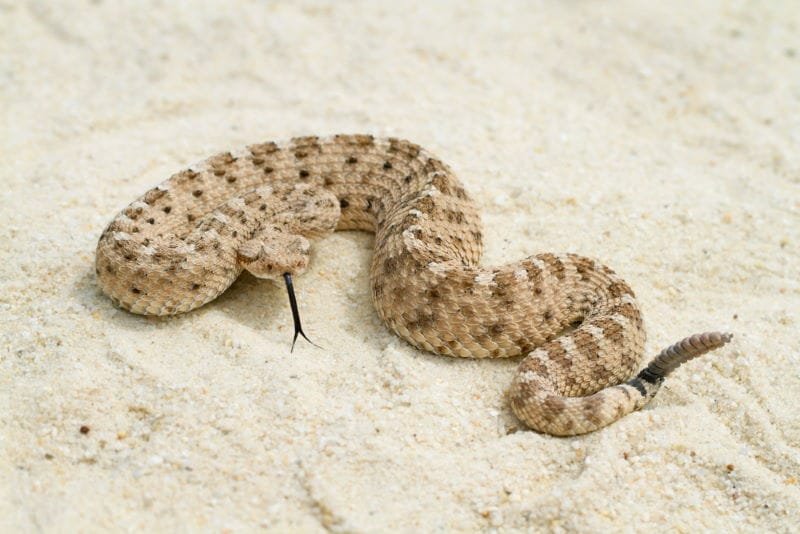
The sidewinder is a small rattlesnake from the deserts of the southwestern United States and Mexico. It moves in a unique way: it throws its body sideways in loops, so only two small parts touch the ground at any moment.
This sidewinding motion keeps the snake from sinking into loose sand and from burning itself on the hot surface. It leaves a typical trail of parallel, J-shaped tracks.
5. African bullfrog: waits underground for rain
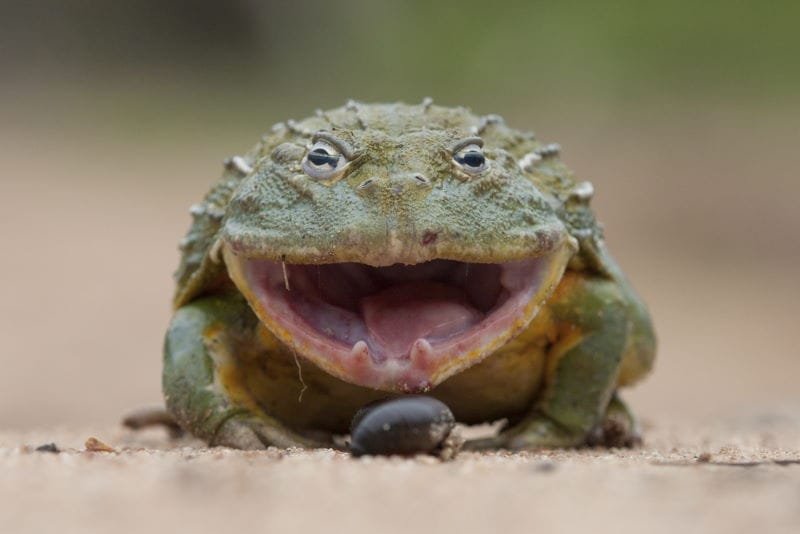
The African bullfrog is one of the largest frogs in the world, and males can weigh more than a kilogram. When the dry season comes, it digs itself into the ground and wraps itself in a cocoon of shed skin that keeps it from drying out.
It can wait like this for many months, until the rain returns. Then it digs itself out, and the males fiercely guard their tadpoles, even attacking animals much bigger than themselves.
6. Sandgrouse: carries water in its feathers
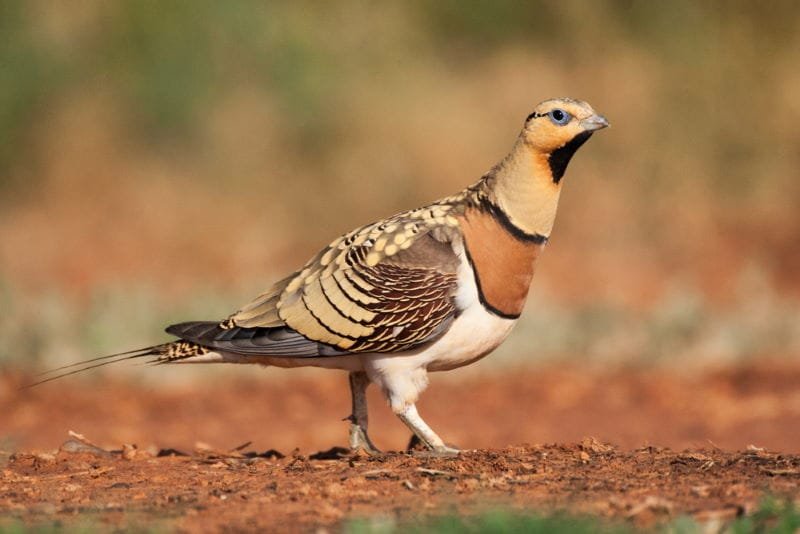
Sandgrouse live in the deserts of Africa and Asia and often nest far from any water. To give their chicks a drink, the males have an amazing trick.
Their belly feathers can soak up water like a sponge. A male flies to a water hole, sometimes dozens of kilometers away, soaks his feathers and flies back. The chicks then drink straight from his belly.
7. Namib desert beetle: harvests fog
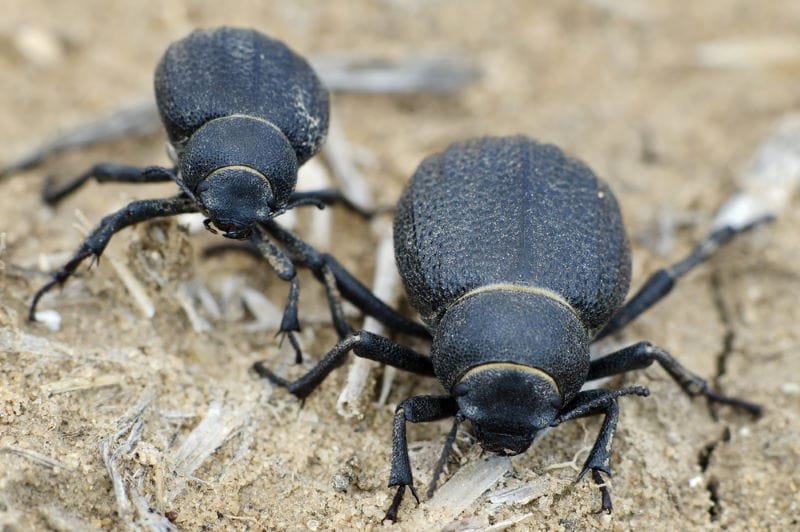
The Namib Desert, along the coast of Namibia, gets almost no rain. But on many mornings, fog rolls in from the Atlantic Ocean, and some beetles there have learned to use it.
They stand on top of a dune with their back to the wind and their head down. Droplets of fog collect on their bumpy back and roll down straight into their mouth. Engineers have studied the beetle to design better water-collecting materials.
8. Gila monster: inspired a modern medicine
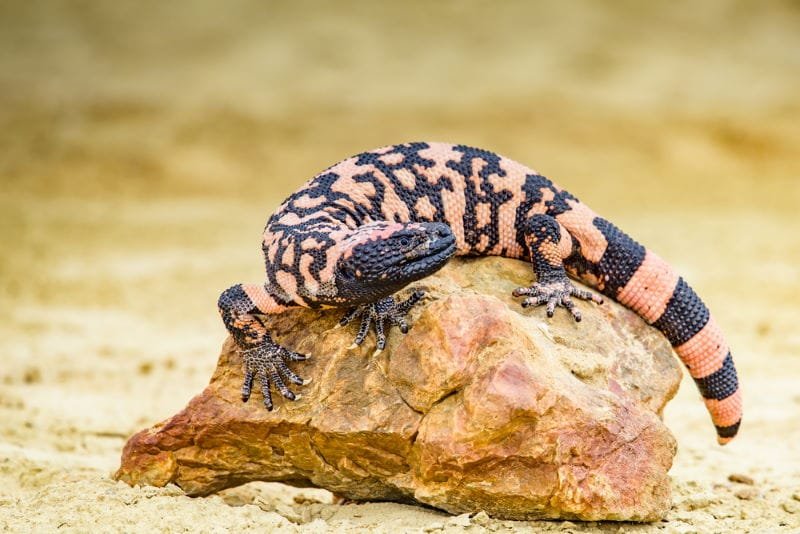
The Gila monster, from the southwestern United States and Mexico, is one of the few venomous lizards in the world. It spends most of its life underground and can survive months without food, thanks to fat stored in its thick tail.
A hormone discovered in its saliva helped scientists develop exenatide, a diabetes drug, and paved the way for the modern weight-loss and diabetes medicines that work in a similar way.
9. Cape ground squirrel: brings its own umbrella
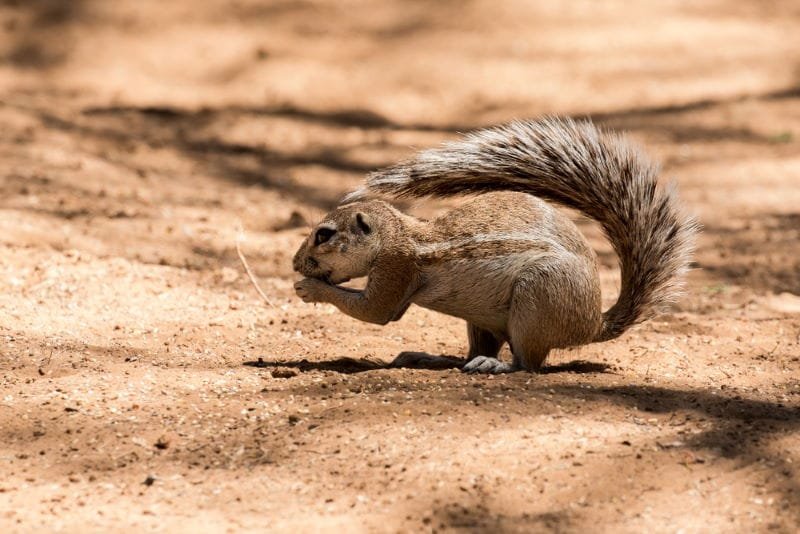
The Cape ground squirrel lives in the dry regions of southern Africa, where temperatures can climb above 40 degrees Celsius.
Its solution is simple and brilliant: it raises its big bushy tail over its head and uses it as a parasol. That way, it can keep foraging in the sun for longer, without overheating.
10. Addax: hardly ever drinks
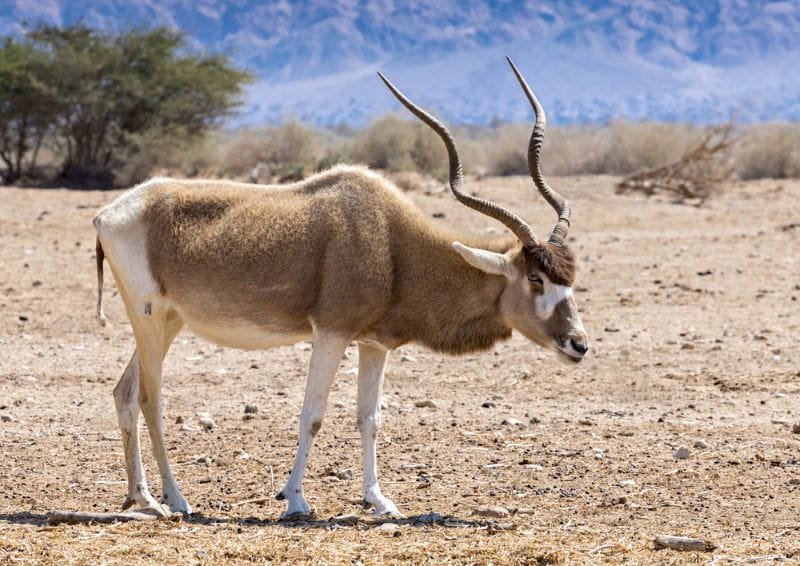
The addax, a white antelope with long twisted horns, is perhaps the mammal best adapted to the Sahara. It gets almost all the moisture it needs from the plants it eats, and can go without drinking for very long periods.
Its coat changes with the seasons: almost white in summer to reflect the sun, and grayish-brown in winter to absorb heat. Sadly, hunting has made it one of the rarest antelopes in the world, with fewer than 100 thought to survive in the wild.