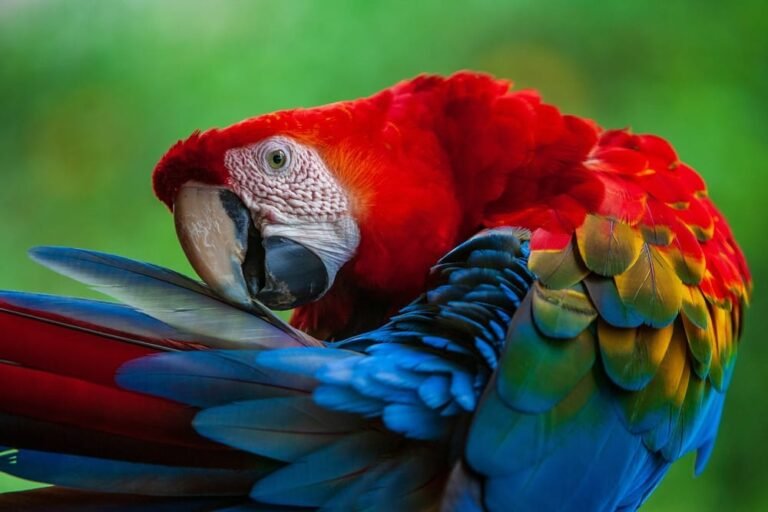
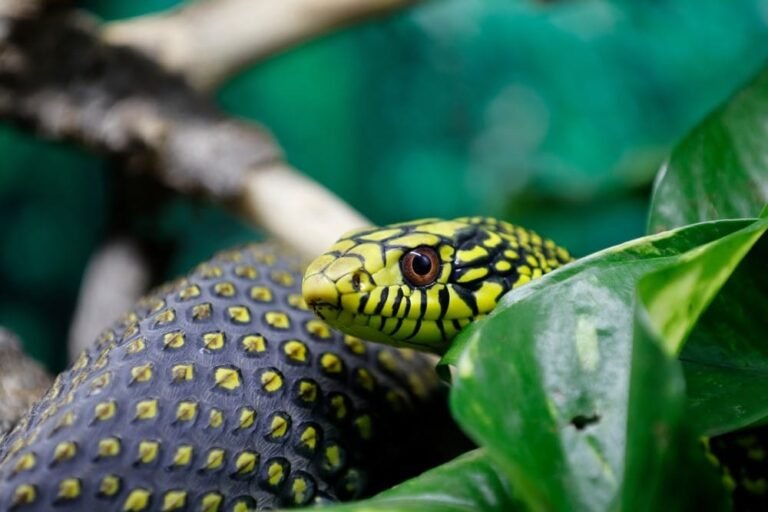
Calm, chubby and friends with everyone: the capybara has become one of the most popular animals on the internet. Photos of birds, monkeys and even crocodiles sitting next to an unbothered capybara have made it a symbol of total relaxation.
But there is a lot more to this South American giant. Here are ten facts about the capybara, the largest rodent in the world.
1. It is the largest rodent on Earth
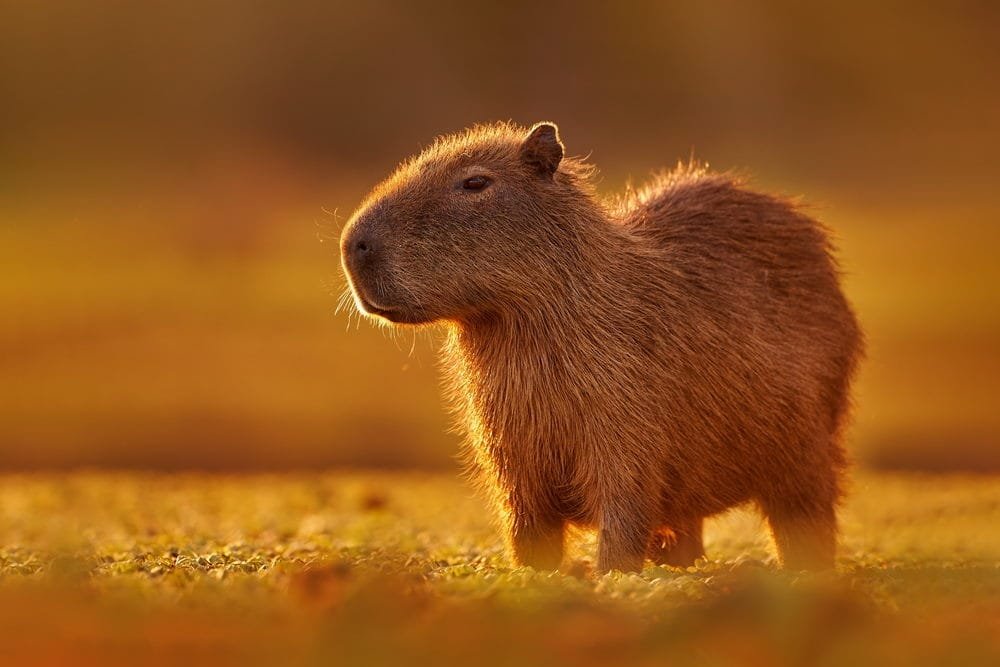
Capybaras can grow up to about 1.3 meters long and usually weigh between 35 and 66 kilograms, with females slightly bigger than males. They look a bit like an oversized guinea pig, which is no coincidence, since they are close relatives.
Millions of years ago, there were even bigger rodents. Josephoartigasia monesi, which lived in South America about 2 to 4 million years ago, may have weighed around half a tonne.
2. It lives all over South America
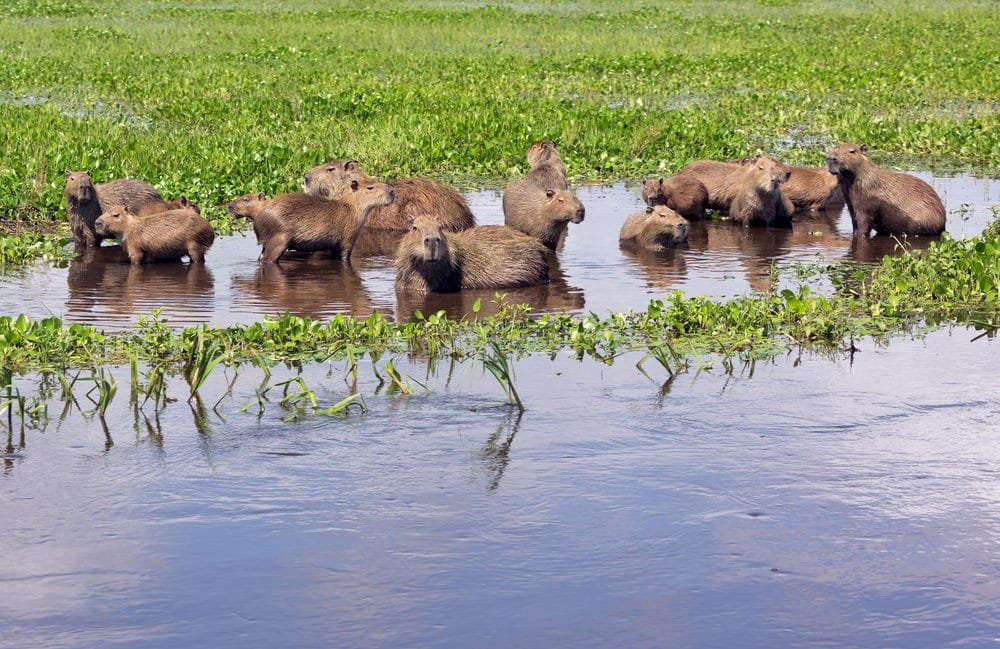
Capybaras live in most of South America east of the Andes, from Venezuela and Colombia down to northern Argentina. Wetlands such as the Pantanal in Brazil and the llanos of Venezuela are home to huge numbers.
They always stay close to water, such as rivers, lakes and marshes, and in some Brazilian cities they have become a common sight in parks.
3. It is an excellent swimmer
Its scientific name, Hydrochoerus hydrochaeris, means “water pig”. Capybaras have slightly webbed feet and can stay underwater for up to five minutes to escape predators.
Their eyes, ears and nostrils sit high on the head, like a hippo’s, so they can stay almost completely submerged while still keeping watch.
4. Baby capybaras are ready to go almost immediately
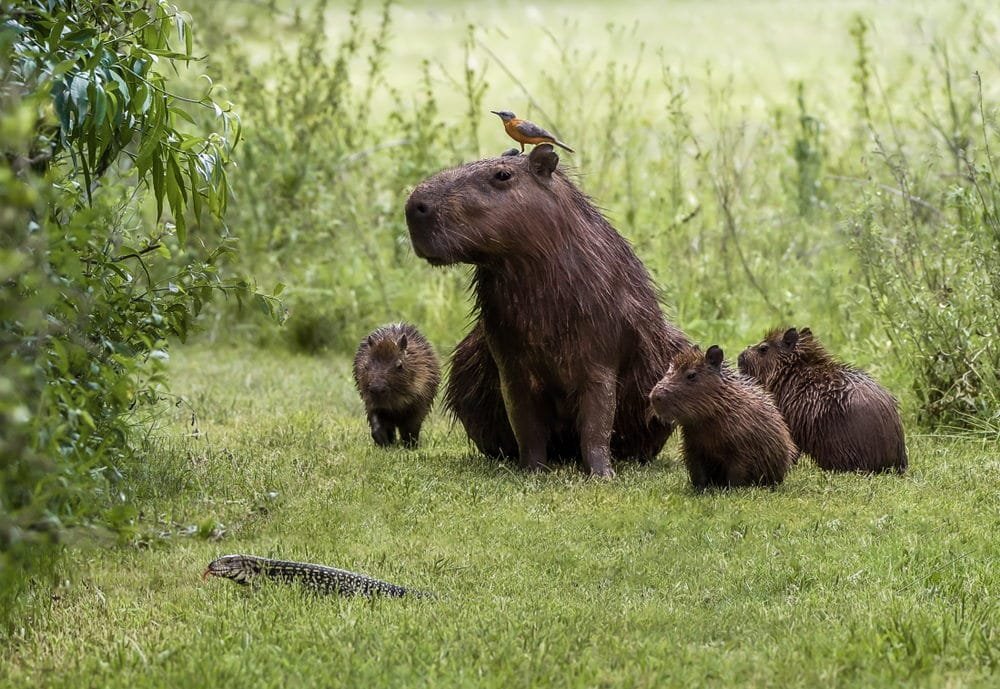
After a pregnancy of about five months, a female gives birth to an average of four pups. They are born with fur and open eyes, and within hours they can walk, swim and even nibble on grass.
In a group, the young are often cared for by several females, which may even nurse each other’s pups.
5. It eats its own poop
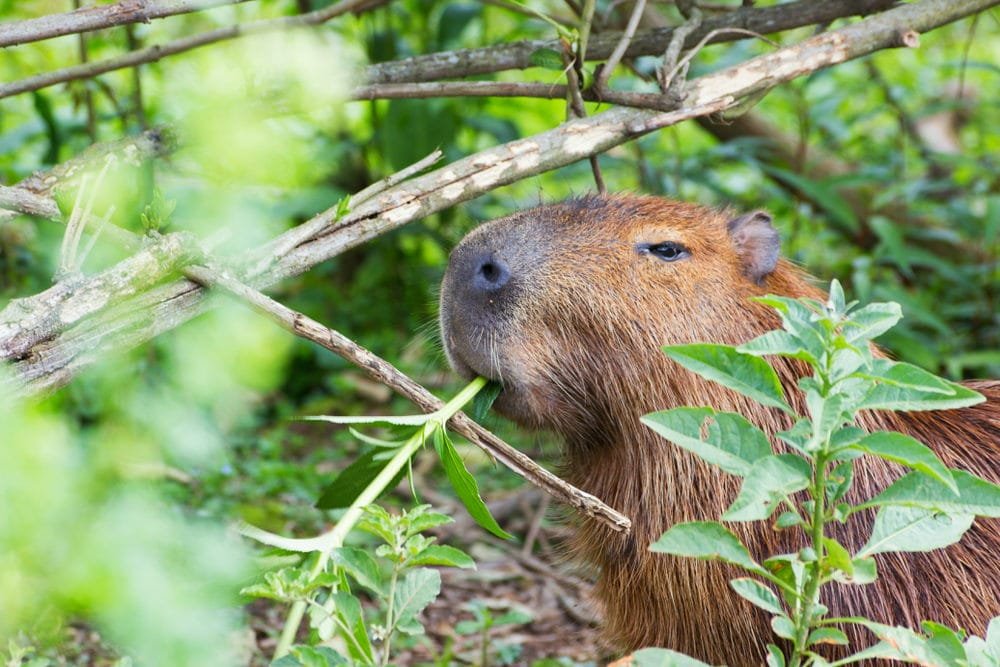
Capybaras are herbivores that mainly eat grasses and water plants. Grass is hard to digest, so they have a clever but rather unappetizing solution.
In the morning, they eat their own soft droppings, which are full of nutrients and helpful gut bacteria. This way, the food passes through their digestive system twice, and they get the most out of every blade of grass. Rabbits do the same.
6. Its teeth never stop growing
Like all rodents, capybaras have front teeth that keep growing throughout their lives. Constant chewing on tough grasses keeps them at the right length.
Their cheek teeth also grow continuously, which is unusual even among rodents and helps them cope with a diet that wears teeth down fast.
7. Everyone wants to sit on a capybara
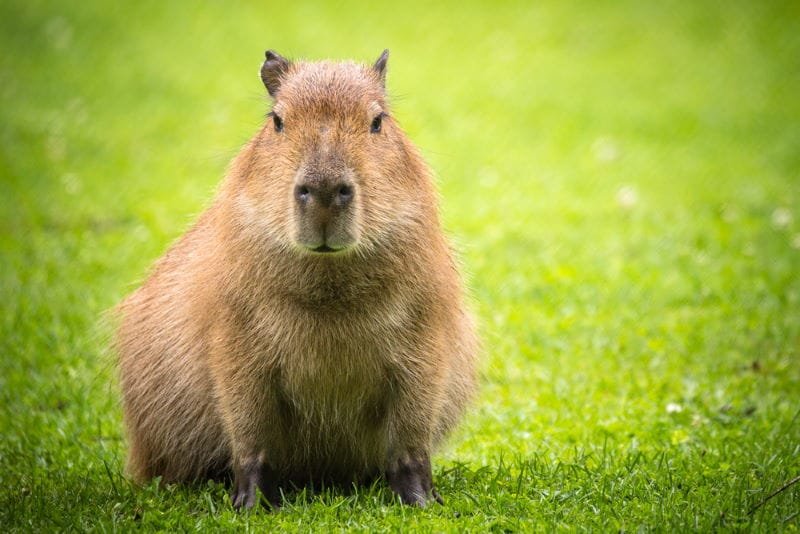
Capybaras are famous for their tolerance of other animals. Birds often sit on their backs and pick off insects and ticks, and monkeys, ducks and even cats have been photographed using them as a living chair.
This easygoing attitude has made the capybara an internet star, with countless memes, songs and plush toys devoted to it.
8. It loves a hot bath
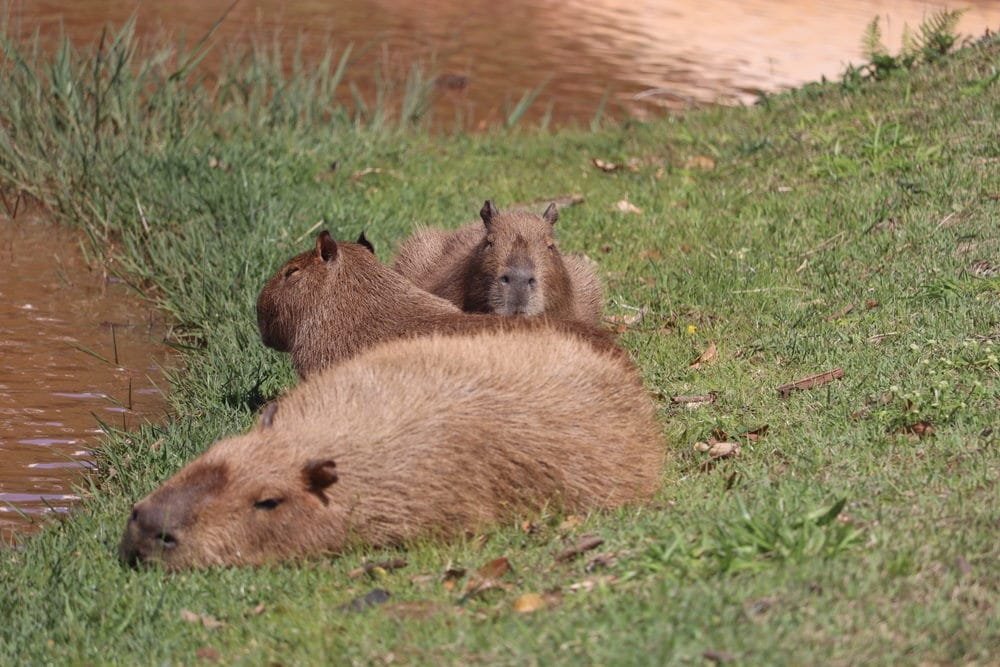
In Japan, capybaras in several zoos get a winter treat: a hot spring bath. The tradition started by accident at Izu Shaboten Zoo in the 1980s, when a keeper noticed the capybaras enjoying a pool of warm water.
Today, the sight of capybaras with their eyes half-closed in a steaming bath, sometimes with yuzu fruit floating around them, attracts crowds every winter.
9. It lives in groups
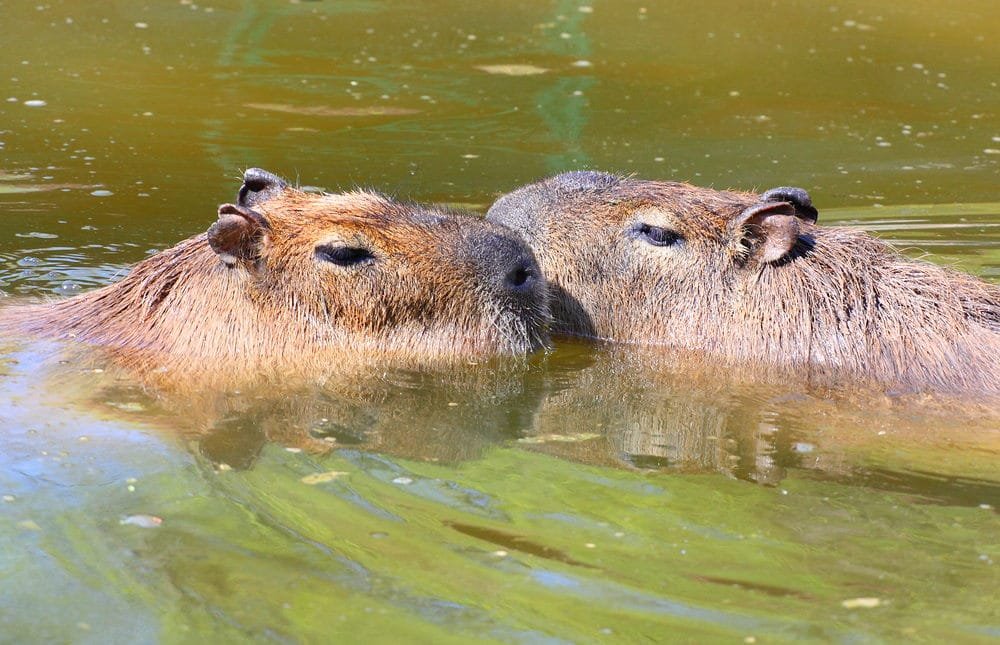
Capybaras are very social and usually live in groups of 10 to 20, led by a dominant male. In the dry season, when they gather around the last water, groups of more than 100 can form.
They communicate with a surprising range of sounds, including barks, whistles, clicks and purrs. The bark is an alarm call that sends the whole group running for the water.
10. It has plenty of enemies

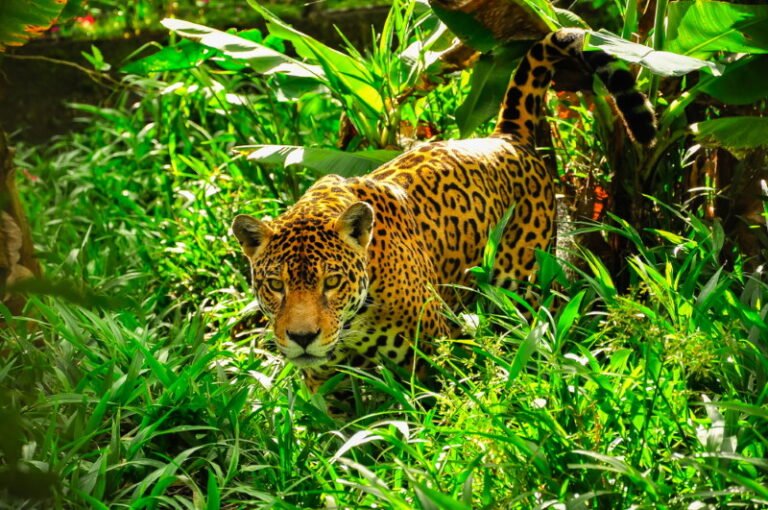
Despite its calm reputation, the capybara is on the menu of many predators. Jaguars, pumas, anacondas, caimans and harpy eagles all hunt them, and people hunt them for meat and leather.
According to a popular story, Catholic authorities once allowed capybara meat to be eaten during Lent, because the animal lived in water and was therefore treated like a fish. In Venezuela, dried capybara meat is still traditionally eaten around Easter.