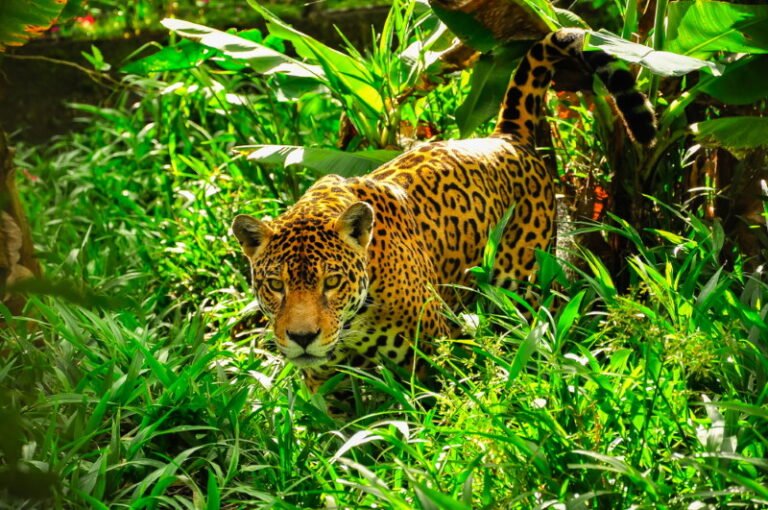
The leopard is the most widespread big cat in the world, found from the deserts of the Middle East and the savannas of Africa to the rainforests of Southeast Asia and the snowy forests of the Russian Far East. Don’t confuse it with the cheetah: the cheetah is built for speed, while the stockier leopard relies on stealth and ambush. Their spots are different too: cheetahs have solid spots, leopards have rosettes.
Since a major revision in 2017, the IUCN Cat Specialist Group recognizes eight leopard subspecies. These are all eight.
1. African leopard (Panthera pardus pardus)
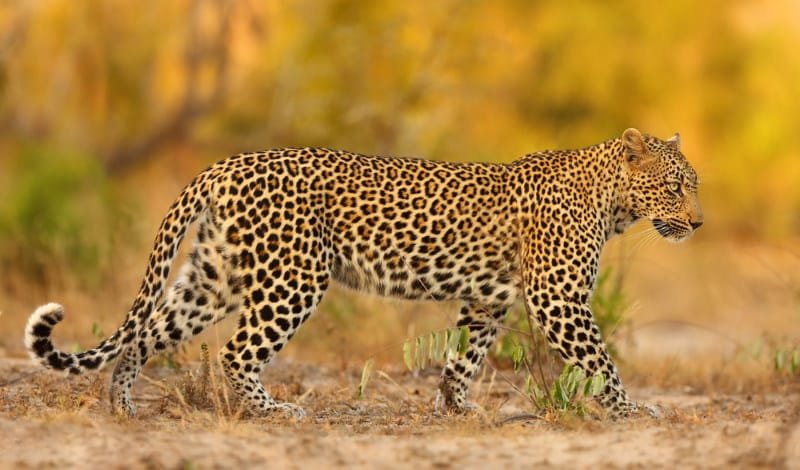
The African leopard lives across large parts of Africa south of the Sahara, in habitats ranging from desert edges and savanna to dense rainforest. It is by far the most numerous subspecies, but its range has shrunk considerably, and the leopard as a species is listed as vulnerable. African leopards are famous for dragging their prey, such as antelopes, warthogs and even young giraffes, up into trees, where lions and hyenas cannot steal it.
2. Indian leopard (Panthera pardus fusca)
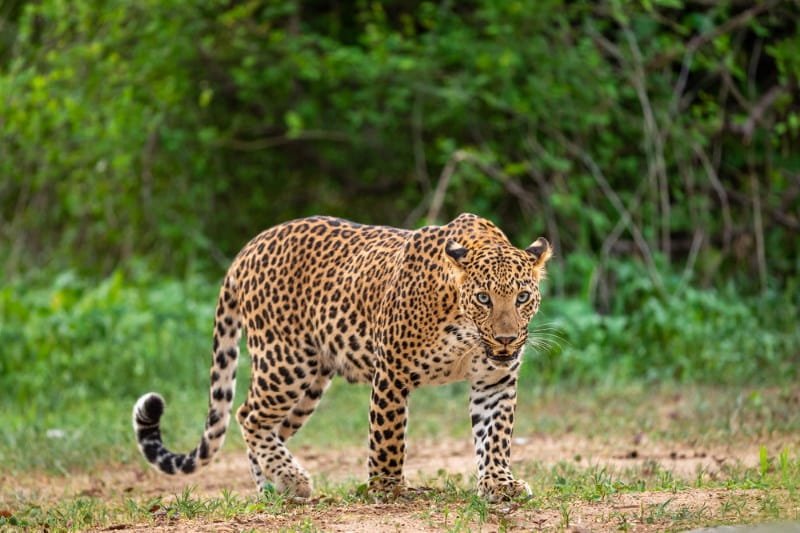
The Indian leopard lives in India, Nepal, Bhutan, Bangladesh and parts of Pakistan, in forests, grasslands and even on the edges of big cities. In Mumbai, leopards live in Sanjay Gandhi National Park, surrounded by millions of people, and sometimes wander into the city at night. India is estimated to have more than 13,000 leopards.
3. Javan leopard (Panthera pardus melas)
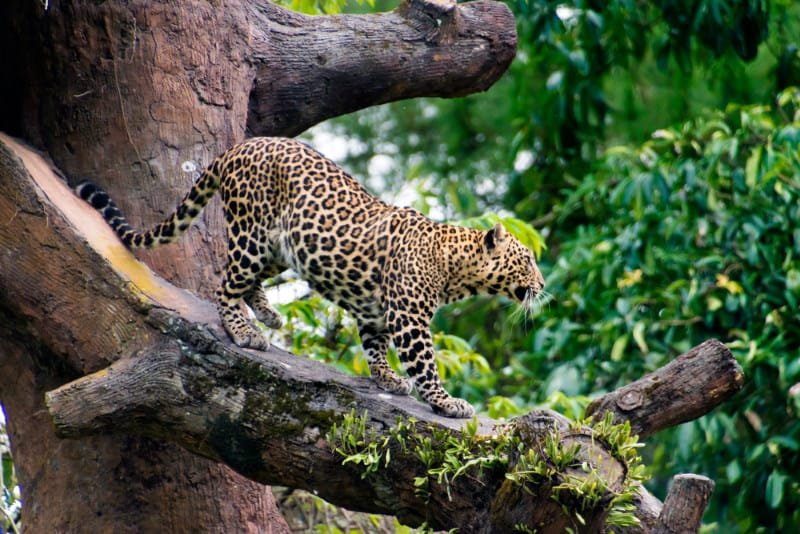
The Javan leopard lives only on the Indonesian island of Java, one of the most densely populated islands on Earth. Its remaining habitat is fragmented into small patches of forest, and there are believed to be only a few hundred adults left. Since the Javan tiger went extinct, it is the last big cat on the island. It is listed as endangered.
4. Arabian leopard (Panthera pardus nimr)
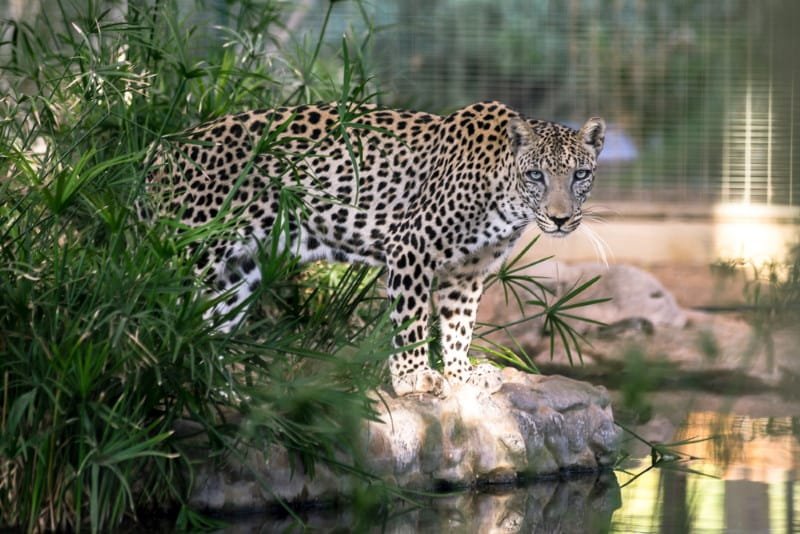
The Arabian leopard is the smallest leopard subspecies, with males weighing only around 30 kilograms. It is critically endangered: there are probably fewer than 200 left in the wild, mainly in the Dhofar Mountains of Oman and in Yemen. It has disappeared from most of its former range, including Jordan and the United Arab Emirates. Saudi Arabia is now running a breeding program to bring it back to the wild.
5. Persian or Anatolian leopard (Panthera pardus tulliana)
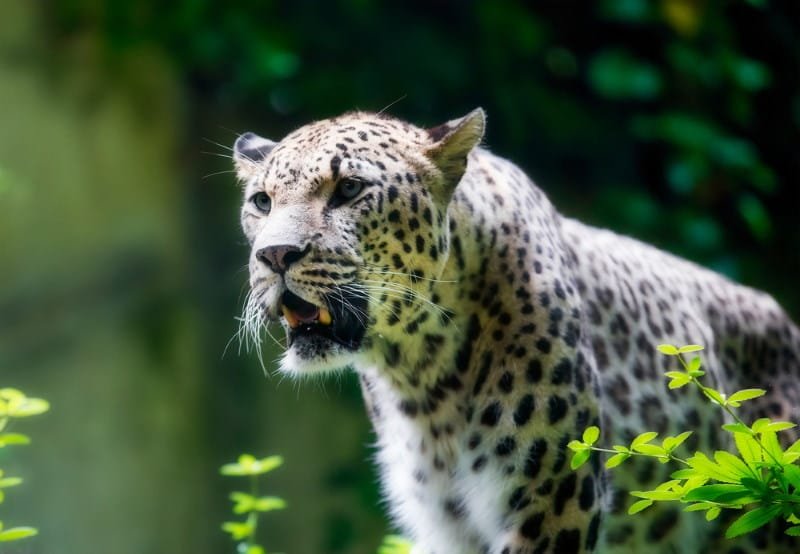
This subspecies was originally described from Anatolia in Turkey, where leopards were long thought to be extinct, although a leopard was shot there in 2013. Since 2017, the Persian leopard of Iran, the Caucasus and Central Asia has been included in the same subspecies. It is one of the largest leopards, and Iran is home to most of the remaining animals, probably fewer than 1,000 in total.
6. Amur leopard (Panthera pardus orientalis)
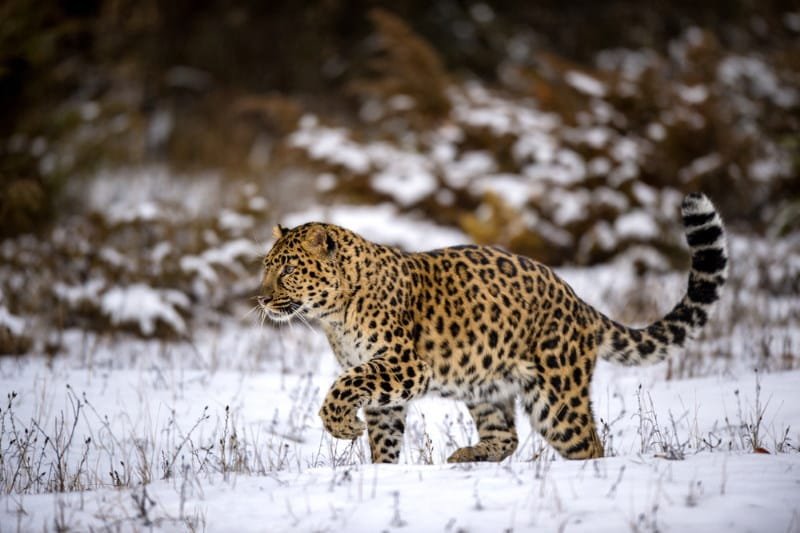
The Amur leopard lives farther north than any other leopard, in the forests along the border of Russia and China, where winter temperatures can drop below minus 30 degrees Celsius. It has a thick, pale coat with widely spaced rosettes. Around 2007, only about 30 were left in the wild, making it one of the rarest big cats in the world. Since the creation of Russia’s Land of the Leopard National Park in 2012, the population has recovered to more than 100 animals.
7. Indochinese leopard (Panthera pardus delacouri)
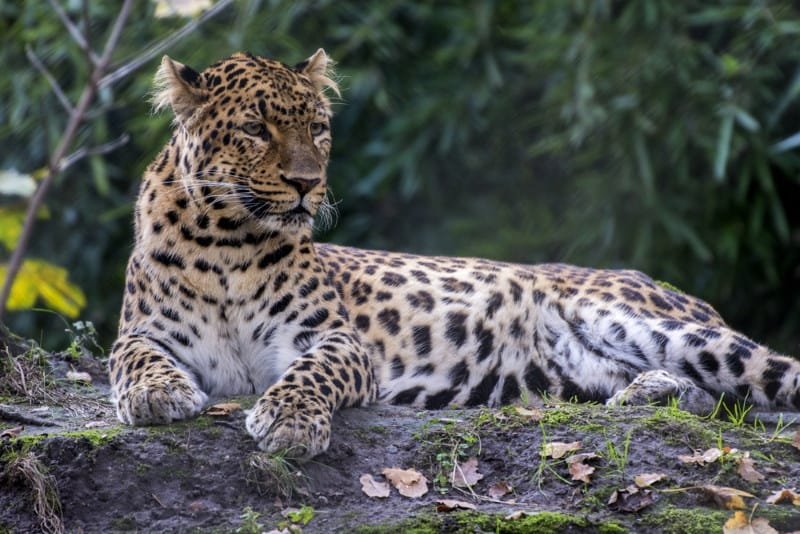
The Indochinese leopard lives on the mainland of Southeast Asia and in southern China. Black panthers are not a separate species: their dark color is caused by melanism, the opposite of albinism, and if you look closely you can still see the rosettes. Melanism is rare in Africa but common in parts of Asia. In the dense forests of the Malay Peninsula, almost all leopards are black. The Indochinese leopard has declined sharply because of poaching and is critically endangered.
8. Sri Lankan leopard (Panthera pardus kotiya)
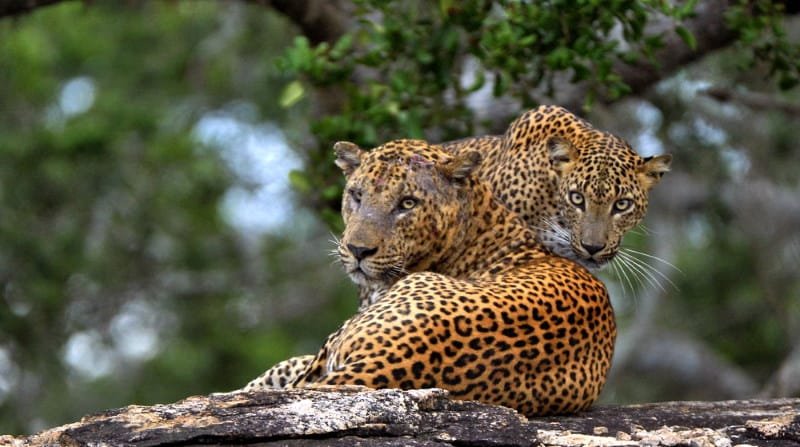
The Sri Lankan leopard lives only on the island of Sri Lanka, in habitats ranging from dry lowland forests to misty highlands. Because there are no tigers or lions on the island, it is the top predator, and it hunts prey such as spotted deer, sambar and muntjac. Yala National Park has one of the highest densities of leopards in the world. The subspecies is listed as vulnerable.
What about the snow leopard and the clouded leopard?
Despite their names, the snow leopard and the clouded leopard are not leopards at all. The snow leopard is a separate species in the genus Panthera, and genetic studies suggest that its closest relative is the tiger. The clouded leopard belongs to a different genus altogether, Neofelis.