What makes a country the oldest in the world? The answer depends entirely on how historians define the birth of a nation. If you measure from the earliest unified state with a central government, written script, and defined borders, ancient river-valley civilizations in Egypt, Iran, and Mesopotamia take the crown.
If you look instead at unbroken constitutional sovereignty within roughly the same borders, tiny European republics and Asian monarchies enter the picture. Combining archaeological state formation with continuous cultural and political identity, here are the ten oldest countries on Earth.
1. Egypt (approx. 3150 BC)
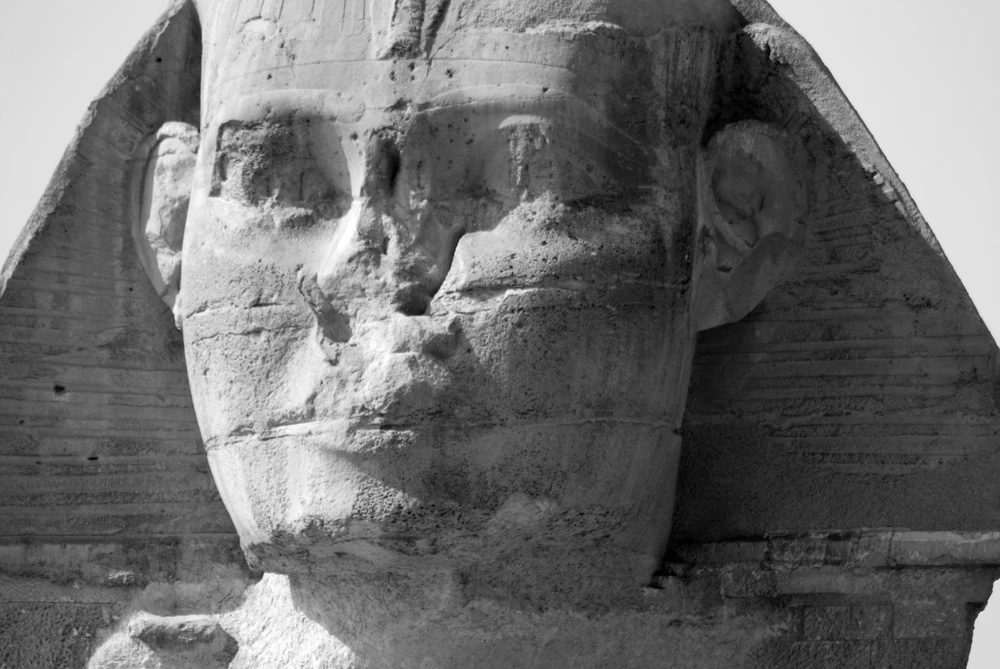
The story of the organized territorial state begins along the banks of the Nile.
Around 3150 BC, King Narmer (often identified with Menes) united Upper and Lower Egypt under a single double crown, founding the First Dynasty. Commemorated on the carved stone Narmer Palette discovered at Hierakonpolis, that unification created the world’s first centralized kingdom, launching three thousand years of pharaonic rule, hieroglyphic writing, and pyramid building that still defines Egyptian identity more than five millennia later.
2. Iran (approx. 2600 BC)
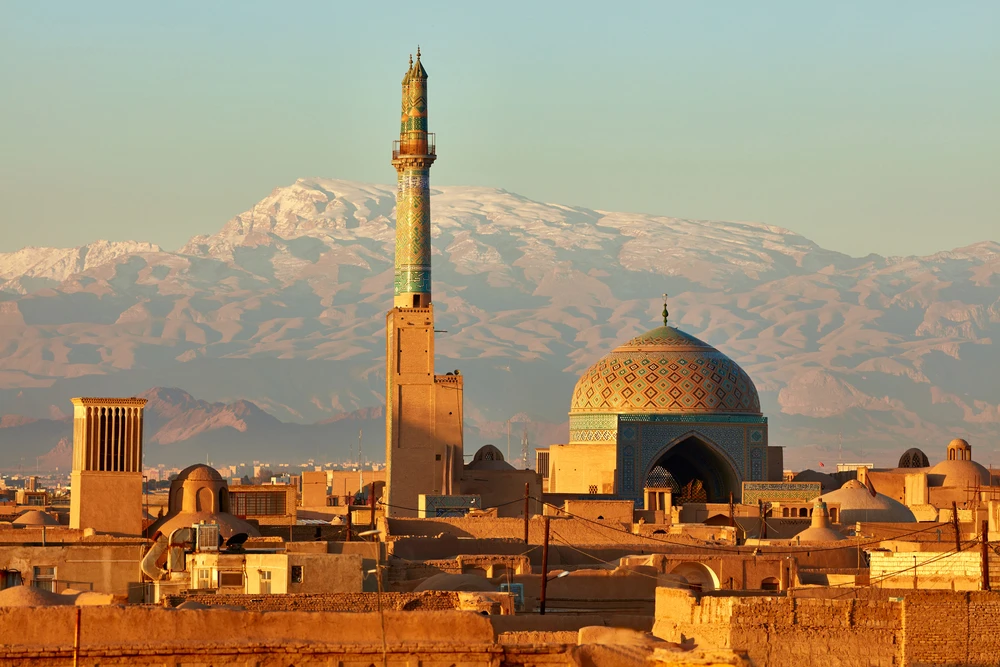
Long before Cyrus the Great founded the Achaemenid Persian Empire in 550 BC, southwestern Iran was home to the Kingdom of Elam, which coalesced around the capital city of Susa around 2600 BC. Developing their own script and grand temple architecture, the Elamites laid administrative and cultural foundations on the Iranian Plateau that merged into the Median and Persian empires, giving Iran nearly 4,600 years of continuous state heritage.
3. India (approx. 2500 BC)
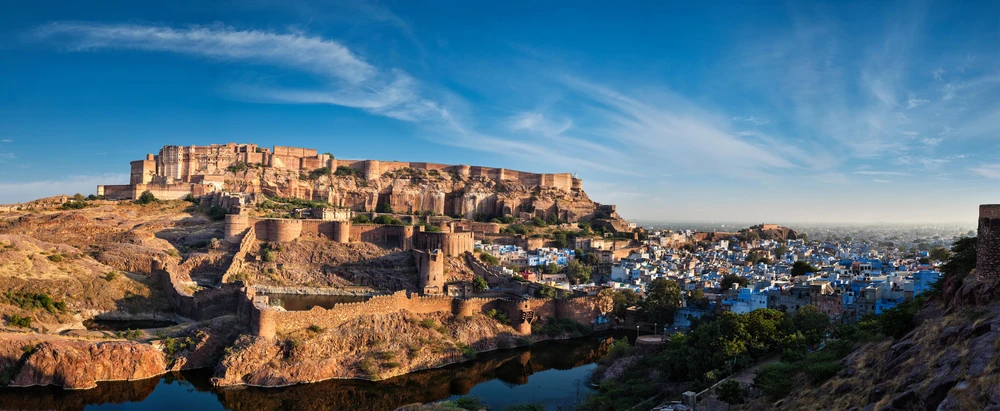
Around 2500 BC, the Indus Valley Civilization (also known as the Harappan Civilization) reached its mature urban phase across the northwestern Indian subcontinent. Excavations at Mohenjo-daro, Harappa, and Dholavira revealed grid-planned cities built of standardized fired bricks, public baths, standardized weights, and the world’s earliest covered municipal drainage networks.
Following the decline of the Indus cities around 1900 BC, the Vedic period along the Ganges River gave rise to Sanskrit literature and the philosophical traditions of Hinduism, Buddhism, and Jainism that have anchored Indian civilization ever since.
4. Armenia (approx. 2492 BC / 9th Century BC)
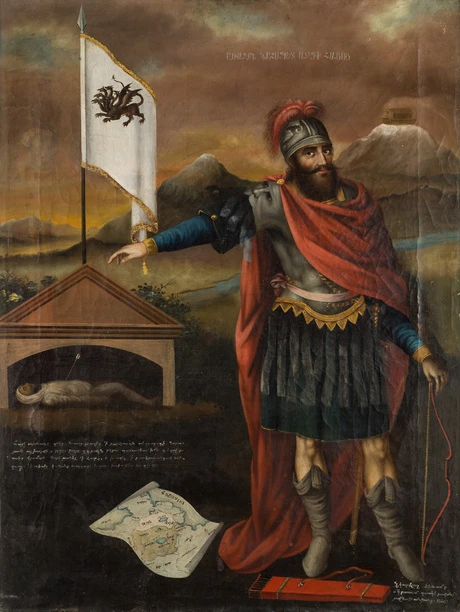
According to traditional Armenian chronicles recorded by medieval historian Movses Khorenatsi, the patriarch Hayk defeated the Babylonian ruler Bel in 2492 BC near Lake Van and established the Armenian nation in the highlands around Mount Ararat. Archaeologically, the first unified state in the region emerged in the ninth century BC as the Kingdom of Urartu (Ararat), and in 301 AD King Tiridates III made Armenia the very first country in history to adopt Christianity as its official state religion.
5. Iraq (approx. 2334 BC)
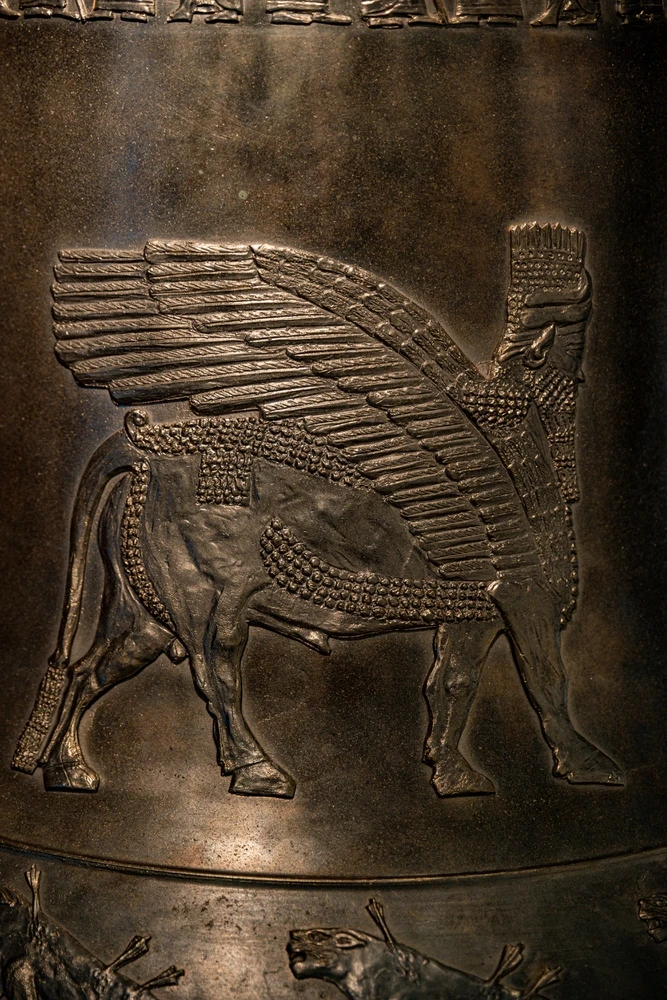
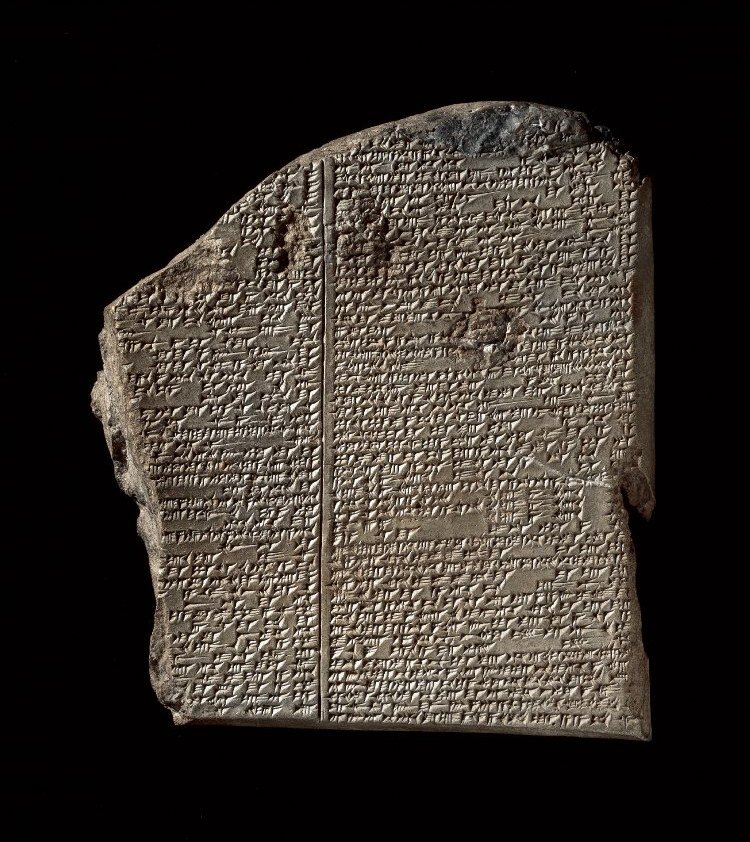
Between the Tigris and Euphrates rivers in modern Iraq, Sumerian city-states such as Uruk, Ur, and Eridu invented cuneiform writing and the wheel around 3300 BC. Those rival cities were forged into the world’s first multi-ethnic empire around 2334 BC when Sargon the Great founded the Akkadian Empire, uniting all of Mesopotamia under a single administration and paving the way for ancient Babylonia and Assyria.
6. China (approx. 1600 BC)
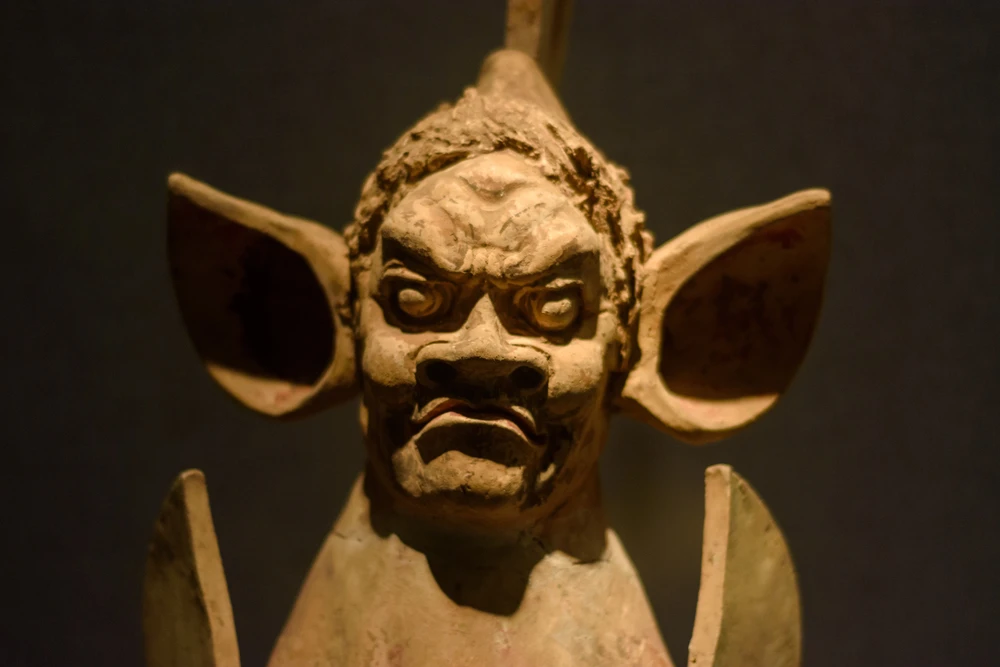
While ancient texts speak of the semi-legendary Xia Dynasty around 2070 BC, the earliest Chinese state confirmed by written archaeological records is the Shang Dynasty, which ruled the Yellow River valley from roughly 1600 BC to 1046 BC.
Tens of thousands of carved turtle shells and ox scapulae (oracle bones) unearthed at the Shang capital of Anyang bear inscriptions that are the direct ancestors of modern Chinese characters, giving China more than 3,600 years of unbroken written history before Qin Shi Huang unified the warring kingdoms into a centralized empire in 221 BC.
7. Greece (approx. 1600 BC)
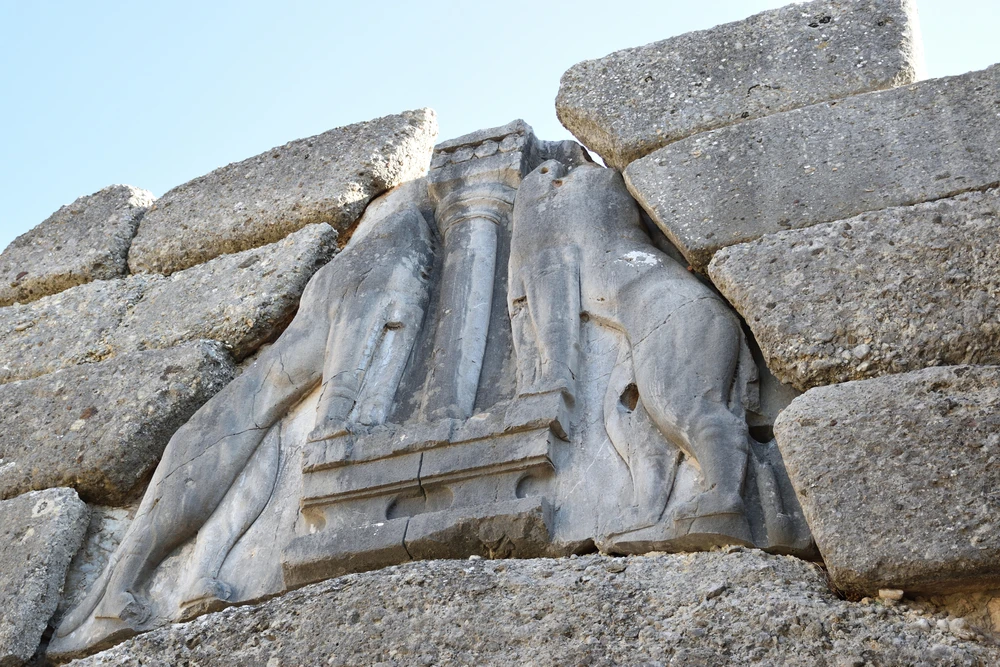
Following the Minoan civilization on Crete, the Mycenaean civilization flourished on the Greek mainland from around 1600 BC to 1100 BC, building fortified citadel palaces at Mycenae, Tiryns, and Pylos and recording the earliest known form of the Greek language on Linear B clay tablets. Even when Classical Greece was divided into independent city-states like Athens, Sparta, and Corinth, the Hellenes shared a common language, pantheon, and Olympic Games that bound them into a single cultural nation.
8. Mexico (approx. 1200 BC)
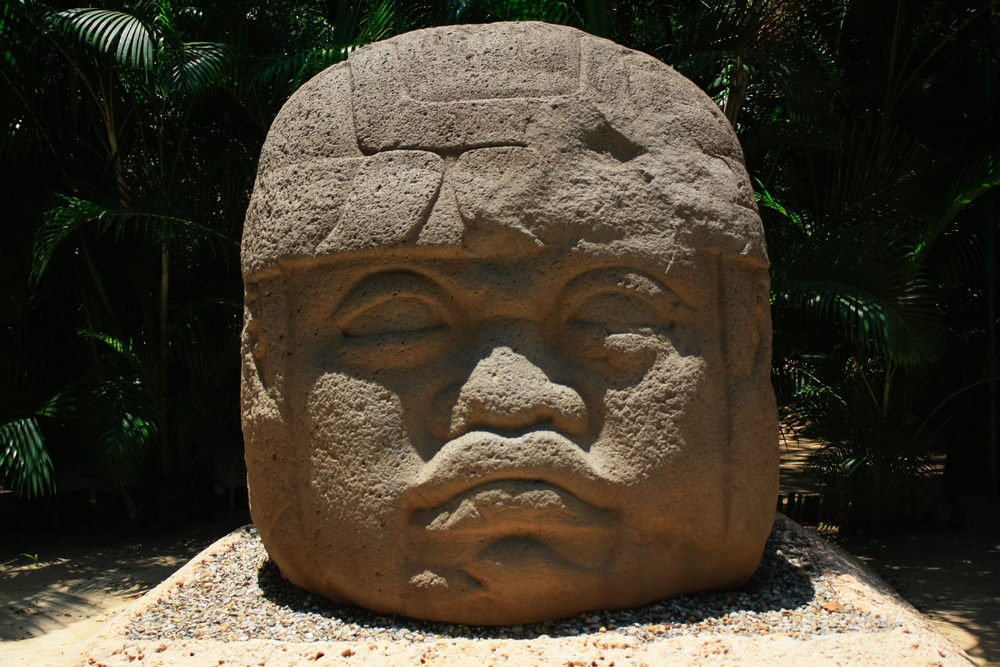
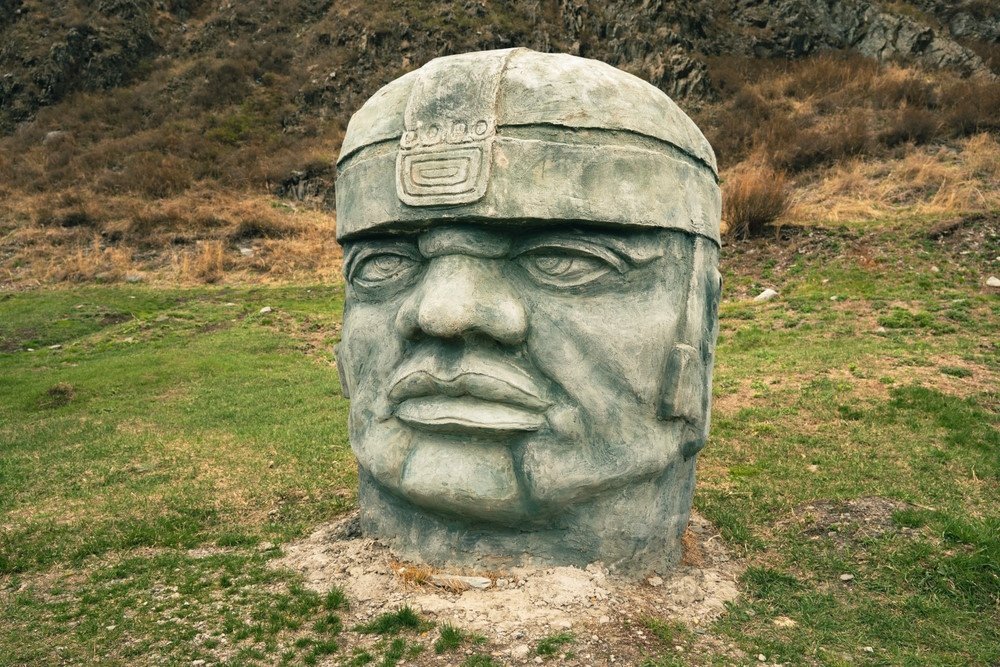
Along the tropical lowlands of the Gulf of Mexico in modern Veracruz and Tabasco, the Olmec civilization rose around 1200 BC as the mother culture of Mesoamerica. Famous for carving 20-ton colossal human heads out of volcanic basalt boulders, the Olmecs built ceremonial pyramid complexes at San Lorenzo and La Venta and pioneered the calendar systems, ritual ballgames, and early glyphic writing inherited by the Maya, Zapotec, and Aztec empires.
9. Japan (660 BC traditional / 4th Century AD historical)
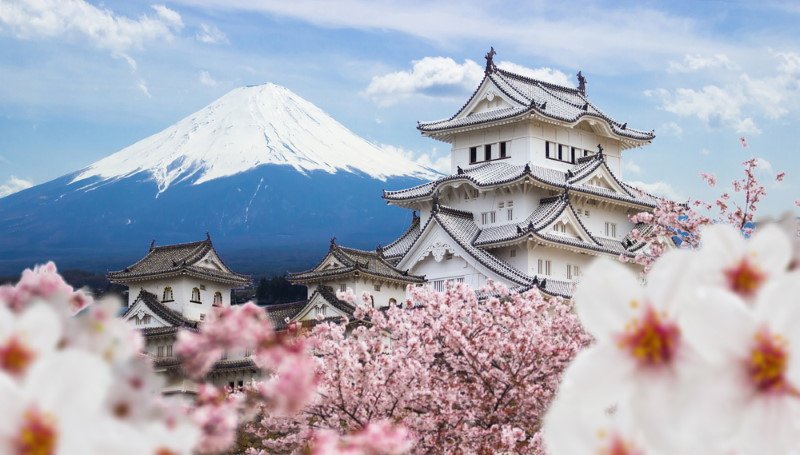
Japanese tradition celebrates February 11, 660 BC as National Foundation Day, marking the legendary ascension of Emperor Jimmu, said to be a descendant of the sun goddess Amaterasu. Historians place the actual political unification of Japan in the third to fourth centuries AD during the Kofun period under the Yamato court, which still makes Japan’s Chrysanthemum Throne the oldest continuous hereditary monarchy on the planet.
10. San Marino (301 AD)

If you measure age strictly by uninterrupted sovereign survival without foreign conquest, tiny San Marino takes first place.
Founded on September 3, 301 AD by Saint Marinus, a Christian stonemason fleeing Roman persecution on the slopes of Mount Titano, this enclaved microstate inside Italy has preserved its republican independence for more than 1,700 years. Even Napoleon Bonaparte respected its sovereignty in 1797, and San Marino’s Latin statutes of 1600 remain the oldest written constitution still in force anywhere in the world.