For thousands of years, people have turned to religion for answers to life’s biggest questions: where do we come from, how should we live and what happens after death? Scholars estimate that there are more than 4,000 religions in the world.
Most people, however, follow one of a handful of major traditions. These are the ten largest religions in the world by number of followers. Exact numbers are hard to pin down, so the figures are estimates. Around 1.2 billion people, it is worth noting, do not identify with any religion at all.
1. Christianity: about 2.4 billion followers
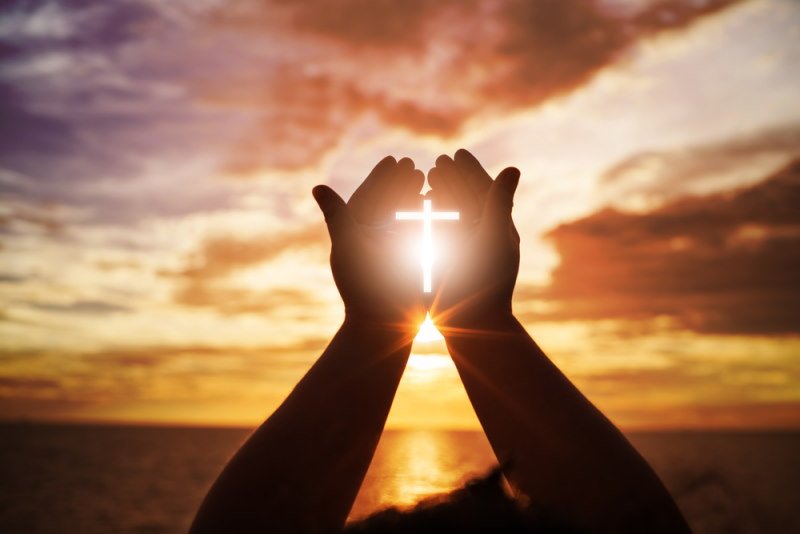
With roughly 2.4 billion followers, about three in ten people on Earth, Christianity is the largest religion in the world. It is based on the life and teachings of Jesus of Nazareth, as described in the New Testament.
Its three main branches are Catholicism, with around 1.4 billion members led by the Pope, Protestantism and Eastern Orthodoxy. While church attendance has fallen sharply in Western Europe, Christianity is growing fast in Africa, and the country with the most Christians is the United States, followed by Brazil and Mexico.
2. Islam: about 1.9 to 2 billion followers

Islam is the second-largest and the fastest-growing major religion. It began in the 7th century on the Arabian Peninsula, where, according to Muslim belief, the Prophet Muhammad received the Quran from God through the angel Gabriel. Its core practices are the Five Pillars: the declaration of faith, daily prayer, charity, fasting during Ramadan and the pilgrimage to Mecca.
The two main branches, Sunni and Shia, split after Muhammad’s death in 632 over who should lead the community. Sunnis make up about 85 to 90 percent of Muslims. The country with the most Muslims is not in the Middle East, but Indonesia, followed by Pakistan and India.
3. Hinduism: about 1.2 billion followers
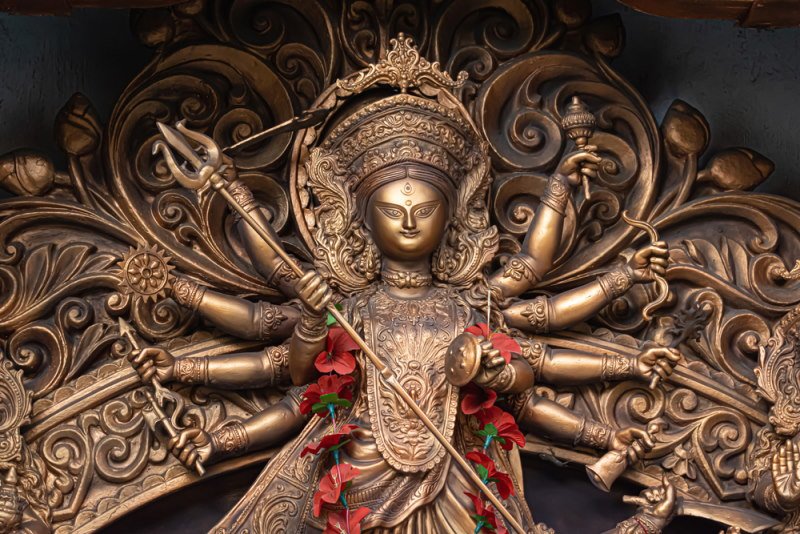
With roots going back thousands of years, Hinduism is often called the oldest living major religion. Unlike most religions, it has no single founder, no single holy book and no central authority, but a rich variety of traditions, philosophies and gods.
Central ideas include dharma (duty and cosmic order), karma (the law of cause and effect) and the cycle of rebirth, from which the soul seeks liberation, called moksha. About 95 percent of Hindus live in India and Nepal.
4. Buddhism: about 500 million followers
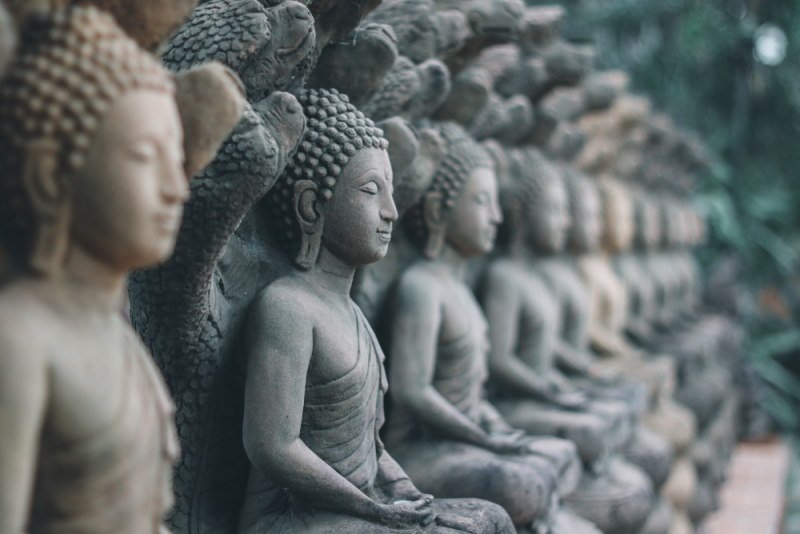
Buddhism began about 2,500 years ago in northern India with the teachings of Siddhartha Gautama, who became known as the Buddha, “the awakened one”. It focuses on ending suffering through the Four Noble Truths and the Eightfold Path.
Its two main branches are Theravada, dominant in Sri Lanka, Thailand and Myanmar, and Mahayana, in China, Japan, Korea and Vietnam. Tibetan Buddhism, led by the Dalai Lama, is part of a third tradition, often called Vajrayana.
5. Shinto: about 100 million followers

Shinto, “the way of the gods”, is the native religion of Japan. Instead of a fixed doctrine, it centers on respect for nature and the worship of kami, spirits that live in mountains, rivers, trees and ancestors.
Japan has more than 80,000 Shinto shrines, recognizable by their red torii gates. Many Japanese combine Shinto rituals for births and weddings with Buddhist funerals, which makes the number of followers hard to count.
6. Sikhism: about 25 to 30 million followers

Sikhism was founded around 1500 in the Punjab region by Guru Nanak, who rejected the caste system and taught the equality of all people. His teachings and those of the nine Gurus who followed him are collected in the Guru Granth Sahib, which Sikhs honor as their eternal living Guru.
Many Sikhs wear a turban and the Five Ks, including uncut hair and a steel bracelet. Every gurdwara, or Sikh temple, has a free community kitchen, the langar, where anyone can eat, regardless of religion. The Golden Temple in Amritsar serves around 100,000 meals a day.
7. Judaism: about 15 to 16 million followers

Judaism is much smaller than Christianity and Islam, but it is the historical root of both. It began more than 3,000 years ago in the Middle East and is based on the covenant between God and the people of Israel, as described in the Torah.
Today, most Jews live in Israel, about 7 million, and the United States, about 6 million. The main movements range from Orthodox to Conservative and Reform.
8. Taoism: about 12 million followers
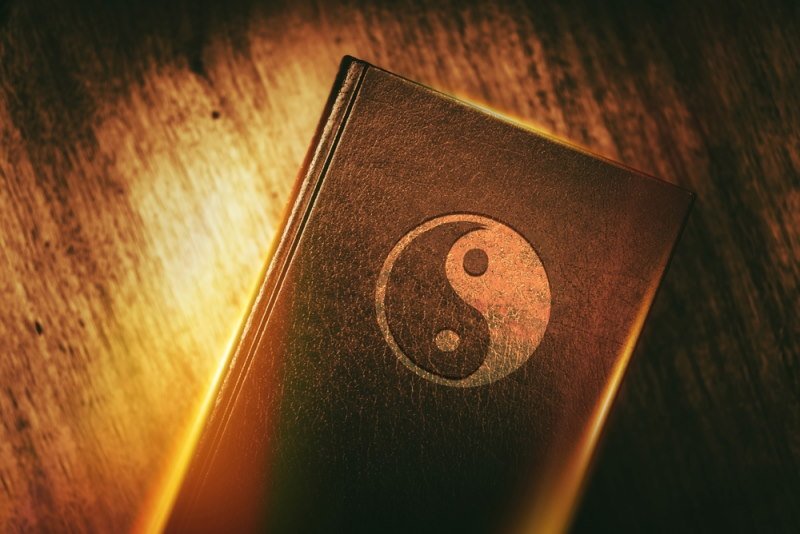
Taoism is an ancient Chinese philosophy and religion, traditionally traced to the sage Laozi and the Tao Te Ching. Its central idea is the Tao, “the Way”, the natural force that flows through everything in the universe.
Only around 12 million people are counted as practicing Taoists, but Taoist ideas such as yin and yang, tai chi and traditional Chinese medicine influence the daily lives of hundreds of millions of people.
9. Korean shamanism: about 10 million followers

Korean shamanism, or Muism, is the oldest religion of the Korean Peninsula. It is based on belief in many gods, nature spirits and the souls of ancestors, who can influence the lives of the living.
Its spiritual leaders, called mudang, are almost always women. They act as mediums and perform rituals called gut, with music, dance and colorful costumes, to heal illness, bring good fortune or calm restless spirits. Even in high-tech South Korea, many people still consult them.
10. Cao Dai: about 4 to 6 million followers
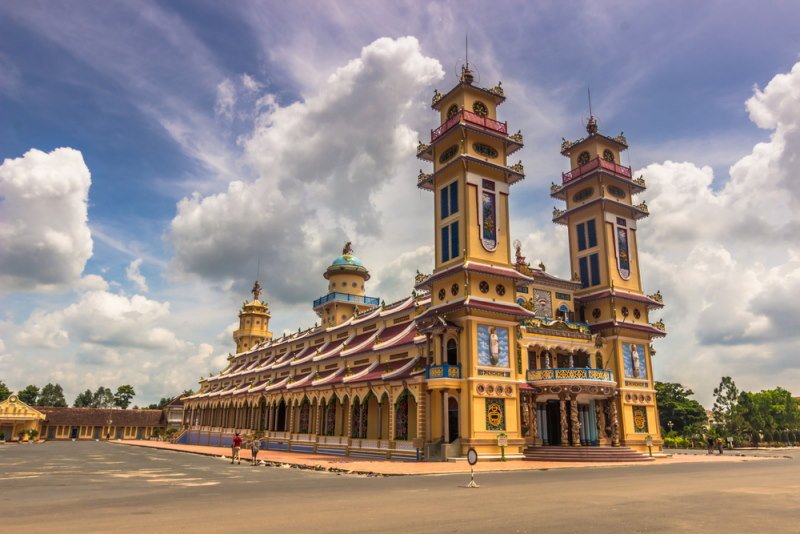
Cao Dai is one of the youngest organized religions in the world. It was founded in 1926 in Tây Ninh, in southern Vietnam, after a civil servant said he had received messages from the Supreme Being during a séance.
It tries to unite the world’s great religions, combining elements of Buddhism, Taoism, Confucianism, Christianity and Islam. Its symbol is the Divine Eye, and among its honored saints is the French writer Victor Hugo.