Secret police forces conjure up images of tapped phones, people being followed and a knock on the door in the middle of the night. They are the hidden foundation of authoritarian regimes that want to keep power at any cost, operating in the shadows, beyond the reach of courts or democratic control.
What they have in common is a system: vast networks of informers reaching into families and workplaces, arrests without charges and trials whose outcome is decided in advance. These are the ten most notorious secret police forces of modern history.
10. UDBA: Yugoslavia (1946 to 1991)
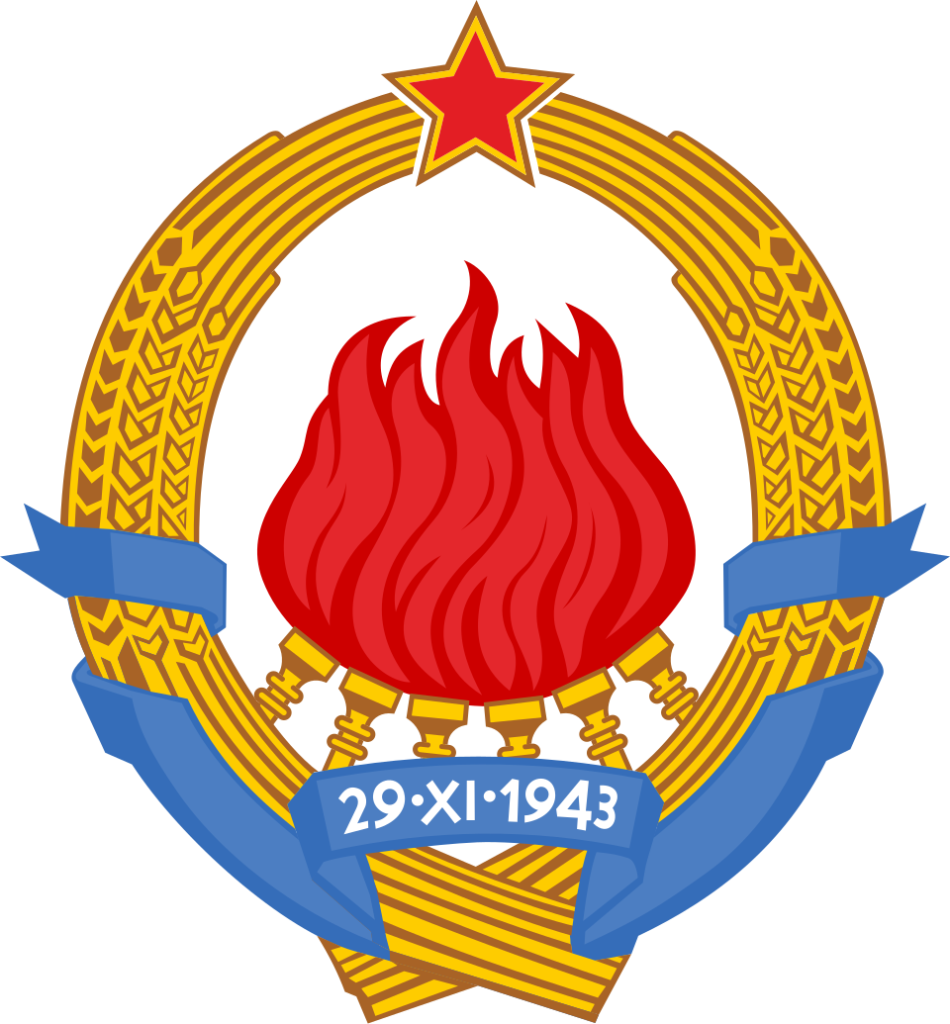
The UDBA was the security service of Josip Broz Tito’s Yugoslavia. After the war, it hunted down fascist collaborators, royalists and, after Tito’s split with Stalin in 1948, anyone suspected of loyalty to Moscow.
It ran the notorious prison camp on Goli Otok, a barren island in the Adriatic Sea, where thousands of political prisoners were forced into hard labor. Abroad, it was linked to the murders of dozens of exiled opponents in countries such as West Germany. Decades later, former Yugoslav intelligence officials were convicted by a court in Munich for one of those killings.
9. OVRA: Fascist Italy (1927 to 1943)
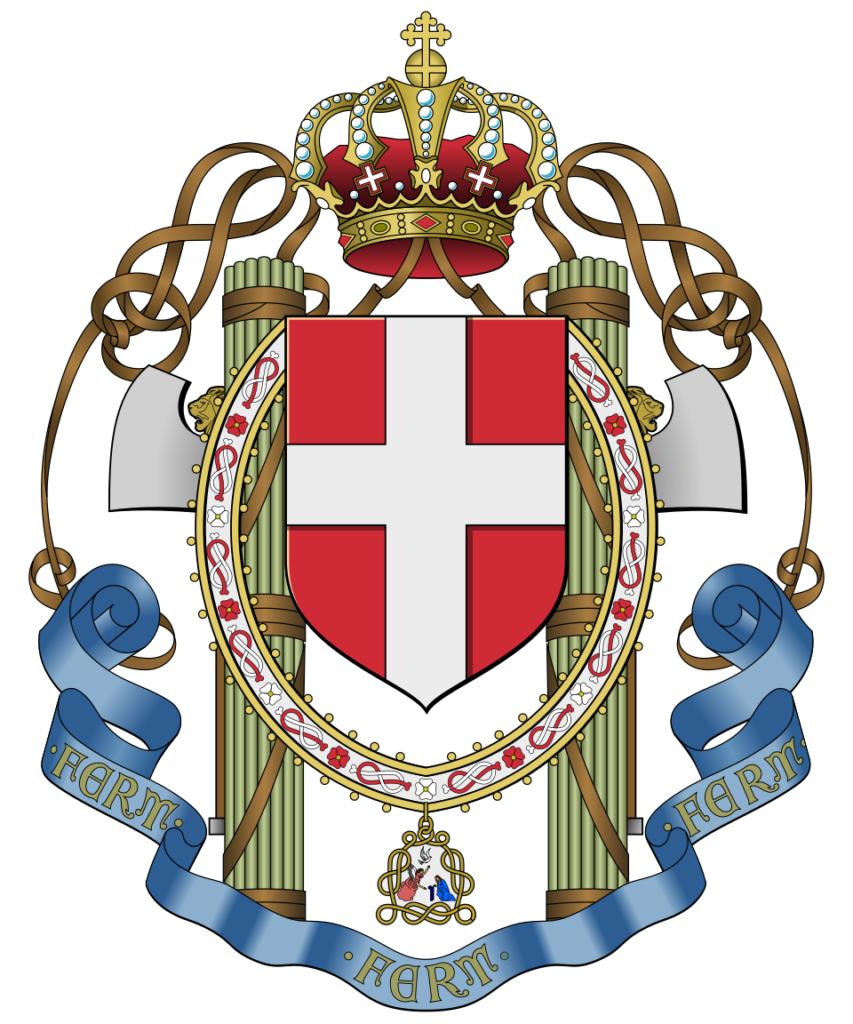
Benito Mussolini created the OVRA in 1927 to crush opposition to his fascist dictatorship. Under police chief Arturo Bocchini, it built a huge surveillance network, opening mail, infiltrating trade unions and keeping files on hundreds of thousands of Italians.
Instead of mass executions, the regime relied on confino: thousands of anti-fascists and intellectuals were sent without trial into internal exile, in remote mountain villages or on small islands such as Ventotene. The OVRA collapsed with Mussolini’s fall in 1943.
8. SAVAK: Iran under the Shah (1957 to 1979)
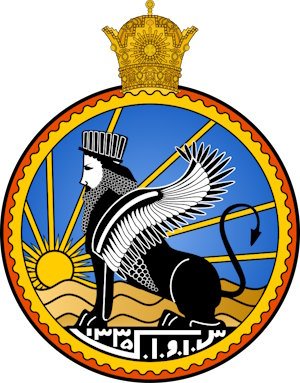
SAVAK was founded in 1957 by Shah Mohammad Reza Pahlavi, with help from the American CIA, to suppress communists and religious opponents.
Within a few years, it had become a feared organization with thousands of agents and many more informers in universities, ministries and factories. Dissidents disappeared into prisons such as Evin in Tehran, where torture was common. Hatred of SAVAK was one of the driving forces behind the Islamic Revolution of 1979.
7. Santebal: Cambodia under the Khmer Rouge (1975 to 1979)
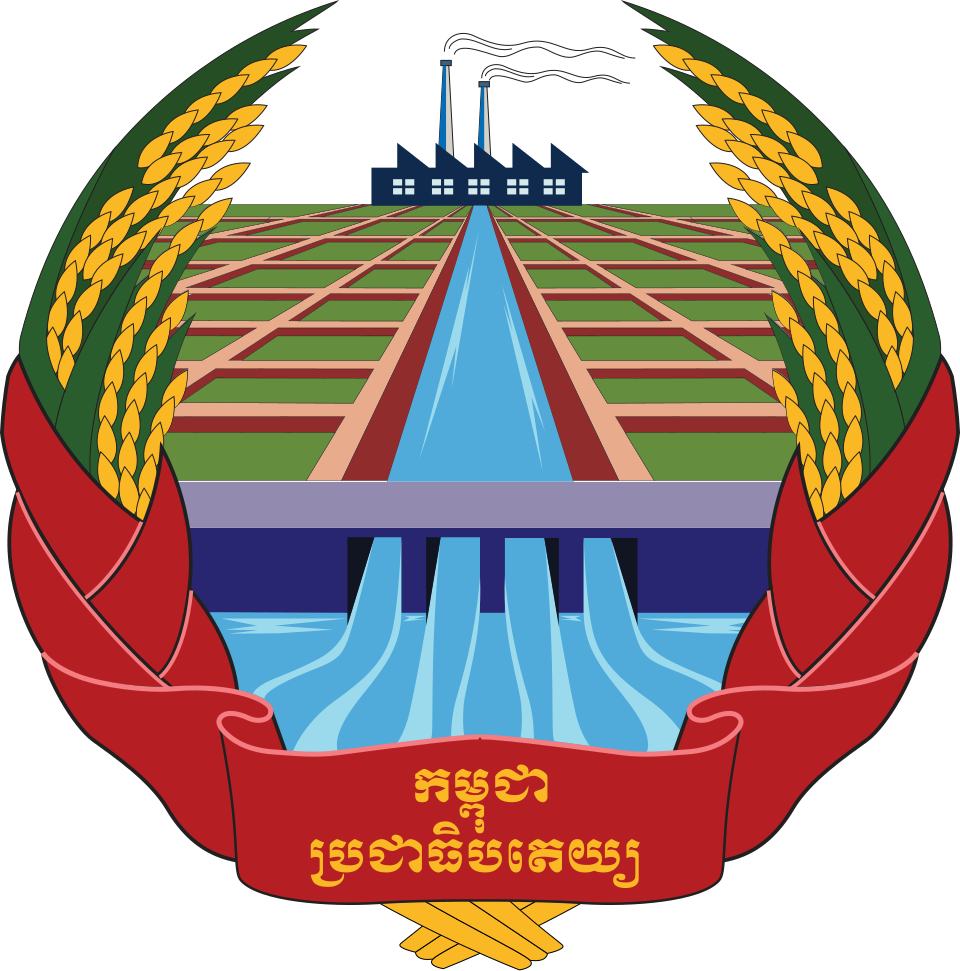
Santebal means “keeper of the peace” in Khmer. In reality, it was the killing machine behind Pol Pot’s regime, led by a former math teacher, Kaing Guek Eav, better known as Comrade Duch.
It ran a network of secret prisons, the most notorious being Tuol Sleng, or S-21, a former high school in Phnom Penh. Prisoners were tortured until they confessed to invented crimes, then taken to the killing fields of Choeung Ek and executed. Of the estimated 14,000 to 20,000 people who entered S-21, only a handful survived.
6. Securitate: Romania (1948 to 1989)
Relative to its population, Nicolae Ceaușescu’s Romania built one of the most suffocating security systems in the Eastern Bloc. The Securitate had thousands of officers and a vast network of informers.
It reached deep into daily life: phones were tapped, letters opened and even owning a typewriter required registering a typed sample with the police, so anonymous protest letters could be traced. The resulting distrust was so great that many Romanians did not even trust their own families.
5. Kempeitai: Imperial Japan (1881 to 1945)
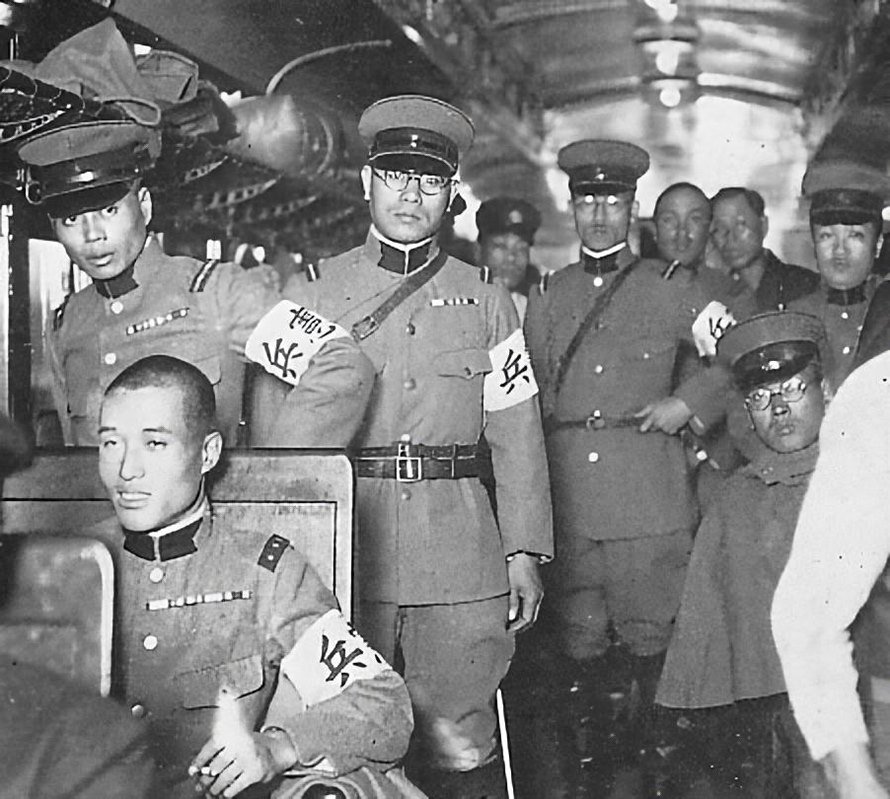
The Kempeitai started in 1881 as the military police of the Imperial Japanese Army, but in the occupied territories of the 1930s and 1940s it became a brutal secret police with almost unlimited power, from Manchuria and Korea to Singapore and the Dutch East Indies.
It became notorious for extreme torture during interrogations and mass executions. In Singapore, it carried out the Sook Ching massacre of 1942, in which tens of thousands of ethnic Chinese were killed. It also handed over prisoners to Unit 731, which carried out deadly human experiments.
4. NKVD: Soviet Union under Stalin (1934 to 1946)
The NKVD was the main instrument of Joseph Stalin’s terror. Under its successive chiefs, Yagoda, Yezhov and Beria, it carried out the Great Purge of 1937 and 1938, in which hundreds of thousands of party members, army officers and ordinary citizens were shot on fabricated charges.
It also ran the Gulag, a vast network of labor camps where millions were imprisoned, deported entire ethnic groups such as the Crimean Tatars and Chechens, and in 1940 murdered around 22,000 Polish officers and intellectuals in the Katyn massacre.
3. KGB: Soviet Union (1954 to 1991)
After Stalin’s death, his secret police was reorganized and, in 1954, the KGB was born. Under leaders such as Yuri Andropov, it replaced mass terror with a more refined form of repression.
Dissidents such as Aleksandr Solzhenitsyn and Andrei Sakharov were watched, exiled or isolated, and some critics were locked up in psychiatric hospitals with invented diagnoses. Abroad, the KGB ran a worldwide spy network, in which a young officer named Vladimir Putin learned his trade.
2. Stasi: East Germany (1950 to 1990)
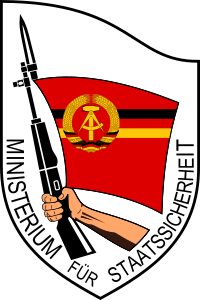
The Stasi turned surveillance into a science. By the 1980s, it had more than 90,000 full-time employees and around 180,000 unofficial informers, in a country of about 16 million people.
Instead of open violence, it specialized in Zersetzung, psychological warfare designed to break dissidents: spreading rumors about affairs, sabotaging careers and secretly entering homes to move furniture around, making victims doubt their own sanity. It even collected people’s scent on cloths so dogs could track them. After the Berlin Wall fell, millions of Germans read their files and discovered that friends, colleagues or even spouses had spied on them.
1. Gestapo: Nazi Germany (1933 to 1945)
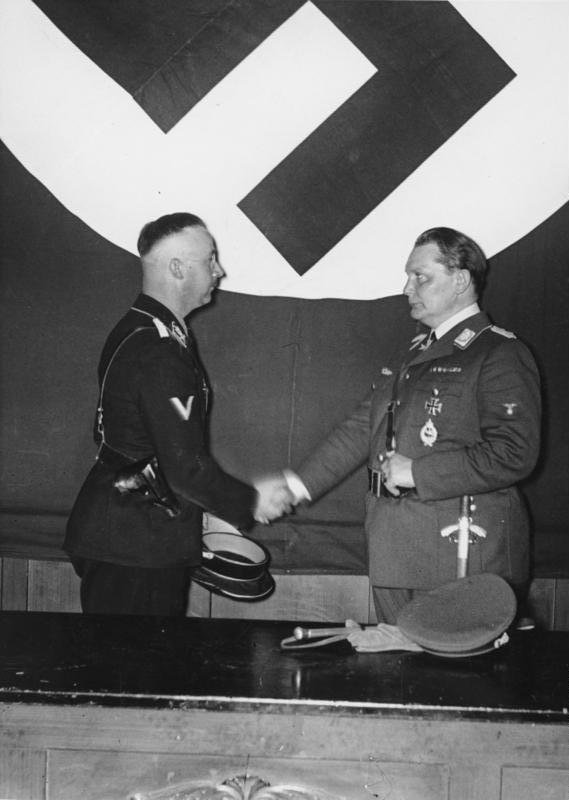
The Gestapo, the Secret State Police, was founded in 1933 under Hermann Göring and later controlled by Heinrich Himmler and Reinhard Heydrich. It could lock people up indefinitely without trial, which often meant being sent to a concentration camp.
Surprisingly, the Gestapo was a fairly small organization, with around 16,000 officers in Germany in the late 1930s. It could only function because so many ordinary people denounced their neighbors, colleagues and relatives. Together with the SS, it played a central role in hunting down resistance fighters and deporting millions of Jews to their deaths. At Nuremberg, it was declared a criminal organization.