Greek mythology is an endless treasure chest of stories. With their myths, the ancient Greeks explained the world around them, warned against pride and greed, and created some of the best entertainment ever told.
Thousands of years later, these stories still live on in our language, films and art. These are ten of the most famous Greek myths, counting down to the greatest of them all.
10. Prometheus steals fire
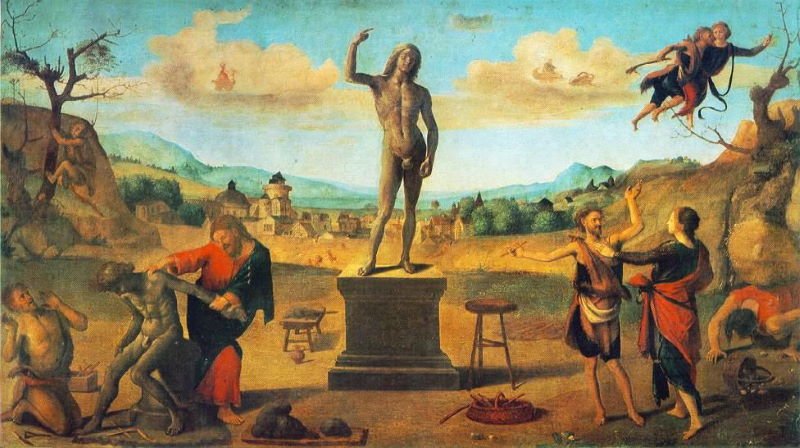
After Zeus and the Olympian gods defeated the Titans, the Titan Prometheus was given the task of creating humans from clay. He grew fond of his creations, and when Zeus refused to give them fire, Prometheus stole it from the gods and brought it to humanity, hidden in a fennel stalk.
Zeus’s punishment was horrific. Prometheus was chained to a rock in the Caucasus Mountains, where every day an eagle came to eat his liver. Every night, the liver grew back. Only after many years did the hero Heracles finally free him.
9. Pandora’s box
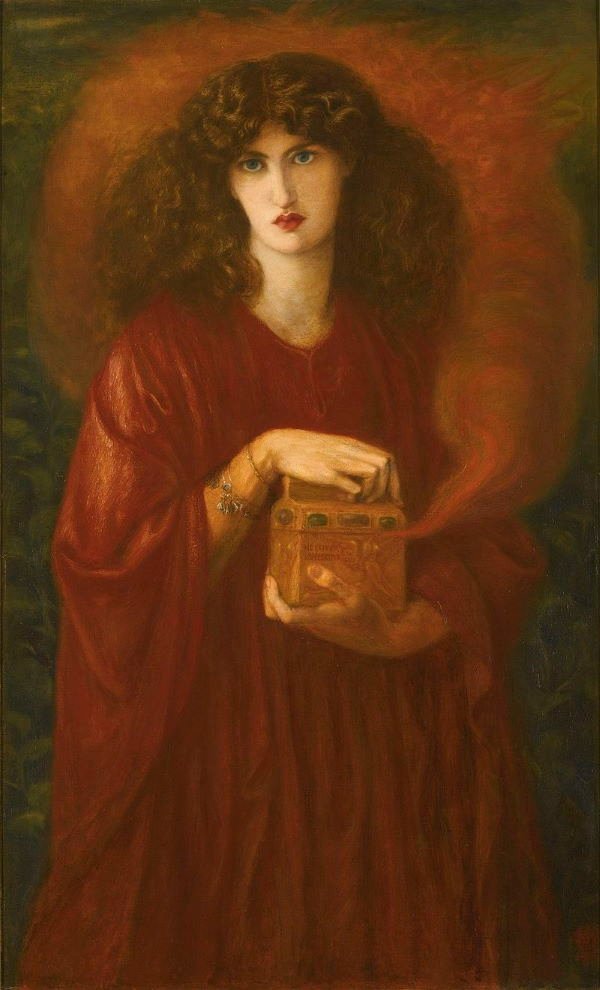
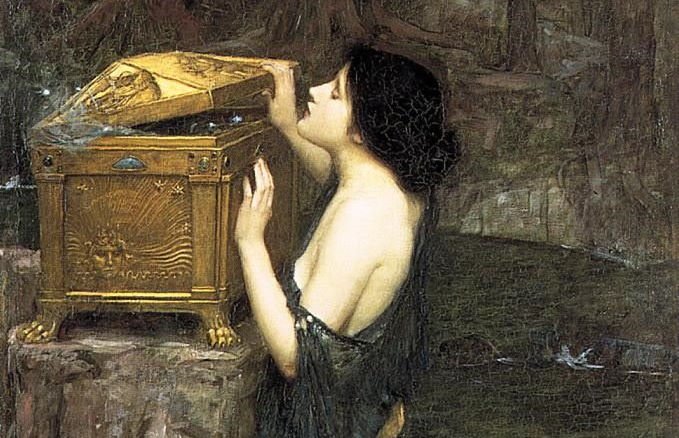
Zeus also wanted to punish humanity for accepting the stolen fire. He ordered Hephaestus to create the first woman, Pandora, and the gods gave her beauty, charm and curiosity. She was given a jar, and told never to open it.
Of course, she did. Out flew all the evils of the world: disease, war, sorrow and death. She slammed the lid shut just in time to keep one thing inside: hope. Fun fact: in the original Greek myth it was a large jar, not a box. The “box” comes from a translation error in the 16th century.
8. Sisyphus and his boulder
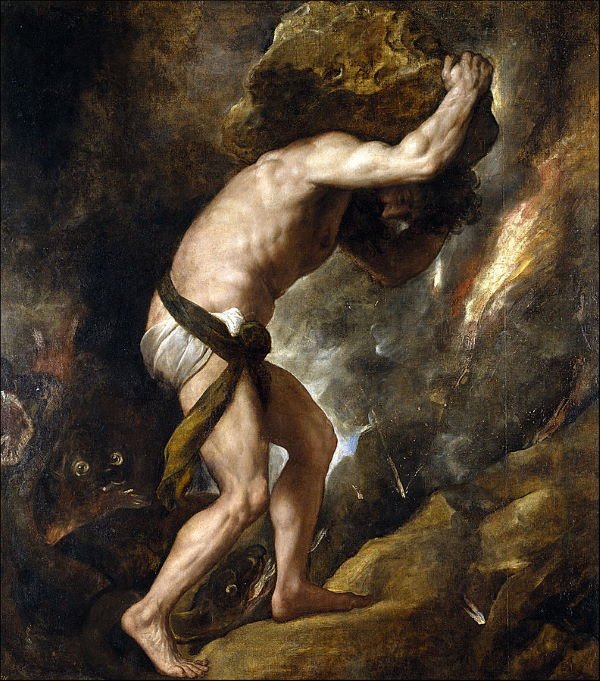
Sisyphus, the founder and king of Corinth, was clever, but also a liar and a trickster. He even cheated death itself: when Thanatos, the god of death, came to take him, Sisyphus chained him up, so for a while nobody on Earth could die.
For his crimes, Zeus gave him an eternal punishment in the underworld: rolling a huge boulder up a hill, only to watch it roll back down every time he neared the top. That is why an endless, pointless task is still called “Sisyphean”.
7. Orpheus and Eurydice
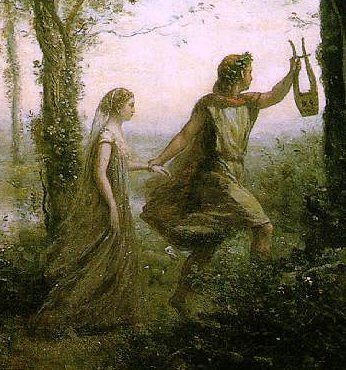
Orpheus was the greatest musician who ever lived. When he played his lyre, animals came to listen, trees swayed and even stones were moved. On his wedding day, his beloved Eurydice was bitten by a snake and died.
Heartbroken, Orpheus traveled to the underworld and played so beautifully that Hades agreed to let Eurydice go, on one condition: Orpheus could not look back at her until they had both reached the world of the living. Just before the exit, he could not resist. He turned around, and Eurydice vanished forever.
6. Perseus and Medusa
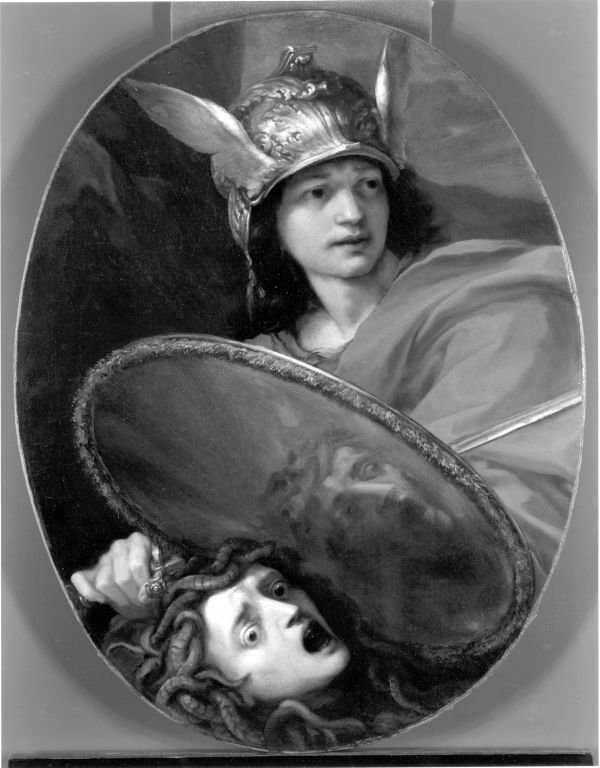
Medusa was a Gorgon with snakes for hair, and anyone who looked her in the eyes turned to stone. The young hero Perseus was sent to bring back her head, a task meant to get him killed.
With gifts from the gods, including a polished shield, winged sandals and a helmet of invisibility, he approached her by watching her reflection and cut off her head. On his way home, he used it to turn a sea monster to stone and rescue Princess Andromeda. The story was famously filmed in Clash of the Titans, with its unforgettable line “Release the Kraken!”
5. Theseus and the Minotaur
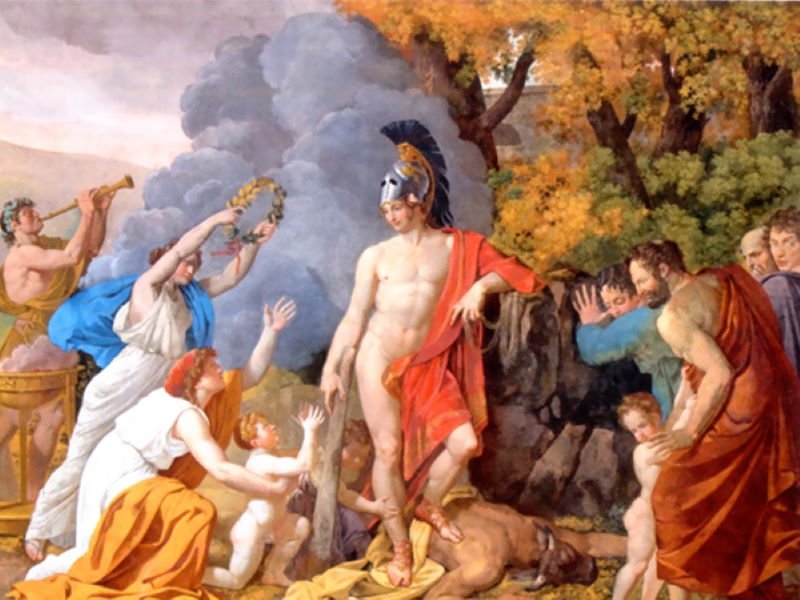
King Minos of Crete kept a terrible monster, the Minotaur, half man and half bull, in a labyrinth built by the inventor Daedalus. Every few years, Athens had to send seven young men and seven young women to be fed to it.
The Athenian prince Theseus volunteered to go. Minos’s daughter Ariadne fell in love with him and gave him a ball of thread to find his way back out. Theseus killed the Minotaur and escaped. But on the way home he forgot to change his ship’s black sails to white, the agreed signal of success. His father, King Aegeus, thought his son was dead and threw himself into the sea, which is still called the Aegean Sea.
4. Daedalus and Icarus
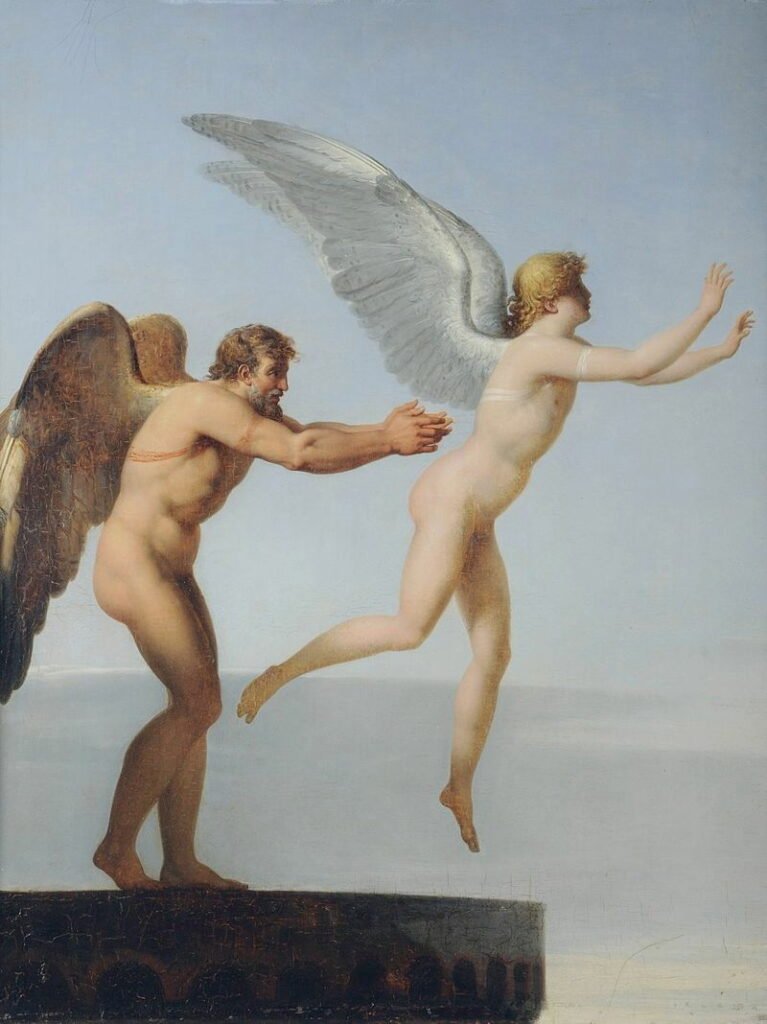
After Theseus escaped, King Minos locked up Daedalus, the brilliant inventor of the labyrinth, together with his son Icarus. To escape, Daedalus built two pairs of wings from feathers held together with wax.
Before they took off, he warned Icarus not to fly too low, where the sea spray would soak the feathers, or too high, where the sun would melt the wax. But Icarus was so thrilled by flying that he soared higher and higher. The wax melted, the feathers came loose, and he fell into the sea. “Flying too close to the sun” still means being destroyed by your own ambition.
3. Oedipus
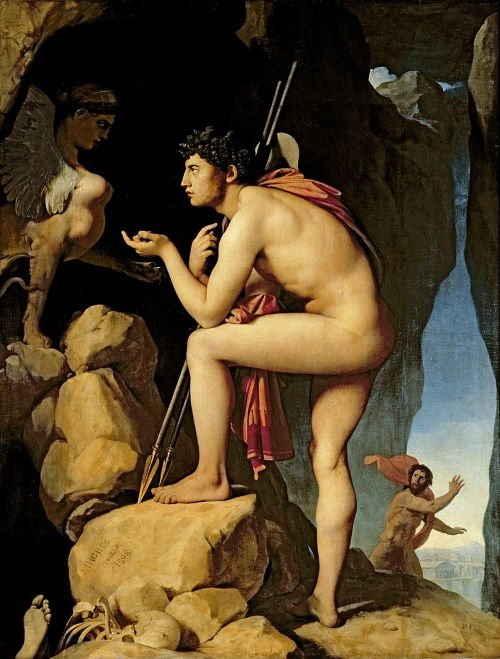
An oracle warned King Laius of Thebes that his son would kill him and marry his wife. So when Oedipus was born, Laius had the baby left on a mountainside to die. But a shepherd saved him, and he was raised by the king and queen of Corinth, believing they were his real parents.
As an adult, Oedipus heard the same prophecy and fled Corinth to avoid it. On the road, he killed a stranger in a quarrel: Laius. He then solved the riddle of the Sphinx, freed Thebes and married its widowed queen, his own mother. When the truth came out, his mother took her own life and Oedipus blinded himself. Sigmund Freud later named his “Oedipus complex” after him.
2. The twelve labors of Heracles
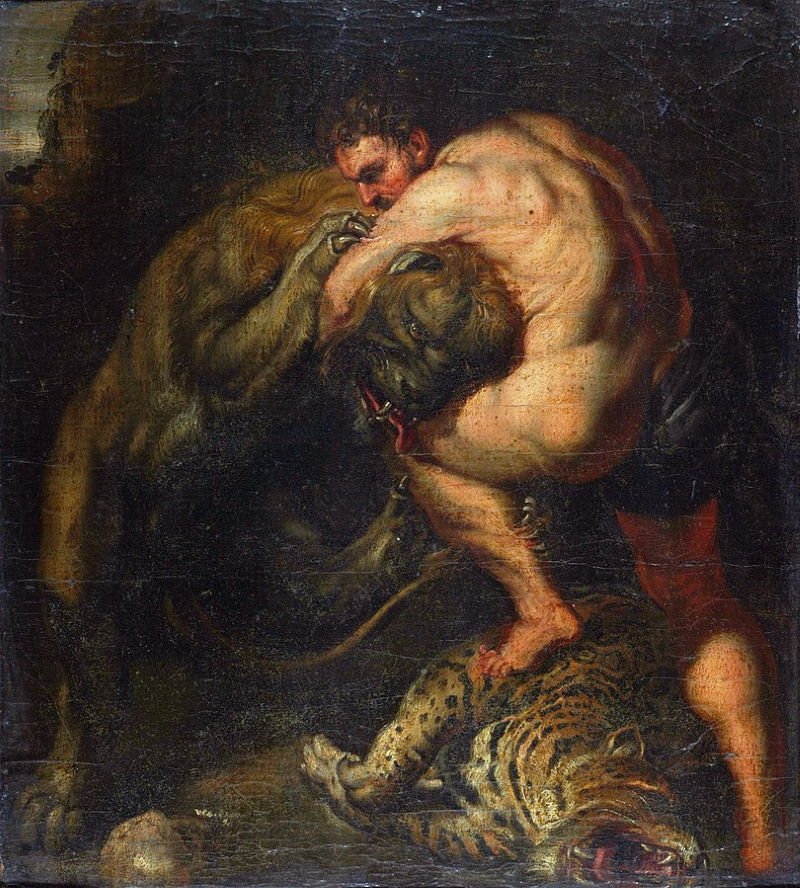
Heracles, called Hercules by the Romans, was the son of Zeus and a mortal woman, and the strongest man who ever lived. Zeus’s wife Hera hated him from birth and even sent two snakes to his crib, which the baby strangled with his bare hands.
Driven mad by Hera, Heracles killed his own family. As penance, he had to perform twelve impossible labors, such as killing the Nemean lion, slaying the many-headed Hydra, cleaning the enormous stables of King Augeas in a single day and bringing back Cerberus, the three-headed guard dog of the underworld. After his death, he was taken up to Mount Olympus and became a god.
1. The Trojan Horse
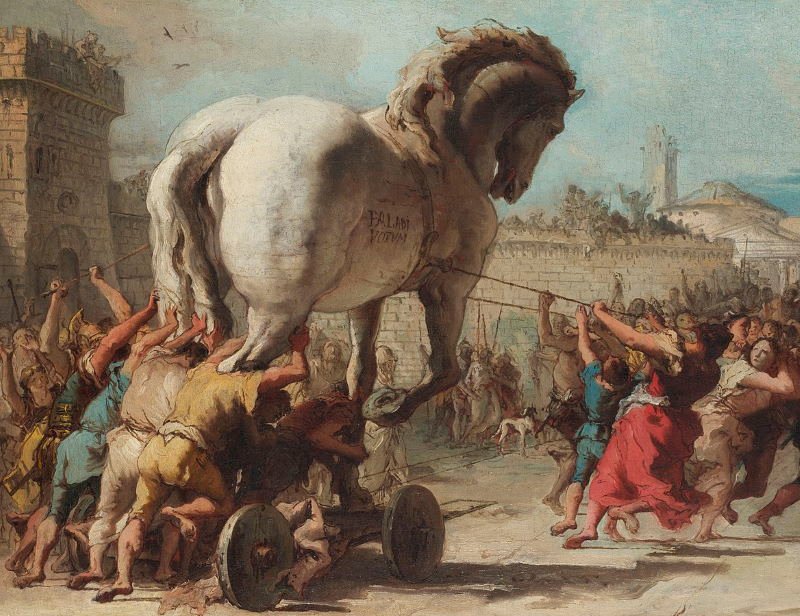
The Trojan War started when the Trojan prince Paris took Helen, the most beautiful woman in the world and the wife of the Spartan king Menelaus, to Troy. The Greeks sent a huge fleet to get her back, and for ten years they besieged the city without success.
Then the cunning Odysseus came up with a plan. The Greeks built a giant wooden horse, hid their best soldiers inside and pretended to sail away. The Trojans dragged the horse into their city as a trophy. That night, the soldiers climbed out, opened the gates and Troy fell. Today, a “Trojan horse” is also a type of computer virus that sneaks in disguised as something harmless.