A quick disclaimer first: “disgusting” is in the eye of the beholder. Every dish on this list is loved by someone, and many of them are cherished traditions. Plenty of people in other countries find blue cheese or black licorice revolting.
Still, for most visitors, these are the dishes that take real courage to try. Here are ten of the world’s most challenging foods, counting down to the most extreme.
10. Haggis (Scotland)
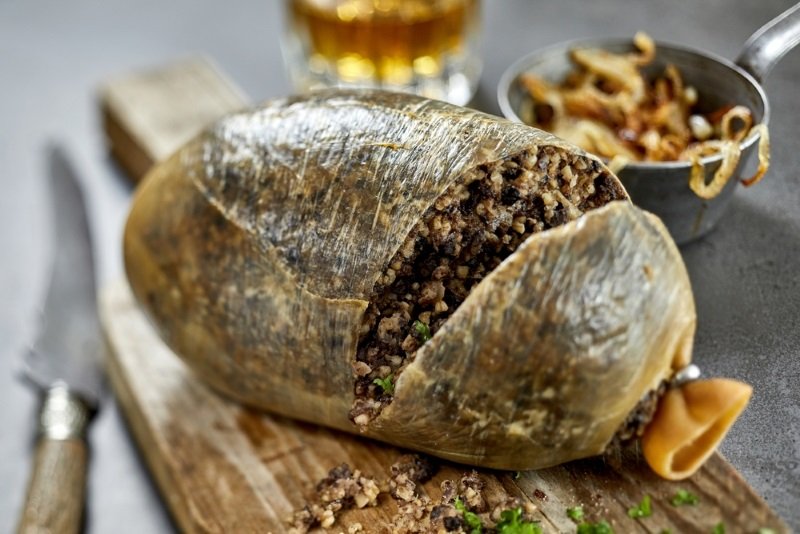
Scotland’s national dish is made from a sheep’s heart, liver and lungs, minced with onion, oatmeal, suet and spices, and traditionally cooked inside the animal’s stomach.
It sounds worse than it tastes: most people who try it find it peppery and surprisingly good. It is eaten every January 25 on Burns Night, with a recitation of Robert Burns’s “Address to a Haggis”. Traditional haggis was banned from import into the United States for decades because it contains lung.
9. Escamoles (Mexico)
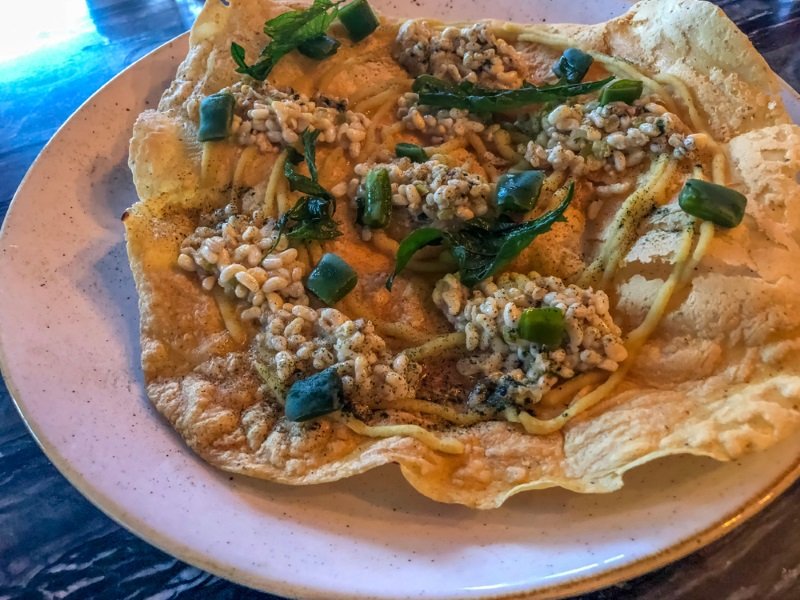
Escamoles are the larvae and pupae of giant black ants, harvested from the roots of agave plants. They have been eaten in Mexico since the time of the Aztecs and are sometimes called insect caviar.
Fried in butter with onion and chili, they taste buttery and slightly nutty. They are seasonal and hard to collect, which makes them pricey.
8. Pacha (Iraq)
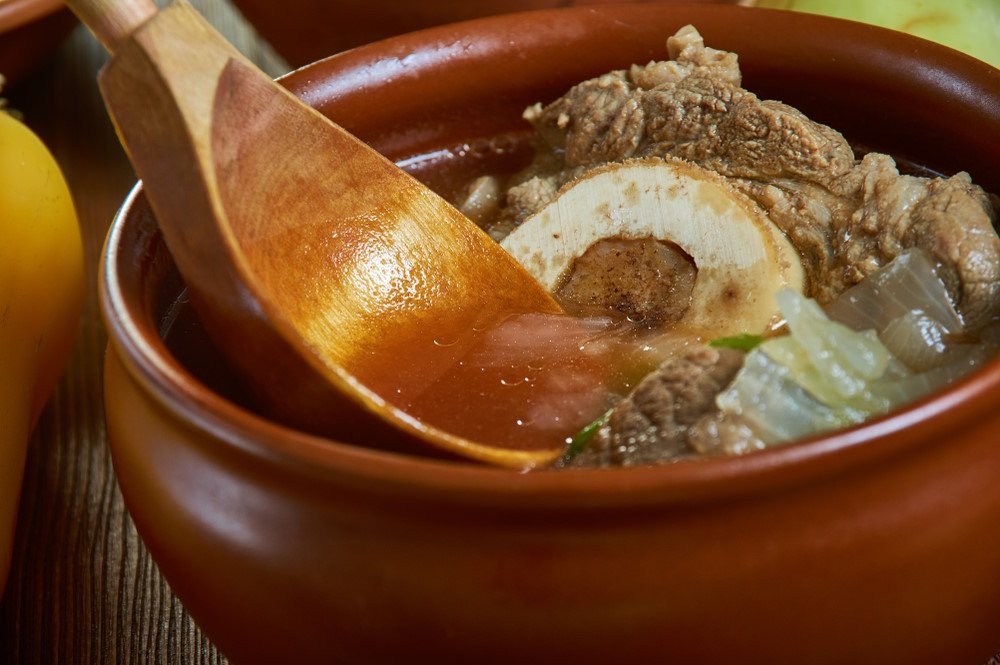
Pacha is a traditional Iraqi dish made from a sheep’s head, trotters and stomach, slowly boiled for hours. It is often eaten for breakfast and is considered a hearty winter treat.
Similar dishes are found across the region and beyond. In Norway, a smoked and boiled sheep’s head called smalahove is a Christmas delicacy, eye and ear included.
7. Balut (Philippines)
Balut is a fertilized duck egg that has been incubated for two to three weeks and then boiled. Crack it open and you find not just yolk but a partly developed duckling, with beak, feathers and bones.
It is sold by street vendors in the evening, eaten with a pinch of salt or a splash of vinegar, and is believed by some to be an energy booster.
6. Criadillas (Spain and Latin America)
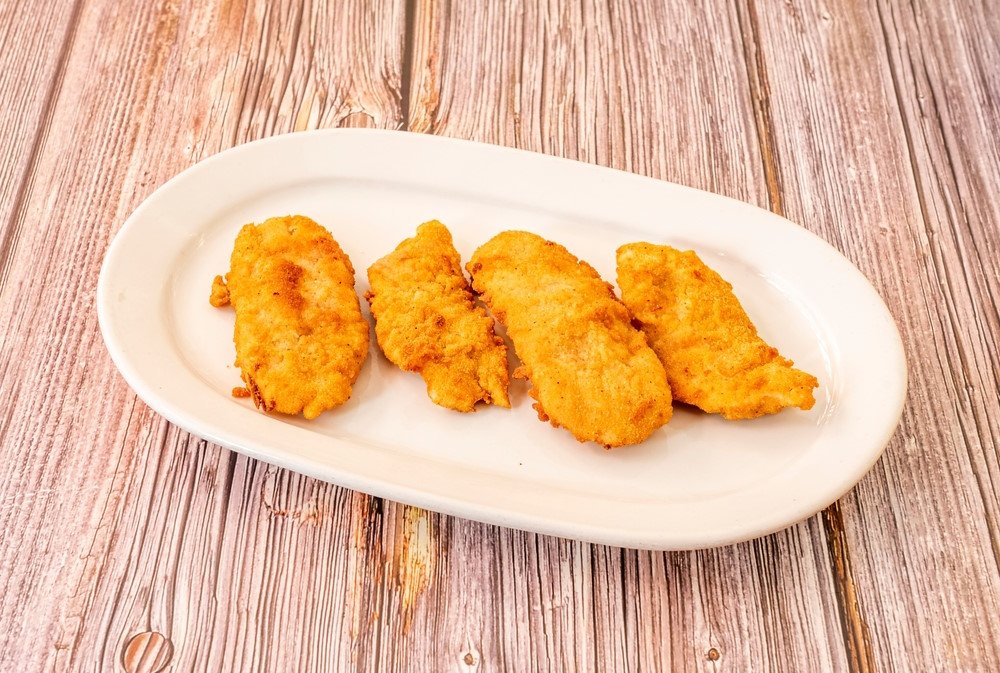
Criadillas are bull testicles, sliced, breaded and fried. They are popular in Spain, Argentina and Mexico. In the American West, they go by a more creative name: Rocky Mountain oysters.
People who eat them say they are tender and mild. For most first-timers, though, the challenge is entirely psychological.
5. Baby mouse wine (China and Korea)
This one is a classic of gross food lists, though how common it actually is remains unclear. It is said to be made by drowning newborn mice in rice wine and leaving them to ferment for a year.
It is sold as a health tonic in parts of China and Korea, but few locals have ever seen it. Those who have tasted it describe it as like gasoline mixed with raw meat.
4. Hasma (China)
Hasma is made from the dried fatty tissue found near the reproductive organs of Asian forest frogs. Soaked in water, it swells into a soft, jelly-like substance.
It is served in sweet soups as a dessert and is prized in traditional Chinese medicine, where it is believed to be good for the skin and the lungs. It is also one of the more expensive ingredients on this list.
3. Hákarl (Iceland)
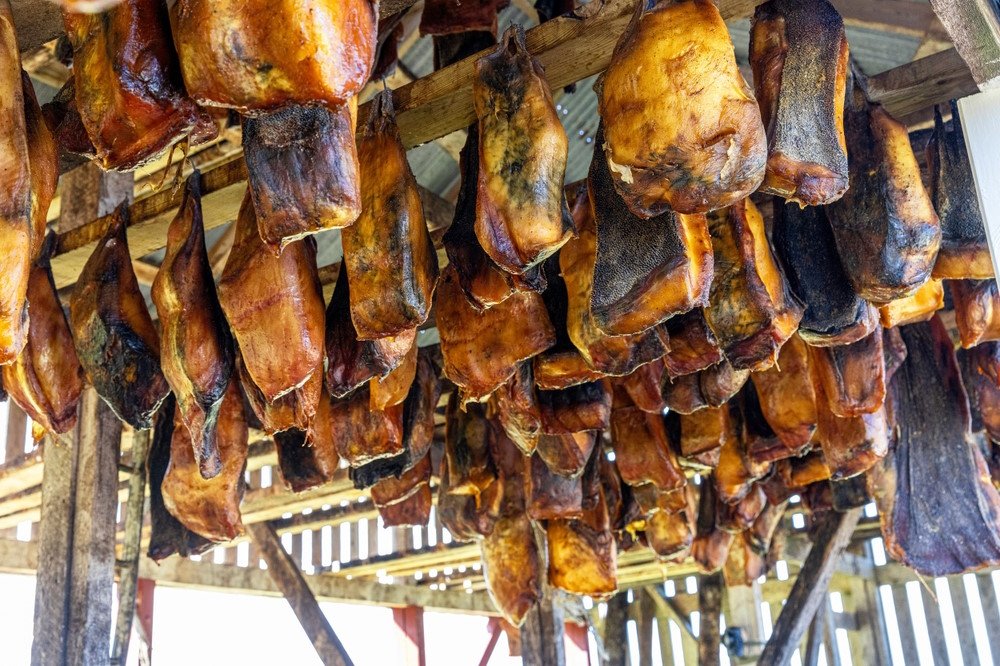
Fresh Greenland shark meat is poisonous, because it is full of urea and a toxic compound. Icelanders solved that problem centuries ago: they ferment the meat for weeks, then hang it to dry for months.
The result smells strongly of ammonia. Chef Anthony Bourdain called it the single worst thing he had ever eaten. It is usually served in small cubes with a shot of brennivín, a schnapps nicknamed “black death”.
2. Kiviak (Greenland)
Kiviak is a traditional Inuit dish from Greenland. Hundreds of small seabirds called little auks are stuffed whole into a seal skin, the air is pressed out and the skin is sealed with fat and buried under rocks for several months.
The birds ferment inside and are eaten whole, often during winter celebrations. It is an ingenious way to preserve food in the Arctic, but the smell is famously overpowering.
1. Casu marzu (Sardinia)
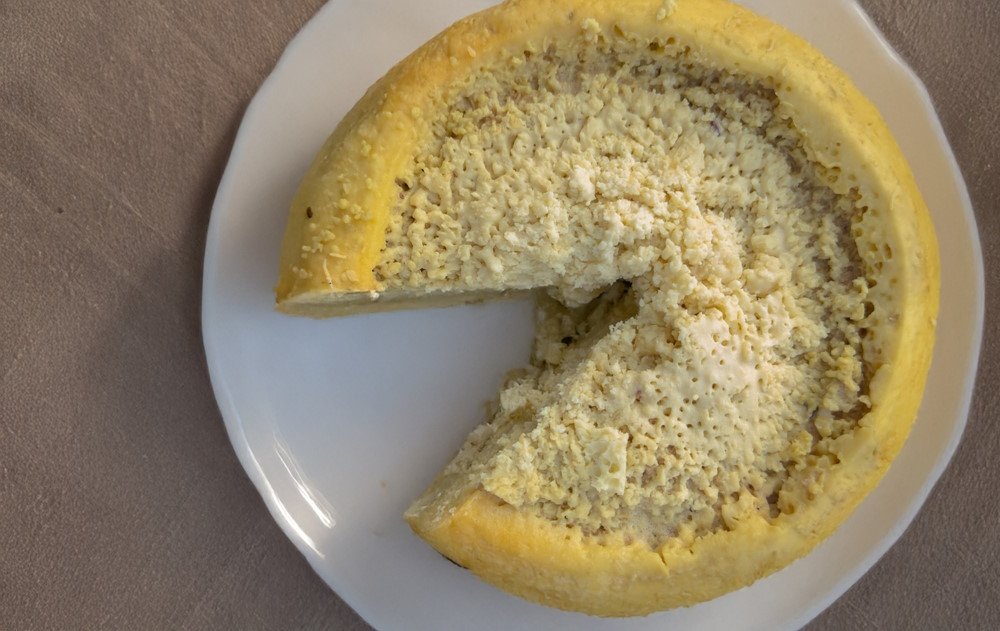
Casu marzu, “rotten cheese”, is a Sardinian sheep’s cheese that is deliberately left to be infested by cheese fly larvae. The maggots break down the fat, turning the cheese soft and creamy, and they are still alive when it is eaten.
Some people brush them off; others eat them along with the cheese. Be careful: the larvae can jump several centimeters. Because of food safety rules, it cannot be sold legally, but it is still made and eaten in Sardinia, and it is often named the most dangerous cheese in the world.