There are foods on this list that everyone knows can be dangerous, such as monkey brains and fermented cheese full of maggots. But did you know that you also have to be careful with rhubarb, kidney beans and cassava, common ingredients that are available at the greengrocer?
Exploring these standout selections reveals the fascinating history, skill, and cultural impact behind each subject. You can also discover more extraordinary highlights in our look at culinary hazards and toxic dishes.
1. The fugu (puffer or blowfish)
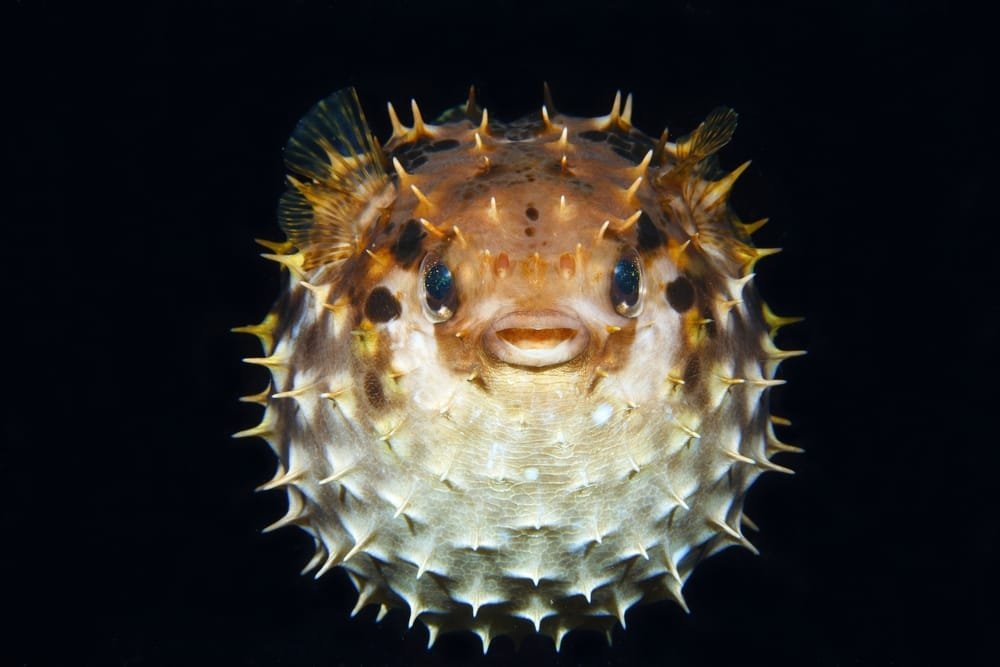
This fish is a pricey delicacy in Japan. If it is filleted and prepared correctly, there is nothing to worry about. Japanese chefs may even specialize in filleting this one fish, with each part precisely removed and set aside to avoid mistakes.
2. Ackee fruit
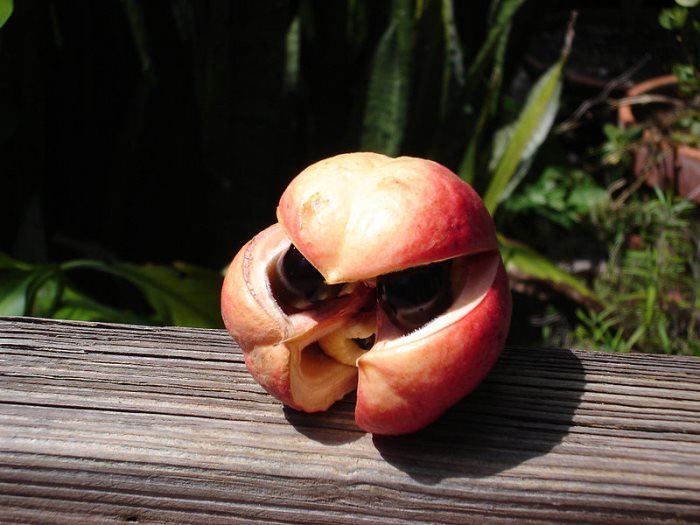
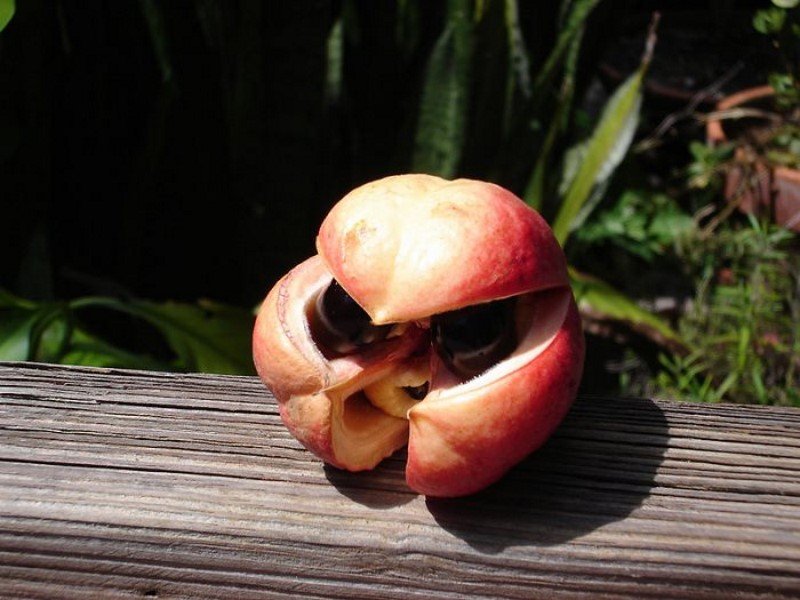
This fruit originates from West Africa and found its way to Jamaica through the slave trade, where it is today the national fruit. Ripe ackee fruit can be eaten raw or used in traditional dishes.
The danger lies in the unripe fruit and the large black seeds, which contain the poison hypoglycine. Once ingested, this poison can cause a condition known as Jamaican vomiting disease: severe hypoglycaemia, severe vomiting and in the most serious cases coma or death, fatal cases have been documented over the years, especially in children. Only when the fruit bursts open and fills itself
3. (The root of) the cassava
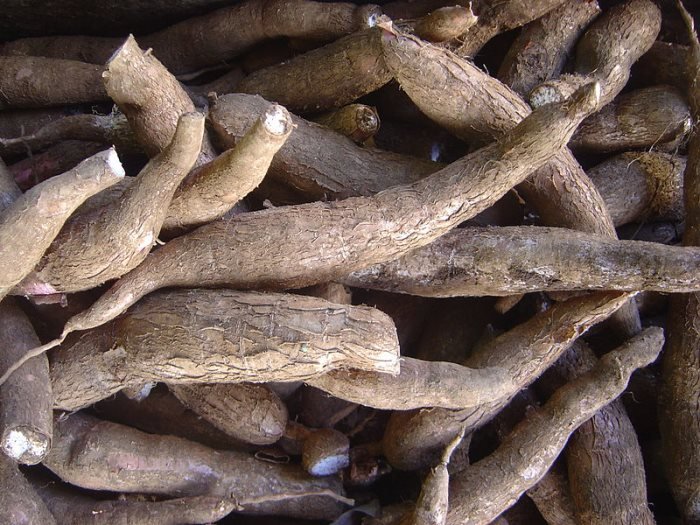
The root of the cassava plant is used to make tapioca. Prawn crackers are an everyday product in which tapioca flour is incorporated, and tapioca also often plays a role in diets.
If the cassava root is not prepared properly, it can produce hydrocyanic acid (cyanide), a strong poison. Acute poisoning can be fatal within hours, and in parts of Africa where cassava is a staple food and sometimes inadequately processed, a chronic nervous disorder known as konzo also occurs.
So if you want to get a healthy portion of carbohydrates, make sure that the cassava has been grown correctly and is bi Its lasting influence remains an essential benchmark in the field.
4. Wild mushrooms
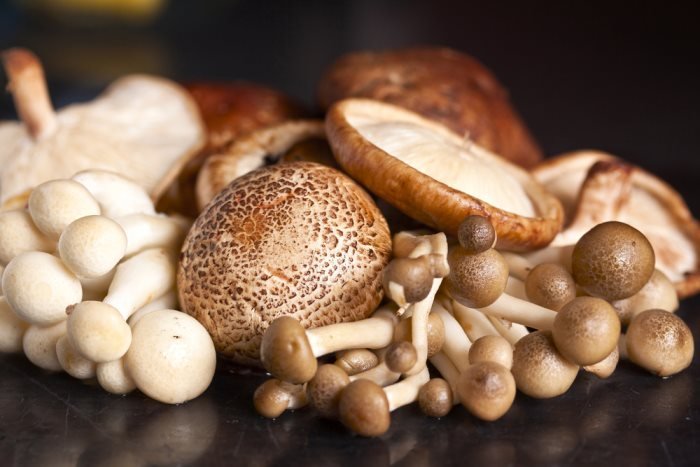
Fried in garlic butter with some Provencal herbs, or used in a pasta sauce: mushrooms are delicious. The danger lies in the idea that you can simply pick wild mushrooms during a walk in the woods and visually determine which ones are suitable for consumption.
Even experienced mushroom connoisseurs sometimes have trouble spotting the subtle differences between an edible species and something like the green tuberous manite, one of the most poisonous mushrooms in the world and responsible for the majority of fatal mushroom poisonings worldwide. So never go into the forest without a very experienced guide with the plan to make your own
5. Monkey brain
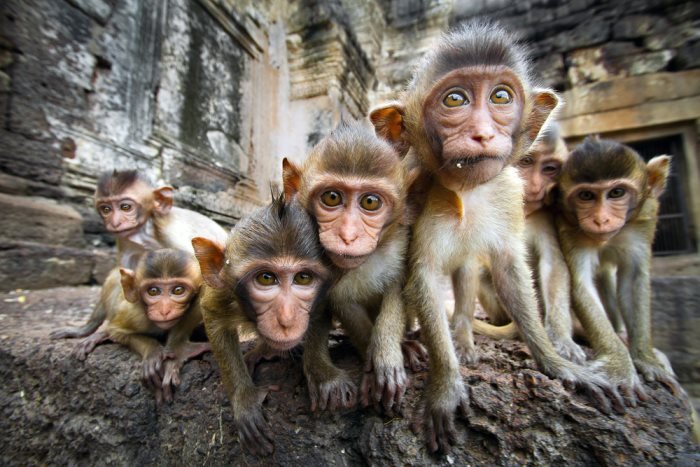
The movie “Indiana Jones and the Temple of Doom” contains a famous scene in which Indiana Jones feasts on chilled monkey brains. Pure fiction, of course, but in parts of the world, especially Asia, monkey brains are actually considered a delicacy. If it is on the menu at your local caterer, we do not recommend ordering from it.
6. The bullfrog (African ox frog)
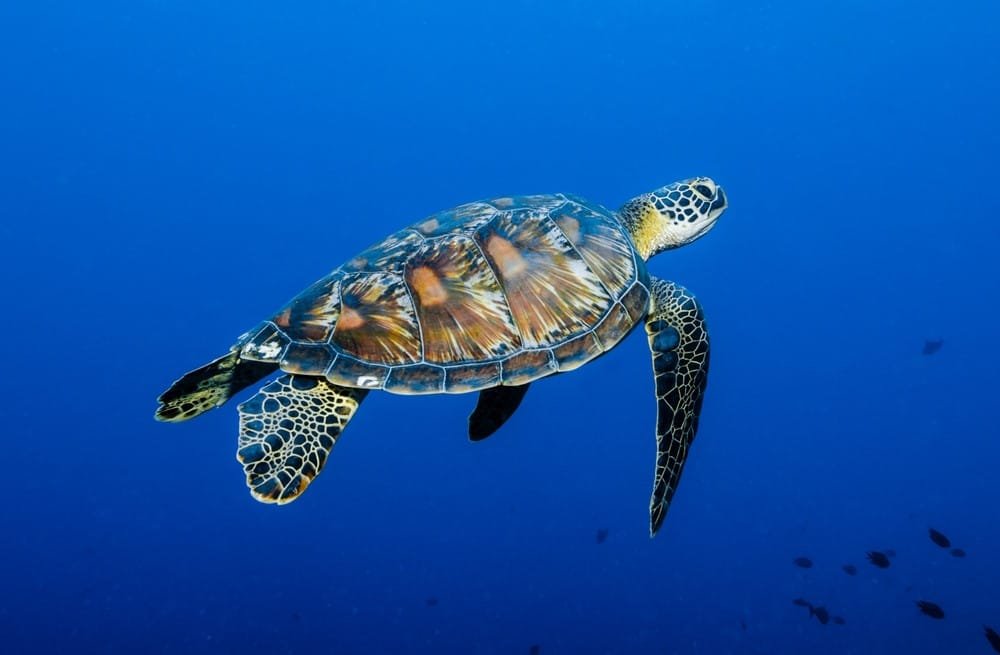
If you ever travel to the southern part of Africa, you will encounter the African ox frog as a local delicacy, known especially in Namibia as “efuma” or “omafuma”. If the frog is not eaten at the right time in its life cycle or is not properly prepared, it contains a poison known locally as oshiketakata.
This poison usually causes temporary kidney failure and a burning sensation when urinating, which is quite a price to pay for a meal. Sources do not fully agree on exactly how dangerous it is: in most cases, quick medical intervention is enough to recover, but there have also been reports
7. The sannakji octopus
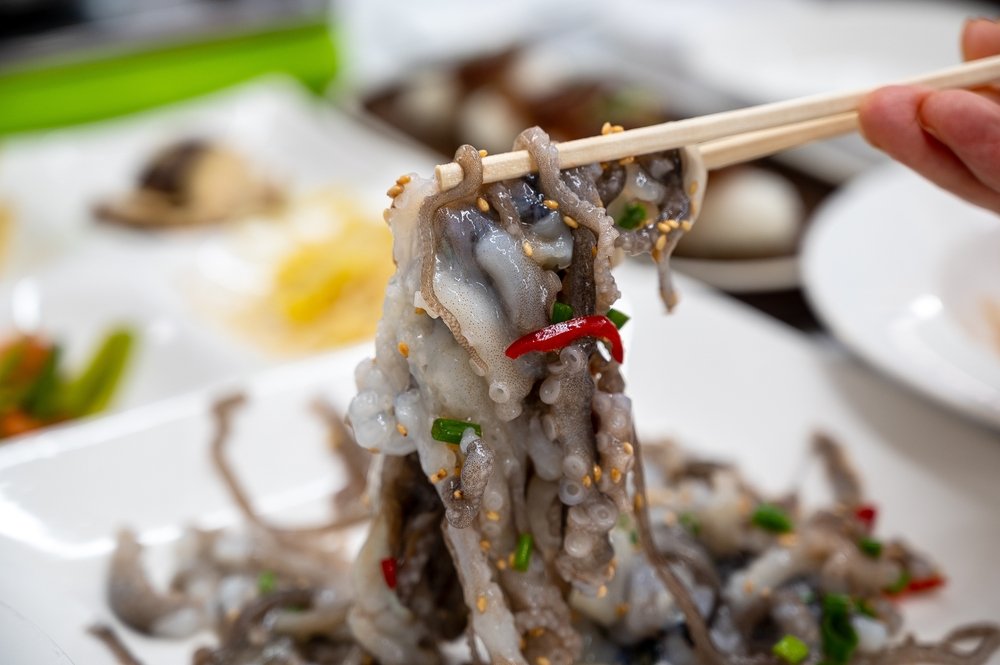
This octopus from Korea is a different story. No poison this time, but custom requires that sannakji be served so fresh that the tentacles and suckers are still moving on the plate.
The danger lies in the preparation itself, or rather the lack thereof: over the years there have been actual cases of people choking because the still active suction cups sucked on the throat wall while swallowing. Is it okay if we skip this hallway? More horrors?
8. Casu marzu
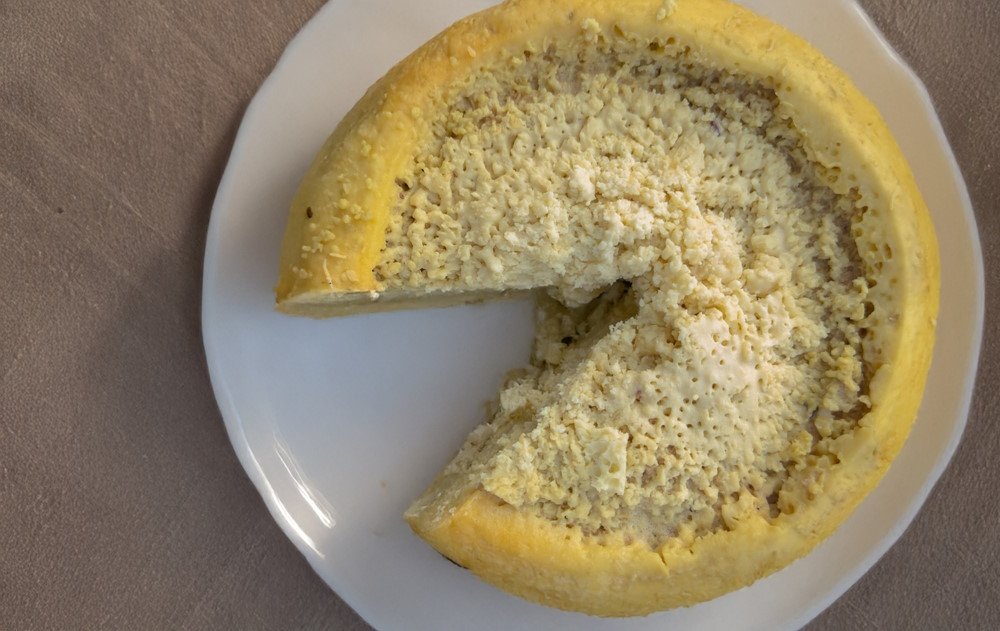
Casu marzu is the most dangerous type of cheese on the planet. This Italian cheese from Sardinia is also known as “the rotting cheese”.
The cheese is left open to ripen for days, giving flies the opportunity to lay eggs. The larvae that emerge eat the cheese, which speeds up the fermentation process. Just like raw milk cheeses, the production of casu marzu is prohibited by law, although the local population of Sardinia does not care much about this.
9. Rhubarb
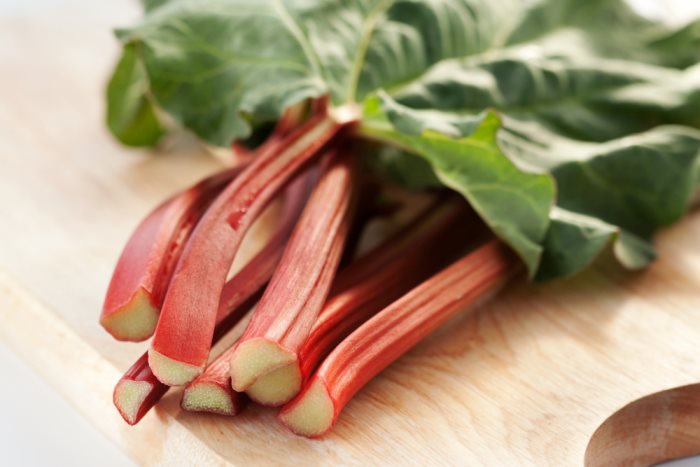
Not as widely known as it used to be, but still used for pastries or compote, for example. Rhubarb has a nice combination of sweet and sour, although you can also take that literally: never use or eat the green leaves of this plant, only the stems.
Rhubarb leaves contain a lot of oxalic acid, which can lead to poisoning if ingested in large quantities. Possible symptoms include nausea, vomiting and kidney problems, and in rare, severe cases also seizures and breathing problems.
It takes quite a lot of leaves to become really dangerous, but it isn’t tasty anyway. So keep it b
10. Raw kidney beans
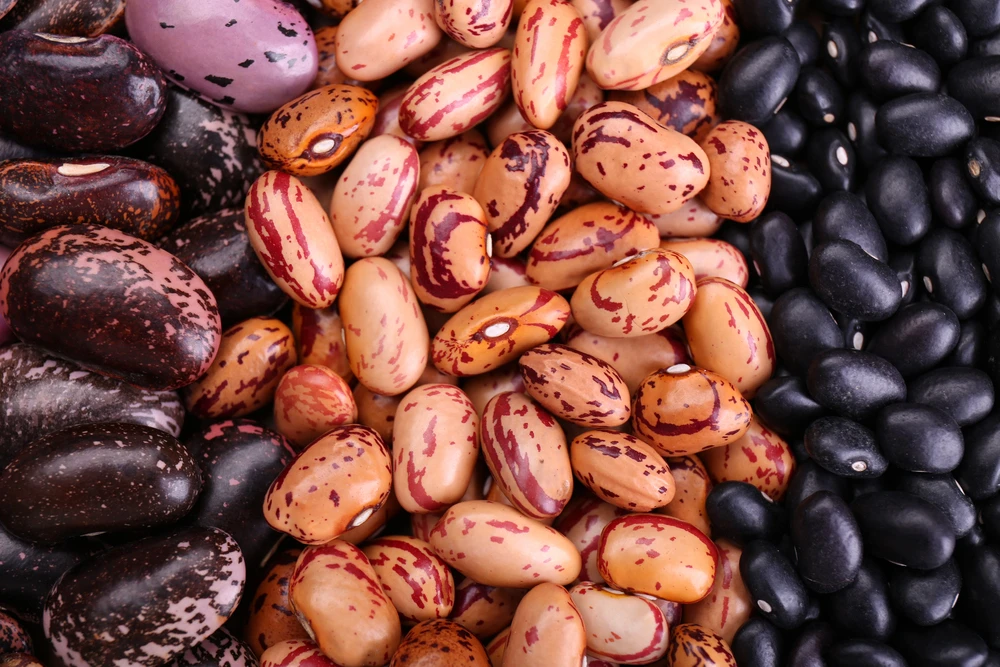
Kidney beans naturally contain the protein phytohemagglutinin, present in high concentrations in raw or undercooked beans. According to the Food and Drug Administration’s “Bad Bug Book,” raw red kidney beans contain between 20,000 and 70,000 so-called hemagglutination units, compared to only 200 to 400 after proper cooking.
Just four or five raw or undercooked beans can cause severe nausea, vomiting and diarrhea within a few hours. A slow cooker often doesn’t reach the temperatures needed to break down the toxin, so the FDA recommends first soaking dried beans for at least five hours and then
Every selection highlighted here represents an exceptional example of talent, dedication, or historical significance. Which of these standout entries do you consider the most impressive?