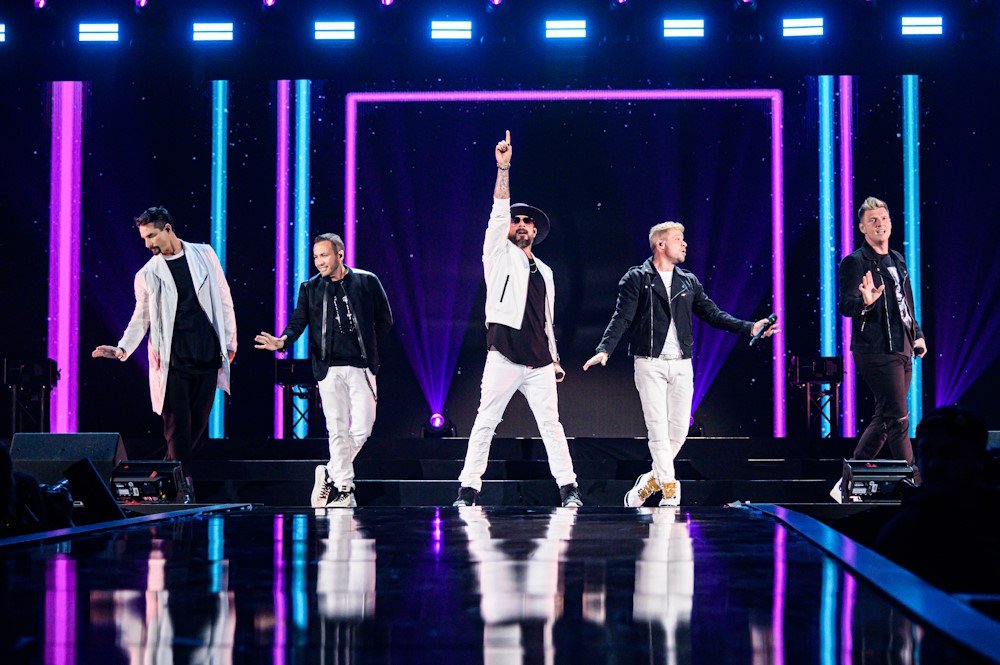
Formed in Manchester in 1990 by manager Nigel Martin-Smith, Take That, Gary Barlow, Robbie Williams, Mark Owen, Howard Donald, and Jason Orange, began as Britain’s answer to New Kids on the Block. Yet while most boy bands vanish after their teenage fanbase matures, Take That achieved one of the most astonishing, triumphant artistic second acts in pop history.
Anchored by Gary Barlow’s world-class pop songwriting craftsmanship and soaring vocal arrangements, Take That sold over 45 million records, scored twelve UK number-one singles, and staged record-breaking stadium spectacles.
10. Back for Good
The song that elevated Take That from teenage teen-pop sensations to respected mainstream songwriters. Written by Gary Barlow in barely fifteen minutes, “Back for Good” is an acoustic-pop masterpiece featuring gentle nylon-string guitars, lush strings, and an irresistible melody of romantic reconciliation.
Accompanied by an iconic black-and-white music video featuring the five band members singing in pouring rain, the track hit number one in 31 countries and even broke into the top ten of the US Billboard Hot 100, winning the Brit Award for British Single of the Year.
9. Rule the World
Commissioned by director Matthew Vaughn as the end-credits theme for the 2007 fantasy blockbuster film Stardust, “Rule the World” is a cinematic arena anthem of towering proportions. Built around Barlow’s stirring piano intro and swelling orchestral strings, the song builds to a massive stadium crescendo.
The song became one of the biggest-selling singles of their career, certified multi-platinum in the UK and famously performed during the London 2012 Olympic Games Closing Ceremony as the Olympic cauldron was extinguished.
8. Patience
When Take That reunited as a four-piece in 2006 after a decade apart, cynical music critics anticipated a nostalgic flop. Instead, lead single “Patience” engineered one of the greatest commercial comebacks in British music history.
Produced by John Shanks, the track was a mature, guitar-driven pop-rock ballad about entering a new relationship while nursing old emotional scars.
7. Babe
Featuring a tender, boyish lead vocal from Mark Owen, “Babe” was the emotional centerpiece of 1993’s multi-platinum album Everything Changes. Telling the dramatic story of a man returning to his former lover’s doorstep after years away, only to discover she has raised their child without him, the song struck a deep chord with fans.
Hitting number one on the UK Singles Chart in December 1993, the song demonstrated that Mark Owen’s fragile, earnest vocal delivery was a formidable secret weapon.
6. A Million Love Songs
Remarkably, Gary Barlow composed this timeless soul-pop ballad on an upright piano when he was just fifteen years old in Cheshire. Driven by a silky, romantic saxophone solo and Barlow’s warm, effortless croon, “A Million Love Songs” introduced Take That’s serious musical credentials on their 1992 debut album Take That & Party.
The song became an instant wedding and prom staple across Britain, proving Barlow’s innate gift for crafting timeless adult contemporary standards from a very young age.
5. The Flood
The historic 2010 lead single from Progress that marked the triumphant reunion of all five original members, welcoming Robbie Williams back into the fold after fifteen turbulent years. Produced by electronic innovator Stuart Price, “The Flood” is a roaring, cinematic pop anthem driven by thunderous live drums and epic vocal trading between Barlow and Williams.
The accompanying music video, featuring all five men training together in a rowing scull along the River Thames, symbolized brotherhood, forgiveness, and mutual reconciliation.
4. Everything Changes
Featuring a charismatic, soulful lead vocal by Robbie Williams, the title track of their 1993 second album is pure early-1990s pop joy. Built on a funky rhythm guitar groove, uplifting horn fanfares, and an infectious gospel-style backing chorus, the song captures the dizzying optimism of young love.
The single became Take That’s fourth consecutive UK number-one hit, proving that Robbie Williams was already a natural, magnetic frontman in the making.
3. Shine
Featuring Mark Owen on joyful lead vocals, 2007’s “Shine” is a burst of technicolor sunshine inspired by the flamboyant glam-rock of Queen and ELO. Driven by an infectious piano bounce, brass stabs, and a vocoder-filtered guitar solo, the song was written as a supportive, loving tribute to former bandmate Robbie Williams during his personal struggles.
The track reached number one in the UK and won the Brit Award for Best British Single, cementing Take That’s status as masters of uplifting, stadium-scale joy.
2. Pray
Written by Barlow, the track was an infectious New Jack Swing-inspired R&B ballad paired with irresistible dance hooks. Accompanied by a legendary music video shot in Acapulco featuring choreographed dance routines on sun-drenched beaches, “Pray” won two Brit Awards and established Take That as the undisputed leaders of British pop.
1. Relight My Fire (with Lulu)
Taking the top spot as Take That’s most explosive, roof-raising party anthem, this 1993 cover of Dan Hartman’s 1979 disco classic is pure adrenaline. Kicking off with a dramatic symphonic prelude before erupting into a driving four-on-the-floor disco beat, the track pairs Gary Barlow’s energetic vocals with a legendary, fire-breathing guest appearance from Scottish pop icon Lulu.
When Lulu belts her legendary bridge (“You gotta be strong enough to walk on through the night!”), the track reaches an electrifying fever pitch. It remains the ecstatic peak of every Take That stadium tour.
Which choice on this list is your personal favorite? Share your thoughts and rankings in the comments below.