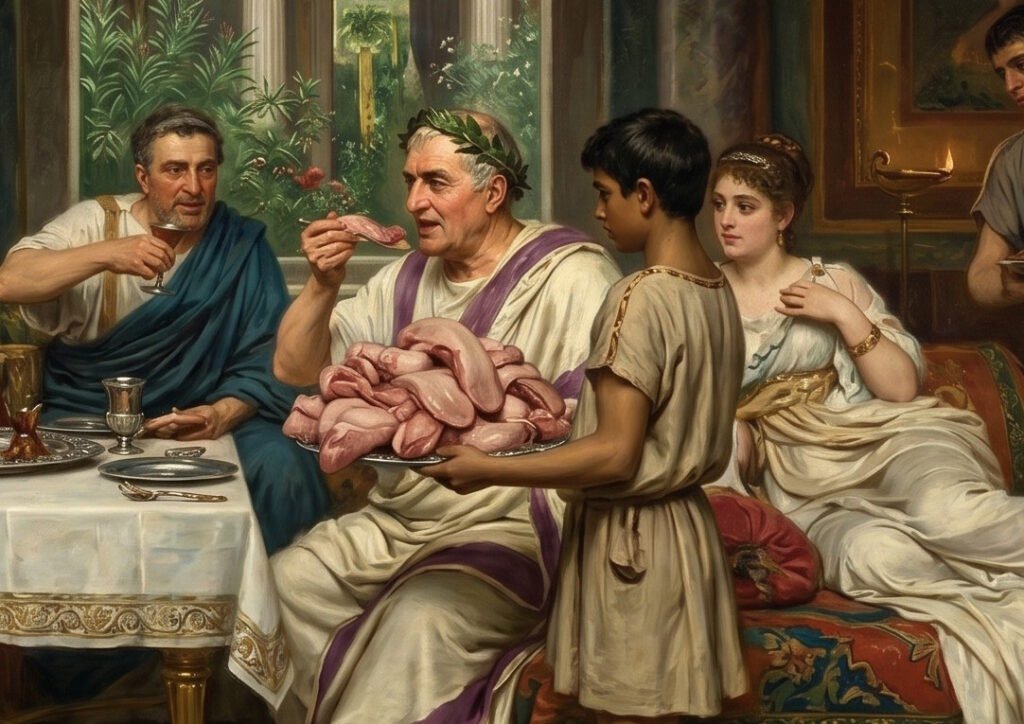
What we put on our plates is determined by culture, legislation and scarcity. An eighteenth century delicacy can today be a crime against nature.
Historical cookbooks are full of ingredients that we now find morally objectionable or dangerous. In this list we explore the world of forbidden gastronomy. For more exciting lists, explore our guide to controversial culinary delicacies.
1. Ortolan
The ortolan is the subject of the most cruel culinary ritual in French history. The bird is fattened until it weighs three times its normal weight.
He is then drowned alive in a glass of Armagnac, which marinates the meat from the inside. The bird is grilled whole and eaten in one bite. When eating, the guest must place a white napkin over his head.
2. Mock Turtle
In the nineteenth century, turtle soup was the highlight of London’s luxurious banquets. No official dinner was complete without this thick, hearty soup. The animals were brought alive by ship from the Caribbean to ensure freshness.
3. Roman Flamingo Tongue
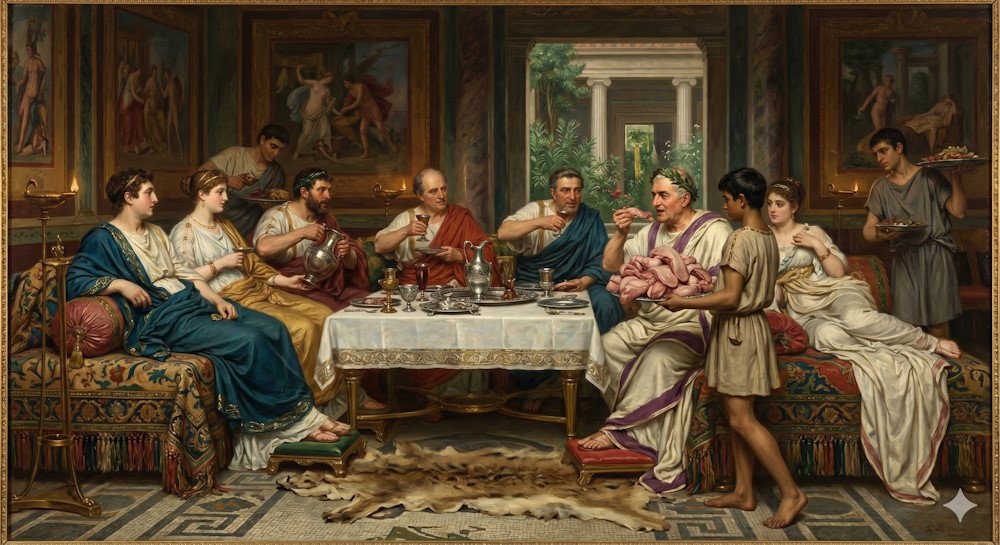
In ancient Rome, decadence reached its boiling point in the kitchens of emperors. The flamingo’s tongue was considered the most refined part of the bird.
To fill a single bowl with soles, thousands of birds had to be slaughtered for a single banquet. The flamingo is now a protected bird species under almost all international treaties. The idea of killing thousands of these animals for a handful of tongue meat is now considered insane.
4. Whale meat
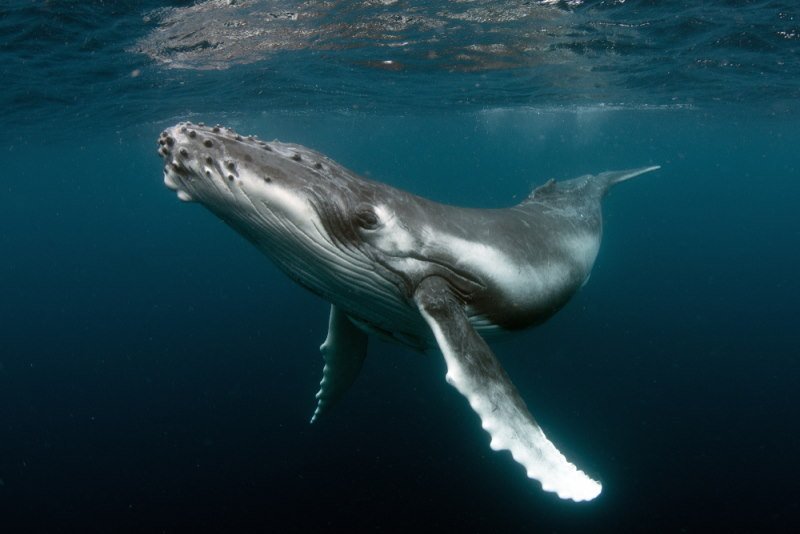
Whaling used to be one of the most lucrative industries in the world. From the Basques in the twelfth century to the enormous fleets of the nineteenth century; the whale provided oil and meat.
Since the international moratorium on commercial whaling in 1986, eating it has been banned in most countries. Whale populations had been decimated by industrial hunting. For the rest of the world, the whale has changed from prey to a symbol of global conservation.
5. Bushmeat (Great Apes)
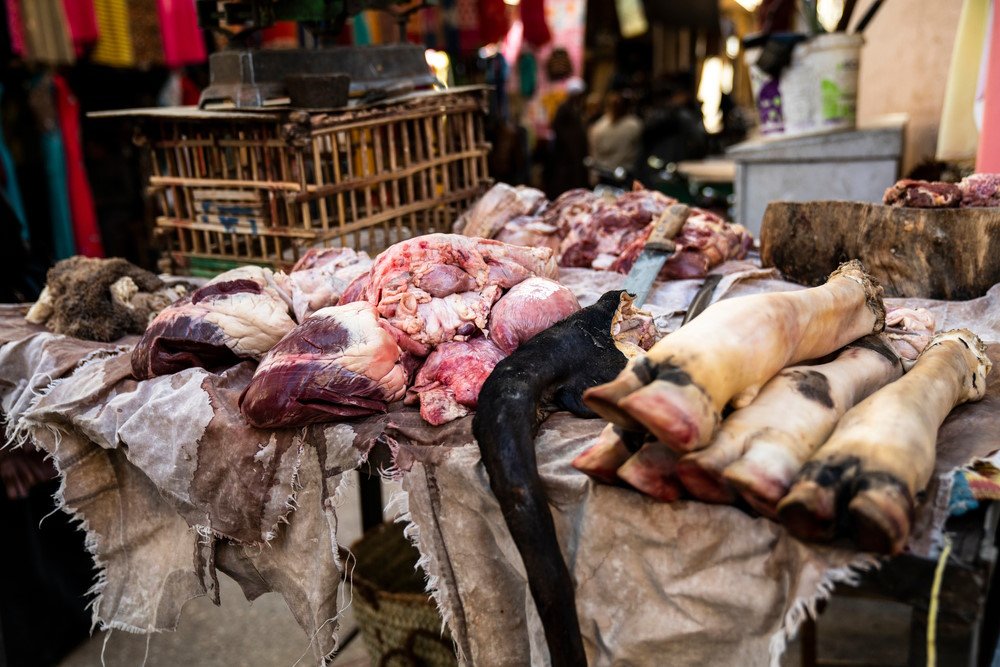
In parts of Africa, bushmeat has been a source of protein for the local population for thousands of years. Think of the meat of chimpanzees and gorillas.
In certain cultures, this meat is considered a delicacy, reserved for village chiefs or rituals. The ban on this meat is twofold: protection of endangered species and risks to public health. Great apes are genetically so closely related to us that diseases such as Ebola and HIV can easily spread during slaughter.
6. Shark fin soup
Since the Ming dynasty, shark fin soup has been a symbol of wealth and victory in China. The fin itself has little taste and is purely for the jelly-like texture. The flavor comes entirely from the rich chicken and ham broth in which the fin is simmered for hours.
7. The Chinese Giant Salamander
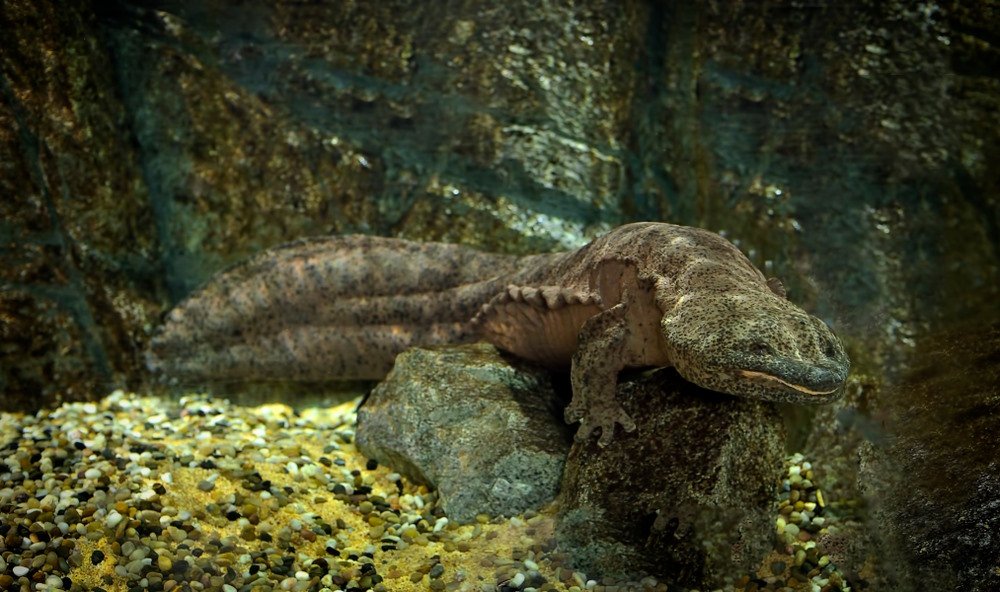
The Chinese Giant Salamander is often called a living fossil because the species has remained unchanged for millions of years. In China, the salamander was considered a source of eternal youth and a powerful aphrodisiac.
The meat has a texture similar to fish, but the taste is more reminiscent of chicken. The enormous popularity almost killed the salamander; the population in the wild collapsed completely. The Chinese government has now given the animal the highest protected status, making eating wild specimens illegal.
8. Ambelopoulia (Songbirds)
In Cyprus, ambelopoulia is a controversial delicacy consisting of small songbirds. The birds are grilled or boiled whole and then eaten with their skin and hair.
The method of capturing the birds is ecologically disastrous. Hunters use glue sticks or invisible mist nets, which kill millions of birds every year. Since 1974, hunting of these species has been officially banned in the European Union.
9. Swan meat
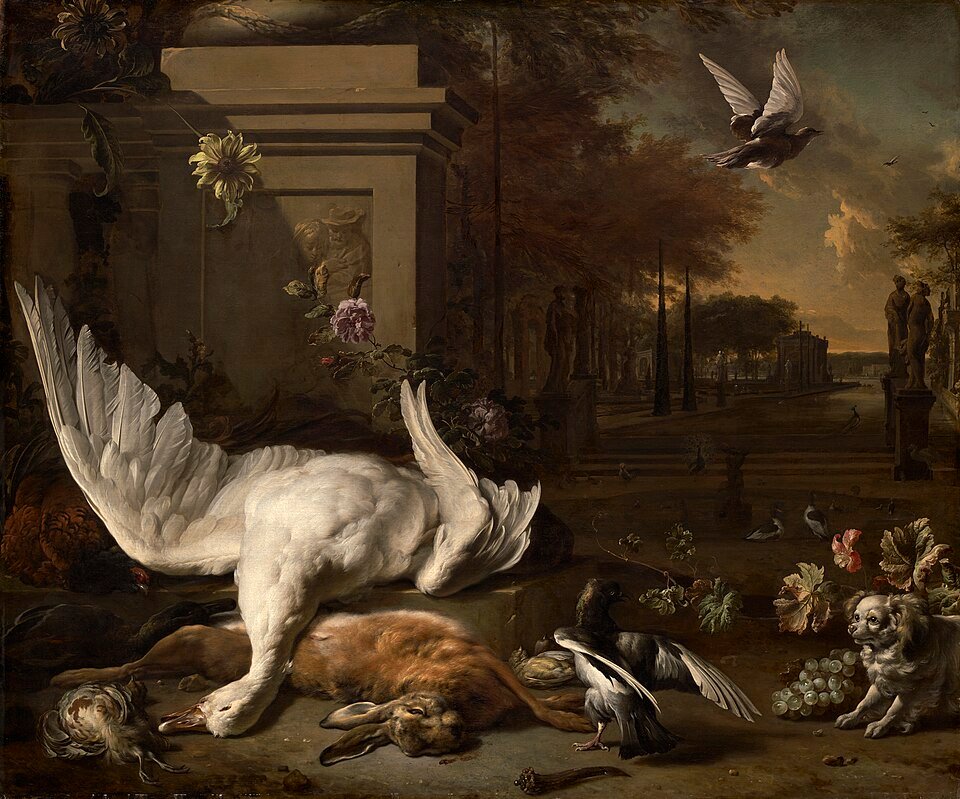
During the Middle Ages, the swan was the ultimate status symbol at banquets of the British nobility. The animal was often served in its entirety, including feathers and a gilded beak.
Henry VIII was a great enthusiast and had the birds bred for his royal celebrations. Nowadays, in the United Kingdom, eating a whooper swan is actually an insult to the crown. Since the twelfth century, the British monarch has claimed ownership of all unmarked mute swans in public waters.
10. Sassafras (Safrole)

The sassafras tree used to provide the main ingredient for root beer. The indigenous people had used the roots for tea for centuries and colonists eagerly adopted this custom.
It gave the drink its distinctive, earthy anise flavor that was the standard in American soda fountains for decades. The fun ended abruptly in the 1960s when the FDA discovered that the root and bark contained safrole.
This substance causes liver damage and cancer in laboratory animals. Since then, the use of natural sassafras in commercial foods has been strictly prohibited.
Every selection highlighted here represents an exceptional example of talent, dedication, or historical significance. Which of these standout entries do you consider the most impressive?