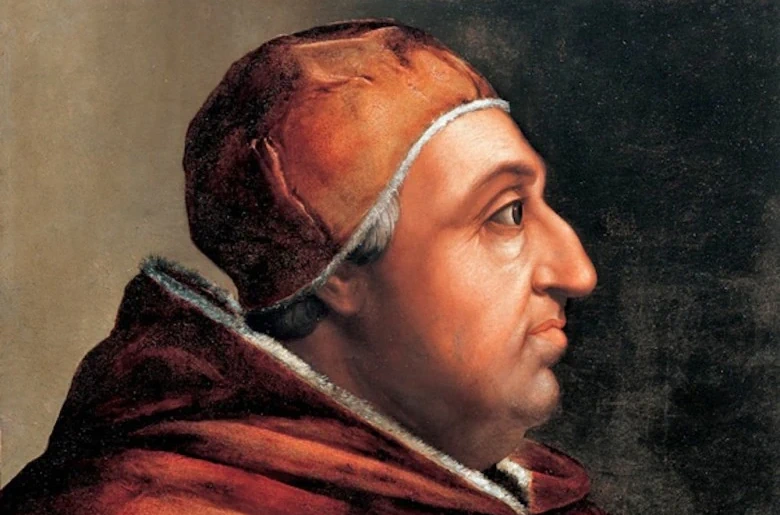
The history of the papacy includes periods of great holiness, but also centuries in which the Bishop of Rome acted like a worldly prince: leading armies, enriching his family and selling church offices to the highest bidder.
Ranking popes as the “most corrupt” is always somewhat subjective, and many stories about their excesses were written by political enemies. With that in mind, these are ten of the most controversial popes in history, counting down to the most infamous of all.
10. Innocent VIII (1484 to 1492)
Giovanni Battista Cibo owed his election largely to bribery. Once in office, he turned the sale of church positions and favors into a business to fill the papal treasury.
He openly acknowledged his children and married his son to a daughter of Lorenzo de’ Medici, then made Lorenzo’s 13-year-old son a cardinal. His bull of 1484 also gave witch hunters free rein in Germany, paving the way for the notorious witch-hunting manual Malleus Maleficarum.
9. Julius II (1503 to 1513)
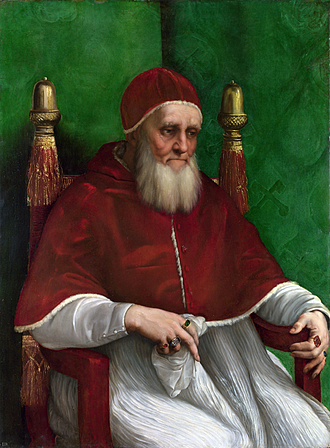
Giuliano della Rovere, known as “the Warrior Pope”, was more at home on the battlefield than at the altar. He personally led papal armies in full armor to reconquer cities such as Bologna and Perugia.
He was also one of history’s greatest art patrons: he commissioned Michelangelo to paint the Sistine Chapel ceiling, started the new St. Peter’s Basilica and founded the Swiss Guard in 1506. But his wars and buildings were paid for partly by selling church offices and privileges.
8. Sergius III (904 to 911)
Sergius III seized the papacy with the help of armed supporters. According to contemporary accounts, his two imprisoned predecessors, Leo V and the antipope Christopher, were strangled in prison shortly afterwards.
His reign began a period that later historians called the “pornocracy”, when powerful Roman noble families controlled the papacy. According to the chronicler Liutprand of Cremona, Sergius had an affair with the teenage noblewoman Marozia, and their son later became Pope John XI.
7. Leo X (1513 to 1521)
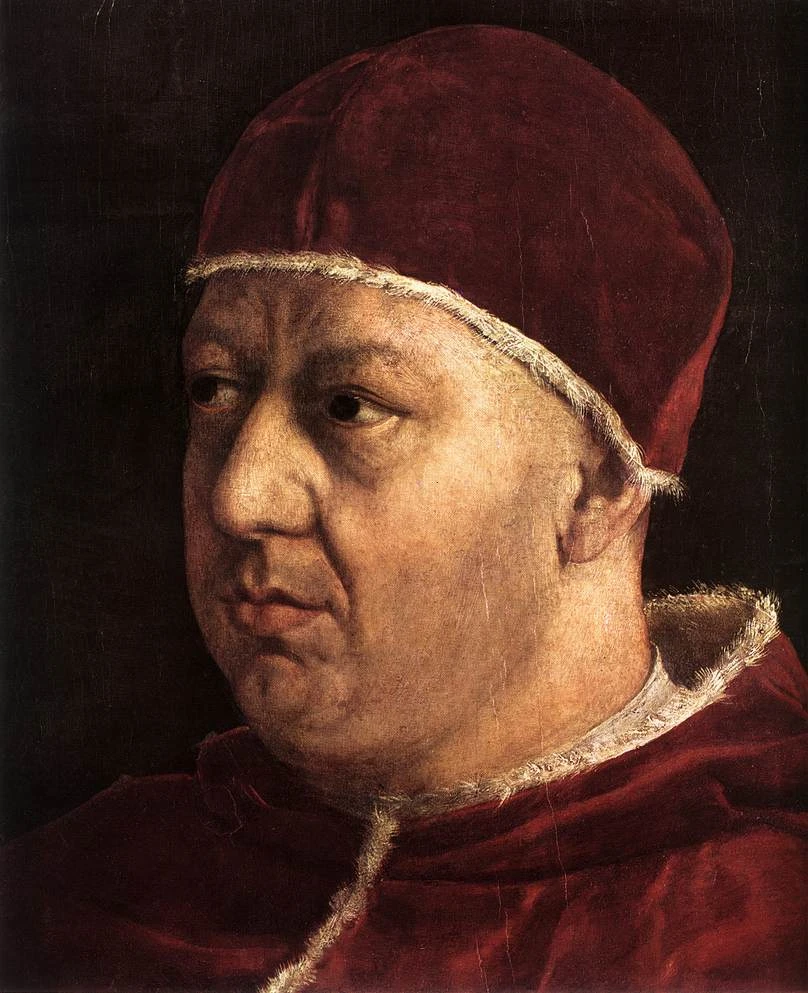
Giovanni de’ Medici is said to have declared: “God has given us the papacy, let us enjoy it.” He turned the Vatican into a lavish Renaissance court of banquets, theater and hunting parties, and even kept a white elephant named Hanno. Within two years, he had spent the reserves of his predecessor.
To fund the new St. Peter’s Basilica, the church stepped up the sale of indulgences, which promised a reduction of punishment for sins in exchange for money. In 1517, this led Martin Luther to publish his 95 Theses, sparking the Protestant Reformation and splitting Western Christianity forever.
6. Urban VI (1378 to 1389)
Urban VI was elected in 1378 under pressure from a Roman mob that demanded an Italian pope. Once in office, he turned into a violent, paranoid ruler who insulted his cardinals in public.
The French cardinals fled, declared his election invalid and chose a rival pope, starting the Western Schism, during which two and later even three men claimed to be pope. When several of his own cardinals were accused of plotting against him in 1385, Urban had them arrested and tortured. According to witnesses, he walked in the garden reciting prayers while they screamed. Most of them were never seen again.
5. Boniface VIII (1294 to 1303)
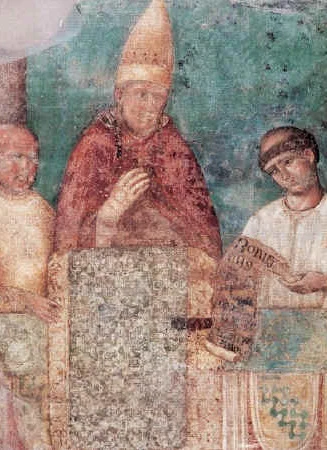
Benedetto Caetani became pope after persuading his predecessor, the hermit Celestine V, to resign. Fearing that his rivals might use the old man against him, Boniface had Celestine imprisoned, where he died within a year.
In 1302, Boniface claimed that all earthly rulers were subject to the pope. This led to a clash with King Philip IV of France, whose men attacked and captured the pope at Anagni in 1303. He died shortly after. Dante put him in hell in his Inferno, even though Boniface was still alive in the year the poem is set.
4. Benedict IX (1032 to 1048)
Benedict IX holds a unique record: he was pope three separate times, and he sold the papacy for cash. Coming from a powerful Roman family, he was put on the throne as a young man through bribery.
After being driven out by a revolt, he returned, then sold the office to his godfather, who became Gregory VI. When Benedict changed his mind and came back again, Rome had three rival popes. In 1046, the German King Henry III stepped in and had all three removed.
3. Stephen VI (896 to 897)

In January 897, Stephen VI staged one of the most bizarre trials in history. He had the corpse of his predecessor and political enemy, Pope Formosus, dug up, dressed in papal robes and propped up on a throne to stand trial.
During this “Cadaver Synod”, a deacon answered on behalf of the dead pope while Stephen shouted accusations at the body. Formosus was found guilty, the fingers he had used for blessings were cut off and his body was thrown into the Tiber. The outrage was so great that Stephen was soon overthrown, imprisoned and strangled.
2. John XII (955 to 964)
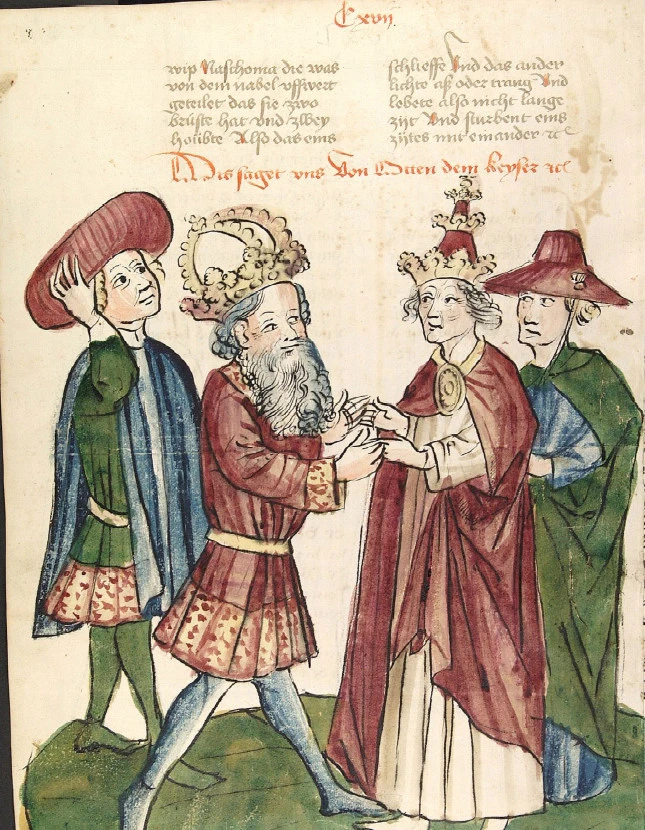
John XII was only about 18 when his father, the ruler of Rome, had him made pope. According to chroniclers such as Liutprand of Cremona, he gambled with church money, turned the Lateran Palace into a place of parties and seduced women of the Roman nobility.
He crowned Otto I as Holy Roman Emperor in 962, then plotted with Otto’s enemies. Otto had him deposed, but John returned and took revenge on his opponents. He died in 964, aged about 27, according to legend killed by the husband of a woman he was caught with.
1. Alexander VI (1492 to 1503)
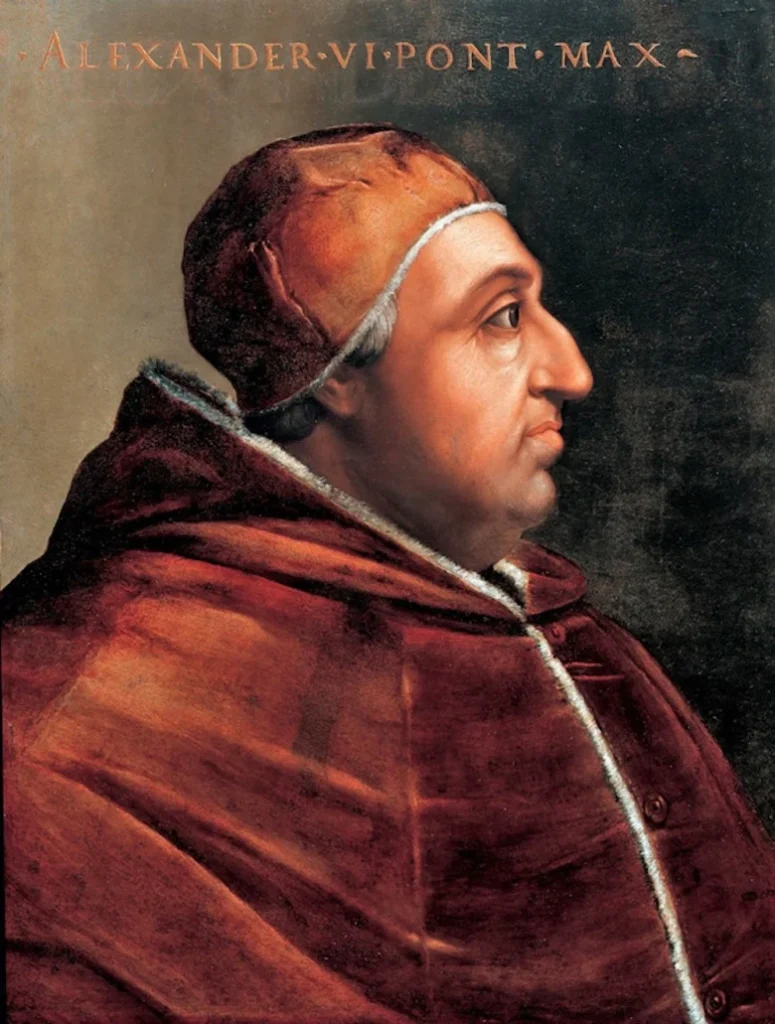
No name is more closely linked to papal corruption than Rodrigo Borgia. He is widely believed to have bought his election in 1492 with money, land and lucrative offices. As Alexander VI, he used the power of the papacy to build a dynasty for his family.
He openly acknowledged his children. His son Cesare became a cardinal at 18, later gave it up and conquered much of central Italy by force, while his daughter Lucrezia was married off several times to forge alliances. In 1493, Alexander also issued the bull that divided the newly discovered lands between Spain and Portugal. Many later stories about Borgia poisonings were exaggerated by enemies, but Alexander VI remains the ultimate symbol of the papacy as a worldly dynasty.