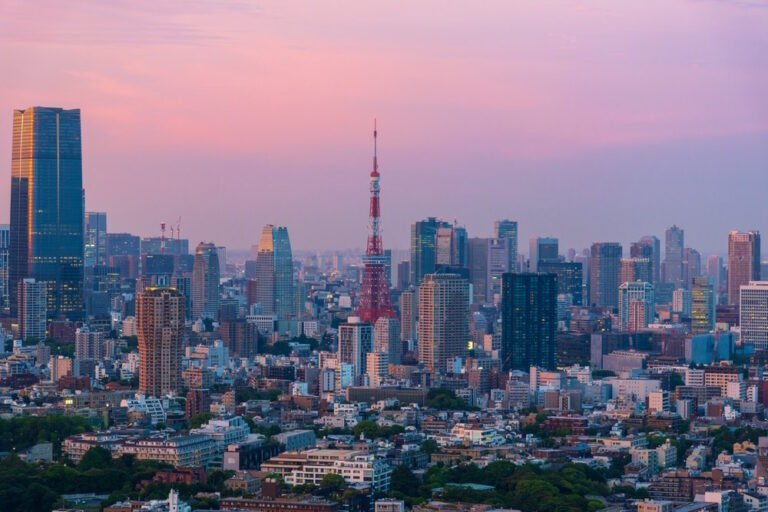
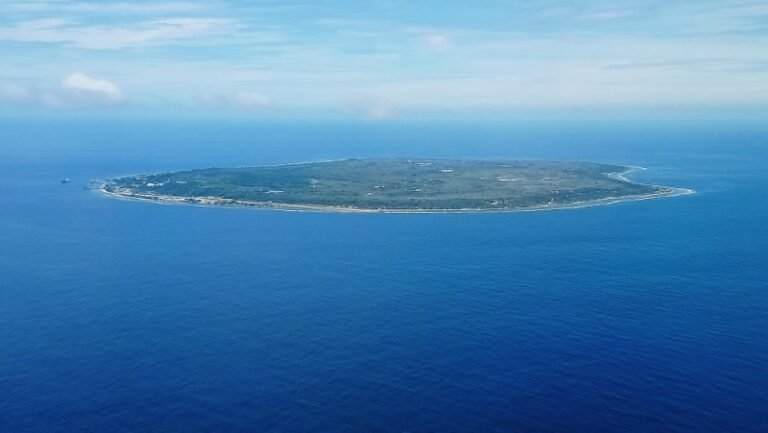
Out of the 195 sovereign states in the world, almost all have a capital city whose name is completely different from the name of the country itself: France has Paris, Japan has Tokyo, and Egypt has Cairo. Yet a select group of countries took a much simpler route, naming the entire nation after its capital city (or vice versa).
Even if you set aside true city-states like Singapore, Monaco, and Vatican City where the city and the country occupy the exact same border, ten full countries with multiple towns and rural provinces still share their name with their capital. Here they are.
10. Djibouti (Capital: Djibouti)
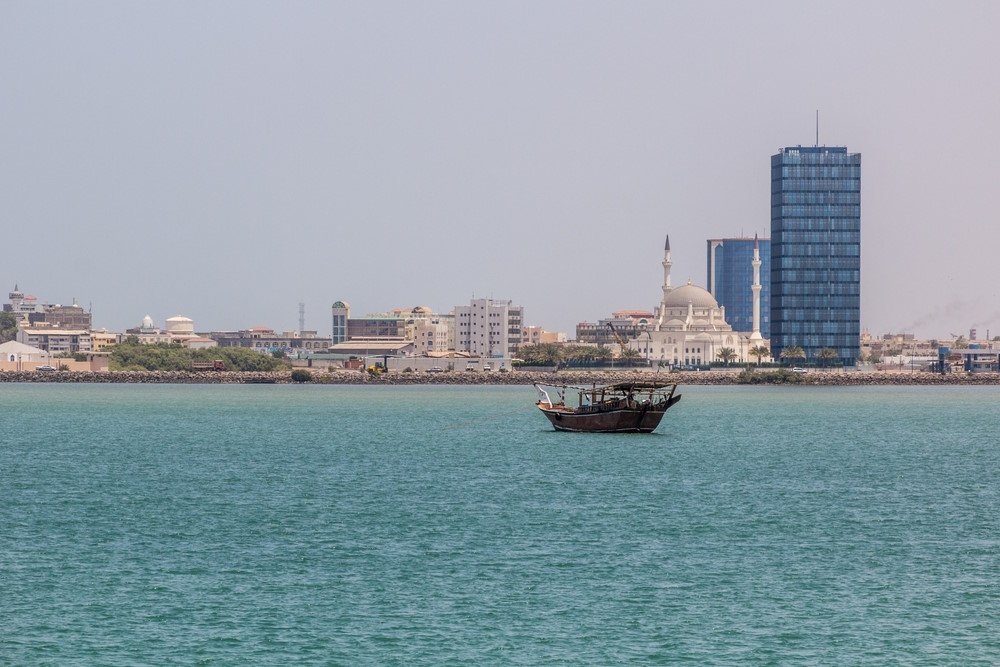
Located on the Horn of Africa at the southern entrance to the Red Sea along the strategic Bab-el-Mandeb Strait, the Republic of Djibouti took its name from its port capital when it gained independence from France in 1977.
Roughly 600,000 of the country’s 1.1 million residents live in Djibouti City, whose deepwater port serves as the primary maritime lifeline for landlocked neighbor Ethiopia and hosts military bases for the United States, France, China, Japan, and Italy.
9. Kuwait (Capital: Kuwait City)

The name Kuwait comes from the Arabic diminutive kut, meaning a small coastal fortress built near water. Founded in the eighteenth century as a walled fishing and pearl-diving port on the Persian Gulf, the city of Kuwait gave its name to the entire oil-rich emirate, where more than 95 percent of the country’s 4.5 million residents live within the Greater Kuwait City metropolitan area.
8. Luxembourg (Capital: Luxembourg City)

In the year 963, Count Siegfried acquired a rocky promontory above the Alzette and Petrusse river gorges known as Lucilinburhuc (Little Castle). That fortress town grew into Luxembourg City and eventually gave its name to the surrounding Grand Duchy of Luxembourg, whose historic cliffside fortifications and underground casemates are now a UNESCO World Heritage Site.
7. Guatemala (Capital: Guatemala City)
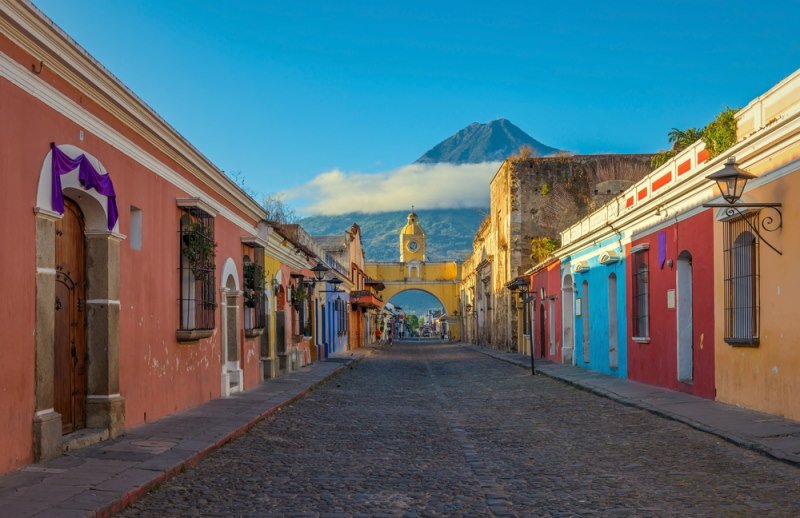
Derived from the Nahuatl word Cuauhtemallan (place of many trees), Guatemala is the most populous country in Central America at more than 18 million people. After volcanic earthquakes destroyed the old colonial capital of Antigua Guatemala in 1773, Spanish authorities moved the capital to a high mountain valley 1,500 meters above sea level and founded Nueva Guatemala de la Asuncion, known universally today as Guatemala City.
6. Panama (Capital: Panama City)
Founded by Spanish conquistador Pedro Arias Davila in 1519 as the first permanent European settlement on the Pacific coast of the Americas, Panama City gave its name to the surrounding isthmus and later to the Republic of Panama when it separated from Colombia in 1903. Today the glass skyscrapers of Panama City look directly out over the Pacific entrance to the 82-kilometer Panama Canal.
5. Andorra (Capital: Andorra la Vella)
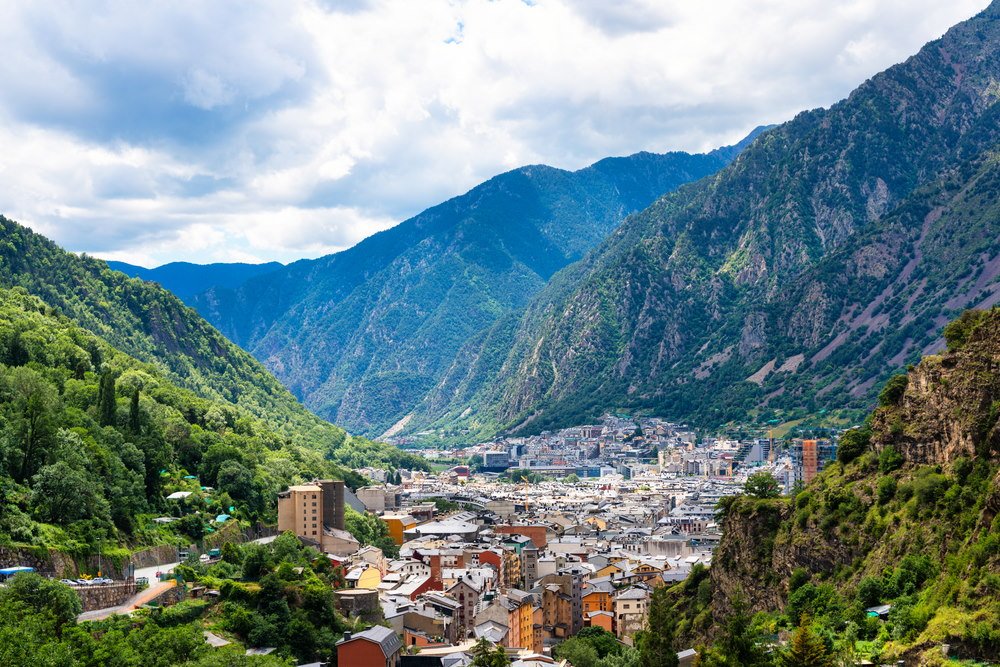
Tucked into the eastern Pyrenees between France and Spain, the Principality of Andorra is divided into seven administrative parishes. Its capital is Andorra la Vella (which in Catalan means Andorra the Town, rather than Andorra the Old, to distinguish the capital parish from the principality as a whole), sitting at 1,023 meters above sea level as the highest capital city in Europe.
4. San Marino (Capital: City of San Marino)

Although San Marino covers only 61 square kilometers inside Italy, it is not a single city-state: the republic is divided into nine municipalities (castelli) including Dogana and Serravalle. Its capital is the historic hilltop town of San Marino perched atop Mount Titano.
3. Democratic Republic of the Congo (Informally Congo-Kinshasa)
While the capital of the Democratic Republic of the Congo is Kinshasa, the country is universally referred to in diplomacy and everyday speech as Congo-Kinshasa to distinguish it from its neighbor across the river.
2. Republic of the Congo (Informally Congo-Brazzaville)

Directly across the Congo River from Kinshasa sits Brazzaville, capital of the smaller Republic of the Congo (Congo-Brazzaville). Kinshasa and Brazzaville are the closest pair of national capital cities on Earth outside Rome and Vatican City, facing each other across just four kilometers of water.
1. Mexico (Capital: Mexico City)
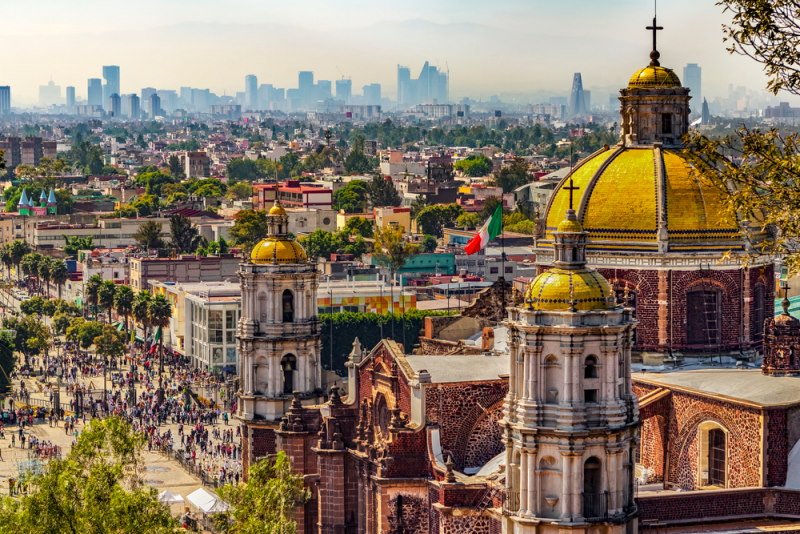
By far the largest country on Earth to share its name with its capital is Mexico.
Long before a country called Mexico existed, the Mexica (Aztec) people founded their island capital of Mexico-Tenochtitlan in Lake Texcoco in 1325. After Hernan Cortes conquered the city in 1521, the Spanish rebuilt it as the City of Mexico (Ciudad de Mexico), and when the Viceroyalty of New Spain won independence three centuries later in 1821, the entire new nation of 130 million people took its name directly from its ancient capital city.