The tiger is the largest cat in the world and instantly recognizable by its striped coat. But not all tigers are the same. Traditionally, scientists have recognized nine subspecies, each with its own look and range across Asia. Six still survive, and three have been wiped out in the last hundred years.
In 2017, a group of experts proposed simplifying this to just two subspecies: one for mainland Asia and one for the Sunda Islands of Indonesia. But the nine traditional types are still widely used, and each has its own story. Today, there are only around 5,500 tigers left in the wild.
1. Siberian tiger (Amur tiger)
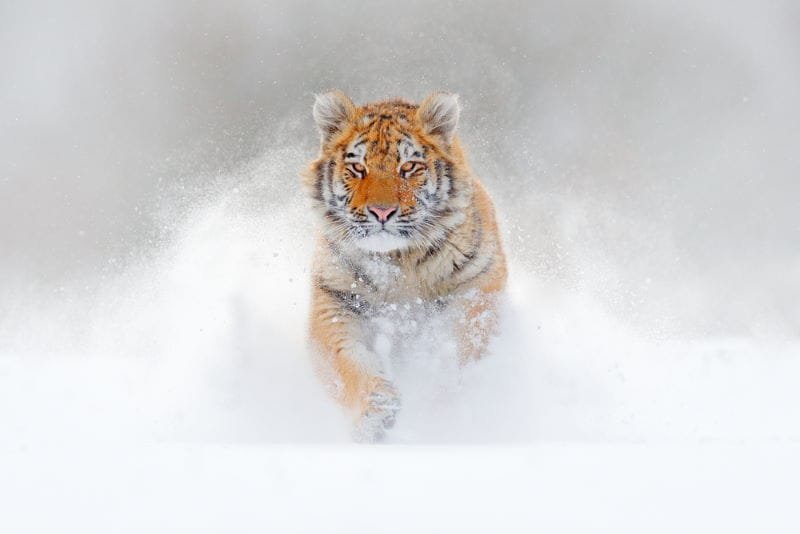
The Siberian or Amur tiger is the largest tiger of all. Males can be more than 3 meters long from nose to tail, and big males can weigh well over 200 kilograms. It has a paler orange coat than other tigers and a thick layer of fur and fat against the freezing winters.
It lives in the Russian Far East and northeastern China. In the 1940s, only a few dozen remained, but thanks to strict protection, there are now around 750 in the wild, mostly in Russia.
2. Bengal tiger
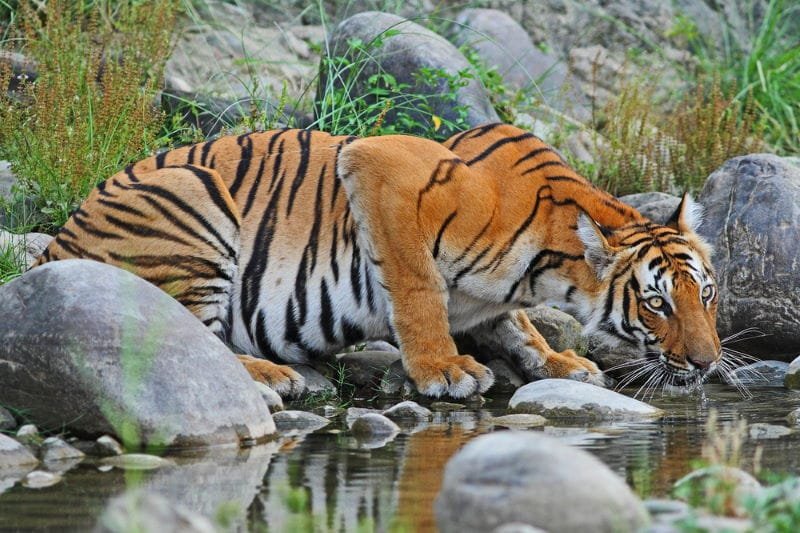
The Bengal tiger is the most common tiger in the wild. It lives in India, Bangladesh, Nepal and Bhutan, from forests and grasslands to the mangroves of the Sundarbans, where tigers are excellent swimmers.
India alone is home to about three-quarters of the world’s wild tigers, more than 3,600 according to its 2022 tiger census. The famous white tigers are Bengal tigers with a rare genetic variation, and they are almost never seen in the wild.
3. South China tiger
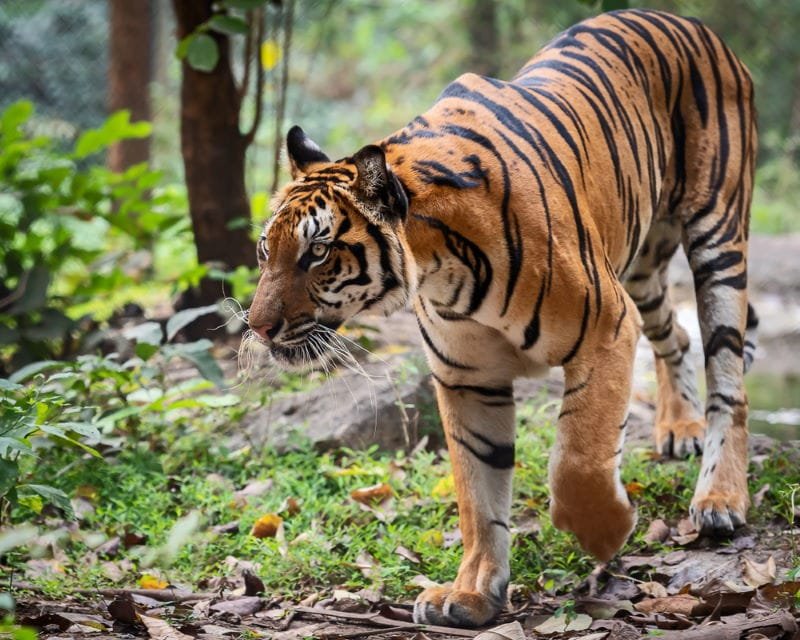
The South China tiger is the rarest tiger of all. In the 1950s, there were still about 4,000 in the wild, but the Chinese government labeled them pests, and they were hunted on a massive scale.
No wild South China tiger has been confirmed for decades, and it is considered probably extinct in the wild. Around 150 to 200 live in zoos and breeding centers in China, in the hope of one day returning them to the wild.
4. Malayan tiger
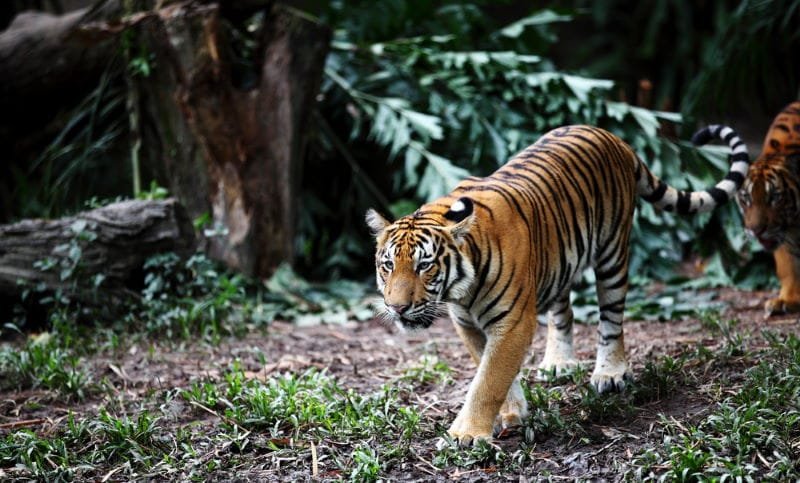
The Malayan tiger was only recognized as a separate subspecies in 2004, after DNA studies showed it differed from the Indochinese tiger. It lives in the forests of the Malay Peninsula and southern Thailand and is the national animal of Malaysia.
Its scientific name is Panthera tigris jacksoni, after Peter Jackson, a British conservationist who led the IUCN’s Cat Specialist Group, not the director of The Lord of the Rings. Sadly, fewer than 150 are thought to survive in the wild.
5. Indochinese tiger
The Indochinese tiger is also called Corbett’s tiger, after the British hunter and naturalist Jim Corbett. It once lived across Cambodia, Laos, Myanmar, Thailand and Vietnam, but it has disappeared from most of that range.
It is slightly smaller and darker than the Bengal tiger, with narrower stripes. Today, most of the remaining Indochinese tigers live in western Thailand, where their numbers are slowly recovering.
6. Sumatran tiger
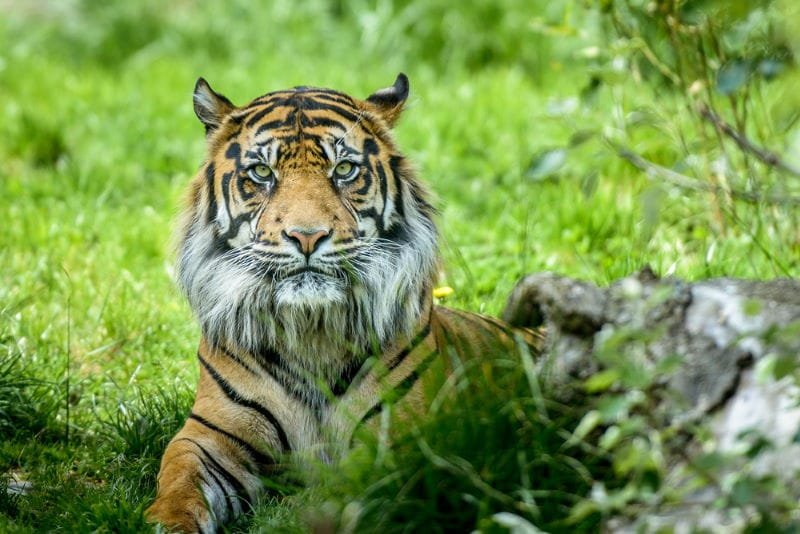
The Sumatran tiger is the last survivor of the island tigers of Indonesia and lives only on Sumatra. It is the smallest living tiger, with the darkest coat and the most closely spaced stripes.
It is critically endangered, with probably fewer than 600 left. Poaching and the clearing of rainforest for palm oil plantations are the biggest threats.
7. Bali tiger (extinct)
The Bali tiger was the smallest tiger of all, found only on the small Indonesian island of Bali. It was hunted relentlessly and lost much of its habitat to farming.
The last known Bali tiger was shot in 1937, and the subspecies was extinct within a few years. Not a single Bali tiger was ever kept in captivity, and only a handful of skins and skulls remain in museums.
8. Javan tiger (extinct)
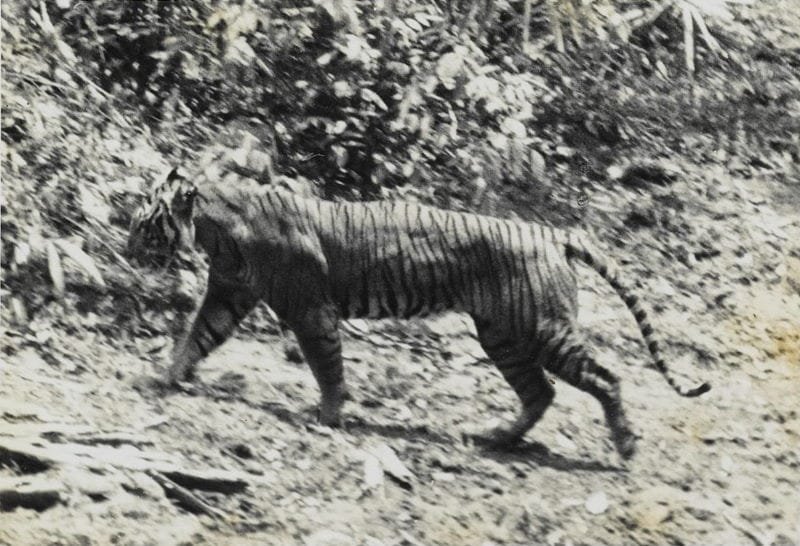
Like the Bali tiger, the Javan tiger lived only on one Indonesian island. As Java became one of the most densely populated places on Earth, the tigers had nowhere left to go.
The last confirmed sightings came from Meru Betiri National Park in the 1970s, and the Javan tiger was later declared extinct. Every few years, people report new sightings, but none have been confirmed.
9. Caspian tiger (extinct)
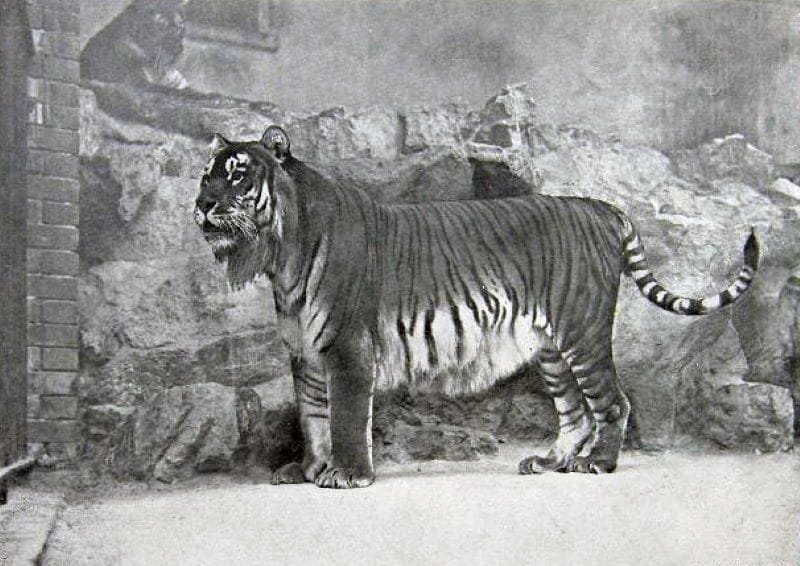
The Caspian tiger once roamed a huge area, from eastern Turkey and northern Iran to Central Asia and western China. It was hunted, its prey disappeared and its riverside forests were cleared for farming. It was gone by the 1970s.
DNA studies later showed it was almost identical to the Siberian tiger. That has inspired an ambitious plan: Kazakhstan has started bringing Amur tigers into a reserve near Lake Balkhash, to bring tigers back to Central Asia.